

Great Yarmouth Travel Guide - Free Web & App
Your ultimate guide to Great Yarmouth. Discover top landmarks, proposed trips, and local tips. Free on the web or via the Evendo companion app.


Great Yarmouth, United Kingdom, combines sandy beaches, Victorian piers, maritime history, family attractions and the Norfolk coast’s open horizons.
Coast, Piers and Seaside Character
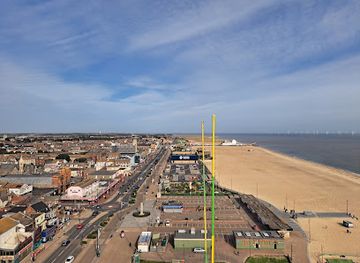
Great Yarmouth stands on the east coast of Norfolk, where the River Yare meets the North Sea. Its long seafront combines broad sandy beaches with the amusement arcades, theatres, piers and seasonal energy of a traditional British seaside resort. The central promenade, widely known as the Golden Mile, is the town’s busiest visitor area, while quieter stretches of coast extend towards the harbour and the neighbouring resort of Gorleston-on-Sea. Britannia Pier and Wellington Pier remain defining features of the waterfront, although each offers a different atmosphere and programme of entertainment.Read more about Great Yarmouth
Maritime Heritage and Living Landscape
Family Attractions and Norfolk Horizons
When is the best time to visit Great Yarmouth?
Best: June–August · 19–20°C| Month | High (°C) | Rainfall (mm) |
|---|---|---|
| January | 7 | 31 |
| February | 7 | 20 |
| March | 8 | 18 |
| April | 11 | 14 |
| May | 14 | 11 |
| June (best) | 19 | 7 |
| July (best) | 20 | 6 |
| August (best) | 20 | 6 |
| September | 18 | 9 |
| October | 14 | 13 |
| November | 11 | 19 |
| December | 9 | 27 |
Getting to and around Great Yarmouth
How to get there
Transportation
Best attractions in Great Yarmouth
Great Yarmouth’s principal attractions cluster along and behind the seafront. The broad sandy beach and Golden Mile provide the classic resort experience, with Britannia Pier, Wellington Pier and the Pleasure Beach supplying theatres, amusements and seasonal entertainment. Sea Life Great Yarmouth offers a marine-focused indoor attraction, while the Venetian Waterways introduce gardens, ornamental waterways and quieter walking close to the coast. Inland, the Time and Tide Museum explains the town’s fishing and maritime communities, and the Elizabethan House Museum presents domestic history in a historic merchant’s house. The Nelson Museum explores the life and legacy of Admiral Lord Nelson, while the Tolhouse reveals the town’s civic and penal heritage. St George’s Theatre and Great Yarmouth Minster add cultural and architectural interest. Beyond the built-up resort, Breydon Water and the surrounding Broads provide estuarine scenery, birdwatching and boating landscapes, while Gorleston-on-Sea offers another broad beach nearby.
-
Public beach
Great Yarmouth Beach
Expansive sandy shores and classic seaside fun await at Great Yarmouth Beach, a vibrant coastal gem on England’s Norfolk coast.
-
Tourist attraction
Great Yarmouth Pleasure Beach
Historic seaside amusement park with thrilling rides, family fun, and classic British beachside charm on Great Yarmouth’s Golden Mile.
-
Tourist attraction
Hippodrome Circus
Britain’s only surviving total circus building, the Hippodrome Circus dazzles with historic charm and spectacular seaside performances.
-
Tourist attraction
Britannia Pier
Britannia Pier in Great Yarmouth blends classic seaside arcades, rides, bars and a live theatre into one neon-lit promenade stop on Norfolk’s coast.


Best landmarks in Great Yarmouth
Great Yarmouth’s best-known landmarks are tied to the sea and the resort’s development. Britannia Pier and Wellington Pier project into the North Sea as enduring symbols of Victorian and later seaside entertainment, while the broad Golden Mile expresses the commercial culture of the traditional British holiday coast. The Venetian Waterways are a notable inter-war landscape feature, designed as a public leisure space beside the seafront. In the historic centre, the Tolhouse preserves one of the town’s most important civic buildings, and Great Yarmouth Minster reflects the long religious history of the medieval settlement. The Time and Tide Museum occupies a former fish-curing works, linking the town’s built heritage with its fishing economy. West of the centre, Breydon Water is the defining natural landmark: a wide tidal estuary whose mudflats, reedbeds and channels connect the rivers Yare and Waveney within the Broads.
-
Monument
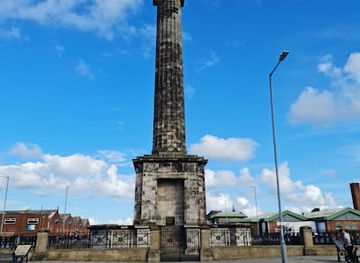
Nelson's Monument
A towering Doric column topped by Britannia, offering panoramic views and commemorating Admiral Nelson’s naval triumphs in Norfolk.
-
Historical landmark
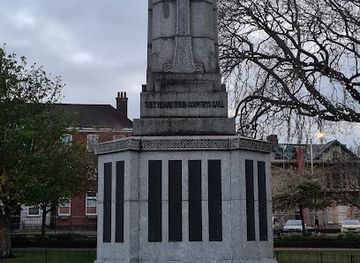
War Memorial
A solemn tribute in Great Yarmouth, honouring local service personnel and civilians lost in 20th-century conflicts with quiet dignity and enduring respect.
-
Historical landmark
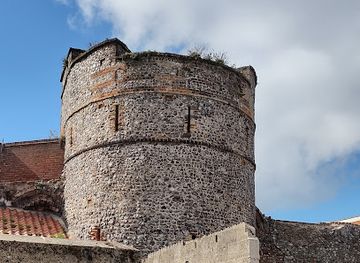
Pudding tower
Explore Pudding Tower, a medieval defensive relic in Great Yarmouth, steeped in history and local lore from the town’s fortified past.
Explore Great Yarmouth on the map
Plan your trip on one map. See where the top attractions, landmarks, restaurants and hotels are, and book hotels and experiences in a few clicks.
Best hotels in Great Yarmouth
Best restaurants in Great Yarmouth
Dining in Great Yarmouth reflects its coastal position and long association with seaside holidays. The resort area contains cafés, fish-and-chip shops, casual restaurants, pubs and takeaway outlets, with options concentrated around the seafront and central streets. Fish and chips remain part of the traditional seaside experience, while Norfolk produce, seafood and locally brewed drinks appear on menus across the wider region. Independent cafés and pubs are useful for breakfasts, light meals and a slower evening meal away from the busiest amusement areas. Visitors exploring the harbour or historic centre will find food choices mixed with the town’s everyday businesses rather than gathered in one formal dining quarter. More varied provisions are available in supermarkets and shops, which can be practical for self-catering accommodation or trips into the Broads, where rural food options may be more limited and dispersed.
-
Family friendly
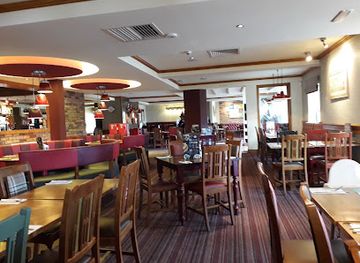
Great Yarmouth Brewers Fayre
A family-friendly British pub and restaurant in Great Yarmouth offering hearty meals, extended hours, and a welcoming atmosphere for all ages.
-
Fish restaurant
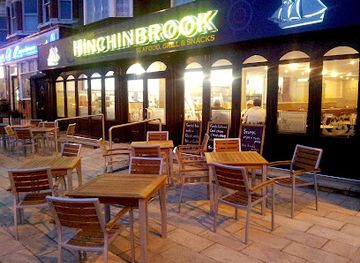
HMS Hinchinbrook great Yarmouth
Classic British fish restaurant on Great Yarmouth’s Marine Parade, blending tradition with modern flavors in a friendly seaside setting.
-
Restaurant
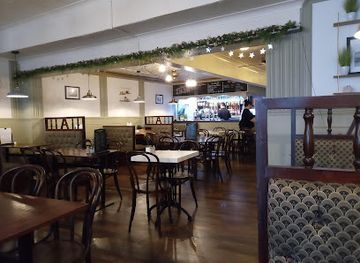
Alexandra Restaurant
A warm, family-run restaurant in Great Yarmouth serving traditional English and Mediterranean homemade dishes with attentive service.
-
American
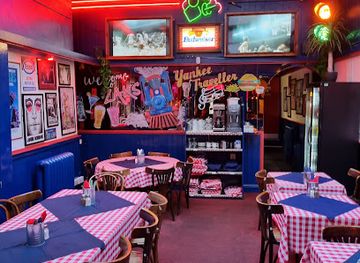
Zaks Yankee Traveller
Experience vibrant American dining with huge portions, diverse vegan options, and a lively atmosphere in the heart of Great Yarmouth.
Best bars in Great Yarmouth
Great Yarmouth’s evening life is shaped by its traditional resort character rather than by a single sophisticated nightlife district. The seafront and central streets contain pubs, bars, amusements and entertainment venues, while Britannia Pier and St George’s Theatre may host seasonal shows or performances. Some venues cater to holiday crowds and can be livelier during the main summer season, whereas established pubs offer a more local atmosphere away from the busiest arcade areas. Evening walks along the illuminated seafront are another distinctive part of the resort experience. Entertainment changes through the year, so visitors should check current programmes and venue information rather than assuming that every attraction operates outside the main season. The nearby Broads and villages are generally quieter after dark, with evenings centred on pubs, accommodation and the landscape.
-
Pub
Troll Cart Wetherspoons Great Yarmouth
Lively Wetherspoon pub and hotel in Great Yarmouth offering affordable British fare, comfy rooms, and a friendly atmosphere near the seafront.
-
Pub
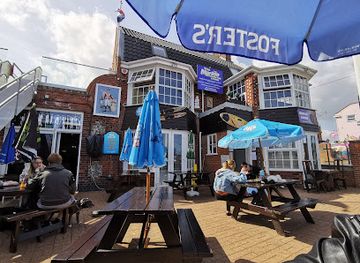
The Marine
A lively beachfront pub and hotel in Great Yarmouth, blending traditional charm with vibrant entertainment and family-friendly dining.
-
Pub
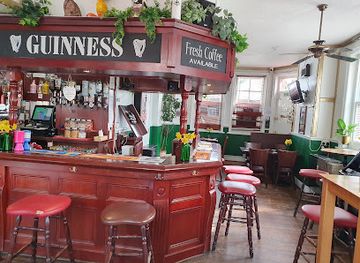
The Kings Arms
A friendly, dog-welcoming pub in Great Yarmouth serving homemade British classics with a charming beer garden and great value.
-
Pub
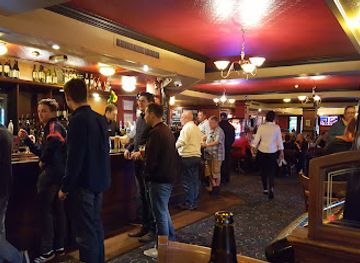
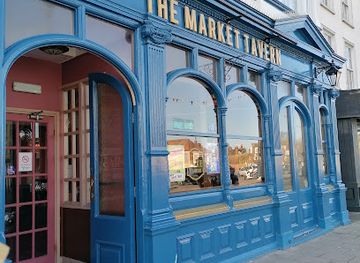
The Market Tavern Public House
A cozy, family-friendly pub in Great Yarmouth serving hearty British classics with generous portions and friendly service in a lively market setting.
Best nightclubs in Great Yarmouth
Great Yarmouth’s evening life is shaped by its traditional resort character rather than by a single sophisticated nightlife district. The seafront and central streets contain pubs, bars, amusements and entertainment venues, while Britannia Pier and St George’s Theatre may host seasonal shows or performances. Some venues cater to holiday crowds and can be livelier during the main summer season, whereas established pubs offer a more local atmosphere away from the busiest arcade areas. Evening walks along the illuminated seafront are another distinctive part of the resort experience. Entertainment changes through the year, so visitors should check current programmes and venue information rather than assuming that every attraction operates outside the main season. The nearby Broads and villages are generally quieter after dark, with evenings centred on pubs, accommodation and the landscape.
-
Adult entertainment club
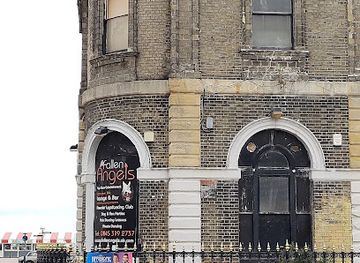
Fallen Angels
A late-night adult cabaret club on Great Yarmouth’s Marine Parade, pairing stage entertainment with a full bar for a bold, seaside-after-dark experience.
-
Night Club
Mavvy’s
Experience Great Yarmouth’s vibrant nightlife at Mavvy’s, a premier nightclub with electrifying music, stylish dress code, and late-night fun on Marine Parade.
-
Nightclub
Buddha Club
Experience Great Yarmouth’s vibrant nightlife at Buddha Club, where modern beats and coastal vibes create unforgettable weekend nights.
-
Nightclub
Moonlight Cabaret & Karaoke
A lively karaoke and cabaret hotspot in Great Yarmouth offering fun, music, and a welcoming atmosphere for night owls.


Best shops in Great Yarmouth
Shopping in Great Yarmouth is concentrated around the town centre, the Market Place and the seafront, where visitors encounter everyday retailers alongside souvenir shops, amusement arcades and businesses serving the holiday trade. The market has long been part of the town’s commercial identity, although its stalls and operating pattern may change. Independent food shops, bakeries and supermarkets are useful for self-catering visitors and for assembling provisions before trips into the Broads. Norfolk food products, seaside confectionery, postcards and coastal-themed gifts are among the items commonly associated with the resort, while local crafts and artwork may be found through galleries, seasonal events and independent businesses rather than a dedicated craft quarter. Visitors staying outside the centre may find a broader range of practical shopping in Great Yarmouth than in the smaller villages around the estuary.
-
Shopping Centre
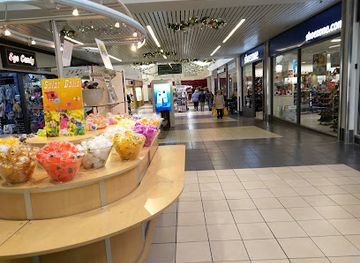
Market Gates Shopping Centre (Great Yarmouth)
A central indoor shopping destination in Great Yarmouth offering diverse stores, eateries, and a family-friendly atmosphere in a historic seaside town.
-
Clothing Shop
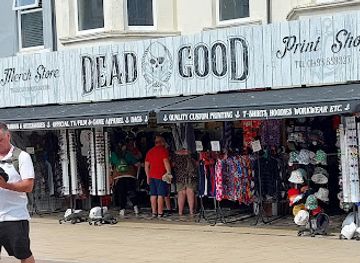
The Dead Good Shop
Discover unique vintage and bohemian clothing, jewelry, and gifts at The Dead Good Shop in Great Yarmouth’s vibrant Regent Road.
-
Gift shop
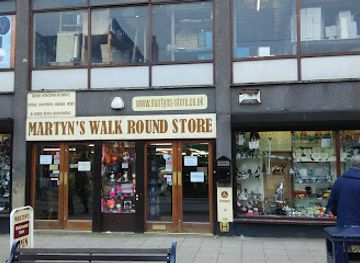
Martyns Walk Round Store
Discover unique gothic and alternative gifts at Martyn's Walk Round Store, a charming boutique in Great Yarmouth offering spooky collectibles and whimsical décor.
-
Craft shop
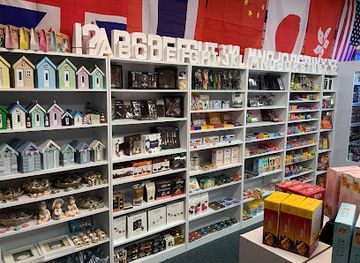
Craftmania
A welcoming craft shop in Great Yarmouth offering quality supplies, expert advice, and a vibrant creative community.
Get your free copy of our complete guide to Great Yarmouth, delivered straight to you.
Everything on this page, from attractions and restaurants to essentials and local phrases, in one PDF you can read offline, print or share.
Already have an account? Sign in
Your Great Yarmouth guide is ready.
We'll send it to · Not you? Sign out

Getting your guide ready…
We are putting together a fresh copy of the Great Yarmouth guide. This can take up to a minute.
This can take a few moments. If your browser asks, choose Allow so the download can start. You'll find the guide in your Downloads folder.
Nothing happened? Download it again
Sorry, the guide is taking longer than usual. Please try again in a minute, or get it by email instead.
Great Yarmouth essentials
Currency and Payment
Safety
Emergency Situations
Do's and Don'ts
Local Tips
From Eve
Local phrases worth knowing
You don't need to get them perfect. A few words go a long way, and locals appreciate the effort.
Basics
| English | Local | Say it |
|---|---|---|
| Hello | Alright | [Aw-right] |
| Goodbye | Ta-ra | [Tah-rah] |
| Yes | Aye | [Eye] |
| No | Naw | [Naw] |
| Please/You're welcome | Please/No worries | [Pleeze/No wor-ries] |
| Thank you | Cheers | [Cheerz] |
| Excuse me/Sorry | Sorry | [Sor-ree] |
| How are you? | How's it going? | [How's it goin'?] |
| Fine. And you? | Good, you? | [Good, yew?] |
| Do you speak English? | Do ya speak English? | [Doo ya speek Ing-lish?] |
| I don't understand | I don’t get it | [I don’t get it] |
Eating & Drinking
| English | Local | Say it |
|---|---|---|
| I'd like to see the menu, please | Can I have a look at the menu, please? | [Can I 'av a luk at the men-yoo, pleeze?] |
| I don't eat meat | I don't eat meat | [I don't eet meet] |
| Cheers! | Cheers! | [Cheerz!] |
| I would like to pay, please | Can I pay, please? | [Can I pay, pleeze?] |
Emergencies
| English | Local | Say it |
|---|---|---|
| Help! | Help! | [Help!] |
| Go away! | Clear off! | [Clear off!] |
| Call the Police! | Ring the coppers! | [Ring the cop-pers!] |
| Call a doctor! | Get a doc! | [Get a doc!] |
| I'm lost | I’m lost | [I’m lost] |
| I'm ill | I feel poorly | [I feel poor-ly] |
Shopping
| English | Local | Say it |
|---|---|---|
| I'd like to buy... | I want to buy... | [I want to bye...] |
| I'm just looking | Just having a look | [Just 'avin a luk] |
| How much is it? | How much's that? | [How much's that?] |
| That's too expensive | That's a bit pricey | [That's a bit pry-see] |
| Can you lower the price? | Can you knock the price down? | [Can you nok the pryce down?] |
Time & Numbers
| English | Local | Say it |
|---|---|---|
| What time is it? | What time is it? | [What time is it?] |
| It's one o'clock | It's one o'clock | [It's one o'clock] |
| Half past (10) | Half past ten | [Half past ten] |
| Morning | Morning | [Morn-ing] |
| Afternoon | Afternoon | [Af-ter-noon] |
| Evening | Evening | [Eve-ning] |
| Yesterday | Yesterday | [Yes-ter-day] |
| Today | Today | [To-day] |
| Tomorrow | Tomorrow | [To-mor-row] |
| 1 | One | [Wun] |
| 2 | Two | [Too] |
| 3 | Three | [Three] |
| 4 | Four | [For] |
| 5 | Five | [Fiv] |
| 6 | Six | [Siks] |
| 7 | Seven | [Sev-en] |
| 8 | Eight | [Ait] |
| 9 | Nine | [Nin] |
| 10 | Ten | [Ten] |
Transport & Directions
| English | Local | Say it |
|---|---|---|
| Where's a/the...? | Where's the...? | [Where's the...?] |
| What's the address? | What's the address? | [What's the address?] |
| Can you show me (on the map)? | Can you point it out? | [Can you point it out?] |
| When's the next (bus)? | When's the next bus? | [When's the next bus?] |
| A ticket (to ....) | A ticket to... | [A tik-it to...] |
History of Great Yarmouth
Estuary Origins and Early Settlement
Great Yarmouth developed at the mouth of the River Yare, where the estuary provided access to the North Sea and sheltered waters for fishing and coastal trade. The position was strategically valuable, although the coastline and harbour entrance have changed repeatedly through shifting sands and coastal processes. Nearby sites such as Burgh Castle and the Roman settlement at Caister-on-Sea demonstrate the wider area’s importance during the Roman period, but the medieval town of Great Yarmouth grew later around maritime commerce, fishing and river access.
A Medieval Fishing and Trading Town
The town received a charter from King John in 1208, formalising privileges that helped establish Great Yarmouth as an important market and port. Herring fishing became the foundation of its medieval economy, attracting boats, merchants and seasonal workers to the coast. The town’s historic core still contains evidence of its medieval development, including the Tolhouse, one of the country’s oldest civic buildings, and parts of the former town walls. Religious foundations and parish churches also reflected the prosperity and population of the port.
Harbour, Fishing and Maritime Power
From the early modern period onwards, Great Yarmouth remained closely connected to the sea through fishing, shipbuilding, coastal trade and naval activity. The harbour supported fleets operating in the North Sea, while the town’s position made it a significant point of contact between Norfolk and wider maritime routes. Fishing remained particularly important into the nineteenth and twentieth centuries, when herring, said to be the town’s traditional ‘silver harvest’, shaped employment, food culture and local identity. The decline of commercial herring fishing later transformed the waterfront economy.
The Victorian Seaside Resort
Great Yarmouth’s character changed markedly after the arrival of the railway in the nineteenth century, which brought visitors from inland towns and helped establish organised seaside tourism. Hotels, promenades, piers and entertainment venues expanded around the beaches, and bathing, boating and public amusements became central to the local economy. The resort’s architectural and civic fabric continued to develop into the early twentieth century, while the seafront became the principal stage for holidays, seasonal entertainment and commercial leisure.
War, Heritage and Regeneration
Great Yarmouth’s coastal position exposed it to wartime pressures, including naval activity, coastal defence and bombing during the Second World War. Post-war tourism continued, although changing holiday patterns and the long-term decline of traditional fishing altered the town’s economic landscape. Museums such as Time and Tide preserve the stories of maritime work and local communities, while the Venetian Waterways and historic seafront structures embody earlier phases of resort planning. Today, tourism, port activity, heritage and the surrounding Broads all contribute to the town’s evolving identity.
Great Yarmouth in Photos
Browse through our photo collection highlighting the charm and character of the destination.
Neighbouring destination travel guides
The closest destinations to Great Yarmouth, if you have time for more than one.
-

-

-

-

-


Swipe for more destinations
Explore more
Explore more of East of England
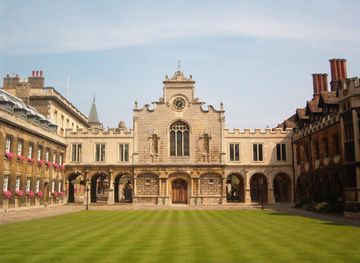
Explore the East of England for university cities, Roman heritage, fenland landscapes, North Sea beaches, coastal food and historic market towns.
Explore East of England
Explore more of United Kingdom
Discover the United Kingdom: A blend of rich history, stunning landscapes, and vibrant cities, offering a unique travel experience for every visitor.
Explore United Kingdom