

Fort Augustus Lighthouse, Scotland Travel Guide
Discover the charming Pepperpot Lighthouse, a tiny historic beacon marking the entrance to the Caledonian Canal at Loch Ness in the heart of the Scottish Highlands.
The Fort Augustus Lighthouse, also known as the Pepperpot Lighthouse, is one of Britain's smallest lighthouses, built in 1840 at the entrance to the Caledonian Canal from South Loch Ness. This charming, pepper shaker–shaped lighthouse stands on the east bank of the canal, marking a historic maritime gateway and offering picturesque views of Loch Ness and the surrounding Highlands.
A brief summary to Fort Augustus Lighthouse
- Fort Augustus, Fort Augustus, GB
- Duration: 0.5 to 1 hours
- Free
-
 Outdoor
- Mobile reception: 4 out of 5

Know before you go
Hi, I'm Eve. Here are a few practical things to know before exploring Fort Augustus Lighthouse.
- Visit during daylight hours for the best views and photo opportunities of the lighthouse and Loch Ness.
- Combine your visit with a walk along the Caledonian Canal or a stop at the nearby Caledonian Canal Heritage Centre.
- Wear sturdy footwear as paths near the canal can be slippery when wet.
- Enjoy a meal or refreshments at the Boathouse Café nearby, which offers stunning views of Loch Ness.
Do you manage this location?
Take control to get all the benefits, like improved information, better appearance, and stronger visibility across AI-powered discovery. Learn more about listing your business on Evendo
Activate your presenceOther nearby places you may find interesting
The closest places of the same kind, if this one is not quite what you had in mind.
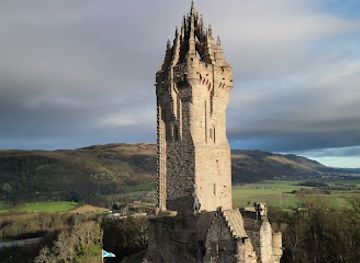
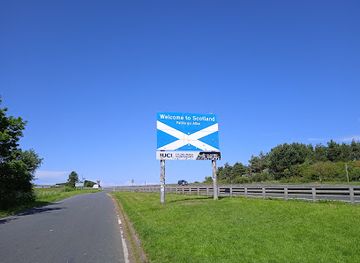
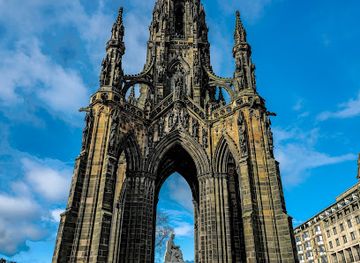
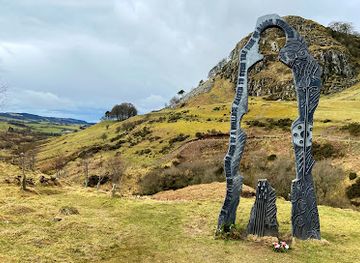
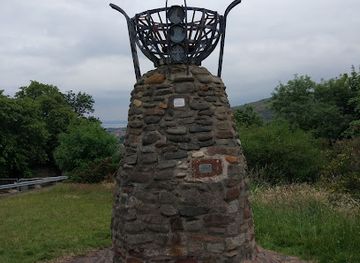
Explore Fort Augustus Lighthouse on the Map
A handpicked selection of must-see spots near Fort Augustus Lighthouse, mapped for you.
Unlock the Best of Fort Augustus Lighthouse
Buy tickets
-
No tickets available
Book tours with entry
-
No tours available
Book tours without entry

Getting There
-
Bus
Take the local bus service from Inverness to Fort Augustus, which typically takes 1.5 to 2 hours. Buses run several times daily but check schedules seasonally. The bus stops in the village center, about a 10-minute walk from the lighthouse. Tickets cost approximately £8–£12 one way.
-
Car
Driving from Inverness or Fort William takes about 1 to 1.5 hours via the A82. Parking is available near the canal and lighthouse area but can be limited during peak season. No parking fees apply. The roads are well maintained, but watch for narrow sections and occasional tourist traffic.
-
Walking
For walkers on the Great Glen Way, Fort Augustus Lighthouse is accessible via a gentle 20-minute walk from the village center along flat, well-marked paths beside the canal. Terrain is easy and suitable for most fitness levels.
For the on-the-go comforts that matter to you
-
 Seating Areas
-
 Information Boards
-
 Restrooms
-
 Food Options
-
 Drink Options
Discover more about Fort Augustus Lighthouse
A Quaint Maritime Beacon in the Scottish Highlands
The Fort Augustus Lighthouse, affectionately called the Pepperpot Lighthouse due to its distinctive shape resembling an old-fashioned pepper shaker, was constructed in 1840. It stands at just 6 meters tall on the east side of the Caledonian Canal, marking the crucial entry point from South Loch Ness into the canal system. Though no longer operational as a navigational aid, it remains a beloved historical landmark, symbolizing the maritime heritage of the region.Architectural Charm and Historical Significance
This lighthouse is part of a rare group of ‘pepperpot’ style lighthouses along the Caledonian Canal, characterized by their short, round towers topped with conical roofs. These are among the smallest lighthouses in Britain, designed for close-range guidance rather than long-distance signaling. The Fort Augustus lighthouse served an essential role in guiding vessels safely through the canal, especially in poor weather or low visibility, before modern navigation systems took over.Setting at the Heart of Fort Augustus Village
Situated near the Fort Augustus Lock Flight—a series of five locks connecting the canal to Loch Ness—the lighthouse occupies a scenic spot favored by photographers and visitors alike. The village itself, nestled at the southern tip of Loch Ness and along the Great Glen Way, offers a rich blend of natural beauty and historical intrigue. Nearby, the Caledonian Canal Heritage Centre and the iconic Loch Ness provide additional layers of cultural and natural exploration.Local Stories and Surrounding Attractions
Fort Augustus has a layered history, from its origins as a Jacobite fortification to its transformation into a Benedictine abbey and school. The lighthouse stands as a quiet witness to these changes. Visitors can also explore the nearby Queen Victoria Diamond Jubilee Fountain and the remnants of historic bridges that once served the area’s transport needs. The village’s riverside paths and canal-side walks offer delightful opportunities to soak in the Highland atmosphere.A Photographer’s Delight and Tranquil Retreat
The Pepperpot Lighthouse provides an iconic photo opportunity with its quaint silhouette against the backdrop of Loch Ness and the lush Highland landscape. Its compact size and unique design make it a charming subject for photography enthusiasts. The tranquil waters of the canal and the gentle flow of boats through the locks add to the peaceful ambiance, inviting visitors to linger and enjoy the serene setting.Preservation and Cultural Value
Efforts continue to preserve this historic lighthouse as part of Scotland’s maritime legacy. While it no longer functions as a beacon, its presence enriches Fort Augustus’s cultural fabric and attracts visitors interested in history, architecture, and natural beauty. The lighthouse stands as a testament to the engineering and navigational advancements of the 19th century and remains a cherished symbol of the Highland waterways.More to explore near Fort Augustus Lighthouse













Your all‑in‑one travel companion app
Explore expert travel guides, compare and book tours, experiences, hotels, and more—all from the palm of your hand. Download now for seamless trip planning wherever your wanderlust takes you.


Explore More of Scotland
Looking beyond Fort Augustus Lighthouse? Discover Scotland for broader travel guides, local hot-spots, and regional highlights.
Explore Scotland

