

Free Inverness Travel Guide & Mobile App
Plan your Inverness trip with Evendo. Get free guides to top attractions, restaurants, hotels, and bars. Web access or download the mobile app.


Inverness, Scotland’s Highland capital, combines riverside history, Loch Ness legends, Victorian architecture, Gaelic culture and dramatic landscapes.
A Riverside Highland Capital
Inverness stands at the meeting point of the River Ness and the Beauly Firth, where the compact urban centre opens towards the broad landscapes of the Scottish Highlands. Its historic core is easy to explore on foot, with riverside paths, elegant Victorian buildings and bridges leading towards Ness Islands, a chain of wooded islets connected by footpaths. The city is small enough to feel approachable yet substantial enough to serve as the cultural, commercial and transport centre of the northern Highlands.Read more about Inverness
History, Legends and Architecture
Beyond the City
When is the best time to visit Inverness?
Best: June–August · 16–19°C| Month | High (°C) | Rainfall (mm) |
|---|---|---|
| January | 6 | 81 |
| February | 7 | 72 |
| March | 8 | 75 |
| April | 9 | 63 |
| May | 13 | 69 |
| June (best) | 16 | 70 |
| July (best) | 19 | 78 |
| August (best) | 18 | 75 |
| September | 15 | 66 |
| October | 12 | 58 |
| November | 9 | 64 |
| December | 7 | 73 |
Getting to and around Inverness
How to get there
Transportation
Best attractions in Inverness
Inverness rewards slow exploration around the River Ness, beginning with the Inverness Museum and Art Gallery, where archaeology, Highland history and local art provide context for the region. The riverside walk leads towards Ness Islands, a wooded series of islets joined by footbridges and paths, while the nearby Caledonian Canal offers a quieter perspective on the Great Glen’s engineering landscape. In the centre, the Victorian Market retains a covered shopping arcade atmosphere, and Leakey’s Bookshop occupies a former Gaelic church near the river. Inverness Botanic Gardens adds glasshouses and planted grounds to the city’s cultural itinerary. The castle viewpoint is a useful landmark above the town, though the castle itself is being redeveloped and should not be assumed to operate as a conventional visitor attraction. Beyond the centre, Culloden Battlefield and Clava Cairns are distinct regional sites rather than city sights, but their proximity makes them important additions to an Inverness stay.
-
Battle site
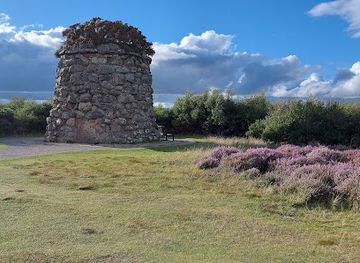
Culloden Battlefield
Explore the haunting moor where Scotland’s last pitched battle unfolded, with immersive exhibits and poignant memorials.
23 min drive · 7.7 km from city centre
-
Shopping Centre
Eastgate Shopping Centre
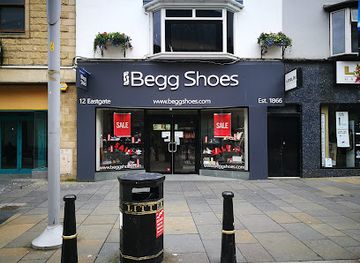
A vibrant shopping hub in Inverness with over 60 stores, artisan markets, ample parking, and community events in the heart of the Scottish Highlands.
2 min walk · 0.2 km from city centre
-
Castle
Inverness Castle
Historic Inverness Castle, a red sandstone landmark overlooking the River Ness, is transforming into a vibrant Highland cultural experience in 2025.
2 min walk · 0.2 km from city centre
-
Shopping Centre
Inverness Shopping Park
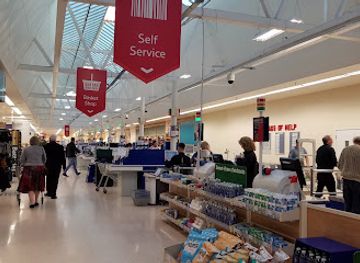
A spacious and accessible retail park offering diverse shops, dining, and entertainment just east of Inverness city centre.
9 min drive · 2.8 km from city centre

Best landmarks in Inverness
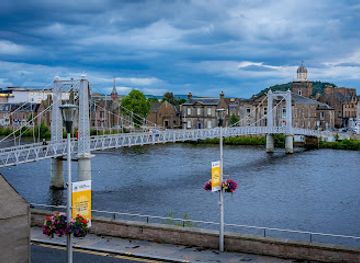
Inverness Castle dominates the hill above the River Ness and occupies the site of earlier fortifications associated with the town’s strategic medieval history; the present red-sandstone building is being transformed, so its visitor access should be checked separately from its visual importance. St Andrew’s Cathedral, built in the nineteenth century in red sandstone, is one of the city’s most prominent ecclesiastical buildings, while the Old High Church preserves a much older religious setting beside the river. The neo-Gothic Town House on the High Street represents Victorian civic confidence, and the Tolbooth Steeple remains a distinctive remnant of the historic burgh landscape. Across the water, Greig Street Bridge contributes a graceful pedestrian link through the centre. Together these structures show how royal administration, Reformation-era change, civic expansion and modern urban life have layered themselves around the River Ness.
-
 Castle
Inverness Castle
Iconic Highland fortress overlooking the River Ness, steeped in Scottish history and opening as a world-class visitor experience in late 2025.
2 min walk · 0.2 km from city centre
-
Market
The Victorian Market
Discover Inverness’s historic Victorian Market: a vibrant hub of independent shops, artisan foods, and timeless charm in the Scottish Highlands.
2 min walk · 0.2 km from city centre
-
Cathedral
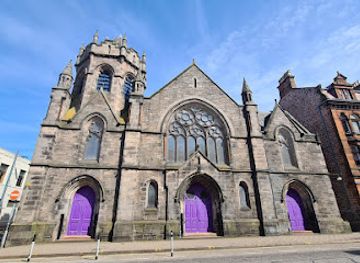
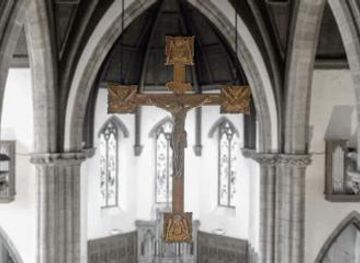
Inverness Cathedral, dedicated to St Andrew
Scotland's northernmost Anglican cathedral, a Victorian Gothic masterpiece beside the River Ness.
6 min walk · 0.5 km from city centre
-
Presbyterian church
Old High Church
Discover Inverness’s oldest church, where centuries of Highland history, sacred traditions, and haunting Jacobite tales converge on scenic St Michael’s Mount.
4 min walk · 0.4 km from city centre
Explore Inverness on the map
Plan your Inverness trip on one map. See where the top attractions, landmarks, restaurants, bars and hotels are, find what's near where you're staying, and book hotels and experiences in a few clicks.
Best hotels in Inverness
Best restaurants in Inverness
Inverness’s dining scene reflects the produce and traditions of the northern Highlands without being confined to one style of cooking. Menus commonly draw on Scottish salmon, shellfish from the surrounding coast, venison, Highland beef, game, seasonal vegetables and locally made cheeses, while traditional favourites such as Cullen skink, a smoked-haddock and potato soup, may appear alongside contemporary dishes. The central streets around Church Street, the river and the Victorian Market contain the greatest concentration of restaurants, cafés, bakeries and informal places to eat. Pubs often provide a relaxed setting for Scottish meals, while independent cafés suit breakfast, coffee and afternoon baking. Whisky and local gin feature in many drinks lists, and visitors may also encounter Gaelic and wider Highland influences in food storytelling, though menus range from traditional cooking to international cuisines suited to a regional capital.
-
Restaurant
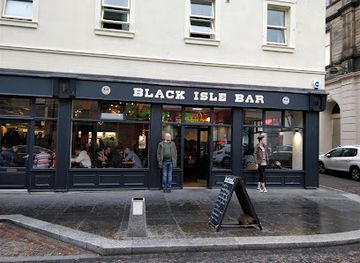
Black Isle Bar & Rooms
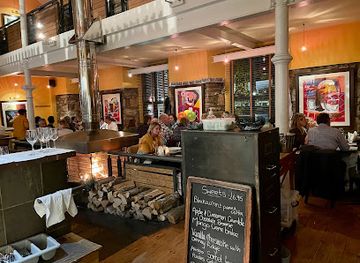
Inverness’ first craft beer bar offering organic brews, wood-fired pizzas, cozy rooms, and a secret rooftop garden in the city centre.
3 min walk · 0.2 km from city centre
-
Modern European
The Mustard Seed Restaurant
A modern European dining experience in Inverness blending local Scottish flavors with warm, inviting ambiance and attentive service.
3 min walk · 0.2 km from city centre
-
Restaurant
Johnny Foxes
A vibrant Highland pub and restaurant blending traditional Scottish fare with lively nightlife in the heart of Inverness.
2 min walk · 0.1 km from city centre
-
Restaurant
The Castle Tavern
Traditional Scottish pub with hearty fare, scenic views of Inverness Castle, lively beer garden, and warm, family-friendly atmosphere.
4 min walk · 0.3 km from city centre
Best bars in Inverness
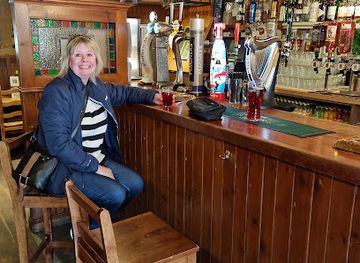
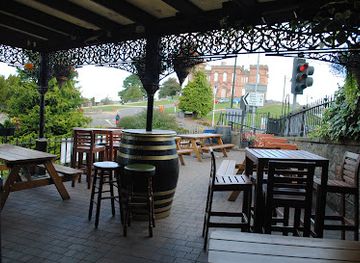
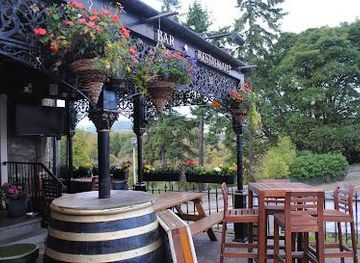
Inverness has a compact, sociable evening scene rather than the scale of a major clubbing city. Pubs around Church Street, the riverside and the central lanes combine Scottish ales, whisky and live music, with some venues hosting traditional sessions or contemporary local performers. Cocktail bars, wine-led rooms and hotel lounges provide quieter alternatives, while the city’s theatres and cultural venues add concerts, comedy and touring performances to the after-dark calendar. The Ironworks and other established music spaces have helped maintain a live-music culture, although programmes and venues change over time. Evening activity is concentrated in the centre, making it possible to move between places on foot, but visitors should remember that licensing rules, closing times and entertainment schedules vary. Outside the centre, nightlife becomes considerably quieter and more local in character.
-
Bar
Black Isle Bar & Rooms
Inverness’ vibrant craft beer bar featuring organic brews, wood-fired pizzas, a secret rooftop garden, and cozy en-suite rooms.
3 min walk · 0.2 km from city centre
-
Pub
Johnny Foxes
Experience authentic Highland hospitality with live music, hearty food, and a lively atmosphere at Johnny Foxes in the heart of Inverness.
2 min walk · 0.1 km from city centre
-
Pub
The Castle Tavern
Historic mid-1700s pub overlooking Inverness Castle and River Ness, serving authentic Scottish fare with award-winning ales in a warm, family-run setting.
4 min walk · 0.3 km from city centre
-
Live music bar
Hootananny
Experience authentic Scottish folk music, lively ceilidhs, and vibrant nightlife at Inverness’s iconic Hootananny bar and restaurant.
3 min walk · 0.2 km from city centre

Best nightclubs in Inverness
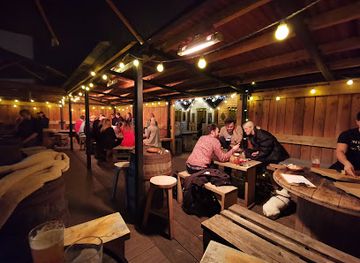
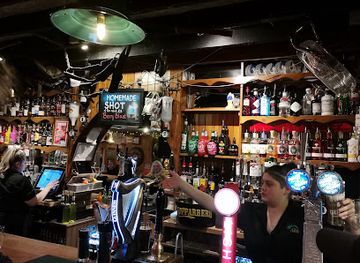
Inverness has a compact, sociable evening scene rather than the scale of a major clubbing city. Pubs around Church Street, the riverside and the central lanes combine Scottish ales, whisky and live music, with some venues hosting traditional sessions or contemporary local performers. Cocktail bars, wine-led rooms and hotel lounges provide quieter alternatives, while the city’s theatres and cultural venues add concerts, comedy and touring performances to the after-dark calendar. The Ironworks and other established music spaces have helped maintain a live-music culture, although programmes and venues change over time. Evening activity is concentrated in the centre, making it possible to move between places on foot, but visitors should remember that licensing rules, closing times and entertainment schedules vary. Outside the centre, nightlife becomes considerably quieter and more local in character.
-
Lounge
Revolution Inverness
A vibrant bar and restaurant on Church Street offering expertly mixed cocktails, comfort food, and lively nightlife in Inverness.
1 min walk · 0.1 km from city centre
-
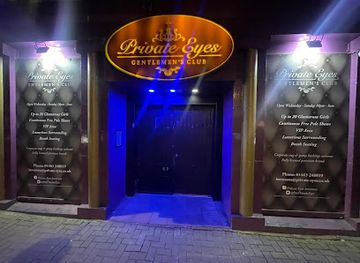
Nightclub
Private Eyes Inverness
Experience Inverness’s vibrant nightlife at Private Eyes, where stylish decor meets great music and a welcoming party atmosphere.
3 min walk · 0.3 km from city centre

Best shops in Inverness
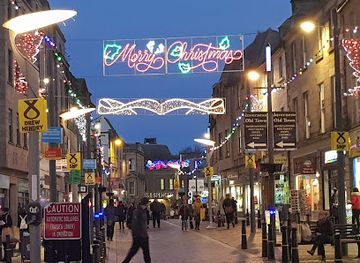
Central Inverness offers practical shopping alongside small-scale Highland souvenirs and independent retail. The Victorian Market, a covered arcade near Academy Street, contains shops and food businesses in a setting with nineteenth-century character, while the surrounding High Street and Eastgate area provide mainstream retail and everyday services. Church Street and the lanes near the river are better suited to independent boutiques, books, gifts and specialist goods. Visitors looking for locally associated purchases may find Scottish knitwear, tartan products, Harris Tweed items, whisky, shortbread, smoked foods and locally made crafts, though provenance and quality vary between retailers. Inverness is also a useful place to buy provisions for journeys into the Highlands, with supermarkets and outdoor-equipment shops serving the wider region. Markets and seasonal craft events change, so temporary stalls should not be assumed to operate throughout the year.
-
Clothing Shop
Primark
Discover unbeatable value and variety at Primark Inverness, your go-to destination for affordable fashion and home essentials in the Scottish Highlands.
1 min walk · 0.1 km from city centre
-
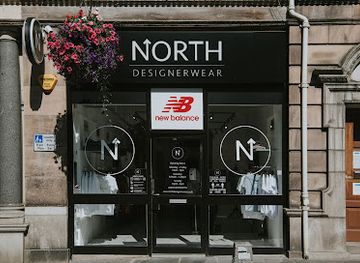
Designer Clothing Shop
North Designerwear
Discover Inverness’s stylish hub for designer clothing, shoes, and accessories at North Designerwear, where quality meets contemporary fashion.
1 min walk · 0.1 km from city centre
-
Clothing Shop
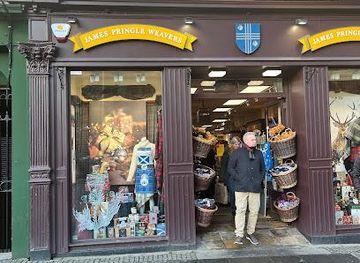
James Pringle Weavers
Discover authentic Scottish weaving heritage and quality textiles at James Pringle Weavers in the historic Holm Woollen Mills, Inverness.
7 min drive · 2.4 km from city centre
-
Ladies' Clothes Shop
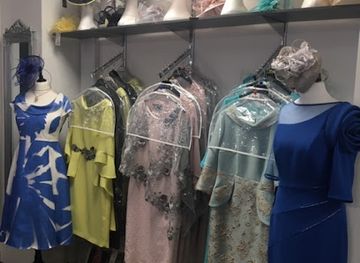
La-Di-Da Fashion/ Ladies Quality Occasion Wear
A charming Inverness boutique for special occasion wear, mother-of-the-bride outfits, designer dresses, hats, fascinators and accessories.
4 min walk · 0.3 km from city centre
Get your free copy of our complete guide to Inverness, delivered straight to you.
Everything on this page, from attractions and restaurants to essentials and local phrases, in one PDF you can read offline, print or share.
Already have an account? Sign in
Your Inverness guide is ready.
We'll send it to · Not you? Sign out

Getting your guide ready…
We are putting together a fresh copy of the Inverness guide. This can take up to a minute.
This can take a few moments. If your browser asks, choose Allow so the download can start. You'll find the guide in your Downloads folder.
Nothing happened? Download it again
Sorry, the guide is taking longer than usual. Please try again in a minute, or get it by email instead.
Inverness essentials
Currency and Payment
Safety
Emergency Situations
Do's and Don'ts
Local Tips
From Eve
Local phrases worth knowing
You don't need to get them perfect. A few words go a long way, and locals appreciate the effort.
Basics
| English | Local | Say it |
|---|---|---|
| Hello | Hello | [həˈloʊ] |
| Goodbye | Goodbye | [ɡʊdˈbaɪ] |
| Yes | Yes | [jɛs] |
| No | No | [noʊ] |
| Please/You're welcome | Please/You're welcome | [pliːz/jʊr ˈwɛlkəm] |
| Thank you | Thank you | [θæŋk ju] |
| Excuse me/Sorry | Excuse me/Sorry | [ɪkˈskjus mi/ˈsɔri] |
| How are you? | How are you? | [haʊ ɑr ju] |
| Fine. And you? | Fine. And you? | [faɪn. ənd ju] |
| Do you speak English? | Do you speak English? | [du ju spiːk ˈɪŋɡlɪʃ] |
| I don't understand | I don't understand | [aɪ doʊnt ˌʌndərˈstænd] |
Eating & Drinking
| English | Local | Say it |
|---|---|---|
| I'd like to see the menu, please | I'd like to see the menu, please | [aɪd laɪk tə si ðə ˈmɛnjuː, pliːz] |
| I don't eat meat | I don't eat meat | [aɪ doʊnt iːt miːt] |
| Cheers! | Cheers! | [tʃɪrz] |
| I would like to pay, please | I would like to pay, please | [aɪ wʊd laɪk tə peɪ, pliːz] |
Emergencies
| English | Local | Say it |
|---|---|---|
| Help! | Help! | [hɛlp] |
| Go away! | Go away! | [ɡoʊ əˈweɪ] |
| Call the Police! | Call the Police! | [kɔl ðə pəˈliːs] |
| Call a doctor! | Call a doctor! | [kɔl ə ˈdɑktər] |
| I'm lost | I'm lost | [aɪm lɔst] |
| I'm ill | I'm ill | [aɪm ɪl] |
Shopping
| English | Local | Say it |
|---|---|---|
| I'd like to buy... | I'd like to buy... | [aɪd laɪk tə baɪ...] |
| I'm just looking | I'm just looking | [aɪm dʒʌst ˈlʊkɪŋ] |
| How much is it? | How much is it? | [haʊ mʌtʃ ɪz ɪt] |
| That's too expensive | That's too expensive | [ðæts tu ɪkˈspɛnsɪv] |
| Can you lower the price? | Can you lower the price? | [kæn ju ˈloʊər ðə praɪs] |
Time & Numbers
| English | Local | Say it |
|---|---|---|
| What time is it? | What time is it? | [wʌt taɪm ɪz ɪt] |
| It's one o'clock | It's one o'clock | [ɪts wʌn əˈklɒk] |
| Half past (10) | Half past (10) | [hæf pæst (10)] |
| Morning | Morning | [ˈmɔrnɪŋ] |
| Afternoon | Afternoon | [ˌæftərˈnun] |
| Evening | Evening | [ˈiːvnɪŋ] |
| Yesterday | Yesterday | [ˈjɛstərdeɪ] |
| Today | Today | [təˈdeɪ] |
| Tomorrow | Tomorrow | [təˈmɒroʊ] |
| 1 | 1 | [wʌn] |
| 2 | 2 | [tu] |
| 3 | 3 | [θri] |
| 4 | 4 | [fɔr] |
| 5 | 5 | [faɪv] |
| 6 | 6 | [sɪks] |
| 7 | 7 | [sɛvən] |
| 8 | 8 | [eɪt] |
| 9 | 9 | [naɪn] |
| 10 | 10 | [tɛn] |
Transport & Directions
| English | Local | Say it |
|---|---|---|
| Where's a/the...? | Where's a/the...? | [wɛrz ə/ðə...?] |
| What's the address? | What's the address? | [wʌts ðə əˈdrɛs] |
| Can you show me (on the map)? | Can you show me (on the map)? | [kæn ju ʃoʊ mi (ɑn ðə mæp)?] |
| When's the next (bus)? | When's the next (bus)? | [wɛnʤ ðə nɛkst (bʌs)?] |
| A ticket (to ....) | A ticket (to ....) | [ə ˈtɪkɪt (tə ....)] |
History of Inverness
Pictish Beginnings and Early Settlement
The Inverness area was settled long before the modern town emerged, and archaeological evidence records Pictish activity around the Moray Firth and the River Ness. A fortress traditionally associated with the Pictish king Brude is said to have stood near the river, although details of the encounter between Brude and Saint Columba in the sixth century belong partly to early Christian tradition rather than securely documented urban history. The strategic position beside the Great Glen made the area important for movement between the east and west coasts. River crossings, fertile ground and access to waterways encouraged settlement, while the surrounding landscape connected Inverness to wider networks of Highland communities.
Royal Burgh and Medieval Power
Inverness developed greater political importance during the medieval period, when royal authority expanded across northern Scotland. David I is generally associated with granting the town royal-burgh status in the twelfth century, strengthening its role in administration, trade and taxation. A succession of castles and fortified sites occupied the strategic height above the River Ness, reflecting Inverness’s position on routes through the Great Glen and towards the north coast. Merchants, clergy and officials gathered around the burgh, while the river and nearby firth supported movement of goods. Medieval Inverness was repeatedly affected by conflict among the Scottish Crown, regional lords and Gaelic powers, but its commercial and administrative role endured.
Reformation, Conflict and Royal Authority
The sixteenth century brought religious and political upheaval to Inverness. The Scottish Reformation altered the town’s religious institutions, and the old churches were drawn into the wider transformation of worship and church governance. In 1562, Mary, Queen of Scots, was refused entry to Inverness Castle during a dispute with the Catholic Gordon family, an episode that demonstrated how local power struggles could intersect with national politics. Royal authority was later reinforced, but the region remained shaped by relationships between the Crown, burgh communities and Highland clans. The religious buildings and altered civic landscape visible today are products of these long changes rather than a single period of development.
The Jacobite Era and Culloden
Inverness became closely involved in the Jacobite risings of the seventeenth and eighteenth centuries. During the 1745 rising, Jacobite forces captured the town, while government troops later used it as a base before the decisive Battle of Culloden on 16 April 1746, fought on open ground east of Inverness. The battlefield lies outside the city and is now preserved as a place of remembrance and historical interpretation. The defeat ended the rising and was followed by severe government measures against Highland society, including restrictions on weapons, clan authority and aspects of traditional dress. Inverness itself suffered military disruption and subsequent rebuilding, while Culloden became central to the region’s historical memory.
Canal, Railway and Victorian Expansion
The nineteenth century reshaped Inverness through infrastructure, trade and urban growth. The Caledonian Canal, completed in 1822, linked the lochs of the Great Glen and strengthened the town’s connection with west-coast waterways, although commercial expectations were greater than the canal’s eventual traffic. Railway connections arrived in the 1850s, tying Inverness more closely to the central Lowlands and northern Scotland. Victorian prosperity encouraged new streets, civic buildings, churches and commercial premises beyond the medieval core. The Town House and the period streets around the centre reflect this expansion, while the railway helped establish Inverness as the principal service and transport centre for the northern Highlands.
A Modern Highland Regional Centre
During the twentieth century Inverness grew beyond its traditional burgh boundaries and became an administrative, educational and commercial centre for a wide Highland region. New housing, roads and public institutions altered the town’s scale, while the growth of tourism brought stronger attention to Loch Ness, Culloden, the Great Glen and the wider landscapes of the north. The city’s cultural identity remains connected to Gaelic language and Highland traditions, even as contemporary Inverness supports modern retail, arts, hospitality and business. Recent regeneration has focused on the riverside, transport links and the future of the castle precinct, continuing a pattern of adaptation that has marked the city since its medieval emergence.
Inverness in Photos
Browse through our photo collection highlighting the charm and character of the destination.
Cities near Inverness
The closest cities to Inverness, if you have time for more than one stop.
-

-

-

-

-


Swipe for more cities
Explore more

Explore more of United Kingdom
Discover the United Kingdom: A blend of rich history, stunning landscapes, and vibrant cities, offering a unique travel experience for every visitor.
Explore United Kingdom