Great War Memorial, Inverness Travel Guide
Free Guide: A solemn red sandstone Celtic cross on the banks of the River Ness, honouring Inverness’s fallen from the World Wars and later conflicts.


A brief summary of Great War Memorial
A solemn red sandstone Celtic cross on the banks of the River Ness, honouring Inverness’s fallen from the World Wars and later conflicts.
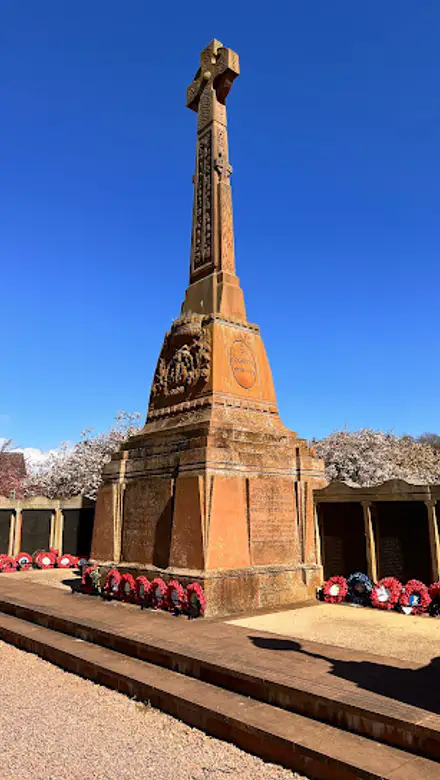
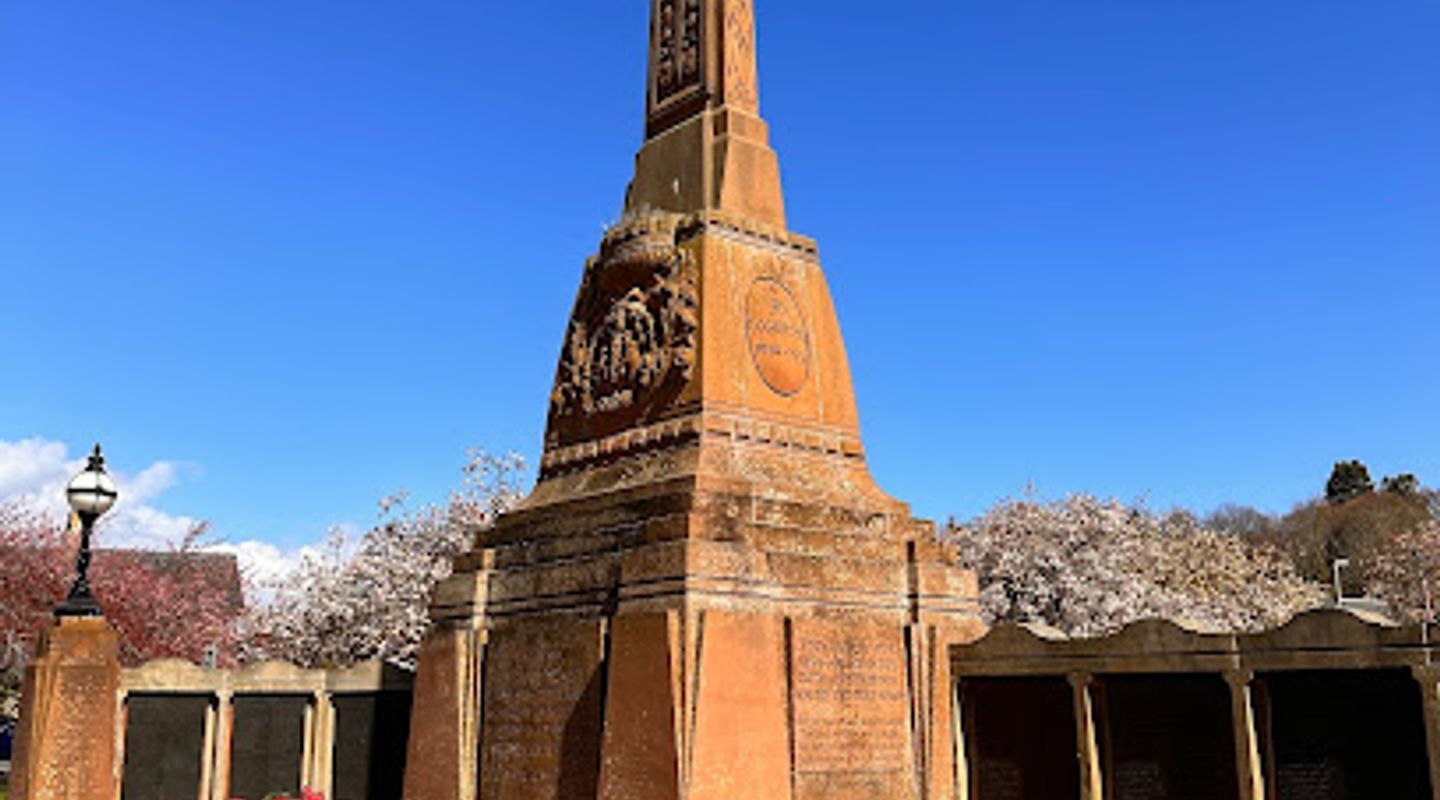
Standing proudly on the east bank of the River Ness in Cavell Gardens, Inverness War Memorial is a striking red sandstone Celtic cross dedicated to the men and women of Inverness who gave their lives in the World Wars and later conflicts. Designed by J. Hinton Gall and carved by D & A Davidson, it features a high cross on a stepped plinth, flanked by two wings bearing panels inscribed with the names of the fallen. The memorial’s solemn presence, combined with its riverside setting and poignant inscriptions, makes it a focal point for remembrance and quiet reflection in the heart of the city.
On-site amenities
 Seating areas
 Trash bins
 Information boards
- Address
- Cavell Gardens, Inverness IV2 4SY
Getting there
Walking
Public Transport
Car
Discover more about Great War Memorial
A Monument of Stone and Memory
Rising from the green banks of the River Ness in Cavell Gardens, the Inverness War Memorial is a powerful tribute in red sandstone, centered on a tall Celtic cross. The cross, rich with traditional knotwork and a sword motif on its shaft, stands atop a substantial stepped plinth, its design echoing both ancient Highland symbolism and early 20th-century civic solemnity. On the plinth, inscriptions speak of a community’s gratitude and the heavy cost of war, naming those from the burgh and parish of Inverness who laid down their lives in the Great War and later conflicts. The memorial’s central cross is flanked by two long wings, each lined with panels that record the names of the fallen, a permanent roll call of sacrifice.
Names Etched in Stone
The memorial’s inner walls bear 14 panels listing the names of those lost in the First World War, with each entry giving rank, surname and Christian name. These names represent communities stretching from Balloch in the east to Abriachan in the west, reflecting the wide reach of Inverness’s wartime contribution. Later additions commemorate those who died in the Second World War and in conflicts since, bringing the total number of names to around 980. Among them is Lieutenant Hugh McKenzie, a native of Inverness who served with the Canadian Expeditionary Force and was posthumously awarded the Victoria Cross for extraordinary bravery on the Bellevue Spur in 1917. His story, like so many others here, is one of courage, loss and enduring remembrance.
Design and Symbolism
Designed by architect J. Hinton Gall and carved by the Inverness stonemasons D & A Davidson, the memorial combines civic dignity with deeply personal commemoration. The Celtic cross form links the sacrifice of the 20th century to older Highland traditions of honour and remembrance. The wings extend like arms from the central cross, their terminal pillars topped with lamps and inscribed with battle honours that mark the theatres and engagements where Inverness men fought. Originally proposed for a site at the foot of Ardross Street, the memorial was instead placed in the newly named Cavell Gardens, chosen for its open, picturesque riverside setting where it would be seen by all visitors to the town. Unveiled in December 1922 by Mackintosh of Mackintosh before a crowd of around 5,000, it has since stood as a permanent focus for civic remembrance.
A Place of Quiet Reflection
Today, the memorial continues to serve as a living site of remembrance, especially during November’s Armistice commemorations. Its riverside location, with views across the Ness and the city beyond, creates a contemplative atmosphere where visitors can pause and reflect on the human cost of war. The inscriptions, the names, and the simple dignity of the stonework invite a sense of connection with those who served and those who grieved. Whether approached as a historical landmark, a place of personal tribute or a moment of quiet in the city, the Inverness War Memorial offers a space where history, memory and community converge in stone and sky.
Evendo Review Centre
 Google
Guest reviews
Best time to go
Quietest: Jan, Feb & Mar · before 3am
Busy times are Evendo estimates for a typical year, to help you plan. Actual crowds vary with events, school holidays and the weather.
Explore Great War Memorial on the map
A handpicked selection of must-see spots near Great War Memorial, mapped for you.
Get your free copy of our complete guide to Great War Memorial, delivered straight to you.
Everything on this page, from opening hours and how to get there to Eve’s tips and the best time to go, in one PDF you can read offline, print or share.
Already have an account? Sign in
Your Great War Memorial guide is ready.
We'll send it to · Not you? Sign out

Getting your guide ready…
We are putting together a fresh copy of the Great War Memorial guide. This can take up to a minute.
This can take a few moments. If your browser asks, choose Allow so the download can start. You'll find the guide in your Downloads folder.
Nothing happened? Download it again
Sorry, the guide is taking longer than usual. Please try again in a minute, or get it by email instead.
Other nearby places you may find interesting
The closest places of the same kind, if this one is not quite what you had in mind.
-
-
-
-
-


Swipe for more places
More to explore near Great War Memorial

 Best experiences near Great War Memorial
 Best hotels near Great War Memorial
 Best landmarks near Great War Memorial
 Best attractions near Great War Memorial
 Best shops near Great War Memorial
 Best restaurants near Great War Memorial
 Best bars near Great War Memorial
Do you manage this location?
Take control to get all the benefits, like improved information, better appearance, and stronger visibility across AI-powered discovery.
Explore more

Explore more of Inverness
Discover Inverness, the picturesque gateway to Scotland's Highlands, where history, culture, and natural beauty blend seamlessly in a vibrant city setting.
Explore Inverness
Explore more of United Kingdom
Discover the United Kingdom: A blend of rich history, stunning landscapes, and vibrant cities, offering a unique travel experience for every visitor.
Explore United Kingdom