
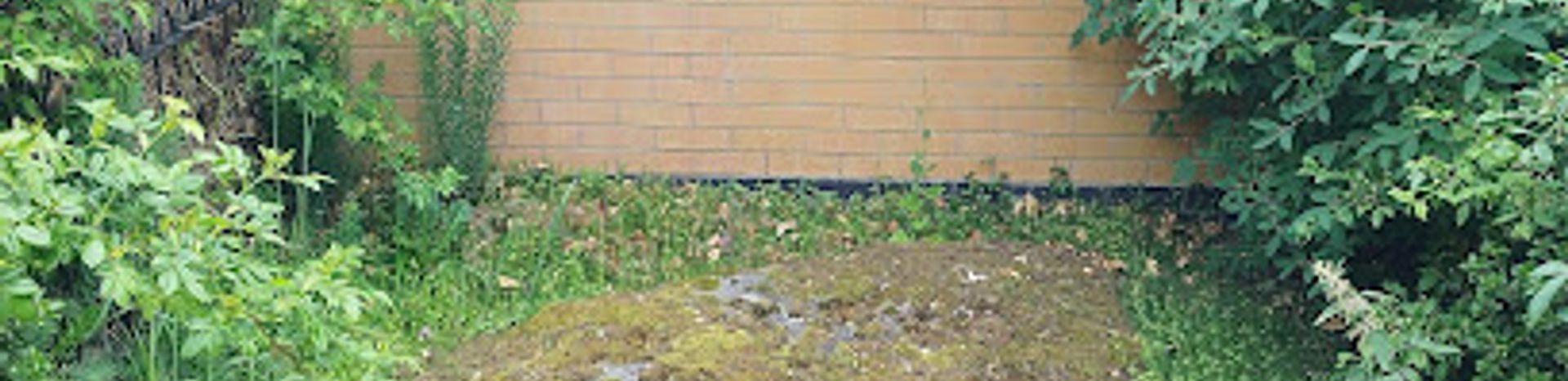
The Broad Stone, Inverness
An enigmatic prehistoric standing stone with a mysterious hole, marking Inverness's deep connection to ancient Scottish heritage.
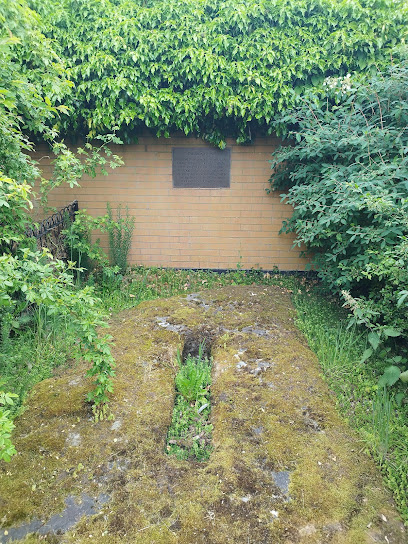
An ancient standing stone located on Kingsmills Road in Inverness, the Broad Stone is a remarkable prehistoric monument dating from before the 15th century. This large flat stone features a distinctive hole that once supported a pillar or stone cross, making it a significant archaeological relic of Scotland's early history. Situated in a protected enclosure between Broadstone Park and Kingsmills Park, the stone stands as a tangible connection to the region's Pictish heritage and medieval past.
A brief summary to The Broad Stone, Inverness
- The Broad Stone, Kingsmills Rd, Inverness, IV2 3RE, GB
- Visit website
- Duration: 0.25 to 1 hours
- Free
-
 Outdoor
- Mobile reception: 4 out of 5
Local tips
- Visit early morning or late afternoon for softer light that highlights the stone's texture and the distinctive hole through its centre, ideal for photography.
- Combine your visit with exploration of other Inverness stones, including the Clach Na Cudainn outside the Town Hall and the Knocknagael Boarstone, to understand the town's unique stone heritage.
- The nearby Broadstone Park and Kingsmills Park offer pleasant walking routes and green spaces, making this an excellent stop during a broader exploration of northern Inverness.
- Research the Highland Pictish Trail to contextualise this stone within the broader landscape of Pictish monuments across the region.
- Check local heritage resources and museum collections in Inverness for additional information about the stone's history and the theories surrounding its original purpose.

For the on-the-go comforts that matter to you
- Seating Areas
- Information Boards
Getting There
-
Bus
From Inverness city centre, take a local bus service heading north towards the Kingsmills area. Journey time is approximately 10–15 minutes depending on traffic and the specific route. Services operate throughout the day with regular frequency. The stone is located on Kingsmills Road; alight at a stop near Broadstone Park or Kingsmills Park and walk to the enclosure. Typical fare is around £1.50–£2.50.
-
Walking
From Inverness city centre, walk north along Academy Street or Inglis Street towards the northern suburbs. The journey takes approximately 25–35 minutes on relatively flat terrain with good pavements throughout. Follow signs towards Kingsmills Road; the stone is situated in an enclosure on the north side of the road between Broadstone Park and Kingsmills Park. This is a pleasant urban walk suitable for most fitness levels.
-
Taxi or Private Vehicle
Travel north from Inverness city centre towards Kingsmills Road, a journey of approximately 2–3 kilometres taking 5–10 minutes depending on traffic. The stone is located in an enclosure on the north side of Kingsmills Road between Broadstone Park and Kingsmills Park. Limited parking is available in nearby residential streets and park areas; arrive early or during quieter times for easier access.
-
Bicycle
From the city centre, cycle north along Academy Street or nearby routes towards Kingsmills Road, a journey of approximately 2–3 kilometres taking 8–12 minutes. The route follows relatively flat terrain with some urban cycling infrastructure. The stone's enclosure is easily accessible by bicycle, and informal parking for bikes is available near the site.
The Broad Stone, Inverness location weather suitability
-
 Any Weather
Discover more about The Broad Stone, Inverness
A Monument to Prehistoric Scotland
The Broad Stone represents one of Inverness's most enduring archaeological treasures, a substantial standing stone that has witnessed the passage of centuries on the northern side of Kingsmills Road. Dating from before the 15th century, this ancient monument embodies the deep historical roots of the Highland capital, connecting modern visitors to the distant past when Pictish peoples inhabited these lands. The stone's impressive size and carefully preserved condition make it a striking example of how prehistoric and medieval communities left their mark on the Scottish landscape.Architectural Features and Design
The Broad Stone's most distinctive characteristic is the hole pierced through its centre, a feature that has intrigued historians and archaeologists for generations. This opening is believed to have originally supported a pillar or stone cross, suggesting the monument served both practical and ceremonial purposes in its original context. The stone's flat, broad surface and worked appearance distinguish it from natural boulders, indicating deliberate human craftsmanship and intentional placement. The hole's purpose may have connected the stone to early Christian practices or to earlier Pictish traditions, reflecting the layered religious history of the Highlands.Setting and Preservation
Located in a specially maintained enclosure between Broadstone Park and Kingsmills Park, the Broad Stone benefits from protective measures that ensure its long-term survival. This thoughtful preservation reflects the community's recognition of the stone's cultural and historical significance. The park setting provides a peaceful environment for contemplation and study, allowing visitors to experience the monument within a carefully managed landscape. The enclosure itself serves as a buffer against urban development, maintaining the stone's integrity for future generations.Connection to Inverness's Stone Heritage
Inverness holds a unique distinction in Scottish history as a town deeply connected to its stones. The city's inhabitants were traditionally known as Clann Na Cloiche, meaning "Children of the Stone" in Gaelic, a testament to the profound importance of stone monuments in local identity. While the famous Clach Na Cudainn stone outside the Town Hall represents the town's civic heart, the Broad Stone represents an older, more mysterious layer of Inverness's past. Together, these monuments tell the story of a place where stone has always held spiritual, practical, and symbolic meaning.Pictish Legacy and Archaeological Significance
The Broad Stone exists within the broader context of Pictish heritage that defines the Highland region. The Picts, who flourished in Scotland before the medieval period, left behind carved stones and monuments that continue to fascinate researchers and visitors alike. While the Broad Stone may not bear the elaborate carvings of some Pictish Class II stones, its very existence and the mystery surrounding its original purpose contribute to our understanding of how ancient communities used stone to mark sacred spaces, territorial boundaries, or significant locations. The hole through its centre remains an enigmatic feature that invites speculation about ritual practices and community gatherings.A Quiet Testament to Time
What makes the Broad Stone particularly compelling is its understated presence. Unlike more dramatic monuments or heavily documented historical sites, this stone occupies a quieter place in Inverness's heritage landscape. Yet its longevity—surviving centuries of urban growth, changing religious practices, and shifting cultural priorities—speaks to its fundamental importance to the place. Standing on Kingsmills Road today, the Broad Stone continues its ancient vigil, a silent witness to the evolution of Inverness from Pictish stronghold to modern Highland capital.Iconic landmarks you can’t miss

The Broad Stone, Inverness
0.0 km
Discover Inverness’s ancient Broad Stone, a mysterious medieval relic with a storied past nestled between city parks.
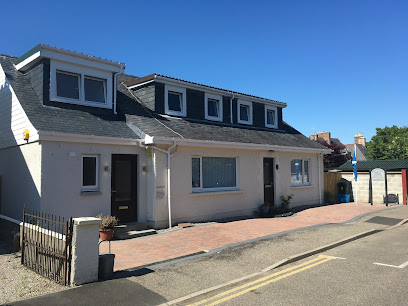
Silverstrands Guest House
0.1 km
Discover the charm of Inverness at Silverstrands Guest House, where comfort meets Scottish hospitality in a picturesque setting.
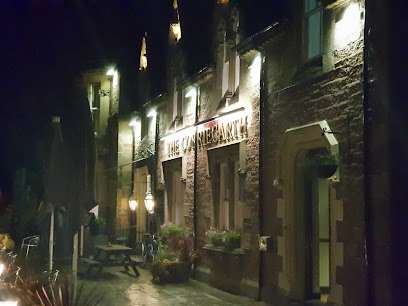
The Corriegarth
0.1 km
Cozy and friendly Highland hotel with a charming pub, quality dining, and peaceful rooms near Inverness city center.
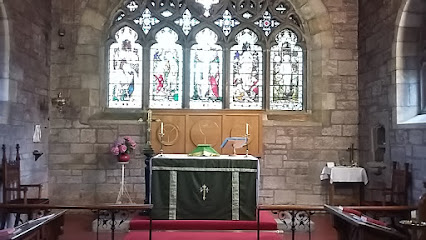
St John's Scottish Episcopal Church, Inverness
0.1 km
Explore the serene beauty and architectural splendor of St John's Scottish Episcopal Church, a historic landmark in the heart of Inverness.
Inverness Scotland
0.4 km
Inverness, the vibrant Highland capital, offers historic charm, stunning river views, and easy access to Loch Ness and Scotland’s majestic landscapes.

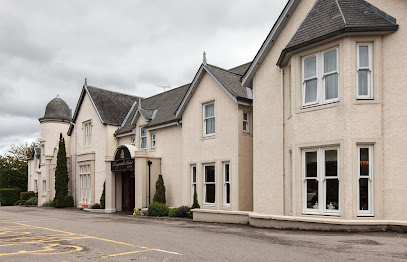
Kingsmills Hotel
0.5 km
Historic elegance meets modern luxury with spa, pool, fine dining, and tranquil grounds just minutes from Inverness city center.
Cheese & Tomatin
0.5 km
Discover the delightful flavors of Cheese & Tomatin, Inverness' favorite pizza restaurant, where every slice tells a story of quality and taste.
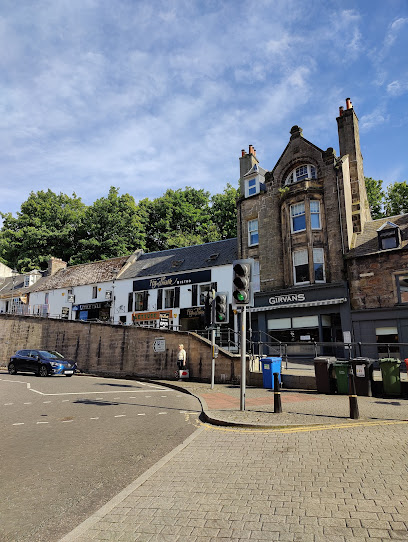
Girvans
0.5 km
Discover Girvans in Inverness, where delightful breakfasts and a warm atmosphere await, perfect for fueling your adventures in the Scottish Highlands.
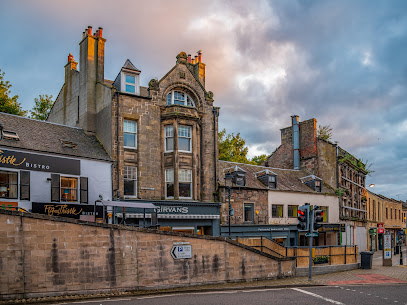
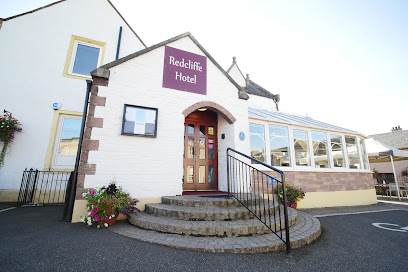
Redcliffe Hotel, Restaurant and Beer Garden
0.6 km
A friendly, well-located Inverness hotel with a popular restaurant and scenic beer garden terrace, perfect for a relaxed Highland stay.
Water filling station
0.6 km
Discover the Water Filling Station in Inverness, a must-visit eco-friendly tourist attraction that promotes sustainability and hydration for all travelers.
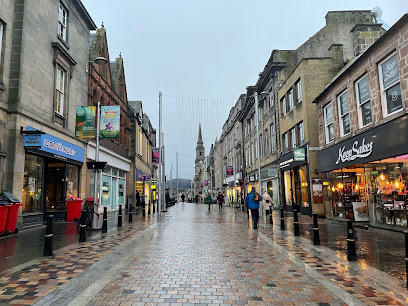
Historic & Scenic Tours Inverness
0.6 km
Discover the breathtaking beauty and rich history of the Scottish Highlands with Historic & Scenic Tours Inverness, your gateway to unforgettable adventures.
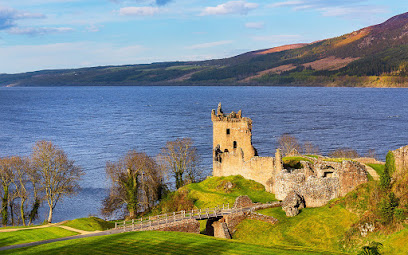
Cath's Inverness Tours
0.6 km
Experience the breathtaking beauty of the Scottish Highlands with personalized tours from Cath's Inverness Tours, your expert guide to Scotland's rich heritage.
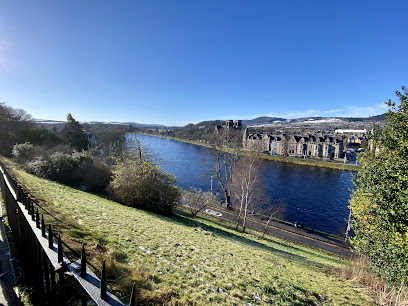
The Botanic House
0.6 km
Inverness’s vibrant live music venue blending cocktails, pizza, and dynamic entertainment in a welcoming city-center setting.
Start/Finish of Great Glen way, Inverness
0.7 km
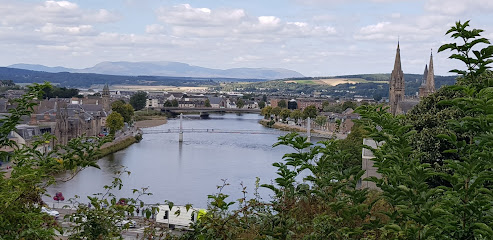
Discover the gateway to Scotland’s iconic Great Glen Way, where urban charm meets Highland adventure in Inverness.
Nairn Book & Arts Festival
0.7 km
A vibrant annual festival celebrating literature, art, music, and drama in the scenic Scottish Highlands town of Nairn.
Unmissable attractions to see

Walker park
0.4 km
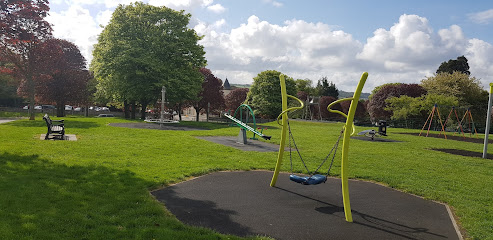
A spacious, family-friendly city park in Inverness offering vibrant play areas, peaceful green spaces, and community spirit year-round.
Visit Inverness Loch Ness
0.4 km
Historic Midmills Buildings transformed into a vibrant creative hub for artists, innovators, and cultural events in the heart of Inverness.
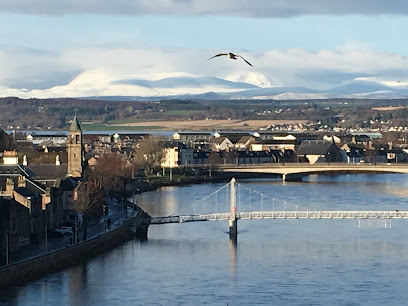
HMP Inverness
0.4 km
Scotland’s smallest local prison, blending historic architecture with modern rehabilitation in the heart of Inverness.
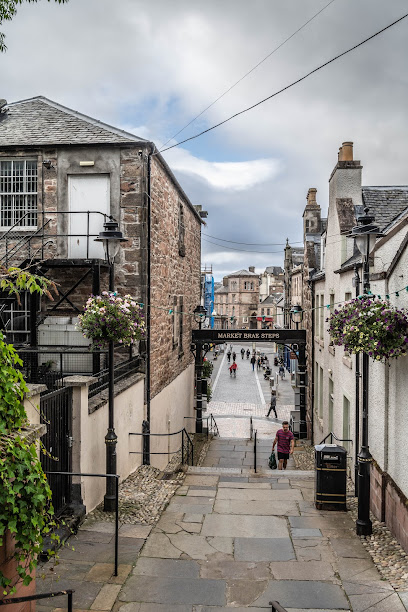
Market Brae Steps
0.6 km
Historic stone steps linking Inverness’s vibrant Crown district with its rich market heritage and scenic urban views.
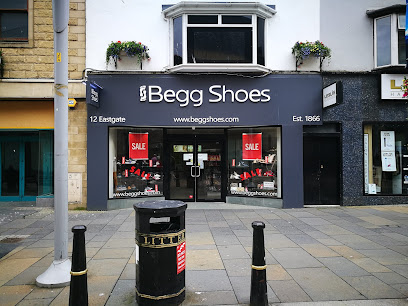
Eastgate Shopping Centre
0.6 km
A vibrant shopping hub in Inverness with over 60 stores, artisan markets, ample parking, and community events in the heart of the Scottish Highlands.
Castle Gallery
0.6 km
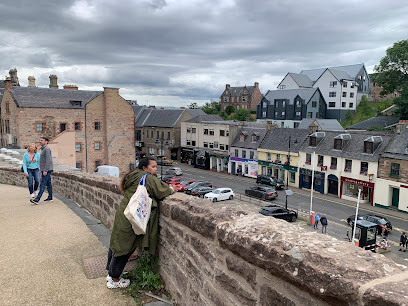
Contemporary art gallery showcasing Scottish and British artists in the heart of Inverness.
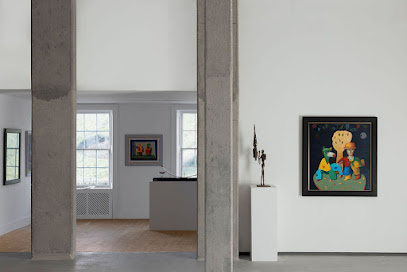
Browns Gallery
0.6 km
Contemporary Scottish art in an elegant space beneath Inverness Castle—a curator's vision of artistic integrity.
Lochness tours
0.6 km
Discover the enchanting Loch Ness with guided tours that reveal the history, myths, and stunning beauty of Scotland’s most famous lake.
Walking Tours in Inverness
0.6 km
Explore Inverness’s rich history and culture on engaging guided walking tours through its scenic old city streets.
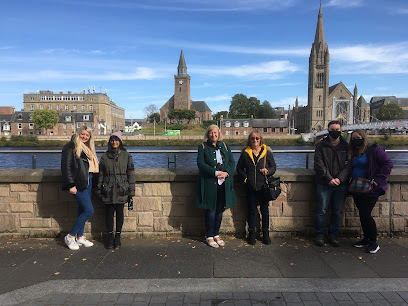
Alan's Historical Walks
0.6 km
Discover Inverness's medieval and Victorian heritage through engaging daily walking tours led by a knowledgeable local guide.
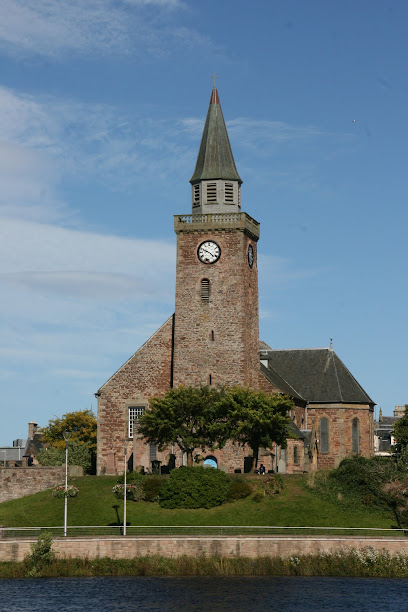
VisitScotland Inverness iCentre
0.6 km
Discover the Scottish Highlands with expert guidance and local insights at Inverness’s central VisitScotland iCentre.
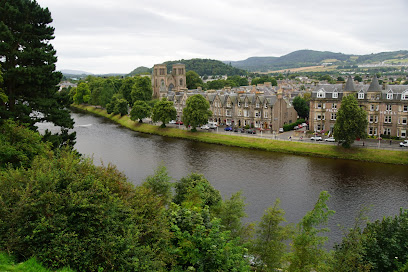
The Castle Tavern
0.6 km
Experience the best of Scottish hospitality at The Castle Tavern, where great food, local brews, and stunning river views await.
Huntfun
0.6 km
Explore Inverness through interactive treasure hunts blending adventure, culture, and fun for all ages and occasions.
Flora Macdonald statue
0.7 km
A striking tribute to Scotland’s heroine Flora Macdonald, overlooking Inverness Castle and the River Ness with timeless historical significance.
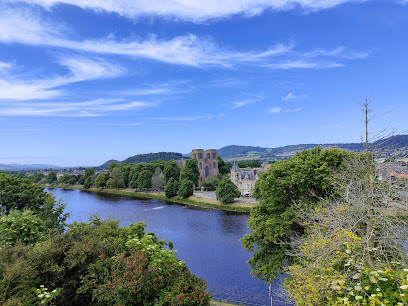
National memorial of Scotland
0.7 km
Explore the National Memorial of Scotland in Inverness, a profound tribute to the nation's rich history and cultural heritage.
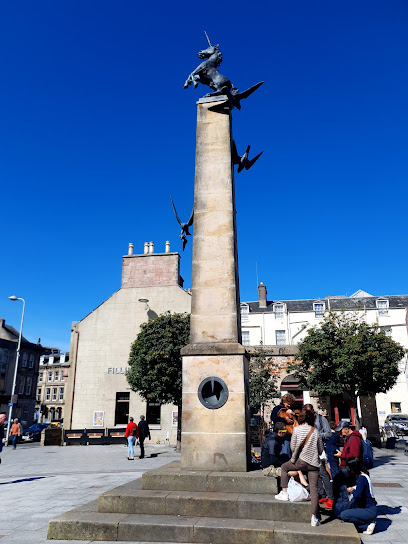
Essential places to dine

Heathmount Hotel
0.2 km
Cozy boutique hotel with stylish rooms, acclaimed British dining, and a welcoming atmosphere in the heart of Inverness.
Little Italy
0.5 km
Experience authentic Italian flavors and warm hospitality in the cozy heart of Inverness at Little Italy, a beloved local gem.
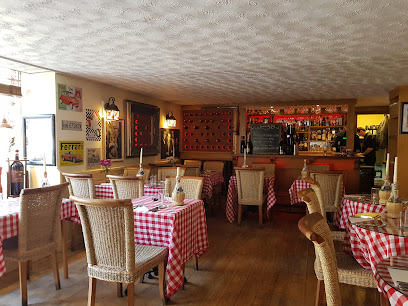
Fig & Thistle
0.5 km
Cozy modern Scottish bistro in Inverness serving fresh, locally sourced dishes with warm hospitality and a boutique atmosphere.
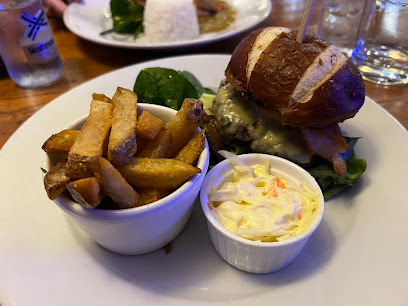
Cafe 1
0.6 km
Experience the best of Highland cuisine with locally sourced dishes and warm hospitality in the heart of Inverness.
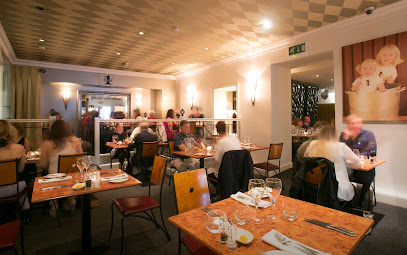
La Tortilla
0.6 km
Experience authentic Spanish tapas and paella in Inverness’s oldest and most beloved tapas bar, blending vibrant flavors with Highland charm.
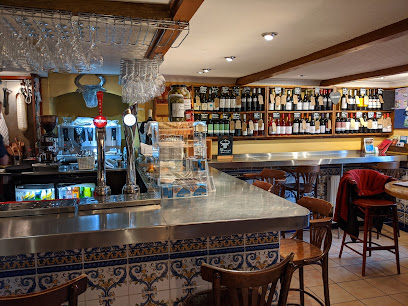
Number 27 Bar and Kitchen
0.6 km
Experience the best of Scottish cuisine at Number 27 Bar and Kitchen in Inverness – where every meal tells a story.
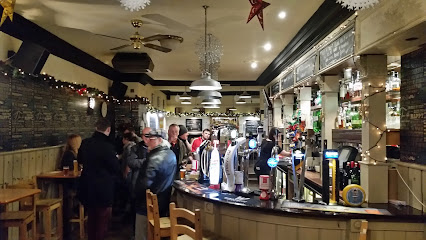
Loch & Larder
0.6 km
Casual Inverness eatery serving hearty comfort food with a friendly vibe and convenient daily hours.

Aye Eat
0.6 km
Experience bold Scottish flavors and warm Highland hospitality in the heart of Inverness at Aye Eat.
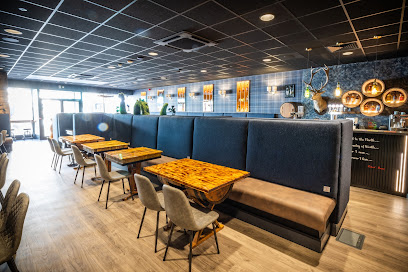
Ash
0.7 km
Contemporary Scottish bistro with craft cocktails and diverse cuisine in Inverness city centre.
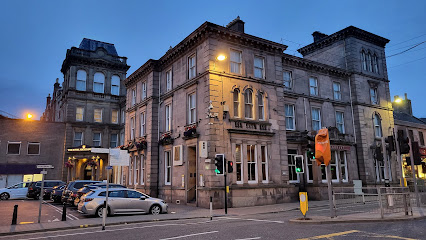
nar
0.7 km
Experience authentic Mediterranean flavors with warm hospitality in the heart of Inverness at Nar, a cozy and highly regarded restaurant.
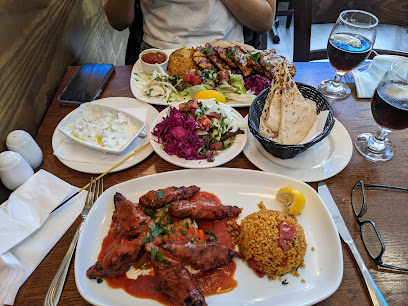
Kool Runnings
0.7 km
Experience vibrant Jamaican flavors and lively Caribbean vibes in the heart of Inverness at Kool Runnings.
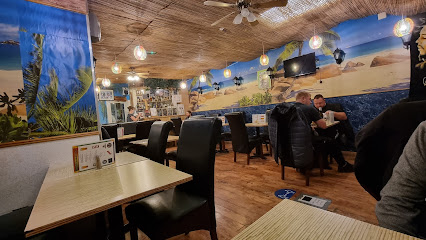
Zizzi - Inverness
0.8 km
Experience vibrant Italian flavors and fresh pasta delights in the heart of Inverness with a welcoming atmosphere and scenic river views.
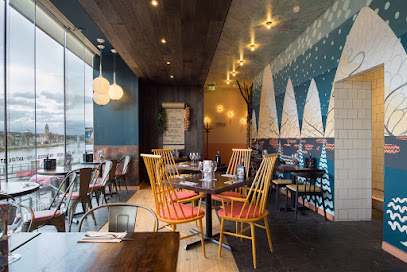
Comfort Foods
0.8 km
Cozy café in Inverness serving hearty homemade meals with fresh local ingredients and generous portions all day long.
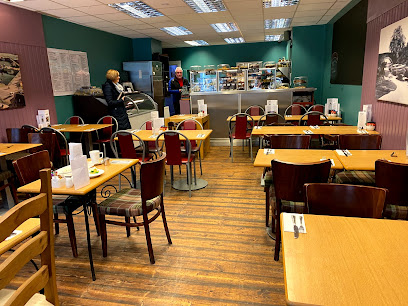
Salt’N’Fire
0.8 km
The UK’s first fully vegan takeaway, serving bold, globally inspired street food in the heart of Inverness’s Victorian Market.
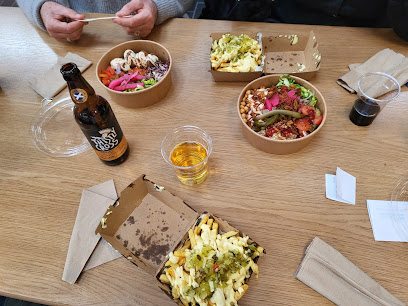
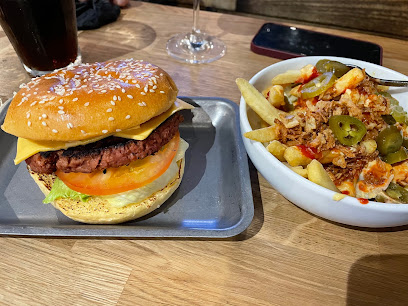
Coyote Burger
0.8 km
Savor premium burgers and vibrant vibes with scenic River Ness views in the heart of Inverness city centre.
Markets, malls and hidden boutiques

The Drawing Room
0.3 km
Discover unique, locally crafted gifts in a warm, inviting Inverness boutique that celebrates Highland creativity and culture.
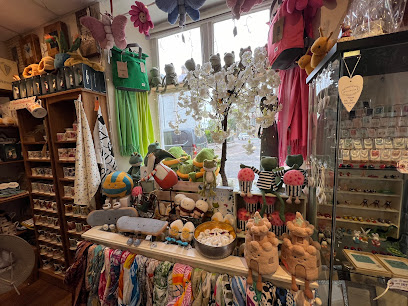
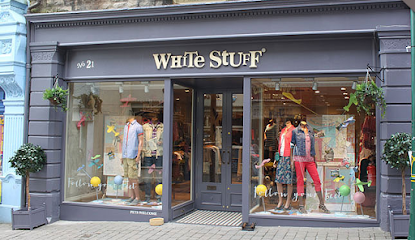
White Stuff Inverness
0.6 km
Discover stylish, affordable clothing and accessories for the whole family at White Stuff Inverness, nestled in the vibrant Eastgate Shopping Centre.
Rouge Boutiques
0.6 km
Discover personalized style and expert fittings at Rouge Boutiques, Inverness’ destination for elegant womenswear and exceptional service.
Souvenir & Gift shop
0.6 km
A convenient Highland gift shop in Inverness’s main shopping district, offering tartan souvenirs, Nessie memorabilia, and traditional Highland wear.
Highland tweeds Inverness
0.6 km
Discover authentic Harris Tweed craftsmanship and timeless Highland style in the warm, welcoming boutique of Highland Tweeds Inverness.
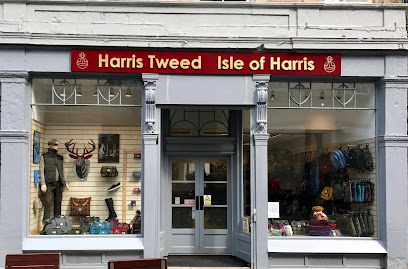
Harris Tweed Isle Of Harris
0.6 km
Discover authentic Harris Tweed heritage and craftsmanship in Inverness with timeless woollen fabrics, clothing, and accessories.
Unique Ness
0.6 km
Discover Unique Ness, Inverness’s boutique home furniture shop offering distinctive pieces and creative homeware in Eastgate Shopping Centre.
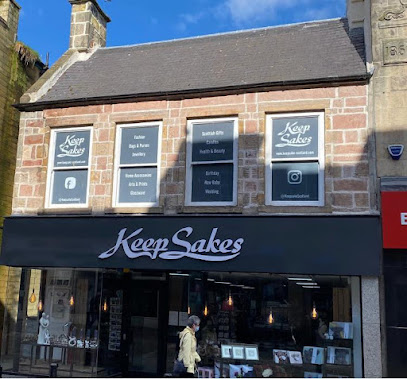
Keepsake Scotland
0.6 km
Discover unique Scottish gifts and heartfelt souvenirs in the welcoming heart of Inverness at Keepsake Scotland.
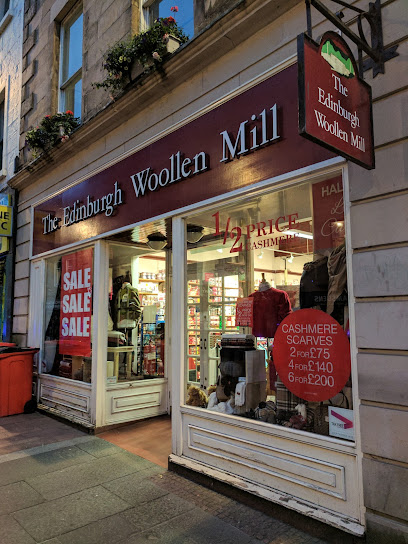
The Edinburgh Woollen Mill
0.6 km
Explore authentic Scottish woollen fashion and timeless knitwear at The Edinburgh Woollen Mill in Inverness’ historic city centre.
The Highlander Store
0.6 km
Discover authentic Scottish heritage and unique Highland gifts at The Highlander Store, Inverness’s premier destination for souvenirs and fashion accessories.
The Works
0.6 km
Affordable arts, crafts, books, and stationery in the heart of Inverness’s bustling High Street.
Isle of Skye Candle Company - Inverness
0.6 km
Authentic hand-poured candles inspired by the Scottish Highlands, crafted with care in Inverness’s family-run boutique.
Farm & Household Stores
0.7 km
Inverness’s largest independent homewares store offering quality kitchenware, furniture, and household essentials with a family-run touch.
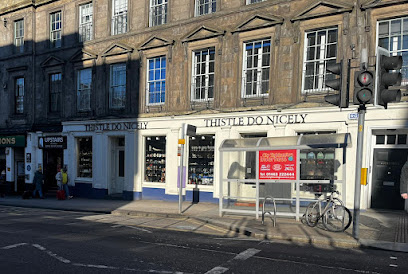
Thistle Do Nicely
0.7 km
Authentic Scottish gifts and souvenirs in the heart of Inverness, where warm hospitality meets curated Highland heritage.
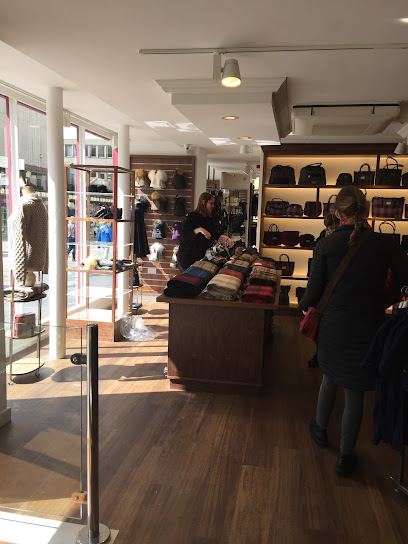
House of Highlands
0.7 km
Discover authentic Scottish Highland dress and handcrafted kilts at Inverness’s House of Highlands, a cultural gem in the heart of the Highlands.
Essential bars & hidden hideouts

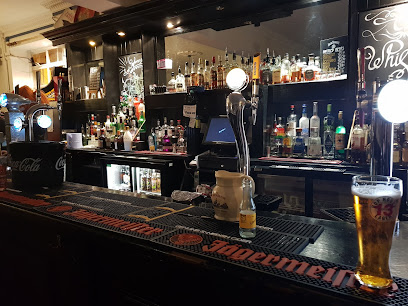
The Tooth & Claw
0.7 km
Inverness’s vibrant rock and live music bar offering rustic charm, local brews, and an inclusive, lively atmosphere.
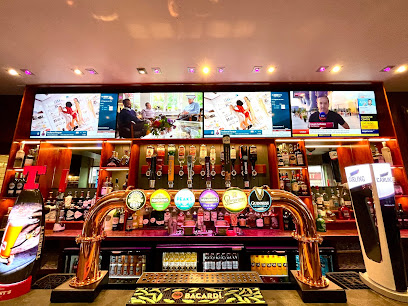
The Imperial
0.7 km
A lively traditional Scottish pub and sports bar in Inverness, offering great drinks, hearty pub grub, and nonstop sports action on big screens.
Caledonian
0.7 km
A lively and affordable Scottish pub on Inverness High Street, perfect for classic pub fare and spirited local atmosphere.
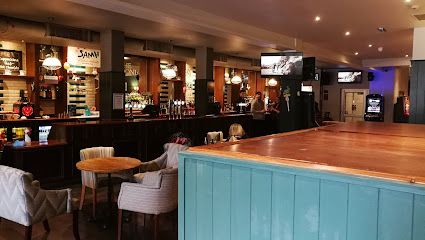
Revolution Inverness
0.7 km
Trendy city-centre bar and restaurant in Inverness known for lively vibes, cocktails, and comfort food favorites.
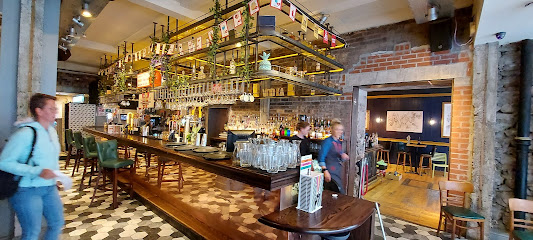
Lauders
0.7 km
Experience the vibrant spirit of Inverness at Lauders Bar, where tradition meets lively nightlife and warm Scottish hospitality.
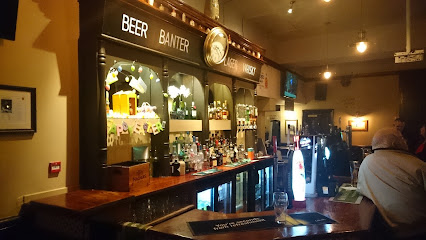
The Gunsmiths Bar
0.8 km
A lively Inverness bar with historic charm, mezzanine views, affordable drinks, and a welcoming atmosphere near the River Ness.
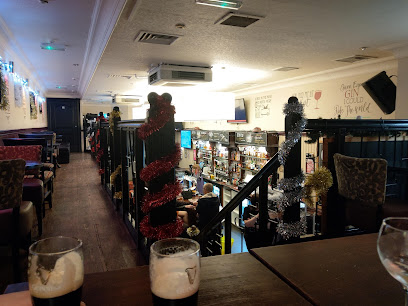
MacCallums Bar
0.8 km
Experience authentic Scottish hospitality, live music, and a vibrant atmosphere at MacCallums Bar, Inverness’s beloved traditional pub.
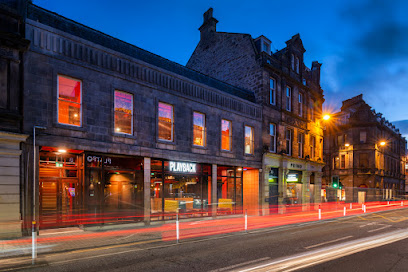
Playback
0.8 km
A lively four-story bar and restaurant in Inverness offering gourmet burgers, exclusive craft beers, rooftop vibes, and fun social games.
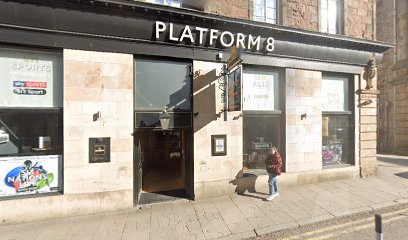
Platform 8
0.8 km
A lively Inverness pub blending classic charm with modern dining and a celebrated draft beer selection.
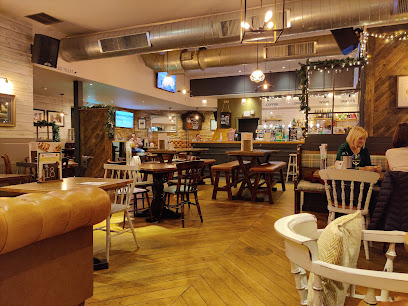
The Exchange
0.8 km
A welcoming Inverness pub offering hearty meals, great drinks, and a lively atmosphere in the city center.
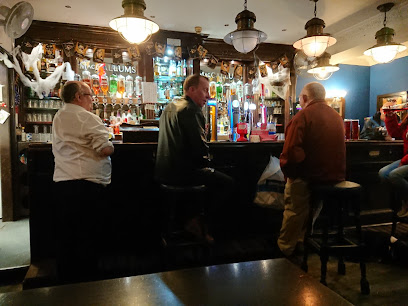
The Piano and Whisky Bar Inverness
0.8 km
Discover Inverness’s premier whisky and piano bar, blending riverside elegance with live music and an extensive malt whisky collection.
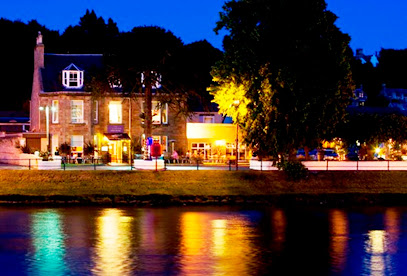
Market Bar
0.8 km
Experience authentic Scottish nightlife with live music, local ales, and a welcoming vibe at Inverness’s Market Bar on Church Street.
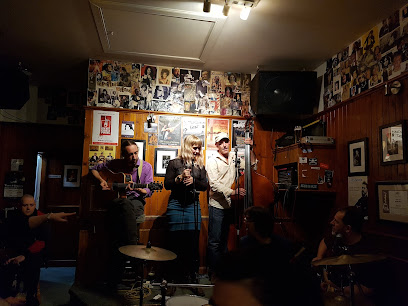
The Malt Room
0.8 km
Discover Inverness’s cozy whisky sanctuary with expert hosts, rare malts, and a warm, intimate atmosphere perfect for savoring every dram.
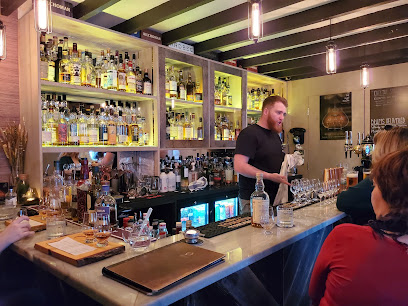
Highlander
0.8 km
Experience daily live Scottish music, authentic cuisine, and a vibrant atmosphere at Highlander Bar, Inverness’s cultural heart.
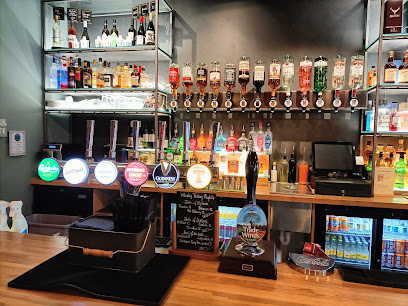
The Wee Bar
0.8 km
A cosy Inverness cocktail bar above Ness Walk, famed for masterful drinks, Highland hospitality, and a warm, intimate vibe.
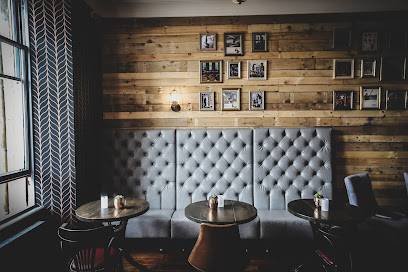
Nightclubs & after hour spots

Private Eyes Inverness
0.9 km
Experience Inverness’s vibrant nightlife at Private Eyes, where stylish decor meets great music and a welcoming party atmosphere.
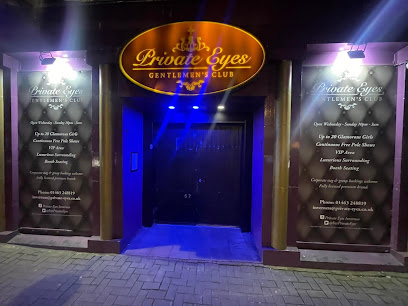
The Ross Shire Club
18.6 km
Experience Dingwall’s vibrant nightlife with a welcoming vibe, BYOB policy, and lively social scene at The Ross Shire Club.
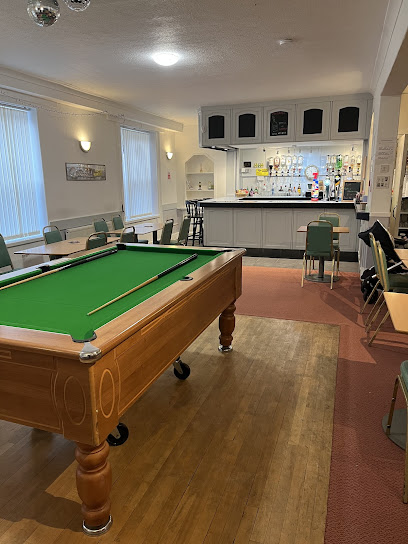
Xplosive Discos
21.2 km
Experience the vibrant nightlife at Xplosive Discos in Nairn, where unforgettable music and karaoke fun await every visitor.
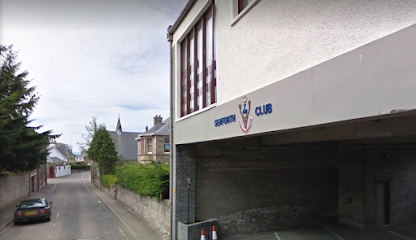
Seaforth Club
24.1 km
Experience Nairn’s vibrant social heart at Seaforth Club, where community spirit meets lively nightlife in a welcoming setting.
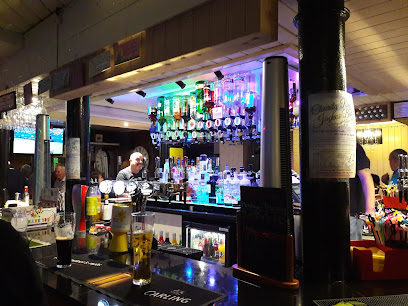
Jackos Bar & Diner
24.3 km
Discover the vibrant atmosphere and delicious grill options at Jackos Bar & Diner in Nairn, perfect for families and sports fans alike.
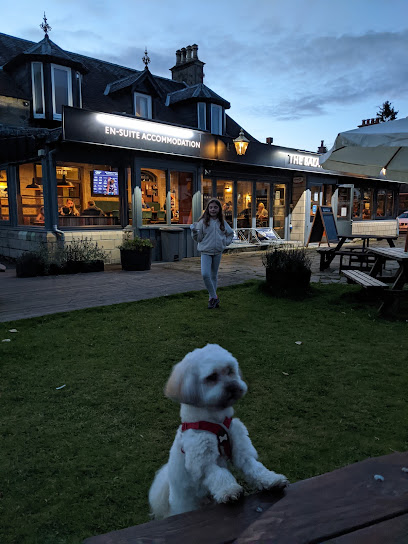
the Balavoulin
38.9 km
A lively, dog-friendly pub with hearty meals and cozy rooms, perfectly placed for exploring Aviemore and the Cairngorms.
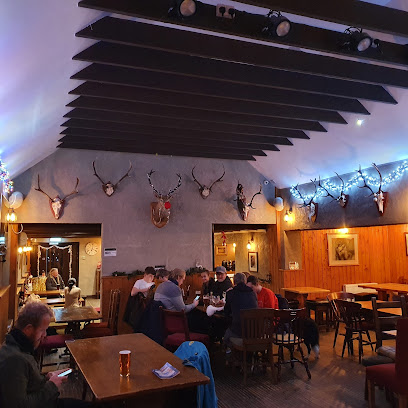
The Winking Owl, Craft Ale Pub & Bar
38.9 km
Discover The Winking Owl in Aviemore for a delightful experience of craft ales, local flavors, and a warm, inviting atmosphere.
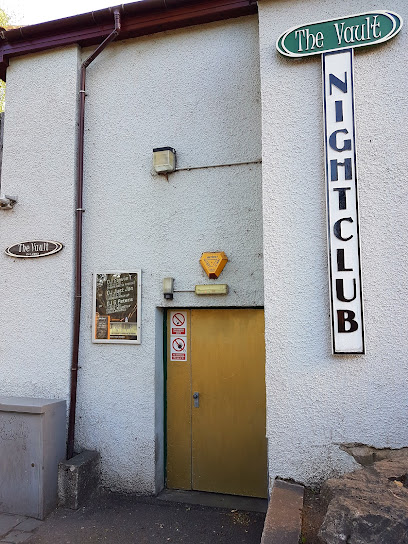
The Vault
39.2 km
Experience Aviemore’s vibrant nightlife at The Vault, a lively nightclub blending modern beats with Highland charm every weekend.
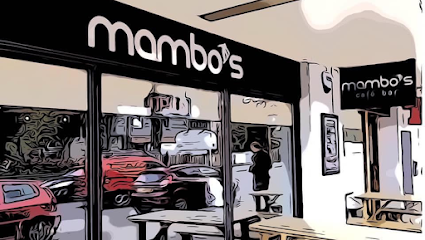
Mambos
39.3 km
Experience the vibrant nightlife at Mambos in Aviemore, where local charm meets a lively bar atmosphere for an unforgettable evening.
The Aviemore Inn pub and grill
40.0 km
Experience the warmth of Scottish hospitality at The Aviemore Inn, the perfect pub and grill in the heart of Aviemore for travelers and locals alike.
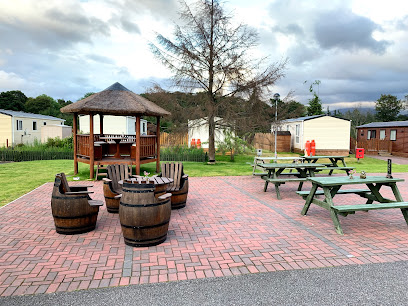
Woodshed Bar
41.5 km
Experience the warmth and charm of Woodshed Bar in Aviemore, where delightful drinks and a cozy atmosphere await you.
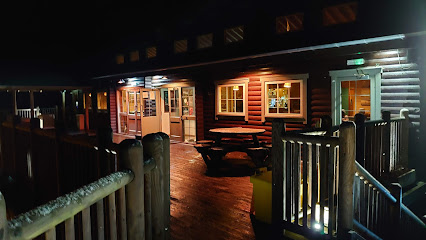
SUIE BAR
42.2 km
Discover Suie Bar: A Heartwarming Scottish Retreat in Kincraig, Perfect for Relaxation and Local Flavors.
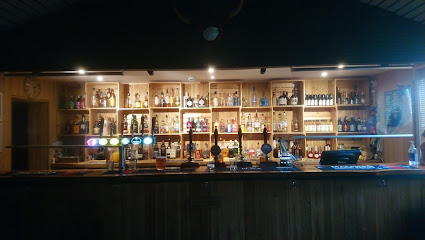
The Pine Marten Bar
46.2 km
Experience the warmth of Scottish hospitality at The Pine Marten Bar, where delicious food and breathtaking views combine for an unforgettable visit.
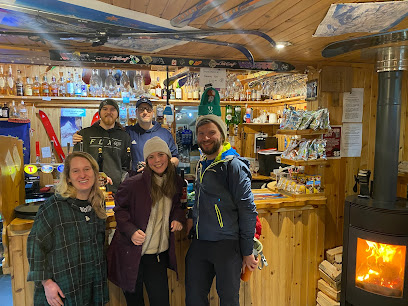
Moray Jazz Club
56.8 km
Discover the vibrant live music scene at Moray Jazz Club in Elgin, where talented musicians create unforgettable performances in an intimate setting.

Shmelgin
56.8 km
Experience the authentic flavors of Nepal at Shmelgin, Elgin's premier Nepalese restaurant, known for its warm atmosphere and delicious dishes.
For the vibe & atmosphere seeker
- Scenic
- Tranquil
- Unique
For the architecture buff
- Historic
- Landmarks
For the view chaser and sunset hunter
- Iconic Views
For the social media creator & influencer
- Photo Spots
- Architectural Shots
For the eco-conscious traveler
- Protected Area
- Leave-No-Trace Critical
For the kind of experience you’re after
- Myth & Legends
- Cultural Heritage
- Photowalk
For how adventurous you want the journey to be
- Easy Access
Location Audience
- Family Friendly
- Senior Friendly
- Solo Friendly
- Couple Friendly
- Wheelchair Access


