
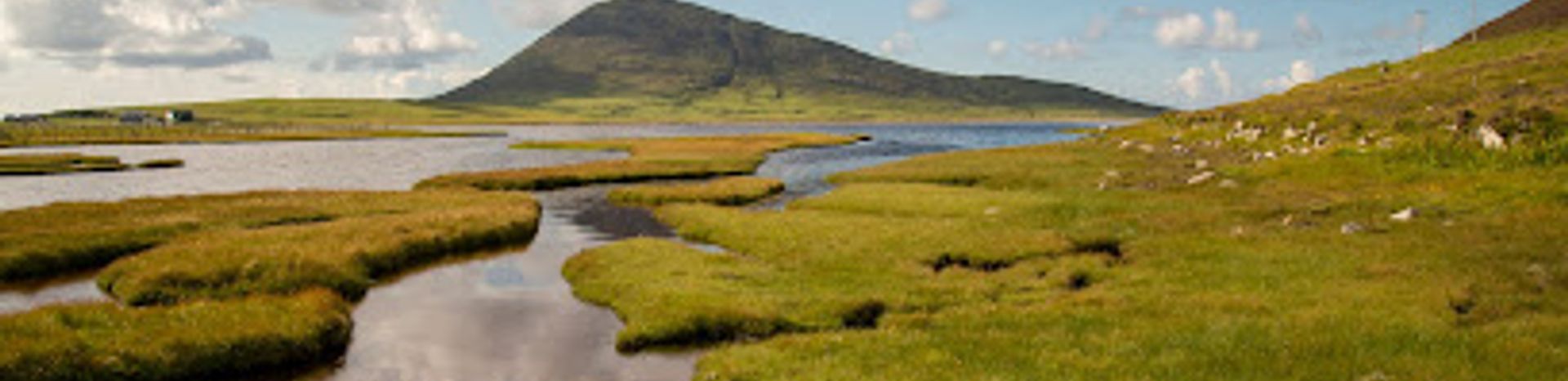
Salt Marshes of Northton on the Isle of Harris
Explore the rare and tranquil salt marshes of Northton, where tidal waters weave through grassy islets beneath the towering Ceapabhal mountain on Harris.
The Salt Marshes near Northton on the Isle of Harris offer a rare and captivating natural landscape where tidal waters meet grassy islets, creating a mosaic of land and water framed by the majestic Ceapabhal mountain. This tranquil nature reserve is a haven for wildlife and photographers, with stunning reflections at sunset and a unique ecosystem shaped by the Outer Hebrides' rugged coastline.
A brief summary to Salt Marsh
- Isle of Harris, Harris, GB
- Duration: 0.5 to 2 hours
- Free
-
 Outdoor
- Mobile reception: 3 out of 5
- Monday 12 am-12 am
- Tuesday 12 am-12 am
- Wednesday 12 am-12 am
- Thursday 12 am-12 am
- Friday 12 am-12 am
- Saturday 12 am-12 am
- Sunday 12 am-12 am
Local tips
- Visit during sunset for spectacular reflections of Ceapabhal on the water-filled flats.
- Wear sturdy footwear as stepping stones at low tide can be very slippery.
- Bring a camera with a wide-angle lens to capture the expansive landscape and intricate water patterns.
- Park carefully in passing places on the quiet road as there is no designated parking area.

For the on-the-go comforts that matter to you
- Seating Areas
- Trash Bins
- Information Boards
Getting There
-
Car
Driving from Tarbert, the main village on Harris, takes approximately 20-30 minutes via the A859 and minor coastal roads. Parking is limited to passing places along the quiet road near the salt marshes, so plan to arrive during off-peak times. No parking fees apply.
-
Bus and Walk
Local bus services connect Tarbert to nearby villages such as Northton, with a journey time of around 30-40 minutes. From Northton village, it is a 10-15 minute walk along a minor road to reach the salt marshes. Wear suitable footwear for uneven terrain.
-
Walking
For the adventurous, walking from nearby Scarista Beach to the salt marshes is possible in about 30-45 minutes over flat coastal terrain. The path is unpaved and may be muddy after rain, so appropriate footwear is recommended.
Salt Marsh location weather suitability
-
 Any Weather
-
 Rain / Wet Weather
-
 Clear Skies
-
 Windy Conditions
-
 Mild Temperatures
Discover more about Salt Marsh
A Unique Coastal Landscape in the Outer Hebrides
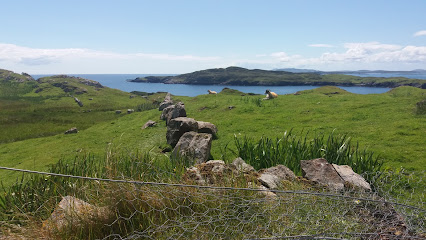
The Salt Marshes of Northton, located on the southern end of the Isle of Harris, are a rare natural phenomenon in Scotland. Unlike the typical rugged coastline of the Outer Hebrides, this area features expansive salt flats and marshes where tidal waters ebb and flow, creating a complex network of small rivers, creeks, and pools that surround grassy knolls and islands. This mosaic of land and water forms a strikingly beautiful and unusual terrain that captivates visitors with its quiet, untouched character.The Majestic Backdrop of Ceapabhal
Dominating the landscape behind the salt marshes is Ceapabhal, a 1200-foot mountain that provides a dramatic and iconic backdrop. Its presence enhances the visual appeal of the marshes, especially at sunset when the western-facing flats reflect the mountain’s outline and the vibrant colors of the sky. Photographers and nature lovers are drawn to this interplay of light and landscape, capturing panoramic views that highlight the serene beauty of the area.Ecological Significance and Wildlife Habitat
The salt marshes represent an important ecological habitat where specially adapted plants thrive in saline conditions. This environment supports a variety of bird species and other wildlife, making it a valuable nature reserve within the Outer Hebrides. The unique conditions of the marshes, influenced by twice-daily tides, create a dynamic ecosystem that is both fragile and vital to local biodiversity.Visitor Experience and Scenic Opportunities
Visitors to the salt marshes can enjoy peaceful walks along the edges of the flats, observing the intricate patterns formed by water channels and islets. The area offers excellent opportunities for photography, particularly during the golden hours of sunrise and sunset. While there is no designated parking, the quiet nearby roads allow for convenient access. The surrounding beaches and hills complement the experience, offering additional scenic viewpoints and a sense of remoteness.Local Culture and Nearby Attractions
The salt marshes are situated near the small village of Northton, known for its traditional island charm. The broader Isle of Harris is rich in cultural heritage, with historic sites, weaving workshops, and galleries scattered across the island. Visitors often combine a visit to the marshes with exploring nearby beaches such as Scarista and Luskentyre, renowned for their white sands and turquoise waters.Preserving a Rare Natural Treasure
As a protected area, the salt marshes benefit from local conservation efforts aimed at maintaining their ecological integrity and natural beauty. Visitors are encouraged to respect the environment by following leave-no-trace principles and appreciating the delicate balance of this unique habitat. The salt marshes stand as a testament to the diverse and wild landscapes that define the Isle of Harris and the Outer Hebrides.Iconic landmarks you can’t miss

Temple Harris
0.5 km
A modern café and deli in Northton, Isle of Harris, serving great coffee, soups and local produce with stunning sea views across the bay.
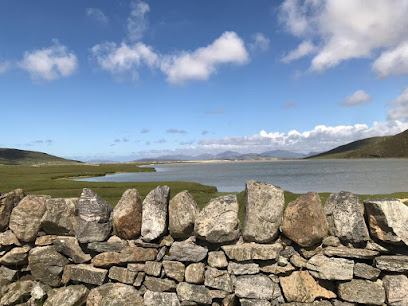
Sound of Harris
6.4 km
A dramatic eight-mile maritime passage through Scotland's remote Outer Hebrides, where tidal waters and rocky islands create an unforgettable crossing.

Pairc an t-Srath Guest House
6.7 km
Charming guest house on Isle of Harris with stunning sea views, warm hospitality, and delicious home-cooked meals near beautiful beaches.
Harris House
19.3 km
Discover the perfect blend of care and natural beauty at Harris House in the enchanting Isle of Harris.
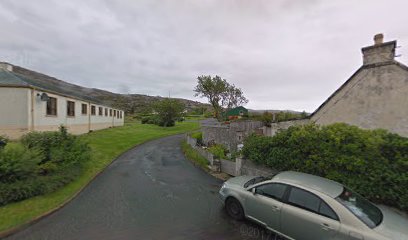
Visit Outer Hebrides
20.1 km
Your essential gateway to exploring the wild beauty and rich Gaelic culture of Scotland’s Outer Hebrides islands.
Eilean Glas Lighthouse
25.7 km
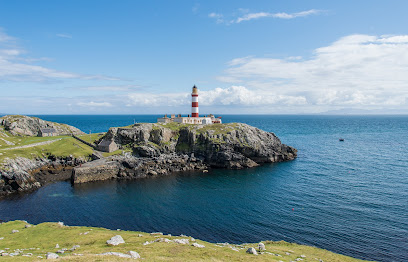
A historic white lighthouse on the wild northern tip of the Isle of Scalpay, offering sweeping sea views and a taste of remote Hebridean life.
Clan MacLeod Memorial Cairn
35.7 km
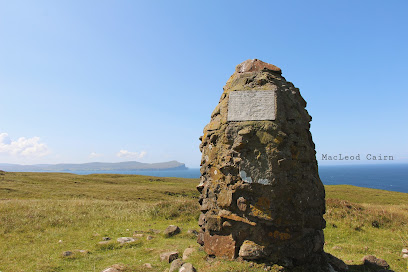
A windswept stone cairn on Skye’s east coast, honoring the legacy of Clan MacLeod and their deep roots in the Hebrides.
Ardmore Arches
37.1 km
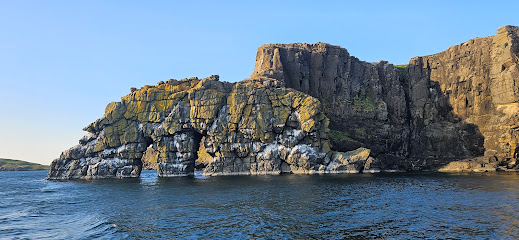
Discover the rugged beauty of Ardmore Arches, striking natural sea arches on Skye’s wild Waternish Peninsula.
Neist Point Lighthouse
44.8 km
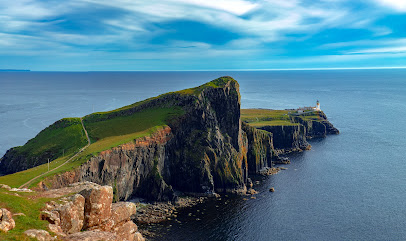
Iconic lighthouse on Skye’s westernmost point, framed by dramatic cliffs and rich wildlife, perfect for stunning coastal views and serene walks.
Old Ruins
48.4 km
Discover the haunting Old Ruins near Portree, where ancient history and rugged coastal beauty converge on the Isle of Skye.
Dun Osdale
50.0 km
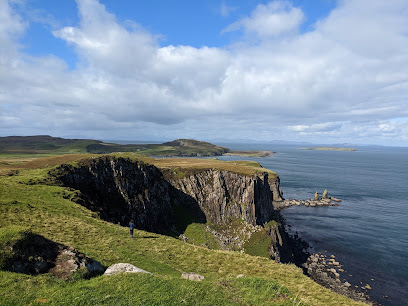
Discover Dun Osdale, an ancient Iron Age fort on Skye where history meets faerie legend amidst rugged coastal beauty.
Iron age broch
55.1 km
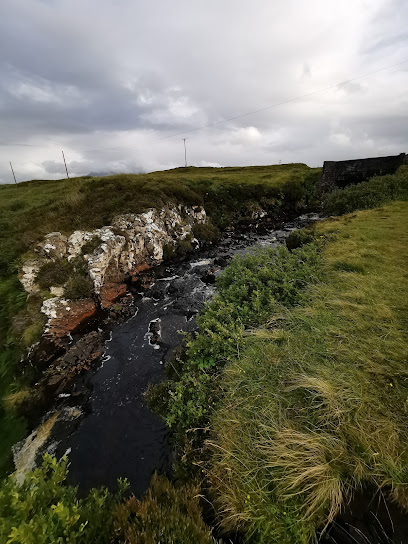
Explore a uniquely Scottish Iron Age broch perched above Portree, revealing ancient stone craftsmanship and commanding views of Skye’s dramatic landscape.
Clachan Erisco Standing stones, Borve, Isle of Skye
62.0 km
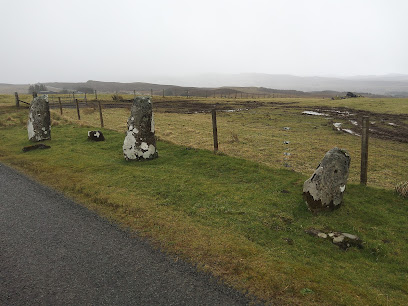
Discover the timeless mystery of Clachan Erisco Standing Stones, where ancient history meets Skye’s wild coastal beauty.
historic scotland
67.0 km
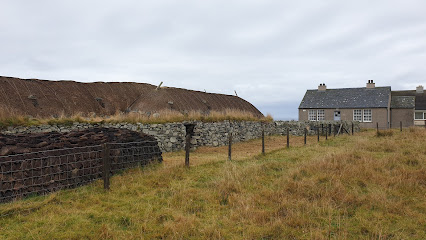
Explore the historical essence of The Blackhouse in Arnol, Isle of Lewis, where traditional Scottish life comes alive amidst stunning landscapes.
The Lump
67.5 km
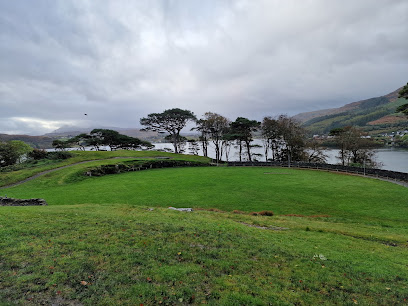
Discover the breathtaking beauty of The Lump in Portree, where stunning coastal views and rich Scottish culture await every traveler.
Unmissable attractions to see

Croft36
0.3 km
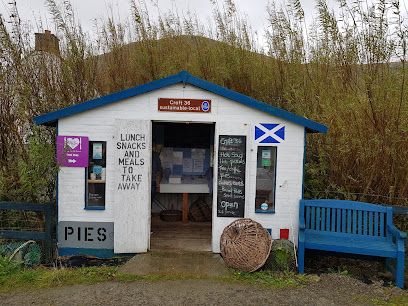
Discover the honest charm of Croft36, a cozy bakery shed on Isle of Harris serving fresh, sustainable, and locally crafted delights.
Hebrides People Visitor Centre
0.7 km
Discover the rich heritage and genealogy of the Western Isles at the Hebrides People Visitor Centre in Northton, Isle of Harris.
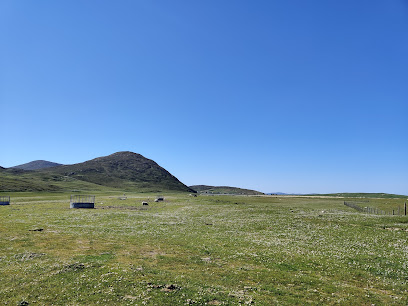
Sgarasta Mhòr Beach
2.5 km
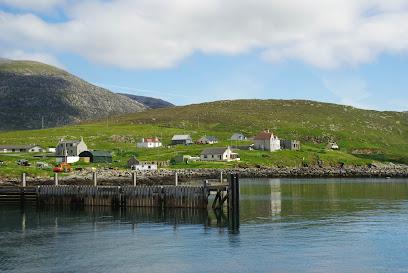
Discover the wild golden sands and Atlantic waves of Sgarasta Mhòr Beach, a breathtaking coastal escape on the Isle of Harris.
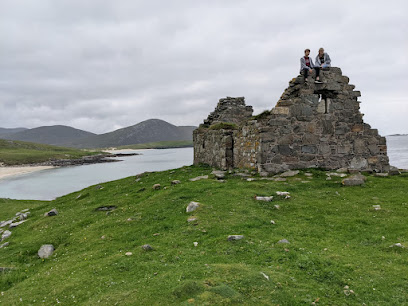
The temple
2.7 km
A tranquil ruin nestled in the rugged beauty of Isle of Harris, offering a quiet glimpse into the island’s historic past.
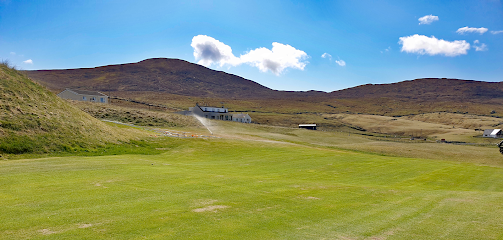
The Isle of Harris Golf Club
4.0 km
Experience a stunning 9-hole links course with breathtaking coastal views and rich Hebridean heritage on the Isle of Harris.
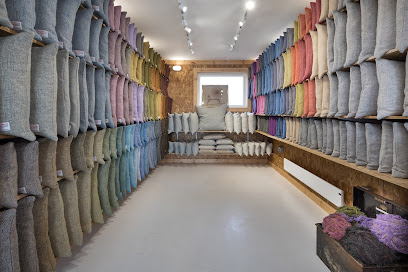
Borrisdale Tweed
4.3 km
Explore Borrisdale Tweed on the Isle of Harris for unique Scottish textiles and homewares, showcasing the artistry and heritage of Harris Tweed.
Bagh Steinigidh
4.5 km
Discover the tranquil beauty and sweeping coastal views of Bagh Steinigidh, a serene beach gem on the Isle of Harris’s wild west coast.
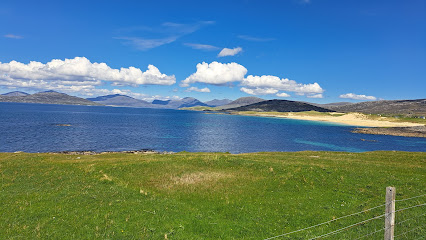
Small Beach
4.5 km
A serene and unspoiled coastal retreat on the Isle of Harris, perfect for peaceful beach walks and nature immersion.
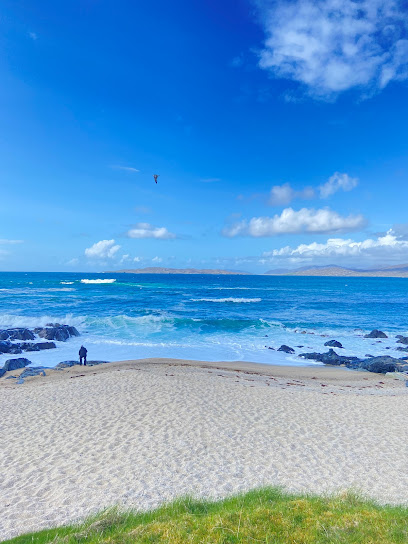
Talla na Mara Gift Shop
7.6 km
Discover authentic island crafts and community spirit at Talla na Mara Gift Shop, a cultural gem on the scenic Isle of Harris.
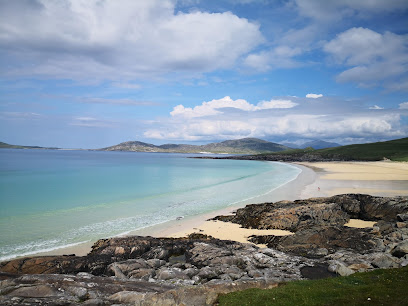
Nisabost Beach
8.2 km
Golden sands and wild Atlantic horizons on Harris's most accessible beach.
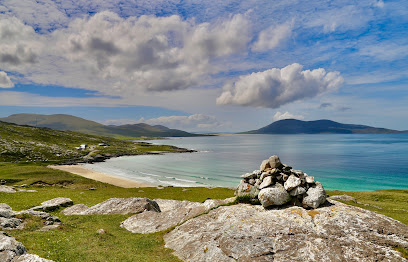
MacLeod´s Stone
8.5 km
Discover the towering Neolithic mystery of MacLeod's Stone on Harris, where ancient legend meets breathtaking coastal scenery.
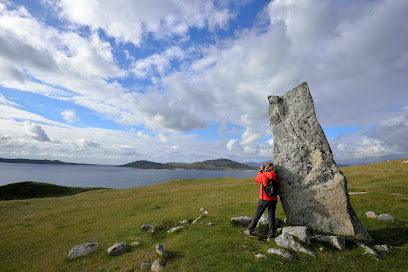
Clach Mhic Leoid,standing stone
8.5 km
Discover the ancient mystery and breathtaking coastal beauty of Clach Mhic Leoid, a towering Neolithic standing stone on the Isle of Harris.
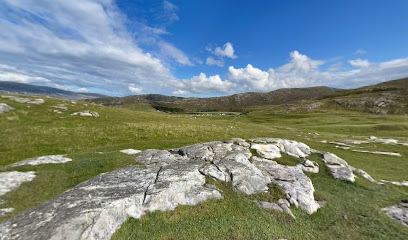
Blas Bhon Iar
8.6 km
Savor authentic local takeaway dishes with a warm welcome in scenic Horgabost on the Isle of Harris.
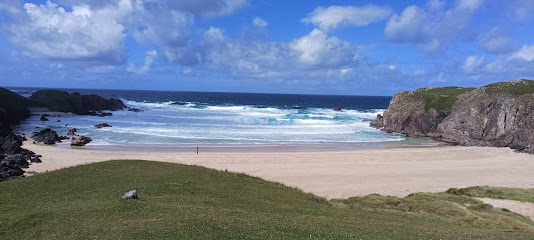
The Mission House Studio Ltd
8.7 km
A converted stone church studio on the Isle of Harris showcasing evocative photography and innovative ceramics inspired by wild Atlantic landscapes.
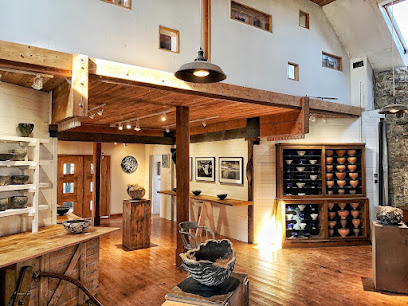
St Clement's Church : Rodel
8.7 km
Discover the grand medieval church of Clan MacLeod’s chiefs on Harris, rich in history, art, and Gaelic heritage.
Essential places to dine

Scarista House
3.2 km
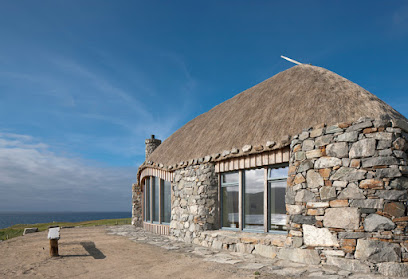
Historic Georgian elegance meets stunning Atlantic views in this remote boutique hotel on the Isle of Harris.
Òran na Mara
3.9 km
Experience the perfect blend of traditional Hebridean charm and modern luxury with breathtaking views over Scarista beach on the Isle of Harris.
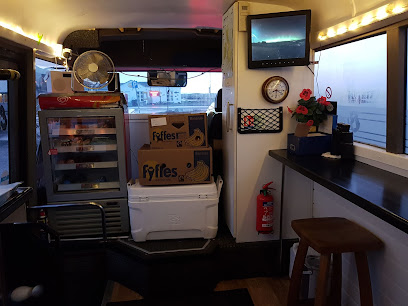
Butty Bus
4.2 km
A cozy, no-nonsense café at Leverburgh ferry terminal serving fresh local fish and chips with charming harbor views.
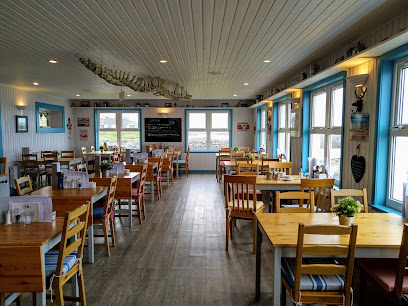
The Anchorage Restaurant, Cafe & Bar
4.2 km
Fresh seafood and local flavors served with stunning harbour views in a relaxed, welcoming setting on Leverburgh’s pier.
Lingay House
4.4 km
Experience warm hospitality, modern comfort, and stunning loch views at Lingay House, a charming B&B and restaurant on the Isle of Harris.
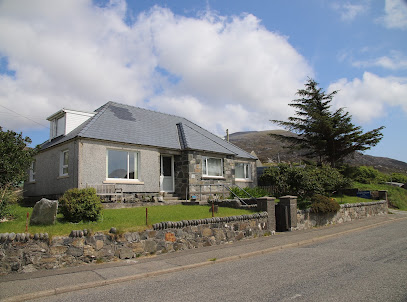
Talla na Mara Restaurant
7.6 km
Community-focused dining with stunning coastal views and fresh, inclusive menus on the Isle of Harris.
Bays Of Harris Community Centre
13.5 km
A welcoming cultural hub on the Isle of Harris offering hearty local fare, lively ceilidhs, and vibrant community spirit in a scenic coastal setting.
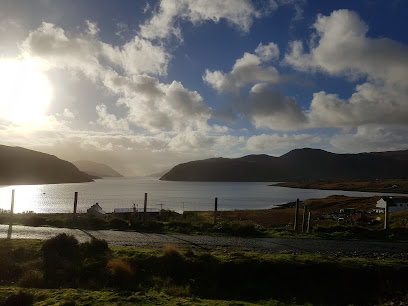
Amhuinnsuidhe Castle
18.5 km
Exclusive 19th-century Scottish Baronial castle on Harris offering luxury stays, world-class fishing, and breathtaking Hebridean views.
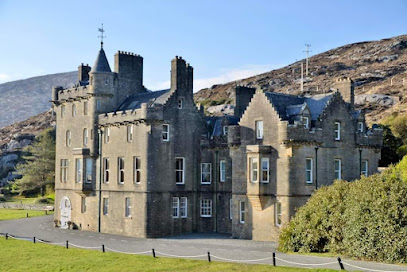
Harris Hotel
18.8 km
Experience authentic island charm, warm hospitality, and local flavors at Harris Hotel, your cozy retreat in the heart of Tarbert, Isle of Harris.
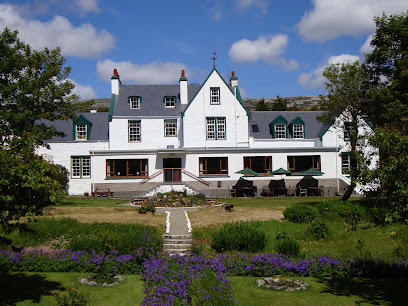
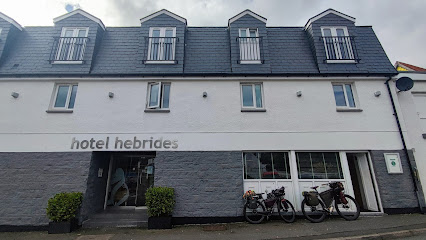
Hotel Hebrides
19.0 km
Experience comfort and local charm at Hotel Hebrides in Tarbert—your gateway to exploring the breathtaking Isle of Harris.
Pierhouse Cafe And Restaurant
19.1 km
A refined waterfront dining experience in Tarbert, offering fresh Hebridean seafood and warm hospitality with stunning harbour views.
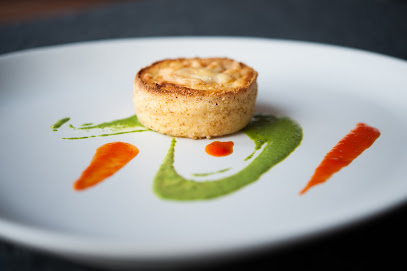
Flavour
19.8 km
Discover an immersive chef’s table experience with locally foraged fine dining in the heart of the Isle of Harris.
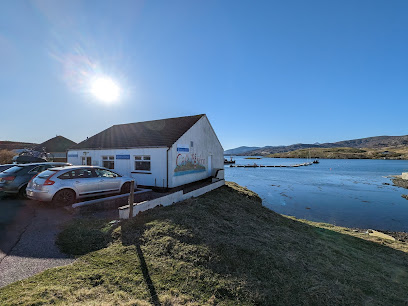
North Harbour Bistro
23.0 km
Exquisite seafood dining with stunning harbour views and warm island hospitality on the Isle of Scalpay.
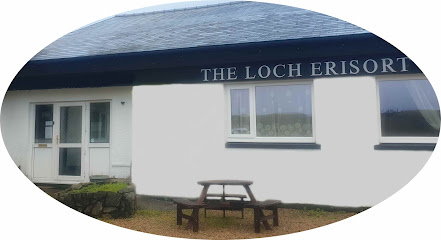
Loch Erisort Hotel
41.0 km
A welcoming Hebridean inn with spacious rooms, stunning loch views, and hearty local cuisine on the tranquil Isle of Lewis.
Loch Bay Restaurant
43.0 km
Intimate Michelin-starred seafood dining in a cozy cottage overlooking the stunning waters of Loch Bay on the Isle of Skye.
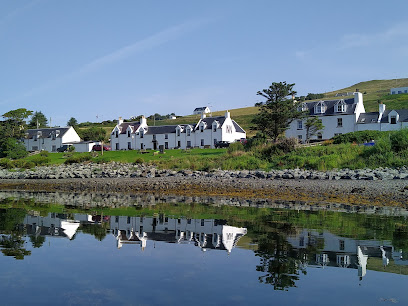
Markets, malls and hidden boutiques

Taobh Tuath Tweeds
0.7 km
Discover authentic Harris Tweed weaving and island heritage at Taobh Tuath Tweeds in Northton, Isle of Harris.
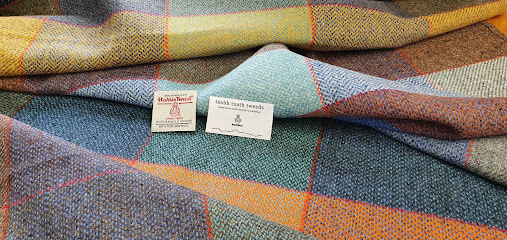
The Hebridean Mustard Company
2.8 km
Discover artisanal mustards crafted with passion and natural ingredients at the iconic Hebridean Mustard hut in Leverburgh, Isle of Harris.
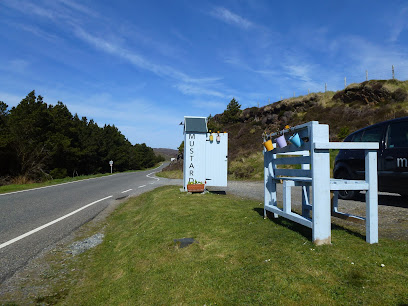
Harris Community Shop (An Clachan)
4.2 km
A well-stocked, community-owned shop serving as the essential retail and social hub in Leverburgh on the Isle of Harris.
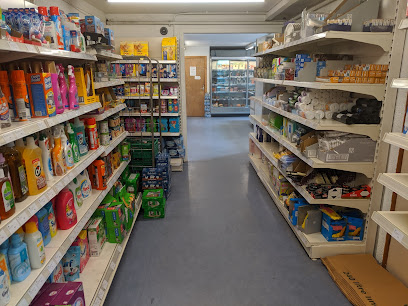
Woven & Wild
5.2 km
Discover authentic, sustainable Hebridean homewares crafted with care in Scarista, Isle of Harris.
Grannie Annie's
7.2 km
Discover the quirky charm and authentic Hebridean spirit at Grannie Annie's, a beloved gift shop on the Isle of Harris.
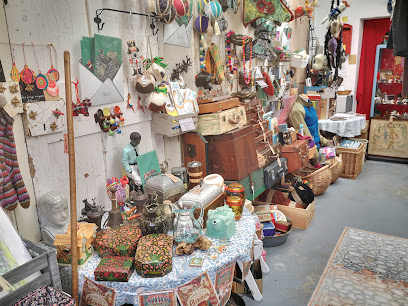
Luskentyre Beach Hut
11.8 km
A charming trust-based gift hut offering local crafts and refreshments with stunning views over Luskentyre Bay on the Isle of Harris.
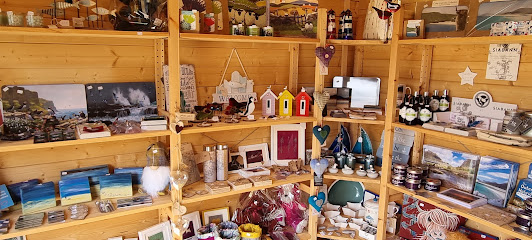
David's sausages
16.0 km
Discover handcrafted local sausages steeped in Isle of Harris tradition, crafted for food lovers seeking authentic island flavors.

Harris Tweed and Knitwear
18.5 km
Authentic handwoven Harris Tweed products crafted in the Outer Hebrides, blending heritage, quality, and island tradition.
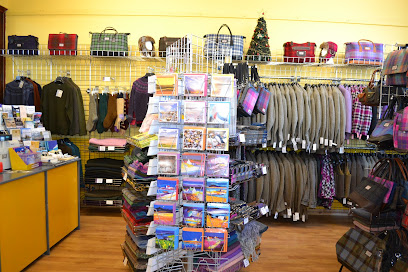
Harris Tweed Isle Of Harris Shop
18.8 km
Discover authentic Harris Tweed craftsmanship and timeless island heritage in the heart of Tarbert, Isle of Harris.
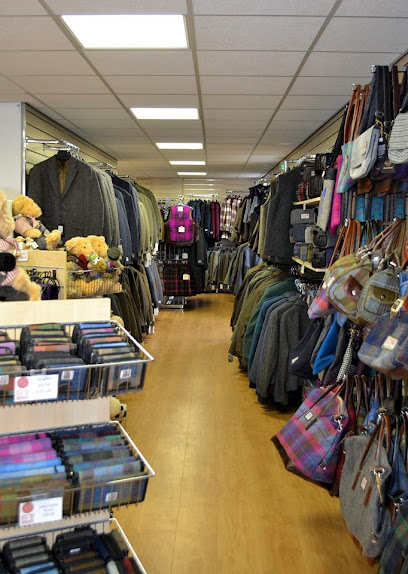
Blamire at Harris
19.0 km
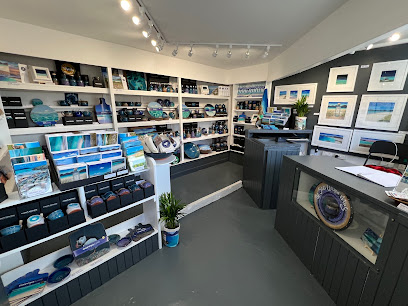
A split-level gift shop in Tarbert showcasing handcrafted ceramics, original oil paintings, and authentic souvenirs from the Isle of Harris.
Akrams General Store
19.0 km
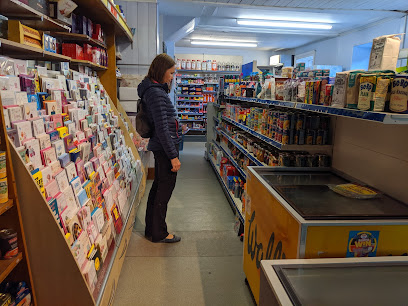
Akrams General Store offers authentic local goods and essentials in the heart of Tarbert, Isle of Harris, blending convenience with Hebridean charm.

John Morrisons Newsagents
19.0 km
A welcoming local hub in Tarbert offering essentials and island charm on the Isle of Harris.
Essence of Harris
19.1 km
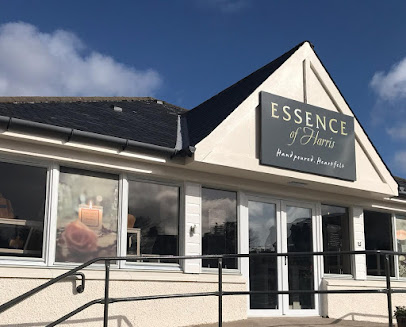
Discover the essence of the Isle of Harris through handcrafted, sustainably made candles and homewares inspired by the island’s natural beauty.
Tarbert charity shop
19.1 km
Explore Tarbert Charity Shop, a unique thrift store on the Isle of Harris, where every purchase supports local charities and sustainability.
The Wee Croft Shop - Isle of Harris
19.9 km
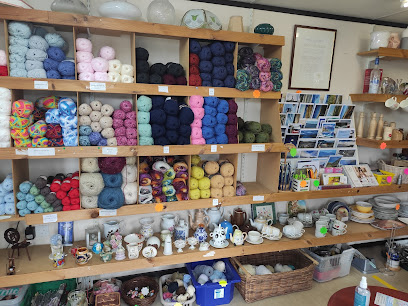
Discover authentic Harris crafts and unique gifts at The Wee Croft Shop in Tarbert, a charming local treasure celebrating island heritage.
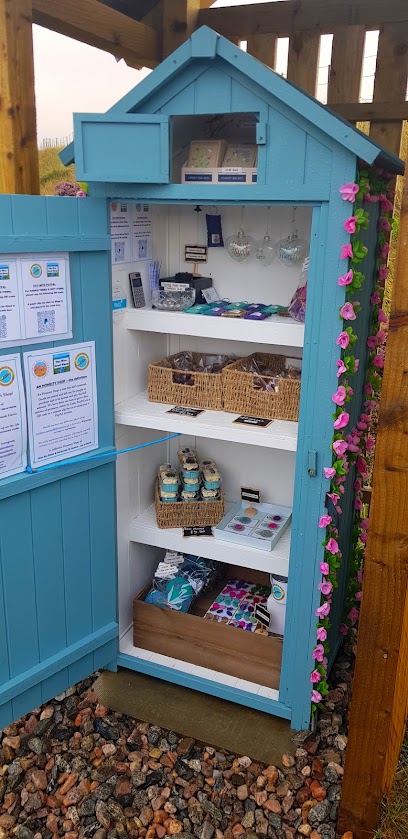
Essential bars & hidden hideouts

The Bothy
3.6 km
A cozy pub and café in Leverburgh offering local ales, hearty meals, and warm island hospitality on the Isle of Harris.
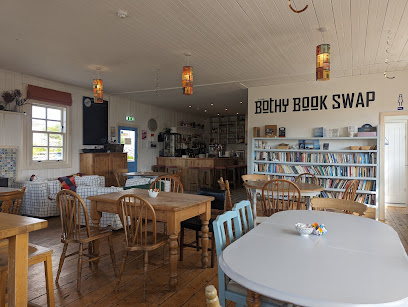
Isle of Harris Brewery
4.2 km
Crafting island-brewed beers and fresh Hebridean fare in a lively waterfront taproom on the Isle of Harris.
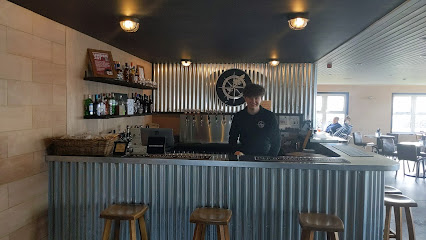
Ardhasaig House Hotel and Restaurant
18.7 km
A tranquil Hebridean escape offering cozy rooms, exquisite local cuisine, and stunning mountain and sea views on the Isle of Harris.
Westford Inn
32.3 km
A cozy Hebridean pub on North Uist offering hearty local cuisine, craft ales, and warm island hospitality in a traditional stone setting.
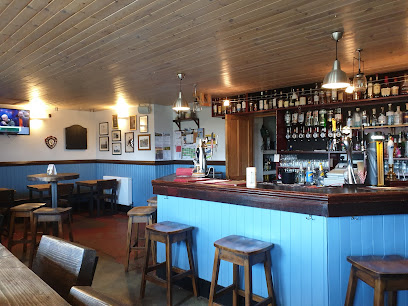
The Stein Inn
42.9 km
Historic pub and hotel on Skye offering fresh seafood, cozy rooms, and stunning Loch Bay views in a charming coastal village.
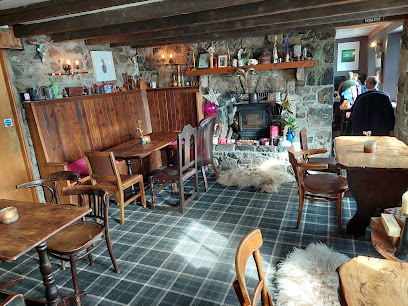
The Ferry Inn
47.9 km
A stylish 19th-century inn in Uig offering cozy rooms, exceptional local cuisine, and stunning views over Skye’s northern bay.
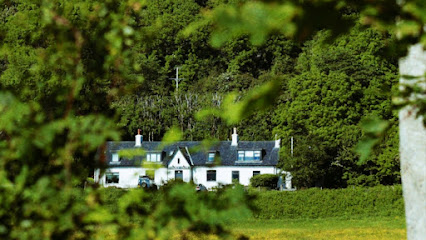
THE HARBOUR BAR
60.3 km
A warm, inviting bar in Stornoway offering local brews, hearty Scottish fare, and live music in the heart of the Isle of Lewis.
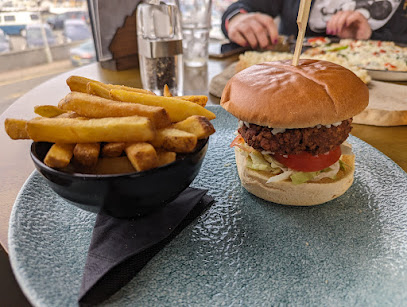
The Criterion Bar
60.4 km
A cozy, traditional Scottish bar in Stornoway known for its friendly service, quality drinks, and authentic Hebridean atmosphere.
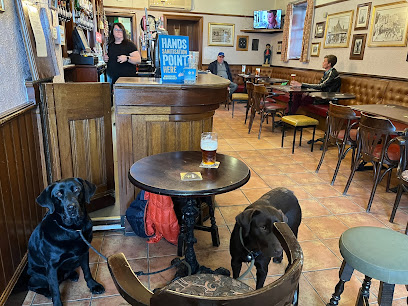
Stornoway Distillers @ The Fank
60.4 km
Experience authentic Hebridean flavors and craft gin in the heart of Stornoway’s vibrant culinary scene.
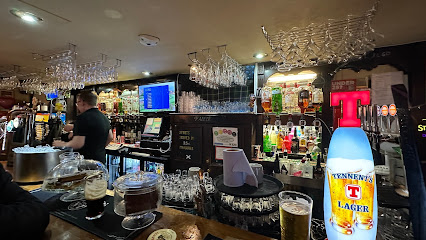
McNeills
60.4 km
Experience Stornoway’s vibrant live music and warm hospitality at McNeills, a historic bar with authentic Hebridean spirit.
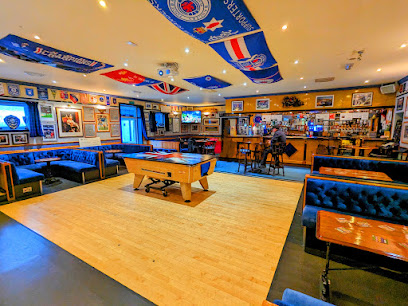
Lewis & Harris Rangers Supporters Club
60.5 km
A spirited social hub and the world’s largest Rangers supporters club, uniting fans in Stornoway with football passion and community warmth.
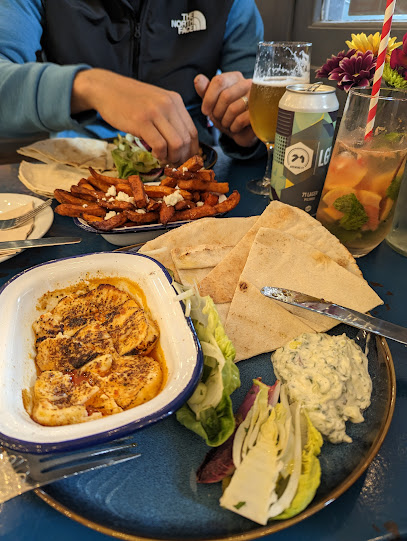
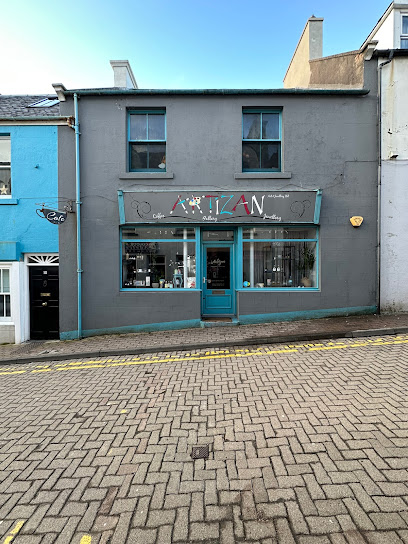
Artizan
60.6 km
Artizan blends local flavors, creative cocktails, and unique crafts in a warm, welcoming café and event space in the heart of Stornoway.
The Isles Inn
67.1 km
A lively traditional pub and cozy inn in Portree, offering hearty Scottish fare, live folk music, and comfortable rooms in the heart of Isle of Skye.
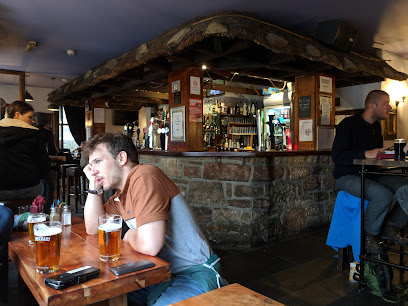
West Highlands Bar
67.2 km
Cozy Highland pub in Portree offering local whiskies, Isle of Skye brews, live music, and a warm, inviting atmosphere year-round.
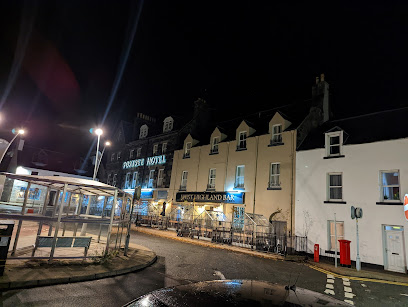
Merchant Bar
67.3 km
Experience authentic Isle of Skye hospitality with local ales, fine whiskies, and hearty Highland fare in the cozy Merchant Bar of Portree.
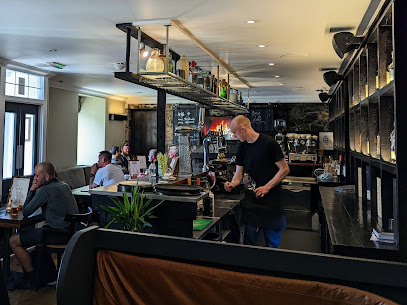
Nightclubs & after hour spots

Number 5
18.3 km
Charming stone cottage hostel with sea views, cozy fires, kayak rentals, and warm hospitality on the scenic Isle of Harris.
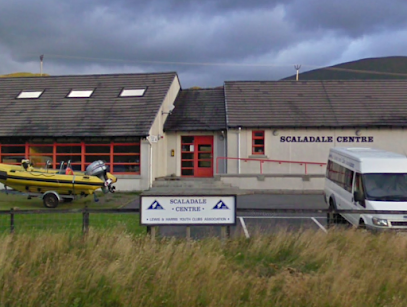
The Scaladale Centre
28.1 km
A premier outdoor adventure centre and hostel on Isle of Harris, offering year-round activities and comfortable group accommodation in stunning Hebridean surroundings.
Red fox
64.9 km
Red Fox on the Isle of Lewis: Dive into a vibrant adult entertainment scene amidst breathtaking landscapes.

Skye Camanachd Social Club
66.3 km
Experience the vibrant social heartbeat of Portree at Skye Camanachd Social Club, where tradition meets lively nightlife on the Isle of Skye.

For the vibe & atmosphere seeker
- Tranquil
- Scenic
- Relaxing
- Unique
For the view chaser and sunset hunter
- Iconic Views
- Panoramas
- Sunset Spots
For the social media creator & influencer
- Instagrammable
- Photo Spots
- Selfie Spots
For the eco-conscious traveler
- Eco-Friendly
- Protected Area
- Public-Transport Accessible
- Leave-No-Trace Critical
- Locally Managed
- Wildlife Habitat
For the kind of experience you’re after
- Nature Escape
- Photowalk
- Cultural Heritage
- Day Trip
For how adventurous you want the journey to be
- Easy Access
Location Audience
- Family Friendly
- Senior Friendly
- Child Friendly
- Solo Friendly
- Couple Friendly
- Vegetarian Friendly
- Vegan Friendly


