
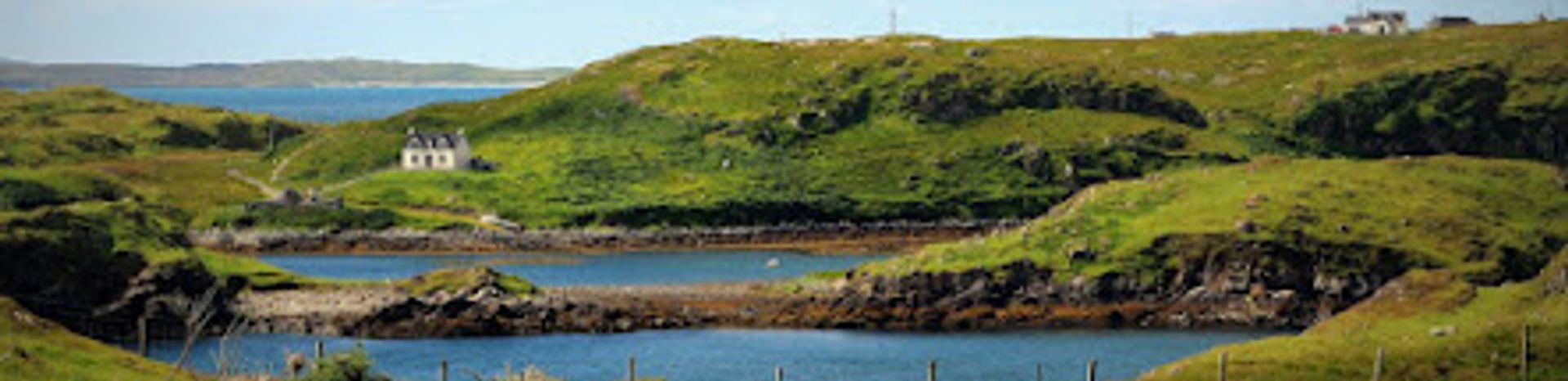
Harris
Dramatic mountains meet pristine white-sand beaches on Scotland's most spectacular island.
Harris is the southern and more mountainous third of Lewis and Harris, Scotland's largest island in the Outer Hebrides. Famous for its dramatic contrasts—rugged peaks including Clisham (the highest mountain in the Outer Hebrides at 799 metres) dominate the north, while the west coast features some of Britain's most spectacular white-sand beaches with turquoise waters. The island blends wild Atlantic scenery, rich Gaelic heritage, and outdoor adventure opportunities, making it an essential destination for those seeking authentic Scottish island life.
A brief summary to Harris
- GB
- Duration: 1 to 7 hours
- Mid ranged
-
 Outdoor
- Mobile reception: 3 out of 5
Local tips
- Visit between May and September for the best weather and longest daylight hours. Winter months (December–February) offer the lowest accommodation prices but expect shorter days and harsher conditions.
- Explore the Golden Road on Harris's east coast for galleries, crofting heritage, and dramatic coastal views. This scenic single-track route reveals the island's artistic community and Norse-Gaelic history.
- Book ferry tickets in advance during peak season. The Tarbert to Uig ferry (Skye) operates daily except Thursdays and fills quickly during summer months.
- Rent a car or arrange transport before arrival. Harris has limited public transport, and single-track roads require careful driving. Petrol stations are sparse, so fuel up in Tarbert.
- Sample Isle of Harris Gin at the distillery in Tarbert. The sugar kelp seaweed infusion creates a distinctive maritime flavour unique to the island's terroir.

For the on-the-go comforts that matter to you
- Restrooms
- Drink Options
- Food Options
- Seating Areas
- Picnic Areas
- Information Boards
- Visitor Center
Getting There
-
Ferry from Ullapool (Mainland Scotland)
Daily car ferries operated by Caledonian MacBrayne depart from Ullapool on the Scottish mainland to Stornoway on Lewis. The crossing takes approximately 2 hours 30 minutes. From Stornoway, drive south through Lewis to Harris (approximately 1 hour). This is the primary route for vehicles and foot passengers. Ferries operate year-round with two return crossings daily. Standard adult foot passenger fares range from £15–20 GBP; vehicle fares vary by length. Book in advance during peak season (May–September).
-
Ferry from Uig (Isle of Skye)
Daily ferries (except Thursdays) connect Uig on the Isle of Skye directly to Tarbert on Harris. The crossing takes approximately 1 hour 40 minutes, providing direct access to Harris's main settlement. This route is ideal for those already exploring Skye or approaching from the south. Adult foot passenger fares range from £10–15 GBP; vehicle fares vary. Service frequency is lower than the Ullapool route, so confirm schedules before planning your journey.
-
Ferry from Berneray (North Uist)
A secondary route operates across the Sound of Harris from Berneray on North Uist to Leverburgh in South Harris. This crossing is shorter (approximately 1 hour) and provides access to Harris's southern regions. This option suits those exploring the wider Outer Hebrides chain or approaching from islands to the south. Service frequency is limited; verify schedules with Caledonian MacBrayne.
-
Air Travel to Stornoway
Loganair operates flights from Glasgow, Edinburgh, and Inverness to Stornoway Airport on Lewis. Flight times range from 1 hour 15 minutes to 2 hours 15 minutes depending on departure city. From Stornoway, drive south to Harris (approximately 1 hour). This option suits those with limited time or preference for air travel. Fares typically range from £80–150 GBP per person depending on advance booking and season. Car rental is essential upon arrival.
Harris location weather suitability
-
 Any Weather
-
 Clear Skies
-
 Mild Temperatures
-
 Cold Weather
Discover more about Harris
A Land of Dramatic Contrasts
Harris occupies the southern third of Lewis and Harris, the largest island in Scotland and the third largest in the British Isles. Though administratively part of a single landmass, Harris maintains a distinct identity shaped by its geography and culture. The island's terrain divides sharply between its mountainous north and its renowned western beaches. North Harris rises dramatically with over 30 peaks, anchored by Clisham at 799 metres—the highest mountain in the entire Outer Hebrides. This rugged spine creates a landscape of deep glens, rocky outcrops, and windswept moorland. In stark contrast, the western coastline unfolds into miles of pristine white-sand beaches backed by machair (grassy plains), where turquoise waters seem transplanted from tropical destinations rather than the Scottish Atlantic.Legendary Beaches and Coastal Beauty
Harris's beaches rank among Britain's finest and most photogenic. Luskentyre Beach, a sweeping crescent of pale sand extending for miles, has been voted one of Britain's most beautiful beaches and offers views across the Sound of Taransay to the uninhabited island that featured in the BBC television series Castaway. Scarista Beach, Huisinis Beach, Seilebost Beach, and Horgabost Beach each possess their own character, from sheltered bays to exposed strands where Atlantic swells attract surfers and adventurers. The Golden Road, a single-track route threading through South Harris, connects these coastal treasures while passing through scattered crofting communities and offering galleries showcasing local artists inspired by the landscape.Heritage, Tradition, and Island Life
Harris embodies centuries of Norse and Gaelic influence visible in place names and settlement patterns across the island. Tarbert, the main port and settlement with a population of around 550, sits on an isthmus between two lochs and serves as the gateway to Harris. The village name derives from the Norse word tairbeart, meaning portage or isthmus, reflecting the Viking heritage woven into the islands' history. Harris Tweed, the world-renowned hand-woven fabric, remains integral to the island's identity and economy, with the Harris Tweed Shop in Tarbert offering authentic pieces. The Isle of Harris Distillery, opened in 2015, produces Harris Gin infused with locally harvested sugar kelp seaweed, creating a distinctive maritime spirit that has gained international recognition. The distillery's single malt whisky continues to mature, representing the island's forward-looking approach to tradition.Outdoor Adventure and Natural Wonders
The island caters to outdoor enthusiasts of all levels. North Harris offers exceptional hill walking, with routes ascending Clisham and exploring the peaks that define the skyline. The Harris Outdoor Adventure Centre provides kayaking, sailing, windsurfing, and mountain biking experiences suited to various abilities. Loch Seaforth, straddling the border between Harris and Lewis, provides opportunities for fishing and water-based exploration. Wildlife enthusiasts can spot golden eagles, white-tailed sea eagles, and seals along the coastline. The Hebridean Way, a 156-mile long-distance walking route, passes through Harris as part of its journey across ten islands, offering multi-day trekking through some of Scotland's most remote and beautiful terrain.Scalpay and Neighbouring Islands
The island of Scalpay, located at the mouth of East Loch Tarbert, connects to Harris via the Scalpay Bridge opened in 1997. Once renowned for its fishing industry, Scalpay retains strong maritime heritage and offers insights into island seafaring traditions. The settlement of Kyles on Harris serves as the bridge's Harris terminus. Taransay, visible from Harris's western beaches, remains uninhabited and protected, preserving its wild character and historical significance.Gateway to the Hebrides
Harris functions as a crucial hub within the Outer Hebrides network. Daily ferry services connect Tarbert to Uig on the Isle of Skye, enabling island-hopping adventures. The broader Outer Hebrides chain—including North Uist, Benbecula, South Uist, and Barra—lies within easy reach, while the remote St. Kilda archipelago, 40 miles northwest, attracts adventurous visitors seeking Britain's most isolated inhabited ruins. Harris's position makes it an ideal base for exploring the wider Hebridean landscape while offering sufficient depth and character to reward extended stays.Iconic landmarks you can’t miss

Harris House
11.4 km
Discover the perfect blend of care and natural beauty at Harris House in the enchanting Isle of Harris.
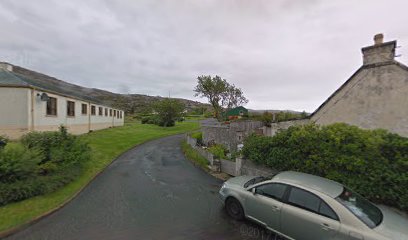
Pairc an t-Srath Guest House
17.7 km
Charming guest house on Isle of Harris with stunning sea views, warm hospitality, and delicious home-cooked meals near beautiful beaches.

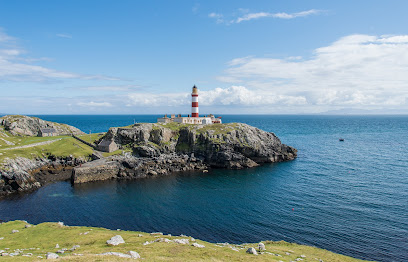
Eilean Glas Lighthouse
20.5 km
A historic white lighthouse on the wild northern tip of the Isle of Scalpay, offering sweeping sea views and a taste of remote Hebridean life.
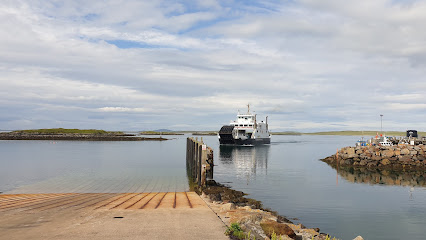
Visit Outer Hebrides
21.4 km
Your essential gateway to exploring the wild beauty and rich Gaelic culture of Scotland’s Outer Hebrides islands.
Temple Harris
24.4 km
A modern café and deli in Northton, Isle of Harris, serving great coffee, soups and local produce with stunning sea views across the bay.
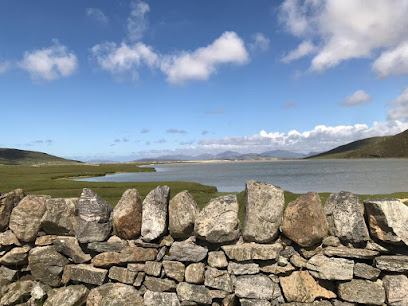
Sound of Harris
30.7 km
A dramatic eight-mile maritime passage through Scotland's remote Outer Hebrides, where tidal waters and rocky islands create an unforgettable crossing.
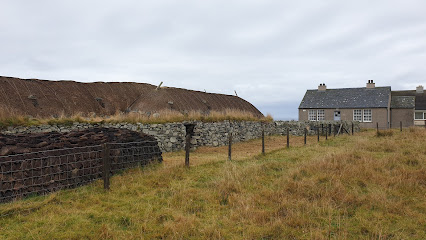
historic scotland
42.7 km
Explore the historical essence of The Blackhouse in Arnol, Isle of Lewis, where traditional Scottish life comes alive amidst stunning landscapes.
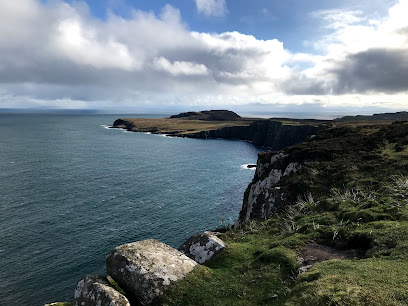
Rubha Hunish
45.1 km
Explore Rubha Hunish, the northern jewel of the Isle of Skye, where breathtaking views and rich history come together in a stunning coastal experience.
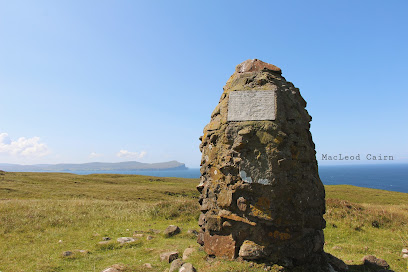
Clan MacLeod Memorial Cairn
48.8 km
A windswept stone cairn on Skye’s east coast, honoring the legacy of Clan MacLeod and their deep roots in the Hebrides.
Old Ruins
49.5 km
Discover the haunting Old Ruins near Portree, where ancient history and rugged coastal beauty converge on the Isle of Skye.
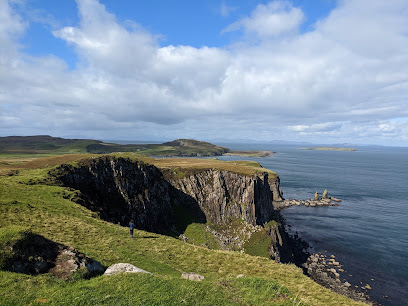
Ardmore Arches
51.4 km
Discover the rugged beauty of Ardmore Arches, striking natural sea arches on Skye’s wild Waternish Peninsula.
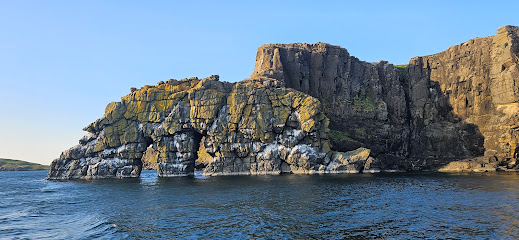
The Brother's Point
62.7 km
Explore Brother's Point on the Isle of Skye: A breathtaking coastal destination rich in wildlife and stunning landscapes.
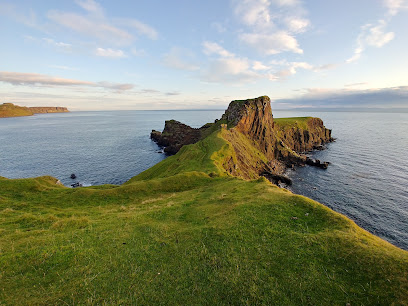
Neist Point Cliff Lighthouse Viewpoint
62.8 km
Explore the stunning natural beauty and historic charm of Neist Point Lighthouse on the Isle of Skye, a must-visit for nature lovers and photographers.
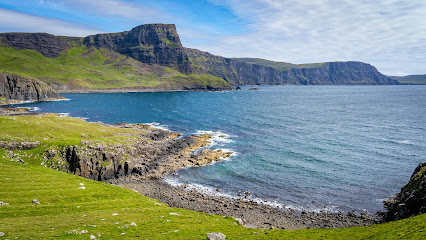
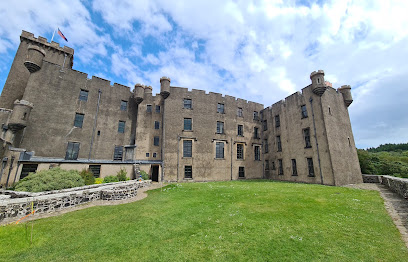
Dunvegan Castle & Gardens
62.9 km
Explore the historic Dunvegan Castle & Gardens on the Isle of Skye, where rich heritage meets stunning natural beauty.
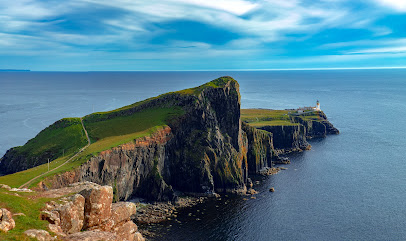
Neist Point Lighthouse
63.6 km
Iconic lighthouse on Skye’s westernmost point, framed by dramatic cliffs and rich wildlife, perfect for stunning coastal views and serene walks.
Unmissable attractions to see

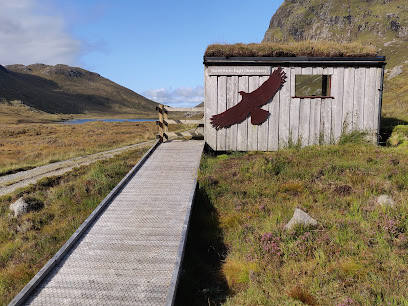
North Harris Eagle Observatory
2.9 km
Experience breathtaking views and rare golden eagle sightings in the wild heart of North Harris on the Isle of Harris.
Ulabhal Hill
3.5 km
Discover the rugged beauty and panoramic vistas atop Ulabhal Hill, a scenic gem on the Isle of Harris in Scotland’s Outer Hebrides.
Loch Langhabat Viewpoint
3.7 km
Experience the rugged beauty and tranquil vistas of Loch Langhabat from this serene Isle of Harris viewpoint.
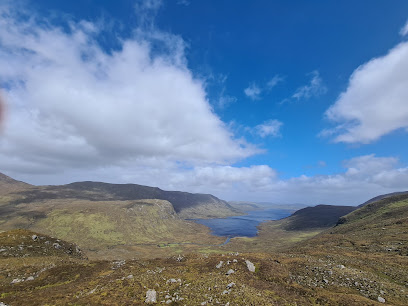
Muladal Hill
4.3 km
A rugged 454m summit on North Harris offering wild landscapes, panoramic views, and a challenging hiking adventure.
North Harris Eagle Observatory Car Park
5.0 km
Starting point for a scenic walk to a timber-framed hide offering iconic golden eagle views in the wild North Harris hills.
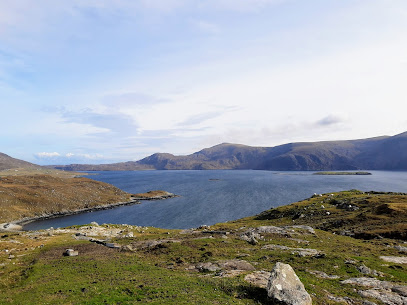
Ardvourlie Woodland
6.5 km
Discover native woodland and stunning 270° views over Loch Seaforth at Ardvourlie Woodland Observatory on the Isle of Harris.
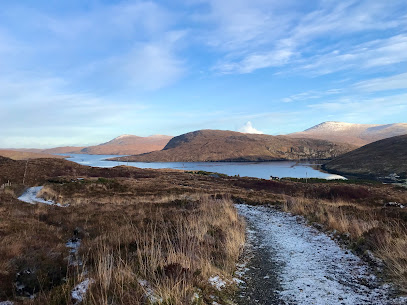
Bunavoneader Whaling Station (Bun Abhainn Eadarra)
7.0 km
Explore the haunting ruins of a 20th‑century whaling station on Harris’s wild west coast, where concrete tanks, rusted machinery, and whale bones tell a powerful story of industry and isolation.
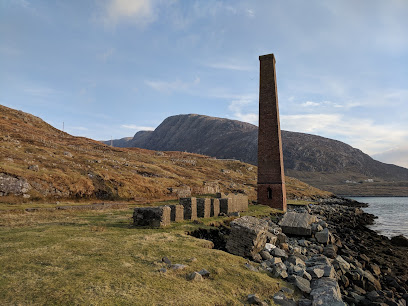
Power Station Walk
7.5 km
Explore the scenic 6.6 km Power Station Walk on the Isle of Harris, blending coastal beauty with historic maritime heritage.
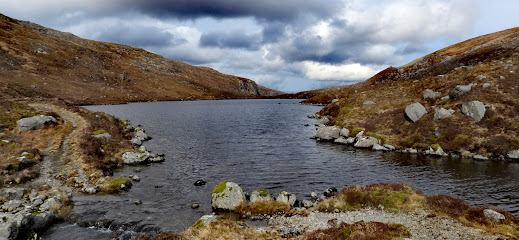
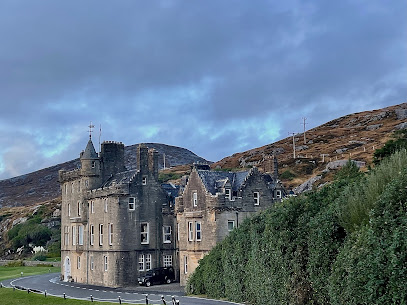
Amhuinnsuidhe Castle Estate
8.2 km
A grand 19th-century baronial castle on the Isle of Harris, offering exclusive-use luxury, world-class fishing, stalking, and breathtaking Hebridean scenery.
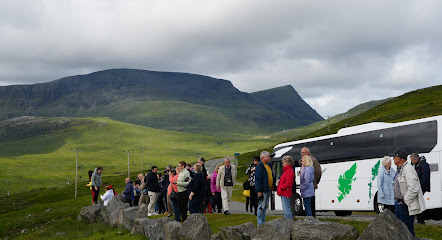
View Point
8.5 km
Tranquil sea loch vistas and rugged coastal beauty await at Loch Seaforth View Point on the Isle of Lewis.
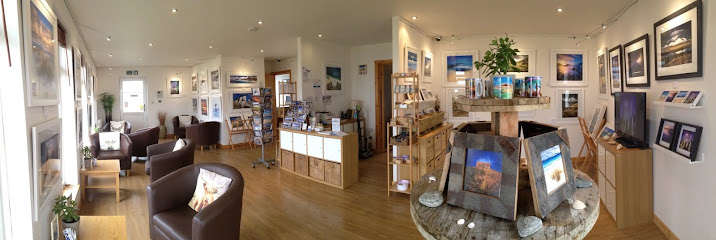
Hebscape Gallery & Tearoom
8.5 km
Discover evocative Hebridean photography and homemade delights with stunning views at Hebscape Gallery & Tearoom on the Isle of Harris.
Black Lab gallery
10.4 km
Discover authentic Scottish Highland art and expert framing services at Black Lab Gallery in West Tarbert, Isle of Harris.
Cravadale
10.6 km
Discover Cravadale’s wild coastal beauty and serene beaches on the Isle of Harris, a tranquil haven for nature lovers and adventurers alike.
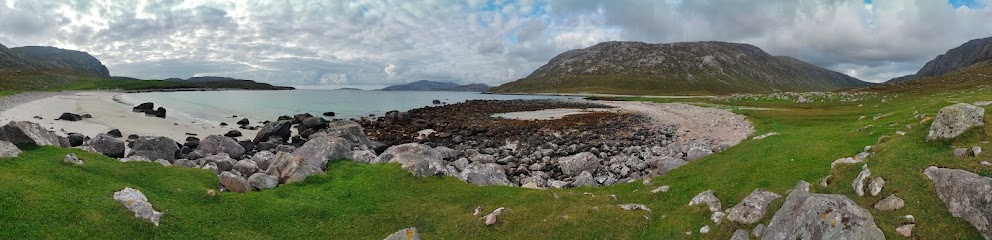
Loomshed Deli and Coffee Shop
11.4 km
Cozy deli and coffee shop in Tarbert offering fresh local fare, vegan options, and artisan beers on the Isle of Harris.
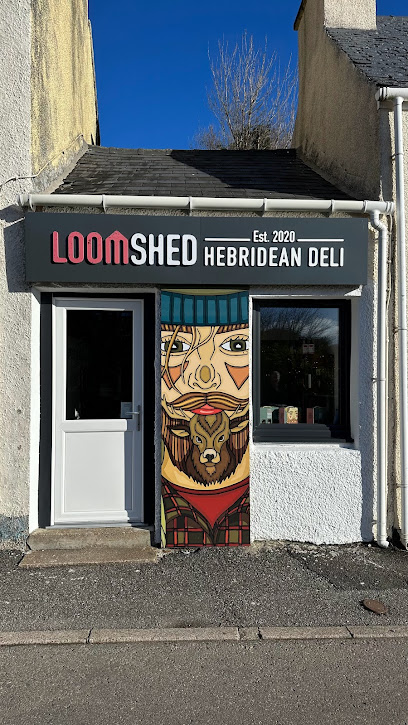
War Memorial
11.4 km
A solemn castle-like monument in Tarbert honoring Isle of Harris heroes from the World Wars, standing proudly on Main Street as a beacon of remembrance.
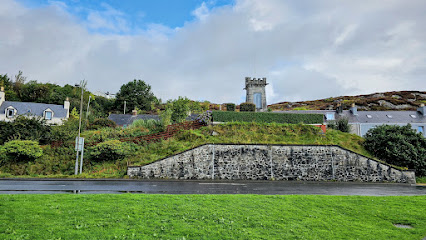
Essential places to dine

Amhuinnsuidhe Castle
7.7 km
Exclusive 19th-century Scottish Baronial castle on Harris offering luxury stays, world-class fishing, and breathtaking Hebridean views.
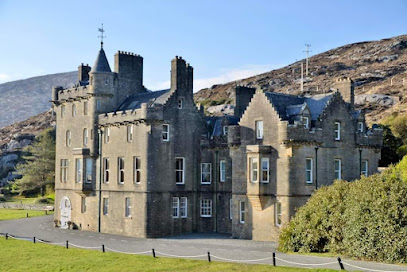
Harris Hotel
11.2 km
Experience authentic island charm, warm hospitality, and local flavors at Harris Hotel, your cozy retreat in the heart of Tarbert, Isle of Harris.
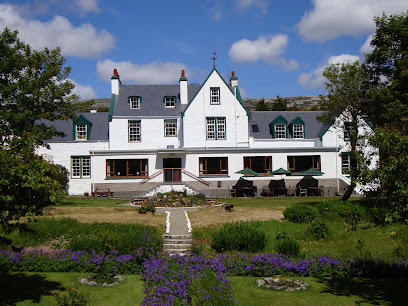
Pierhouse Cafe And Restaurant
11.5 km
A refined waterfront dining experience in Tarbert, offering fresh Hebridean seafood and warm hospitality with stunning harbour views.
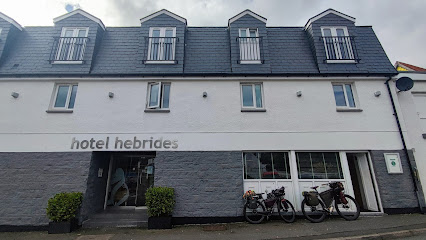
Hotel Hebrides
11.5 km
Experience comfort and local charm at Hotel Hebrides in Tarbert—your gateway to exploring the breathtaking Isle of Harris.
Flavour
11.6 km
Discover an immersive chef’s table experience with locally foraged fine dining in the heart of the Isle of Harris.
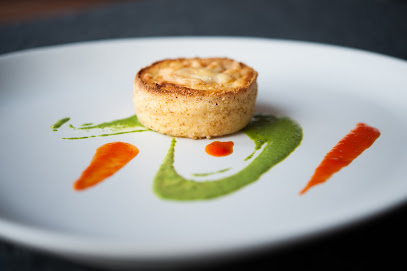
Talla na Mara Restaurant
16.7 km
Community-focused dining with stunning coastal views and fresh, inclusive menus on the Isle of Harris.
North Harbour Bistro
16.9 km
Exquisite seafood dining with stunning harbour views and warm island hospitality on the Isle of Scalpay.
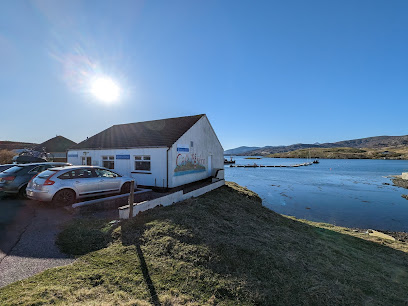
Bays Of Harris Community Centre
18.0 km
A welcoming cultural hub on the Isle of Harris offering hearty local fare, lively ceilidhs, and vibrant community spirit in a scenic coastal setting.
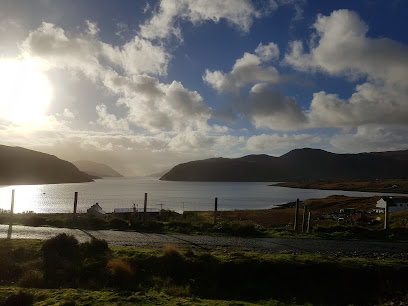
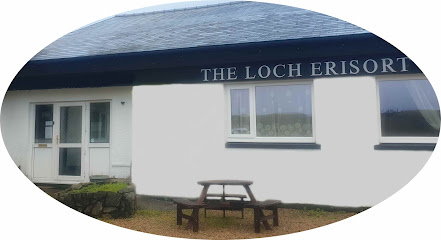
Loch Erisort Hotel
18.1 km
A welcoming Hebridean inn with spacious rooms, stunning loch views, and hearty local cuisine on the tranquil Isle of Lewis.
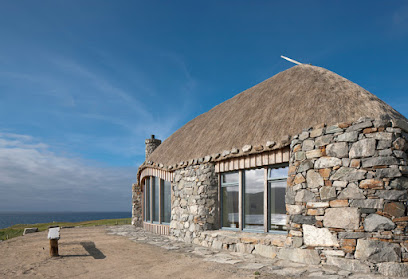
Òran na Mara
20.4 km
Experience the perfect blend of traditional Hebridean charm and modern luxury with breathtaking views over Scarista beach on the Isle of Harris.
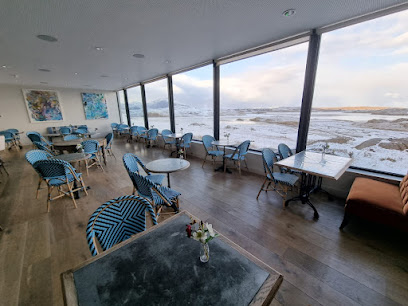
Scarista House
21.2 km
Historic Georgian elegance meets stunning Atlantic views in this remote boutique hotel on the Isle of Harris.
Uig Sands Restaurant
23.7 km
Experience exquisite local seafood and stunning coastal views at Uig Sands Restaurant, a stylish gem on the Isle of Lewis.
Lingay House
26.1 km
Experience warm hospitality, modern comfort, and stunning loch views at Lingay House, a charming B&B and restaurant on the Isle of Harris.
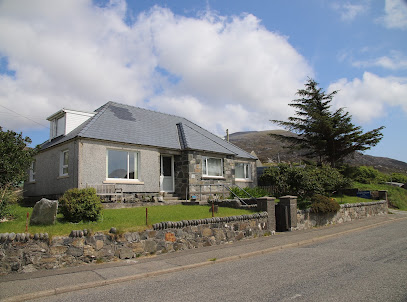
Butty Bus
26.7 km
A cozy, no-nonsense café at Leverburgh ferry terminal serving fresh local fish and chips with charming harbor views.
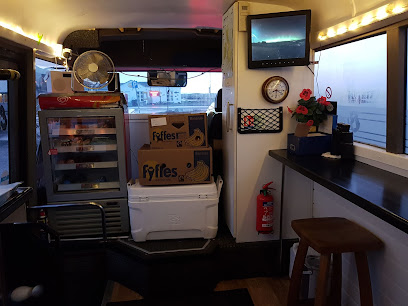
The Anchorage Restaurant, Cafe & Bar
26.7 km
Fresh seafood and local flavors served with stunning harbour views in a relaxed, welcoming setting on Leverburgh’s pier.
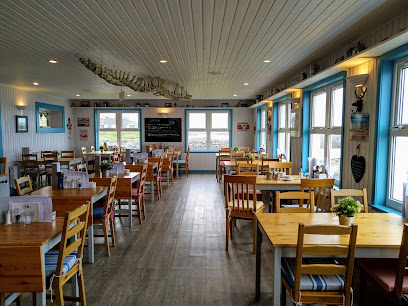
Markets, malls and hidden boutiques

Harris Tweed Isle Of Harris Shop
11.3 km
Discover authentic Harris Tweed craftsmanship and timeless island heritage in the heart of Tarbert, Isle of Harris.
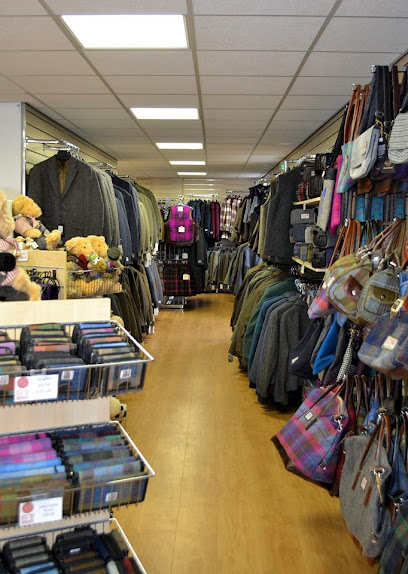
Blamire at Harris
11.4 km
A split-level gift shop in Tarbert showcasing handcrafted ceramics, original oil paintings, and authentic souvenirs from the Isle of Harris.
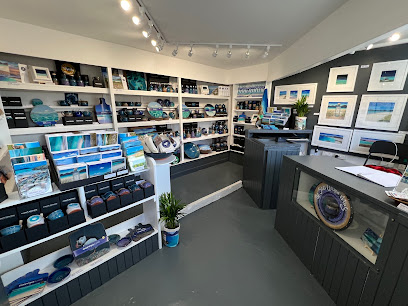
Akrams General Store
11.4 km
Akrams General Store offers authentic local goods and essentials in the heart of Tarbert, Isle of Harris, blending convenience with Hebridean charm.

John Morrisons Newsagents
11.5 km
A welcoming local hub in Tarbert offering essentials and island charm on the Isle of Harris.
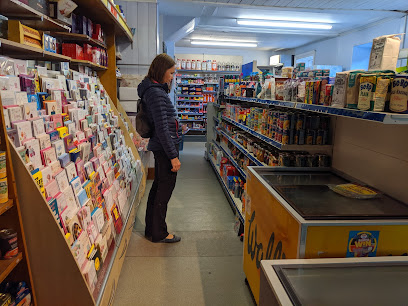
Tarbert charity shop
11.5 km
Explore Tarbert Charity Shop, a unique thrift store on the Isle of Harris, where every purchase supports local charities and sustainability.
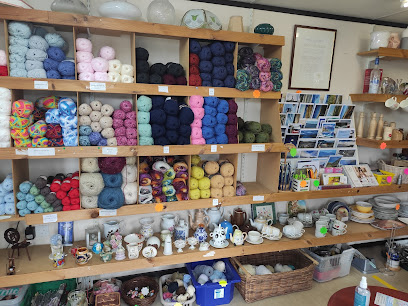
Essence of Harris
11.5 km
Discover the essence of the Isle of Harris through handcrafted, sustainably made candles and homewares inspired by the island’s natural beauty.
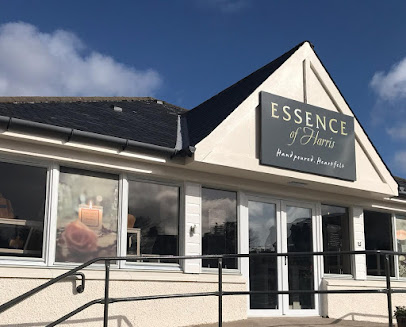
The Wee Croft Shop - Isle of Harris
11.6 km
Discover authentic Harris crafts and unique gifts at The Wee Croft Shop in Tarbert, a charming local treasure celebrating island heritage.
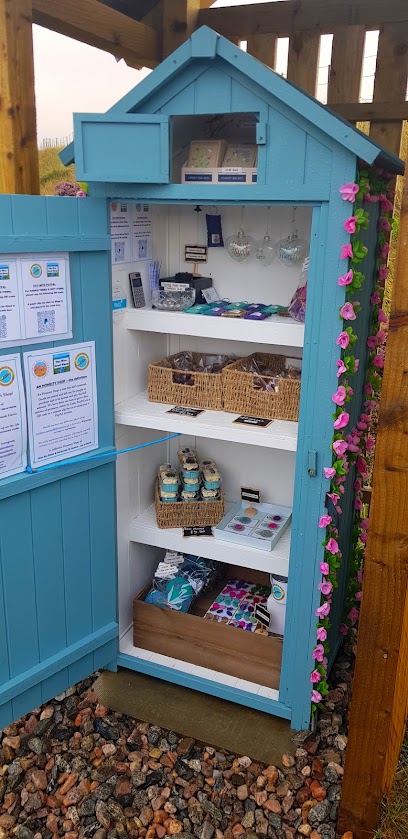
Luskentyre Beach Hut
12.7 km
A charming trust-based gift hut offering local crafts and refreshments with stunning views over Luskentyre Bay on the Isle of Harris.
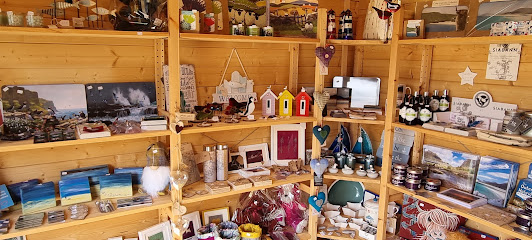
Harris with Love
15.9 km
Discover authentic Hebridean artistry and handcrafted treasures at Harris with Love, a charming boutique in Scalpay on the Isle of Harris.
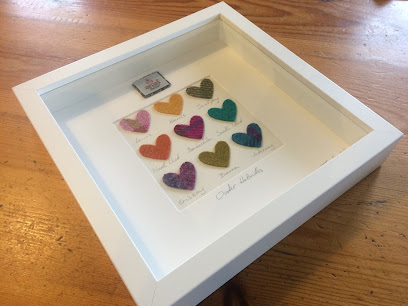
Harris Tweed and Knitwear
16.9 km
Authentic handwoven Harris Tweed products crafted in the Outer Hebrides, blending heritage, quality, and island tradition.
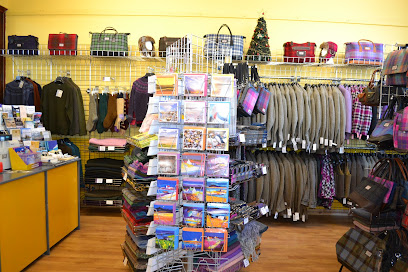
David's sausages
17.7 km
Discover handcrafted local sausages steeped in Isle of Harris tradition, crafted for food lovers seeking authentic island flavors.

Woven & Wild
19.2 km
Discover authentic, sustainable Hebridean homewares crafted with care in Scarista, Isle of Harris.
Garynahine Harris Tweed
23.8 km
Discover authentic Harris Tweed craftsmanship in the tranquil village of Garynahine, Isle of Lewis, where tradition and heritage weave together.
Taobh Tuath Tweeds
24.9 km
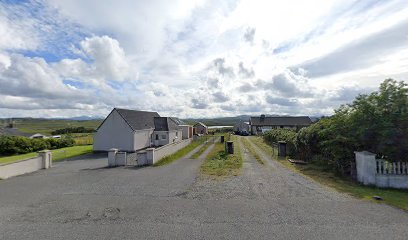
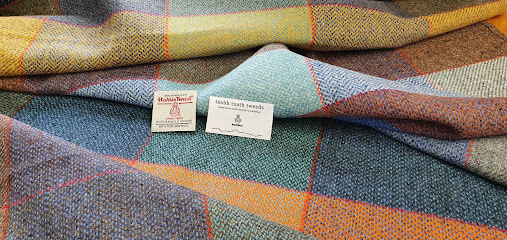
Discover authentic Harris Tweed weaving and island heritage at Taobh Tuath Tweeds in Northton, Isle of Harris.
The Hebridean Mustard Company
25.8 km
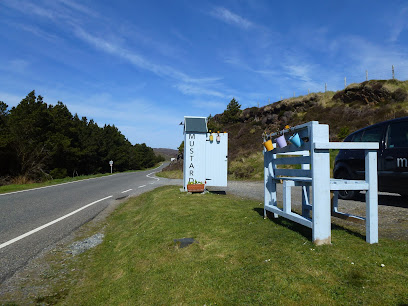
Discover artisanal mustards crafted with passion and natural ingredients at the iconic Hebridean Mustard hut in Leverburgh, Isle of Harris.
Essential bars & hidden hideouts

Ardhasaig House Hotel and Restaurant
7.9 km
A tranquil Hebridean escape offering cozy rooms, exquisite local cuisine, and stunning mountain and sea views on the Isle of Harris.
The Bothy
26.0 km
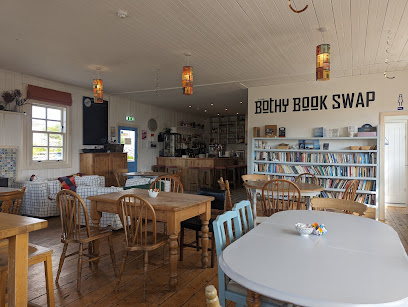
A cozy pub and café in Leverburgh offering local ales, hearty meals, and warm island hospitality on the Isle of Harris.
Isle of Harris Brewery
26.7 km
Crafting island-brewed beers and fresh Hebridean fare in a lively waterfront taproom on the Isle of Harris.
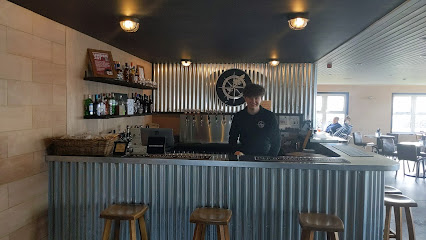
THE HARBOUR BAR
37.1 km
A warm, inviting bar in Stornoway offering local brews, hearty Scottish fare, and live music in the heart of the Isle of Lewis.
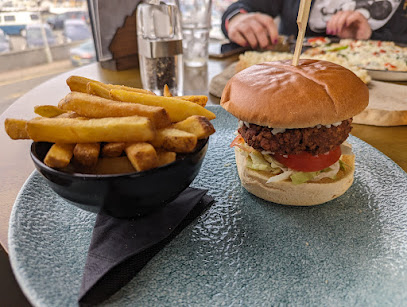
The Criterion Bar
37.2 km
A cozy, traditional Scottish bar in Stornoway known for its friendly service, quality drinks, and authentic Hebridean atmosphere.
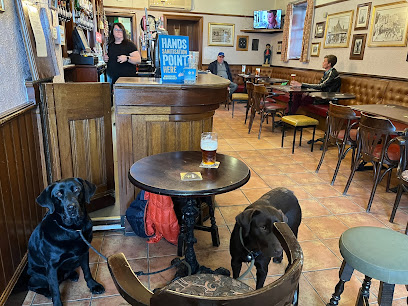
Stornoway Distillers @ The Fank
37.2 km
Experience authentic Hebridean flavors and craft gin in the heart of Stornoway’s vibrant culinary scene.
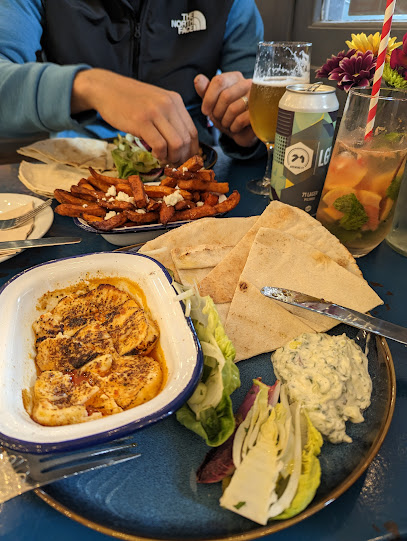
McNeills
37.2 km
Experience Stornoway’s vibrant live music and warm hospitality at McNeills, a historic bar with authentic Hebridean spirit.
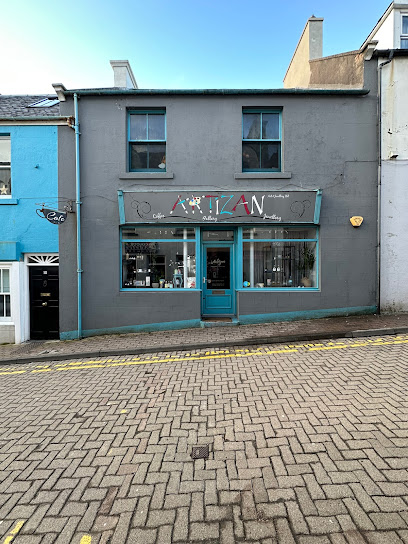
Artizan
37.3 km
Artizan blends local flavors, creative cocktails, and unique crafts in a warm, welcoming café and event space in the heart of Stornoway.
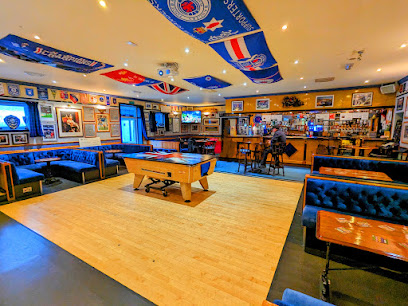
Lewis & Harris Rangers Supporters Club
37.4 km
A spirited social hub and the world’s largest Rangers supporters club, uniting fans in Stornoway with football passion and community warmth.
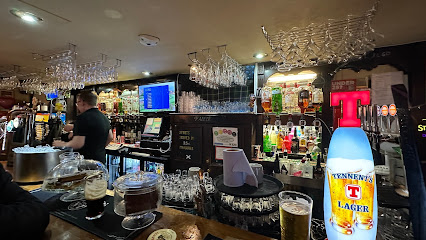
The Rip
52.4 km
A cozy bar on the Isle of Lewis where local culture, craft beers, and scenic beauty create a warm retreat for travelers and locals alike.
The Ferry Inn
54.2 km
A stylish 19th-century inn in Uig offering cozy rooms, exceptional local cuisine, and stunning views over Skye’s northern bay.
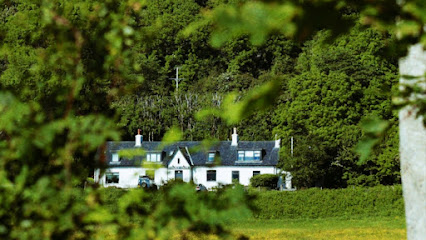
The Stein Inn
56.1 km
Historic pub and hotel on Skye offering fresh seafood, cozy rooms, and stunning Loch Bay views in a charming coastal village.
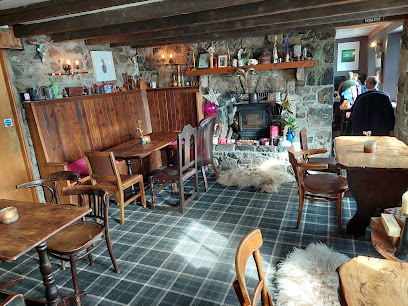
Westford Inn
56.3 km
A cozy Hebridean pub on North Uist offering hearty local cuisine, craft ales, and warm island hospitality in a traditional stone setting.
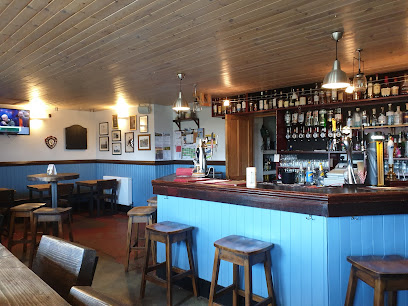
Old Barn Bar
63.6 km
Authentic crofters’ barn pub with rustic charm, local flavors, and warm hospitality on the Isle of Lewis.
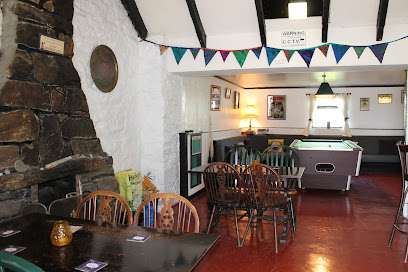
Cross Inn
63.6 km
A cozy, characterful inn and pub offering warm hospitality, excellent local food, and comfortable stays on the Isle of Lewis.
Nightclubs & after hour spots

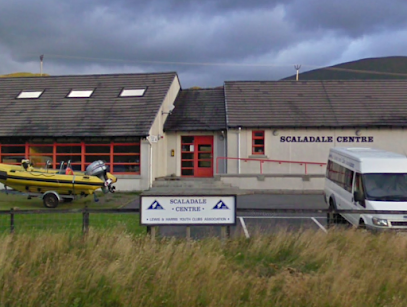
The Scaladale Centre
6.6 km
A premier outdoor adventure centre and hostel on Isle of Harris, offering year-round activities and comfortable group accommodation in stunning Hebridean surroundings.
Number 5
16.7 km
Charming stone cottage hostel with sea views, cozy fires, kayak rentals, and warm hospitality on the scenic Isle of Harris.
Skye Camanachd Social Club
75.5 km
Experience the vibrant social heartbeat of Portree at Skye Camanachd Social Club, where tradition meets lively nightlife on the Isle of Skye.

For the vibe & atmosphere seeker
- Scenic
- Adventurous
- Tranquil
- Unique
- Relaxing
For the design and aesthetic lover
- Rustic Designs
- Vintage Styles
For the architecture buff
- Historic
- Heritage Neighborhoods
- Viewpoints
- Parks & Gardens
For the view chaser and sunset hunter
- Iconic Views
- Panoramas
- Waterfront
- Sunset Spots
For the social media creator & influencer
- Instagrammable
- Photo Spots
- Scenic Backdrops
- Architectural Shots
For the eco-conscious traveler
- Protected Area
- Nature Reserve
- Locally Managed
- Wildlife Habitat
- Low Impact
For the kind of experience you’re after
- Cultural Heritage
- Nature Escape
- Photowalk
- Adventure Photo Shoot
- Day Trip
- Weekend Getaway
For how adventurous you want the journey to be
- Easy Access
- Requires Hike
- Physically Demanding
Location Audience
- Family Friendly
- Solo Friendly
- Couple Friendly
- Senior Friendly
- Pet Friendly


