
King Orry's Grave: Isle of Man's Largest Neolithic Chambered Tomb
Explore King Orry's Grave, the Isle of Man’s largest and most complete Neolithic tomb, a 5,000-year-old monument steeped in ancient mystery and legend.
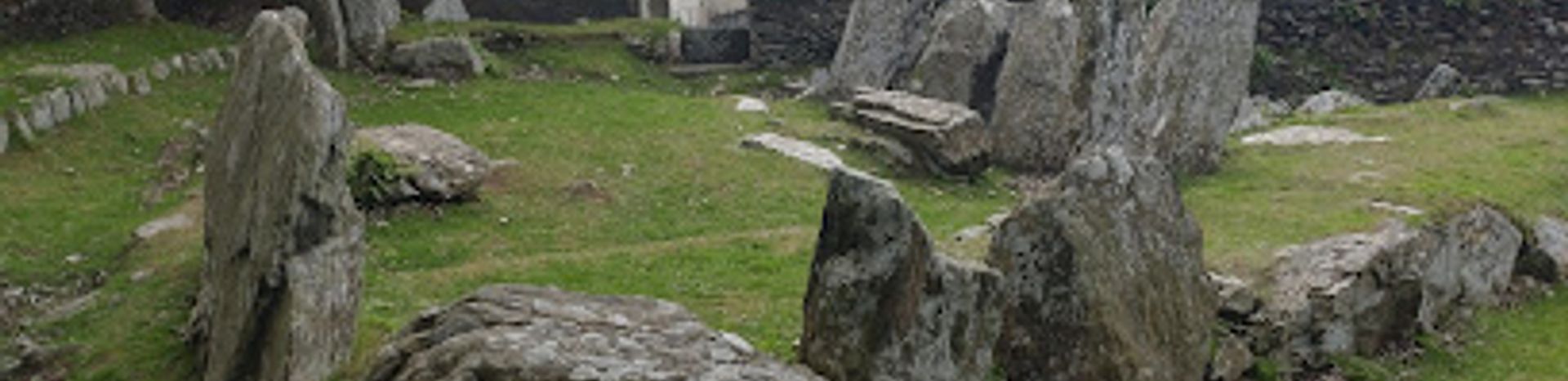
King Orry's Grave, located in Laxey on the Isle of Man, is the island's largest and one of its most complete Neolithic chambered tombs, dating back 4,000 to 6,000 years. This megalithic site comprises two main sections separated by a road, featuring multi-chambered burial cairns with standing stones, forecourts, and dry-stone walls. Despite its name, it is not the burial place of the Viking King Orry but a prehistoric monument reflecting ancient burial practices and spiritual life.
A brief summary to King Orry's Grave
- 6JJ3+HC8, Ballaragh Rd, Laxey, Isle of Man, IM
- Duration: 0.5 to 1.5 hours
- Free
-
 Outdoor
- Mobile reception: 4 out of 5
- Monday 12 am-12 am
- Tuesday 12 am-12 am
- Wednesday 12 am-12 am
- Thursday 12 am-12 am
- Friday 12 am-12 am
- Saturday 12 am-12 am
- Sunday 12 am-12 am
Local tips
- Visit both the eastern and western sections of the tomb to fully appreciate the site's scale and complexity.
- Wear sturdy footwear as the terrain around the western section involves a narrow path near private property.
- Take time to read the onsite information boards to understand the Neolithic burial practices and folklore.
- Visit during clear weather for the best views over Laxey Bay and the surrounding valley.

For the on-the-go comforts that matter to you
- Information Boards
- Seating Areas
- Trash Bins
Getting There
-
Bus
Take the local bus service from Douglas to Laxey, which runs approximately every 30 minutes and takes about 40-50 minutes. From Laxey village center, King Orry's Grave is a 15-minute walk uphill along Ballaragh Road. Bus fares range from £3 to £5 one way.
-
Car
Drive from Douglas via the A2 to Laxey, then follow Ballaragh Road uphill to the site. Parking is available on nearby roadside areas, but spaces are limited. The drive takes about 20 minutes. No parking fees apply.
-
Walking
For active visitors, a 1.5-hour walk from Laxey village center to King Orry's Grave offers scenic views and a moderate uphill path. Terrain includes paved and unpaved sections; suitable footwear recommended.
King Orry's Grave location weather suitability
-
 Any Weather
-
 Clear Skies
-
 Mild Temperatures
Discover more about King Orry's Grave
Ancient Origins and Structure
King Orry's Grave is a remarkable Neolithic monument estimated to be between 4,000 and 6,000 years old, making it one of the oldest and largest megalithic tombs on the Isle of Man. The site consists of two main sections, East and West, separated by Ballaragh Road in the village of Laxey. The eastern part features a semi-circular cairn approximately 12 meters wide and 4 meters deep, enclosing three burial chambers originally roofed with massive stone slabs and covered by a trapezoidal cairn. A U-shaped forecourt with standing portal stones and dry-stone walls surrounds this section, indicating its ceremonial importance.Western Section and Archaeological Findings
Across the road lies the western section, accessed by a narrow path around a private cottage. This area contains a cist-like burial chamber excavated in 1930, including a menhir—a tall standing stone—thought to be part of a horseshoe-shaped forecourt. The western chambers appear to have been constructed in phases, with the earliest chamber built from large slabs and later additions featuring smaller stones and flagged floors. While modern housing has limited excavation, the site reveals evidence of prolonged use and complex burial rituals.Historical and Cultural Significance
Though named after King Orry, the 11th-century Viking ruler Godred Crovan, there is no direct connection between him and the tomb. The name likely originated in the early 19th century, reflecting local folklore that venerates King Orry as a foundational figure. The tomb itself predates Viking times by millennia and was built by Neolithic farming communities who invested considerable effort in creating a sacred space for their ancestors. The site’s design parallels similar cairns found in northern Ireland and southwest Scotland, highlighting cultural links across the Irish Sea region.Ritual Use and Burial Practices
Excavations and studies suggest that the tomb was used for excarnation, where bodies were exposed to natural elements before bones were collected and placed inside the chambers. Archaeological traces include burnt animal bones, flint tools, and pottery fragments found in the forecourt and burial chambers, indicating ceremonial activities. The forecourt likely served as a gathering place for rituals honoring the dead, with the arrangement of stones and walls reinforcing the separation between the living and the afterlife.Modern Context and Preservation
King Orry's Grave is now a protected site managed by Manx National Heritage. Despite being hemmed in by modern roads and buildings, it remains one of the Isle of Man's most complete prehistoric monuments. Visitors can explore the site year-round without an admission fee, though part of the tomb lies within private property. Information boards provide historical context, and donations help preserve this significant cultural landmark for future generations.Visitor Experience and Surroundings
Situated in the northern part of Laxey village, King Orry's Grave offers a unique glimpse into the island’s distant past amid a tranquil setting. The site commands views over Laxey Bay and the surrounding valley, connecting visitors with the landscape that ancient communities once revered. The juxtaposition of ancient stones and modern life creates a compelling atmosphere where history and legend intertwine, inviting reflection on the island’s rich heritage.Iconic landmarks you can’t miss

Neolithic Triple Spiral Stone
0.2 km
Explore the ancient artistry of the Neolithic Triple Spiral Stone in Laxey, Isle of Man. A historical landmark rich in culture and spirituality.
Presence of Mann
0.4 km
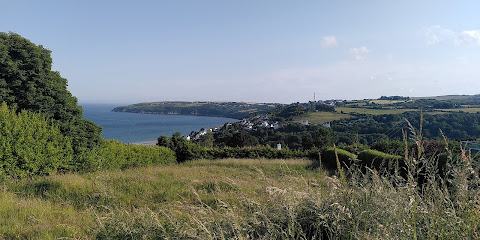
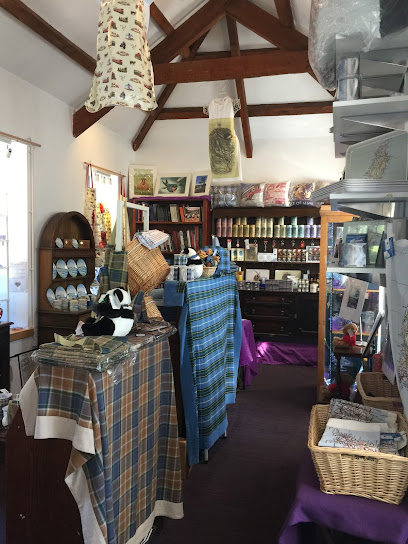
Explore the unique gifts and local crafts at Presence of Mann in Laxey, Isle of Man - a perfect stop for souvenirs and books.
The Queens Hotel
0.5 km
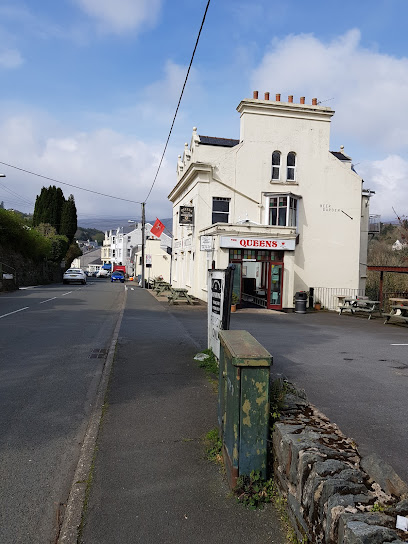
Experience the heart of Laxey at The Queens Hotel, a charming pub offering local ales, traditional dishes, and a warm, inviting atmosphere for travelers.
Garff Commissioners
0.5 km
Explore the Isle of Man with local insights from the Garff Commissioners, your essential tourist information hub in Laxey.
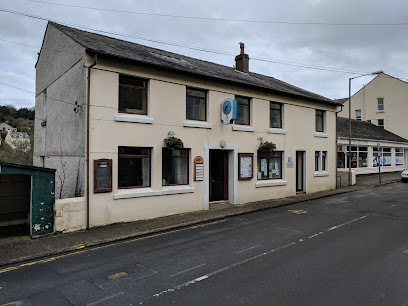
Trading Places (IOM) Ltd
0.6 km
Explore the charm of Laxey and uncover unique pre-loved furniture and decor at Trading Places (IOM) Ltd, a must-visit treasure trove.
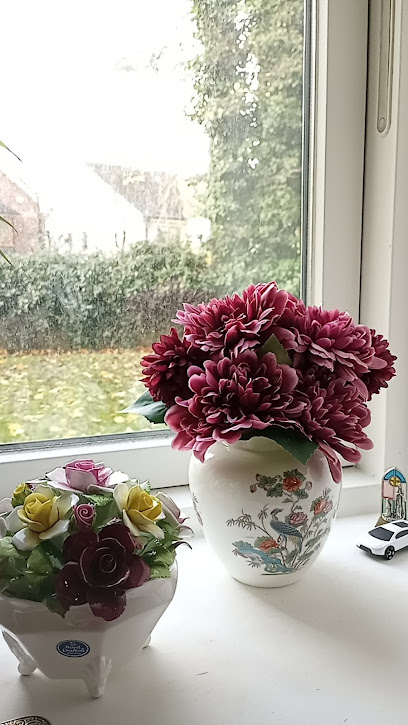
World Wars Laxey Memorial
0.6 km
Discover the World Wars Laxey Memorial, a historic landmark on the Isle of Man honoring bravery and sacrifice during the World Wars amidst stunning coastal beauty.
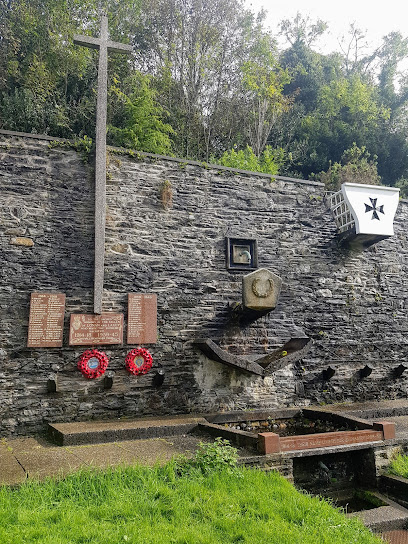
The Workshop Apartment
0.6 km
Experience the charm of Laxey at The Workshop Apartment, your perfect self-catering haven on the Isle of Man.
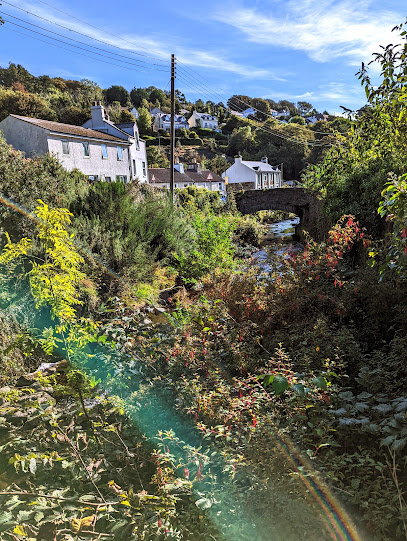
Laxey Railway Station
0.6 km
Experience the charm and history of Laxey Railway Station, a gateway to the stunning landscapes of the Isle of Man's Manx Electric Railway.
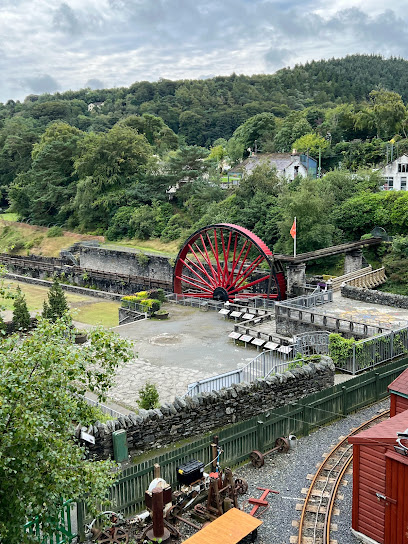
La Mona Lisa
0.6 km
Experience authentic Italian cuisine at La Mona Lisa in Laxey. Indulge in a culinary journey filled with flavor and warmth, perfect for all food lovers.
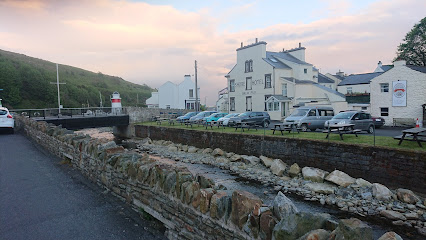
Laxey Harbour Chalet
0.6 km
Experience tranquility and stunning coastal views at Laxey Harbour Chalet, your perfect holiday escape on the Isle of Man.
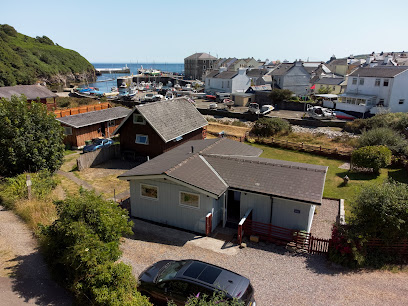
The Washing Floors
0.6 km
Discover the historical significance and natural beauty of The Washing Floors in Laxey, Isle of Man – a unique landmark showcasing the region's industrial past.
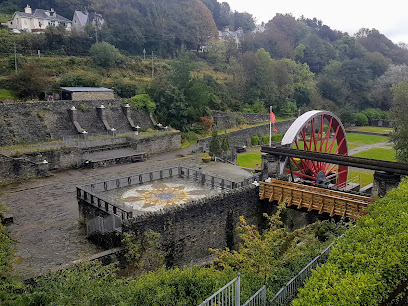
The Mines Tavern
0.6 km
Experience the heart of Isle of Man hospitality at The Mines Tavern, where local flavors meet a warm and inviting atmosphere.
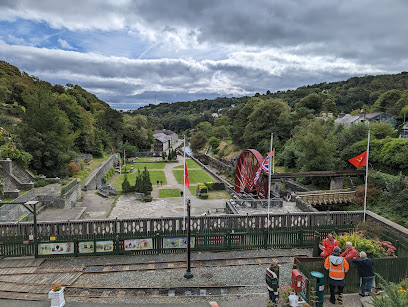
The Shore Hotel, Laxey
0.6 km
Discover the charm of Laxey at The Shore Hotel, where exceptional food meets stunning coastal views in a welcoming atmosphere.
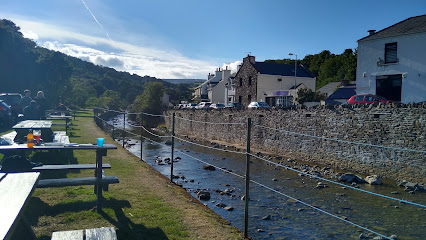
Lady Evelyn Wheel
0.6 km
Explore the Lady Evelyn Wheel, an iconic historical landmark in Laxey, Isle of Man, showcasing the island's rich industrial heritage amidst stunning landscapes.
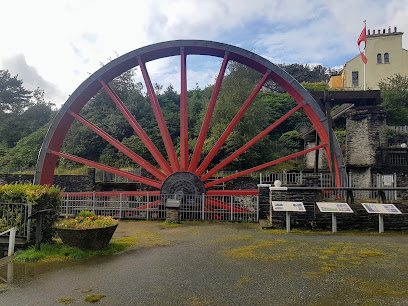
Laxey Working Men's Institute
0.6 km
Explore the Laxey Working Men's Institute, a vibrant community center in Laxey, Isle of Man, rich in heritage and local culture.
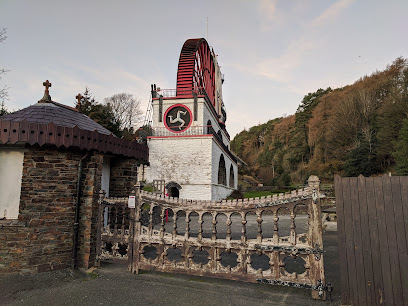
Unmissable attractions to see

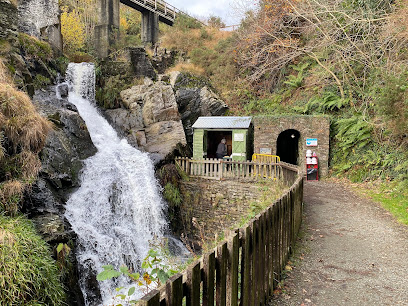
The Quarry Falls
0.3 km
Explore the breathtaking beauty of The Quarry Falls in Laxey, Isle of Man, a serene natural attraction perfect for nature lovers and photographers.
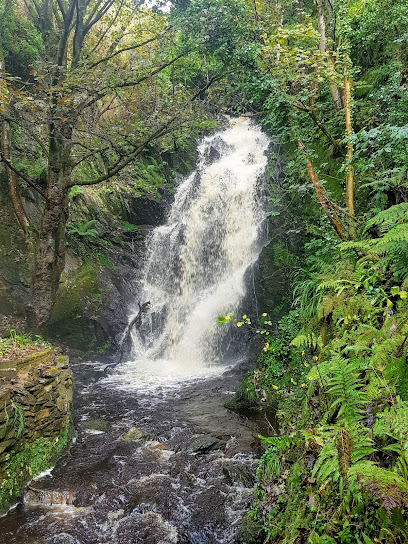
Laxey Woollen Mills
0.4 km
Explore Laxey Woollen Mills: A Historic Isle of Man Gem Showcasing Traditional Craftsmanship and Scenic Beauty.
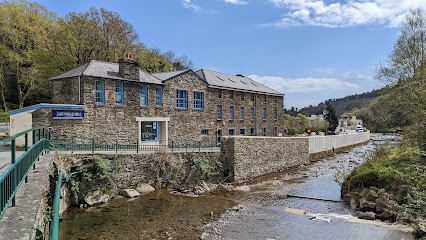
Kids Statues
0.4 km
Explore the magic of Kids Statues in Laxey, Isle of Man, where vibrant sculptures create a whimsical world for families and children to enjoy.
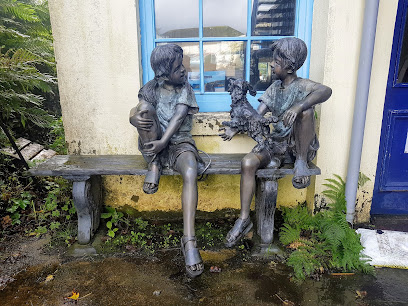
Snaefell Mountain Railway - Laxey
0.6 km
Experience the breathtaking views and rich history of the Snaefell Mountain Railway in Laxey, Isle of Man, a must-visit for every traveler.
Rose Gardens
0.6 km
Explore the breathtaking Rose Gardens in Laxey, Isle of Man, a serene haven filled with colorful blooms and lush greenery for nature lovers.
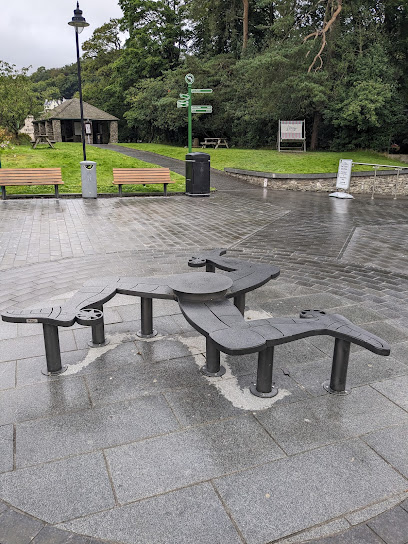
Great Laxey Mines Railway
0.6 km
Explore the Great Laxey Mines Railway, a fascinating museum and scenic railway in the heart of Laxey, Isle of Man, showcasing its mining heritage.
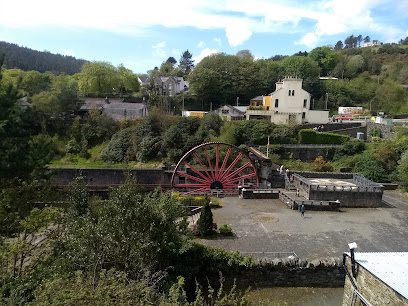
Laxey Mosaic Walls
0.6 km
Experience the artistic beauty of the Laxey Mosaic Walls, a captivating tourist attraction on the Isle of Man showcasing intricate artistry and cultural heritage.
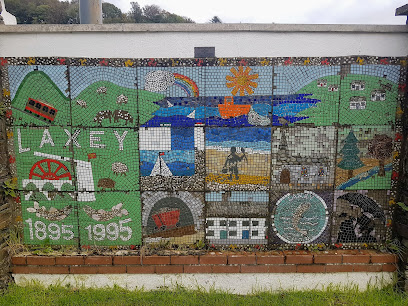
Laxey Beach
0.7 km
Experience the tranquility of Laxey Beach, a stunning coastal retreat on the Isle of Man with breathtaking views and exciting water activities.
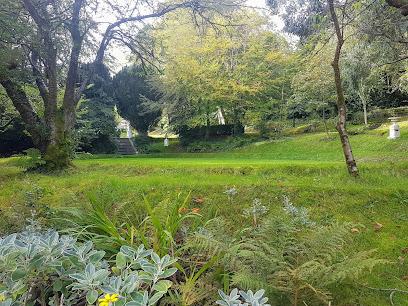
Laxey Glen Garden
0.7 km
Explore the enchanting Laxey Glen Garden in the Isle of Man, a peaceful haven filled with vibrant flora and serene pathways amidst stunning natural beauty.
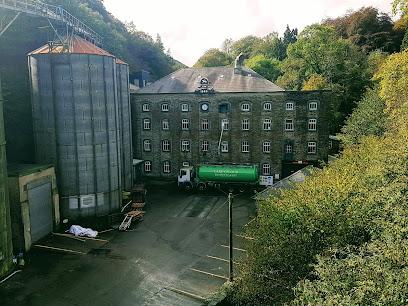
Laxey Glen Mills Ltd
0.7 km
Explore the historic Laxey Glen Mills, a beautifully preserved flour mill in the picturesque Isle of Man, rich in heritage and stunning scenery.
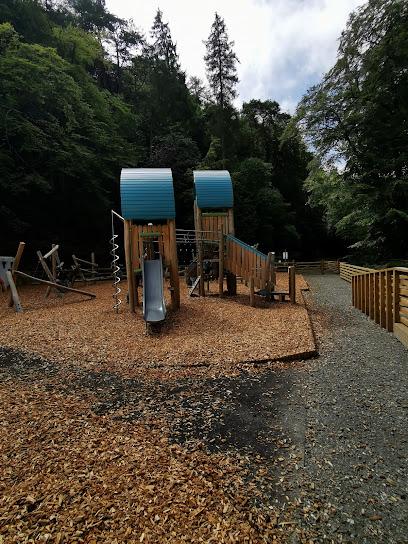
Laxey Glen Play Area
0.8 km
Experience family fun and outdoor adventure at Laxey Glen Play Area in the scenic Isle of Man, where children can play and explore in a safe, beautiful environment.
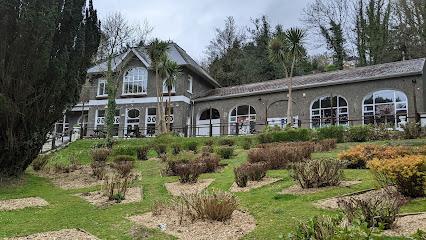
The Laxey Glen - Cafe, Bistro & Events Venue
0.8 km
Discover the serene beauty and culinary delights at The Laxey Glen, a perfect blend of nature and exquisite dining on the Isle of Man.
The Great Laxey Wheel
1.1 km
Explore the Great Laxey Wheel, the world's largest working waterwheel, and immerse yourself in the Isle of Man's rich mining history amidst stunning landscapes.
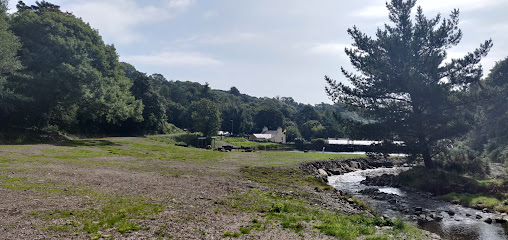
The Laxey Plantation
1.1 km
Discover the natural beauty and historical charm of The Laxey Plantation in the Isle of Man, a perfect park for relaxation and exploration.
Essential places to dine

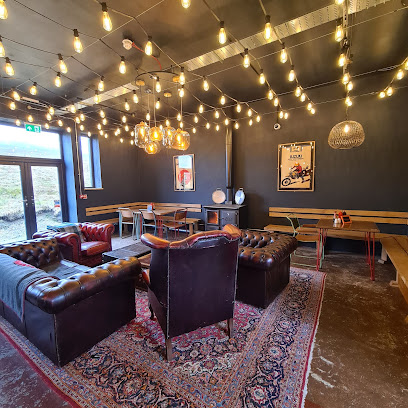
Victory Cafe
4.9 km
Experience delicious meals in a family-friendly atmosphere at Victory Cafe, your go-to spot at the Milestone TT Race Course in Snaefell.
Domino's Pizza
7.3 km
Savor delicious pizzas and sides at Domino's Pizza on the Isle of Man – perfect for fueling your adventures with quick and tasty meals.

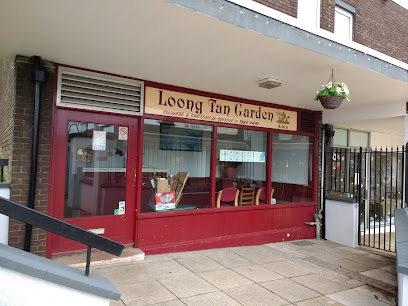
Loong Tan Garden
7.3 km
Discover authentic Chinese flavors at Loong Tan Garden in Douglas - a must-visit takeout haven for food lovers.
New Cod on the Block
7.3 km
Experience authentic British fish and chips at New Cod on the Block in Onchan, Isle of Man – a culinary delight not to be missed!
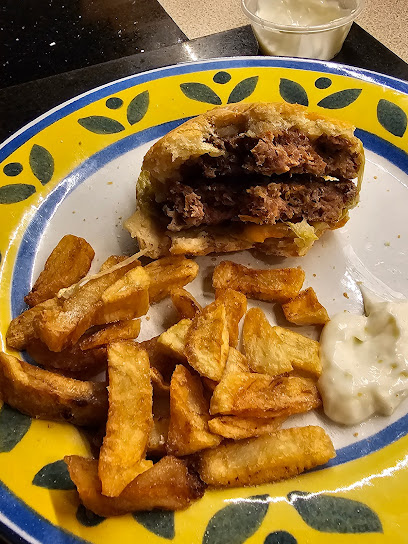
Pizza Bella
7.4 km
Experience the best takeout on the Isle of Man at Pizza Bella – where delicious pizzas meet hearty burgers and kebabs.
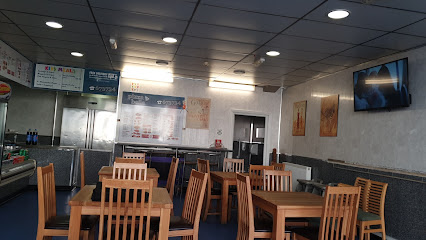
Bonds
7.4 km
Experience exquisite cuisine at Bonds in Onchan - where local flavors meet exceptional service for an unforgettable dining experience.
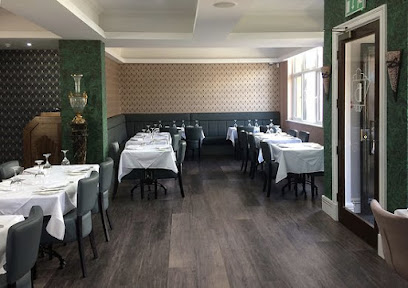
Gandhi Restaurant
7.5 km
Experience authentic Indian cuisine at Gandhi Restaurant in Onchan – where every dish tells a story.
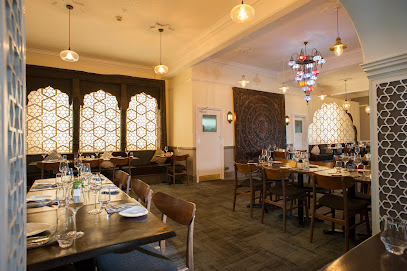
Ocean Views Bar & Grill
7.9 km
Discover family-friendly dining at Ocean Views Bar & Grill with breathtaking vistas and delicious local cuisine on the Isle of Man.
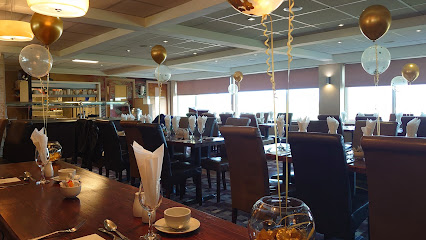
Delissimo
8.0 km
Discover Delissimo in Onchan: Your go-to takeout restaurant for delicious breakfasts and quick meals while exploring the Isle of Man.
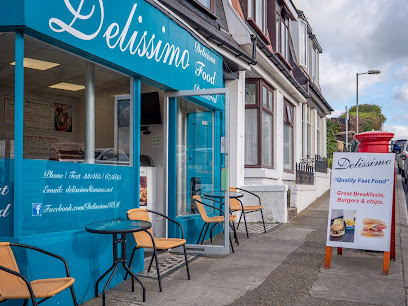
Port Jack Chippy & Diner
8.0 km
Experience authentic British fish and chips at Port Jack Chippy & Diner in Onchan, Isle of Man - where tradition meets taste!
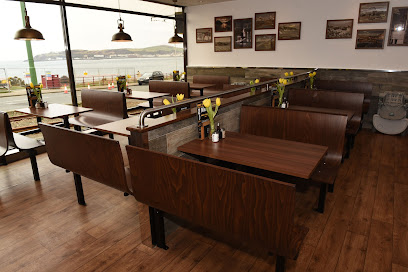
China Town
8.3 km
Experience authentic Chinese cuisine at China Town in Douglas – where every dish tells a story.
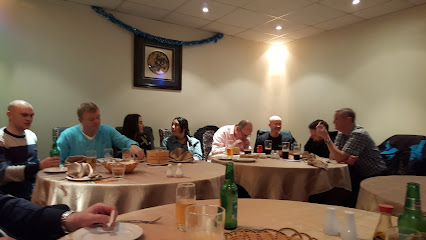
Mama's Kitchen
8.4 km
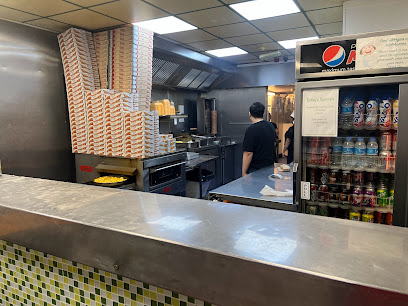
Experience delicious fast food at Mama's Kitchen in Douglas - where fresh pizzas and late-night cravings meet stunning seaside views.
Kurries and steaks
8.5 km
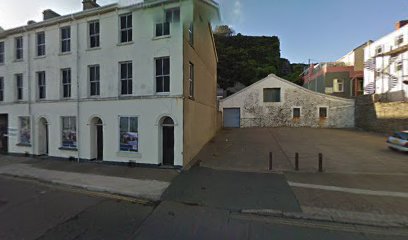
Discover authentic Indian flavors at Kurries and Steaks in Douglas - where every meal is a delightful journey through India's rich culinary heritage.
L'Experience
8.5 km
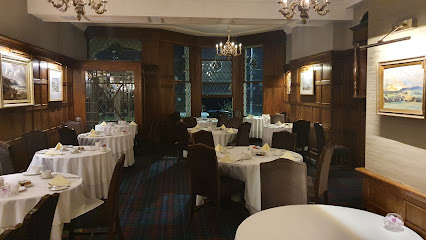
Discover exquisite French cuisine at L'Experience in Douglas, Isle of Man – where every dish tells a story.
AURA BAR & BISTRO
8.8 km
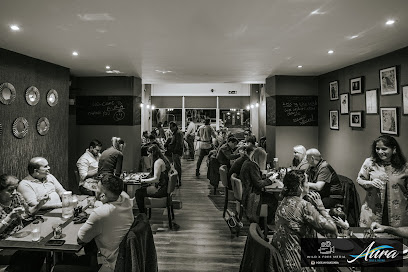
Discover vibrant Indian cuisine blended with fresh seafood at Aura Bar & Bistro on the beautiful Isle of Man's Queens Promenade.
Markets, malls and hidden boutiques

IFDA
0.5 km
Explore IFDA in Laxey for unique local crafts and specialties that capture the essence of the Isle of Man.
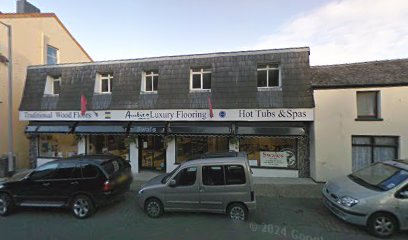
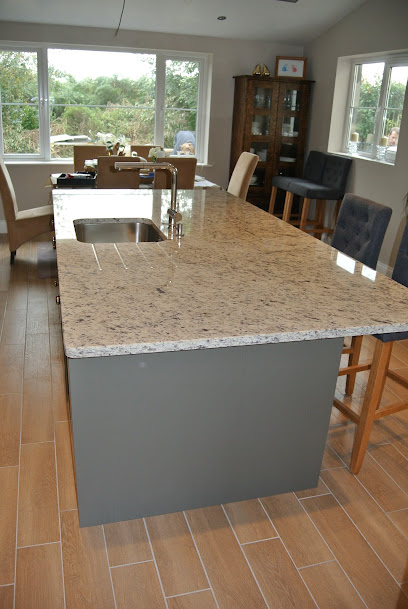
The Laxey Kitchen Co. Ltd t/a The Granite Centre
0.5 km
Dive into the culinary world at The Laxey Kitchen Co. Ltd, where kitchenware meets local charm in the heart of Laxey, Isle of Man.
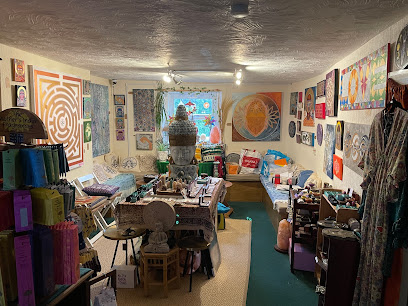
Mother T's
0.5 km
Explore the whimsical charm of Mother T's Gift Shop in Laxey, where unique souvenirs and local treasures await every traveler.
Laxey Booking Office and Cafe
0.6 km
Discover the charm of Isle of Man at Laxey Booking Office and Cafe, where quality coffee meets local history and scenic beauty.
Just Enough Soft Furnishings
0.6 km
Explore Just Enough Soft Furnishings in Laxey, Isle of Man, for unique textiles and crafting supplies that inspire creativity and celebrate local craftsmanship.
Mo T's Magical Things
0.6 km
Explore Mo T's Magical Things in Laxey for unique gifts and local crafts that capture the spirit of the Isle of Man.
The Tram Junction Shop
0.6 km
Discover the enchanting world of model trains at The Tram Junction Shop in Laxey, Isle of Man - a must-visit for enthusiasts and curious travelers alike.
Co-op Food - Laxey
0.6 km
Experience the charm of local shopping at Co-op Food Laxey, your one-stop convenience store for fresh produce and Isle of Man specialties.
Ginger Giraffe
0.6 km
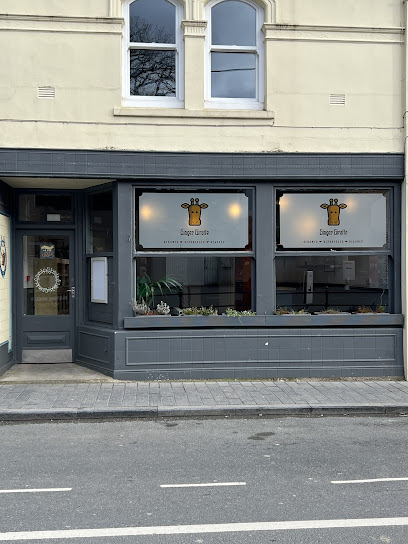
Explore Ginger Giraffe in Laxey for exquisite furniture accessories and unique candles that bring a touch of Isle of Man charm to your home.
Laxey Chemist
0.6 km
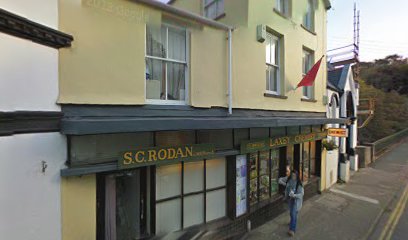
Discover the essential Laxey Chemist for all your health and wellness needs while exploring the charming Isle of Man.
J J Ribbons
0.7 km
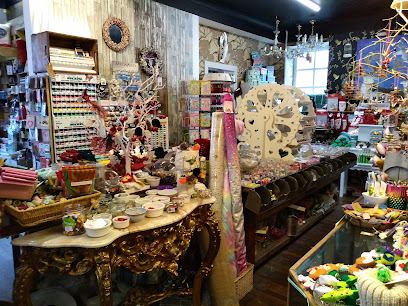
Explore J J Ribbons: A charming gift shop and haberdashery in Laxey, offering unique souvenirs and local crafts on the Isle of Man.
Whim Boutique
0.7 km
Explore unique fashion options at Whim Boutique in Laxey, Isle of Man, where local design meets contemporary style.
The Village Workshop
0.8 km
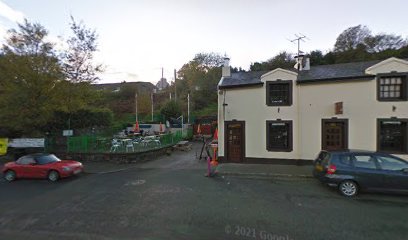
Discover bespoke fitted furniture and kitchen remodeling at The Village Workshop in Laxey, Isle of Man, where craftsmanship meets creativity.
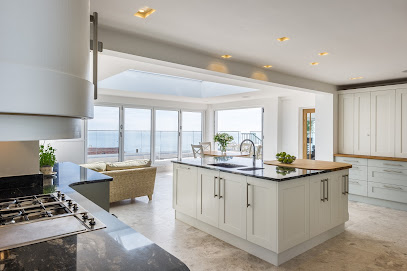
Laxey Gift Shop
0.8 km
Discover unique souvenirs and local crafts at Laxey Gift Shop, the perfect stop for tourists on the Isle of Man.
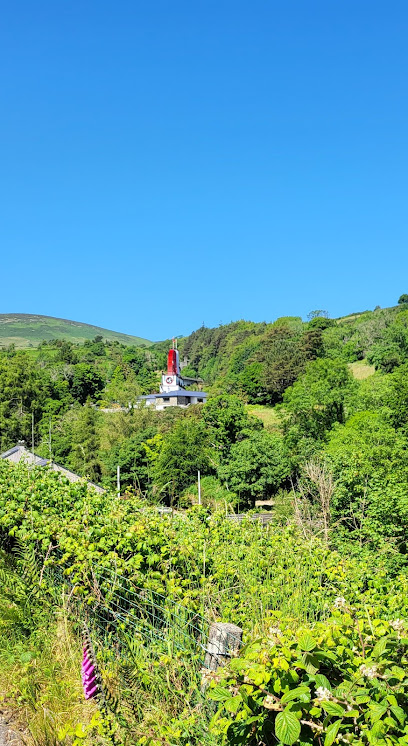
Skin and scent
1.9 km
Discover rejuvenating beauty and wellness at Skin and Scent, a premium health and beauty shop in Laxey, Isle of Man.
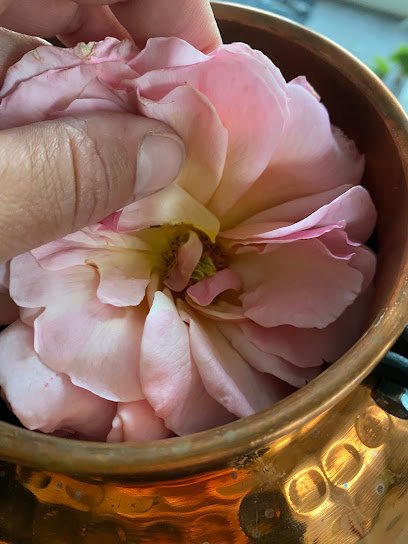
Essential bars & hidden hideouts

Mint Bar
6.8 km
Experience the cozy ambiance and delightful drinks at Mint Bar, a beloved local spot in Onchan, Isle of Man, perfect for tourists seeking relaxation.
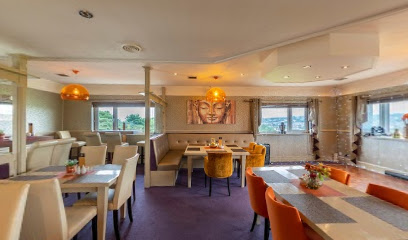
Archibald Knox
7.3 km
Discover the local charm and vibrant atmosphere of Archibald Knox Pub in Onchan, Isle of Man, where great food and drinks await.
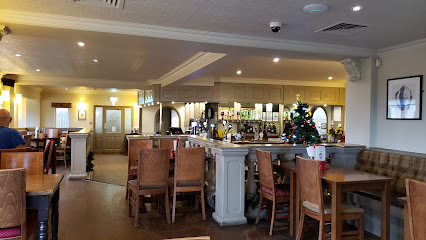
Raise The Bar
7.3 km
Experience the vibrant flavors of the Isle of Man with Raise The Bar, the premier mobile caterer bringing delicious dishes to you.
The Manx Arms
7.4 km
Discover the heart of Isle of Man's pub culture at The Manx Arms, where locals gather for good food, drinks, and camaraderie.
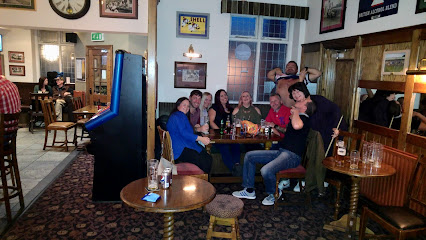
The Cat With No Tail
7.9 km
Discover the charm of The Cat With No Tail pub in Douglas, offering a warm atmosphere, local flavors, and a delightful drink selection.
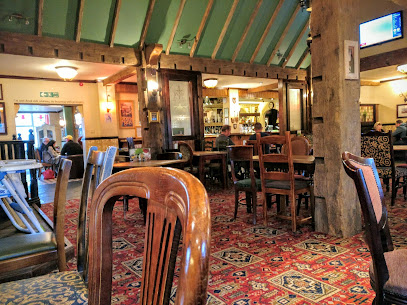
The Terminus Tavern
8.2 km
Discover the charm of The Terminus Tavern in Douglas, where local flavors meet a vibrant atmosphere for an unforgettable pub experience.
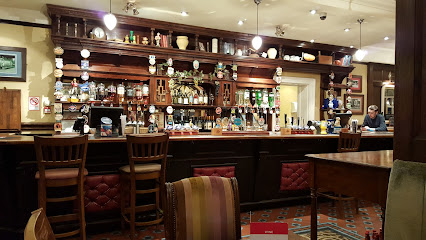
The Trackside
8.8 km
Experience the vibrant atmosphere of The Trackside, where local culture meets racing excitement in the heart of Douglas.
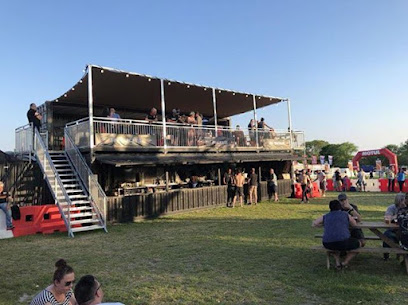
Looky's Lounge Bar
9.1 km
Discover Looky's Lounge Bar in Douglas: a vibrant bar with stunning views, extensive drinks, and a welcoming atmosphere for all visitors.
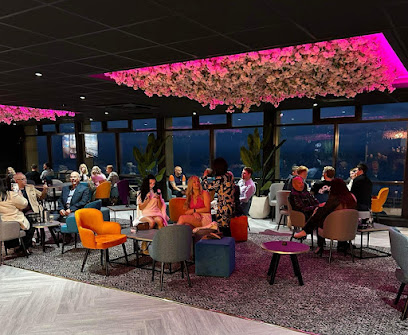
HQ Bar & Restaurant
9.3 km
Savor exquisite flavors and stunning views at HQ Bar & Restaurant in Douglas, Isle of Man, a perfect dining spot for every traveler.
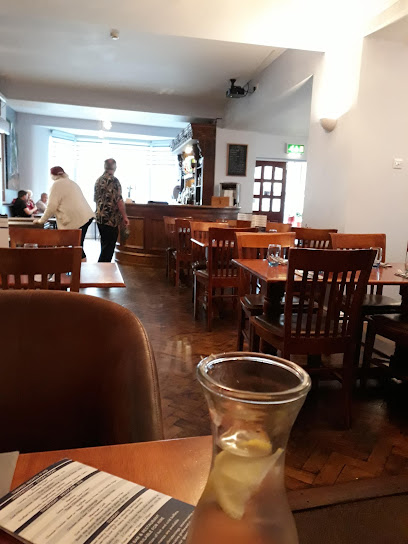
mshary al arabi
9.9 km
Experience the vibrant nightlife of the Isle of Man at Mshary Al Arabi, a bar that offers a unique blend of local charm and modern elegance.

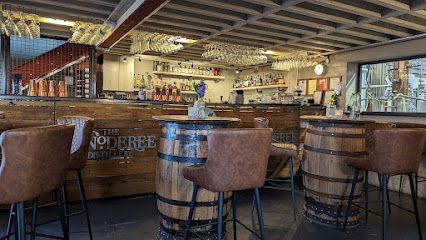
The Fynoderee Distillery
9.9 km
Discover the artistry of spirit-making at The Fynoderee Distillery, a unique cocktail bar and gift shop in Ramsey, Isle of Man.
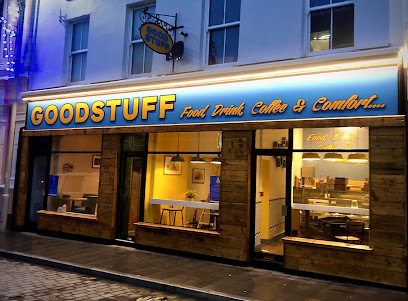
GoodStuff Restaurant IOM
10.0 km
Experience the best of British cuisine at GoodStuff Restaurant IOM in Ramsey, where fresh local ingredients meet exceptional culinary artistry.
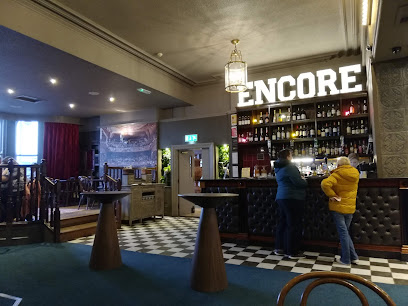
Sir Norman's Bar
10.0 km
Discover Sir Norman's Bar in Douglas: A lively venue for fine dining, refreshing drinks, and unforgettable live music experiences.
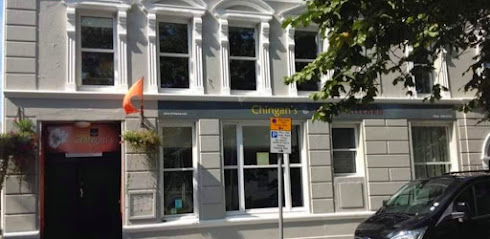
Chingan's Asian Kitchen
10.1 km
Experience the finest modern Indian cuisine at Chingan's Asian Kitchen in Ramsey, Isle of Man, where tradition meets contemporary dining.
Golden Phoenix Restaurant
10.1 km
Experience authentic Chinese cuisine in Ramsey, Isle of Man, at Golden Phoenix Restaurant, where every dish is a celebration of flavor and tradition.
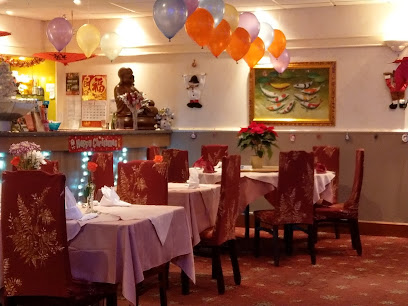
Nightclubs & after hour spots

Laxey Football Club
0.4 km
Discover the vibrant community spirit of Laxey Football Club, a cornerstone of Isle of Man's local culture and a thrilling sports venue for visitors.
Laxey Sailing Club
0.7 km
Experience the serene beauty and vibrant community of Laxey Sailing Club on the Isle of Man, perfect for sailing, relaxation, and local culture.
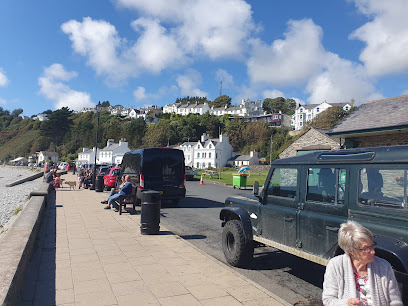
South Ramsey Bowling Club
9.5 km
Discover the charm of bowling at South Ramsey Bowling Club, a local favorite nestled in the scenic beauty of Ramsey, Isle of Man.
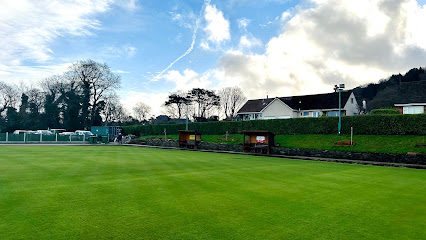
Isle of man
9.9 km
Discover the Isle of Man: A breathtaking island known for exhilarating sports events and rich cultural heritage amidst stunning landscapes.
R.A.O.B Club
10.2 km
Discover the R.A.O.B Club in Ramsey, a vibrant social hub where locals and tourists unite for friendship and fun on the Isle of Man.
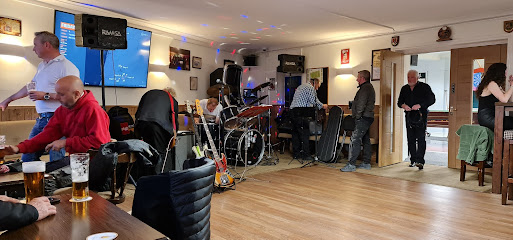
Manx Sailing & Cruising Club
10.3 km
Discover the vibrant maritime culture at the Manx Sailing & Cruising Club, a hub for sailing enthusiasts along Ramsey's scenic coastline.

1886 Bar & Grill
10.5 km
Experience the best of dining and nightlife at 1886 Bar & Grill in Douglas, where culinary delights meet vibrant entertainment.
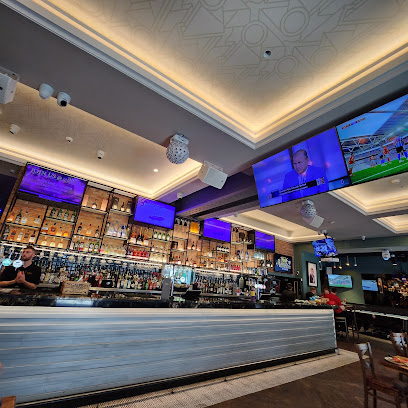
South Douglas Old Friends Association
10.5 km
Discover the heart of Douglas at the South Douglas Old Friends Association, a community bar offering a taste of Isle of Man's vibrant culture.
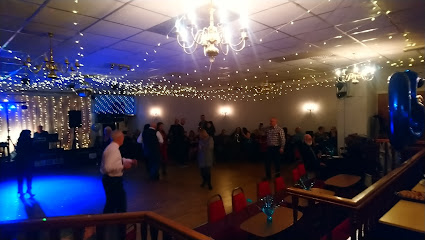
The Nags Head
10.6 km
Discover the vibrant atmosphere and local charm of The Nags Head Pub, a top destination for drinks and dancing in Douglas, Isle of Man.
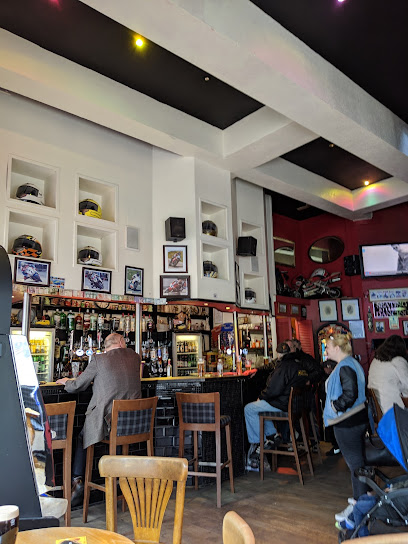
Ramsey crown green bowling club
10.6 km
Discover the local charm and community spirit at Ramsey Crown Green Bowling Club, where traditional bowling meets stunning landscapes.
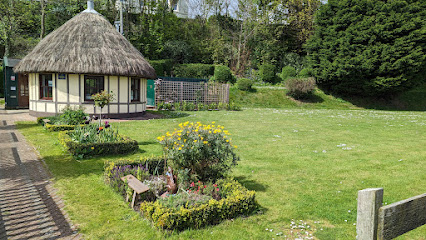
Thirsty Pigeon
10.6 km
Discover the vibrant atmosphere of Thirsty Pigeon, a must-visit pub in Douglas, Isle of Man, celebrated for its drinks and lively music nights.
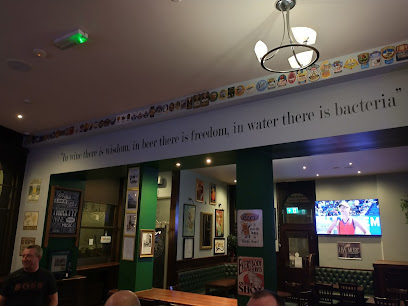
The Front Porch
10.6 km
Discover the vibrant atmosphere of The Front Porch, Douglas's premier bar, offering a lively nightlife experience on the Isle of Man.
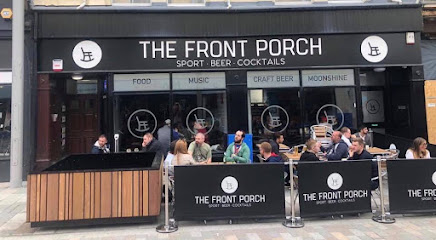
Bar George
10.7 km
Discover the enchanting Bar George in Douglas, where exquisite wines and delectable cuisine create unforgettable dining moments.
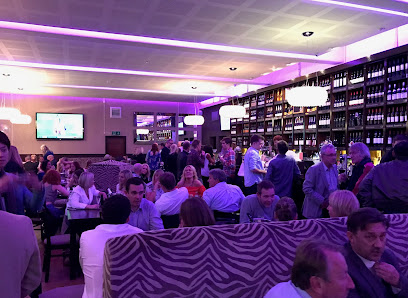
The Seven Sins Speakeasy
10.7 km
Experience the vibrant atmosphere and creative cocktails at The Seven Sins Speakeasy, Douglas' premier night club destination.
Manx Legion Club
10.7 km
Discover the lively spirit of Douglas at the Manx Legion Club, where history meets vibrant nightlife in the Isle of Man.

For the vibe & atmosphere seeker
- Tranquil
- Scenic
- Unique
- Historic
For the design and aesthetic lover
- Rustic Designs
For the architecture buff
- Historic
- Landmarks
For the view chaser and sunset hunter
- Iconic Views
- Panoramas
For the social media creator & influencer
- Instagrammable
- Photo Spots
For the eco-conscious traveler
- Protected Area
- Public-Transport Accessible
- Locally Managed
For the kind of experience you’re after
- Cultural Heritage
- Photowalk
- Day Trip
- Nature Escape
For how adventurous you want the journey to be
- Easy Access
Location Audience
- Family Friendly
- Senior Friendly
- Child Friendly
- Solo Friendly
- Couple Friendly


