
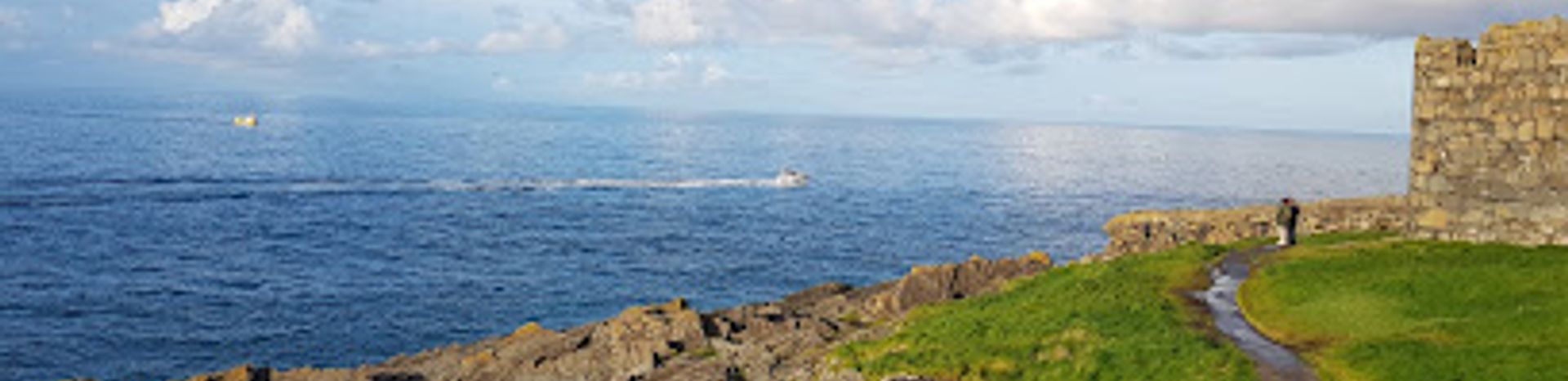
Peel Castle: Viking Fortress and Sacred Isle on the Isle of Man
Explore Peel Castle on St Patrick’s Isle — a captivating Viking fortress with ancient ruins, sweeping sea views, and rich Manx heritage.
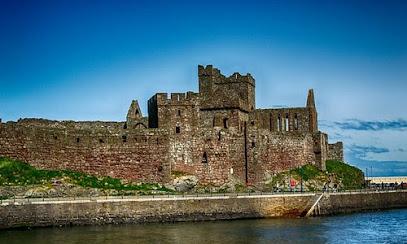
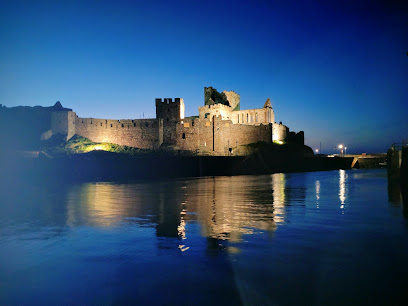
Perched on St Patrick’s Isle off the west coast of the Isle of Man, Peel Castle is a striking 11th-century Viking fortress built atop earlier Celtic monastic ruins. Surrounded by imposing red sandstone walls and battlements, the castle offers panoramic views of Peel and the Irish Sea. Visitors can explore ancient ruins including a cathedral, round tower, and gatehouse, while uncovering layers of history from early Christian monks to Napoleonic defenses.
A brief summary to Peel Castle
- West Quay, Peel, IM5 1TB, IM
- +441624648090
- Visit website
- Duration: 1 to 2 hours
- Mid ranged
-
 Outdoor
- Mobile reception: 4 out of 5
- Monday 11 am-4 pm
- Tuesday 11 am-4 pm
- Wednesday 11 am-4 pm
- Thursday 11 am-4 pm
- Friday 11 am-4 pm
- Saturday 11 am-4 pm
- Sunday 11 am-4 pm
Local tips
- Visit during daylight hours between 11 am and 4 pm to fully explore the castle grounds and enjoy panoramic views.
- Use the audio guide available on site to uncover the fascinating history and legends associated with Peel Castle.
- Wear sturdy footwear as the terrain around the castle includes uneven stone paths and battlements.
- Look out for local wildlife such as seals and basking sharks in the surrounding Irish Sea.

For the on-the-go comforts that matter to you
- Restrooms
- Seating Areas
- Information Boards
- Visitor Center
- Picnic Areas
- Trash Bins
Getting There
-
Bus
Take the local bus service from Douglas to Peel, which runs approximately every 30 minutes and takes around 45 minutes. From Peel town center, the castle is accessible via a 10-minute walk across the causeway. Bus fares typically range from £3 to £5.
-
Car
Driving from Douglas to Peel Castle takes about 30 to 40 minutes via the A1 and A4 roads. Free parking is available in Peel town near the harbour. Note that the castle is accessed on foot via the causeway, which may be slippery when wet.
-
Ferry and Walk
If arriving by ferry at Peel Harbour, the castle is a short 10-minute walk across the causeway to St Patrick’s Isle. The causeway is flat but exposed to weather conditions, so dress accordingly.
Peel Castle location weather suitability
-
 Any Weather
-
 Clear Skies
-
 Rain / Wet Weather
-
 Windy Conditions
-
 Mild Temperatures
Discover more about Peel Castle
Viking Origins and Early History
Peel Castle stands on St Patrick’s Isle, a small rocky islet connected to the town of Peel by a causeway. The site’s history stretches back to early Christian times, with Irish missionaries establishing a monastery here around 550 AD. The tall round tower, still visible today, was originally part of this Celtic monastery. The castle itself was founded in the 11th century by the Norwegian Viking King Magnus Barefoot, who erected wooden forts to secure his rule over the Kingdom of the Isles. Over time, these wooden structures were replaced by the imposing red sandstone walls and towers that define the castle’s silhouette.Medieval Fortifications and Religious Significance
Throughout the 14th and 15th centuries, Peel Castle evolved into a formidable fortress and religious center. The sandstone curtain walls, including the so-called Red Curtain and Green Curtain, were built to protect against Scottish raids and other threats. The castle housed the Cathedral of St German, the main church for the Diocese of Sodor and Man, whose crypt remains a haunting feature. Defensive additions such as loopholed walls were added in the 17th century to accommodate musketeers during the English Civil War. The castle’s gatehouse, with its vaulted guardroom and living quarters, was a critical stronghold guarding the vulnerable southern approach.Later Military Use and Decline
Peel Castle’s military importance persisted into the 19th century, with the construction of gun batteries and guardhouses during the Napoleonic Wars to defend against French threats. Local militia known as the fencibles manned these defenses. However, by the 1700s much of the castle’s interior buildings had fallen into ruin, with stones repurposed for newer fortifications. Today, the outer walls and curtain remain largely intact, enclosing the evocative ruins that tell the story of centuries of conflict and faith.Archaeology and Legendary Tales
Excavations in the 1980s uncovered remarkable finds including the remains of Magnus Barefoot’s original wooden fort, a 10th-century grave of the enigmatic “Pagan Lady” with a Viking necklace, and a cache of silver coins from around 1030. The castle is also famed for its ghostly legend of the Moddey Dhoo, a spectral black dog said to haunt the grounds. These discoveries enrich the visitor experience, connecting tangible history with local folklore.Visitor Experience and Natural Setting
Today, Peel Castle is managed by Manx National Heritage and open to visitors from 11 am to 4 pm daily during the season. The extensive grounds invite leisurely exploration of battlements, towers, and ruins, with panoramic views over Peel town, the harbour, and the Irish Sea. Wildlife enthusiasts may spot seals, basking sharks, or even dolphins nearby. The castle’s audio guides and information boards provide rich context, making it a top destination for history lovers and nature admirers alike.Preservation and Cultural Importance
Peel Castle is a cherished symbol of the Isle of Man’s layered history, from Iron Age settlements through Viking conquest to medieval governance and beyond. Its preservation reflects the island’s commitment to safeguarding cultural heritage. The castle’s dramatic location and evocative ruins offer a tangible link to the past, inviting reflection on the island’s unique identity and enduring stories.Iconic landmarks you can’t miss

Sculpture of Fenella
0.1 km
Explore the Sculpture of Fenella in Ramsey, Isle of Man - a historic landmark steeped in local legend and artistic beauty, perfect for all tourists.
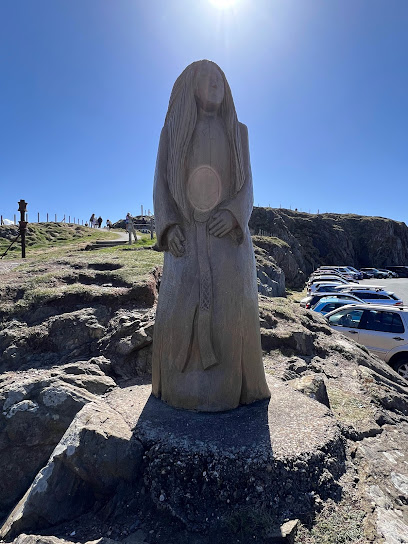
Oie Voaldyn
0.3 km
Experience elegance and charm at Oie Voaldyn, a premier event venue in Peel, Isle of Man, perfect for your unforgettable celebrations.

Peel Harbour Marina
0.3 km
Explore the scenic beauty and vibrant culture of Peel Harbour Marina, a charming coastal gem on the Isle of Man.
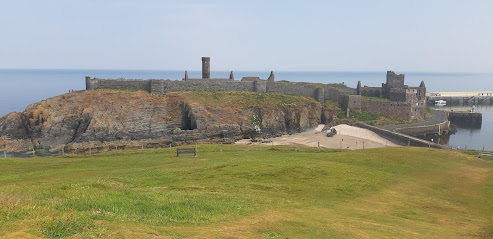
Visit Mann Tours
0.3 km
Explore the stunning Isle of Man with Visit Mann Tours, your gateway to unforgettable experiences in the beautiful town of Peel.

Ruins of St Peter's Church
0.4 km
Discover the enchanting Ruins of St Peter's Church in Peel, a historical landmark offering breathtaking views and a glimpse into the Isle of Man's rich heritage.

The Fernleigh
0.7 km
Experience the warmth and charm of The Fernleigh in Peel, a guest house offering stunning views and local hospitality on the beautiful Isle of Man.
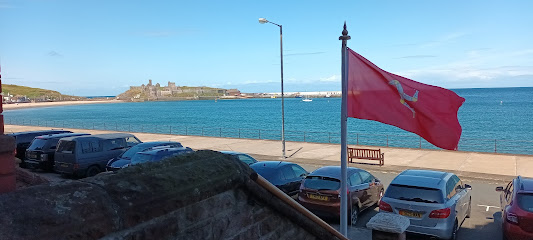
The Waldick Hotel
0.7 km
Discover comfort and charm at The Waldick Hotel, your perfect base for exploring the picturesque Isle of Man and its stunning coastal scenery.

Albany House Bed and Breakfast
0.8 km
Experience the warmth of Isle of Man hospitality at Albany House Bed and Breakfast, your cozy retreat in Peel near stunning coastlines and historical sites.
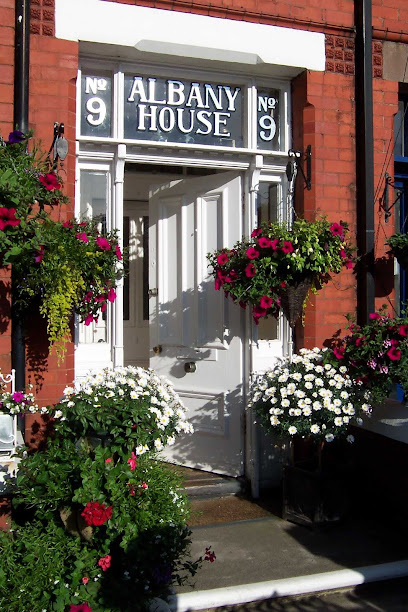
Albany Isle of Man Tea and Tours
0.8 km
Experience the beauty and culture of the Isle of Man with Albany Isle of Man Tea and Tours, your gateway to unforgettable sightseeing adventures.
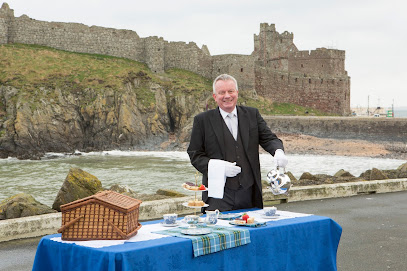
Peel Hill
1.7 km
Discover the breathtaking vistas and tranquil nature of Peel Hill on the Isle of Man, a scenic escape for every traveler.
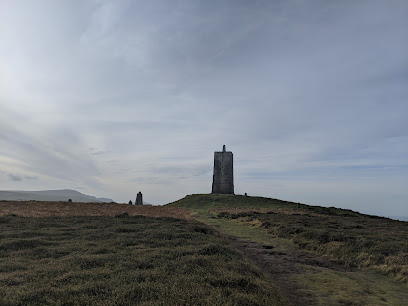
Knockaloe Beg Farm, B&B, Self-catering, Hostels & Glamping
1.9 km
Discover the charm of Knockaloe Beg Farm, your perfect base for exploring the beautiful Isle of Man with cozy accommodations and stunning scenery.
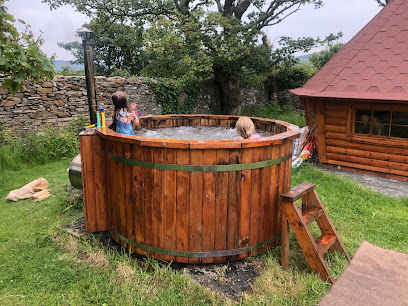
Langtoft Manor
2.4 km
Discover the charm of Langtoft Manor, a cozy bed and breakfast in Peel, Isle of Man, ideal for a relaxing getaway amidst stunning landscapes.
Tynwald Hill
4.4 km
Explore the historical significance of Tynwald Hill, the heart of Isle of Man's governance and a stunning landmark rich in cultural heritage.
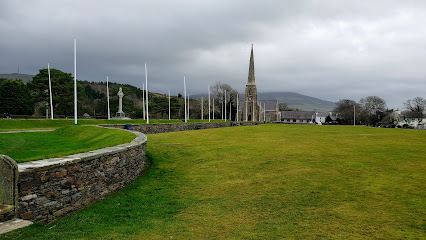
Tynwald Cl
4.6 km
Explore the historic charm of St John's, Isle of Man, home to Tynwald Hill and rich in culture, heritage, and stunning landscapes.
Glen Cottage
4.7 km
Experience the serene charm of Glen Cottage, a cozy retreat in Glenmaye, Isle of Man, perfect for nature lovers and tranquility seekers.
Unmissable attractions to see

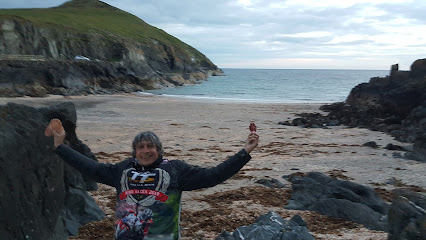
Peel Beach
0.2 km
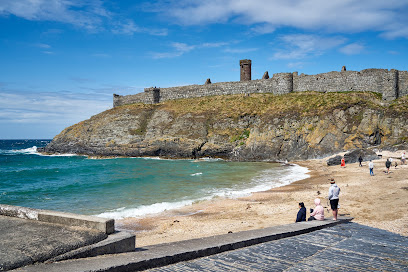
Discover the enchanting Peel Beach on the Isle of Man, where breathtaking views, rich history, and local culture come together for a perfect getaway.
Leece Museum
0.2 km
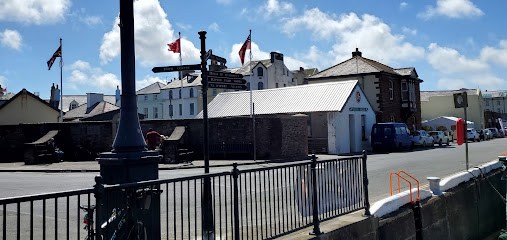
Explore the fascinating history of the Isle of Man at Leece Museum, a heritage gem in Peel showcasing local culture and maritime stories.
The Old Bonded Warehouse
0.3 km
Discover Peel’s largest antique treasure trove with three floors of collectibles and furniture in a warm, historic setting on the Isle of Man.
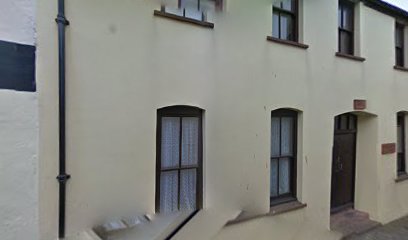
Castle Street Gardens
0.3 km
Discover the tranquil beauty of Castle Street Gardens in Peel, Isle of Man, a community garden perfect for relaxation and nature appreciation.
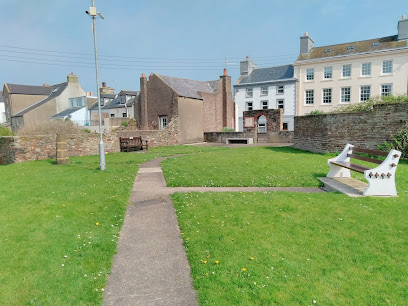
Peel
0.4 km
Experience the picturesque charm of Peel, Isle of Man, with its historic castle, beautiful beaches, and vibrant local culture.
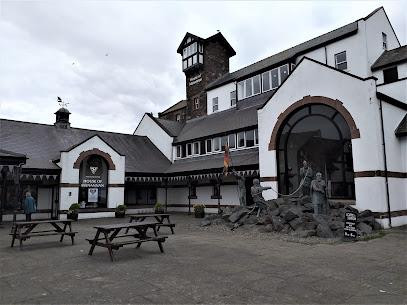
House of Manannan
0.5 km
Discover the Isle of Man's rich maritime history and vibrant culture at the House of Manannan museum in Peel.
Manx Transport Heritage Museum
0.6 km
Discover the rich history of transportation on the Isle of Man at the Manx Transport Heritage Museum, showcasing vintage vehicles and engaging exhibits.
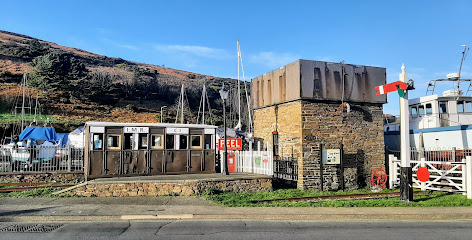
St. German's Cathedral
0.7 km
Discover the architectural beauty and rich history of St. German's Cathedral in Peel, Isle of Man, a serene retreat for every traveler.

Cathedral Gardens, Peel, Isle of Man, IM5 1HH
0.7 km
Discover the tranquil beauty of Cathedral Gardens in Peel, Isle of Man, a serene escape rich in history and natural landscapes.
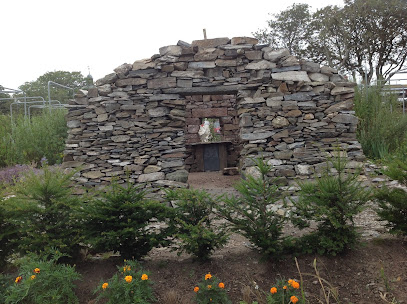
Traie Fagog
1.1 km
Explore the lush landscapes and serene ambiance of Traie Fagog, a tranquil park in Peel, Isle of Man, perfect for relaxation and family outings.
Mourne view beach
1.1 km
Explore the breathtaking Mourne View Beach in Peel, Isle of Man, where stunning landscapes meet outdoor adventure and relaxation.
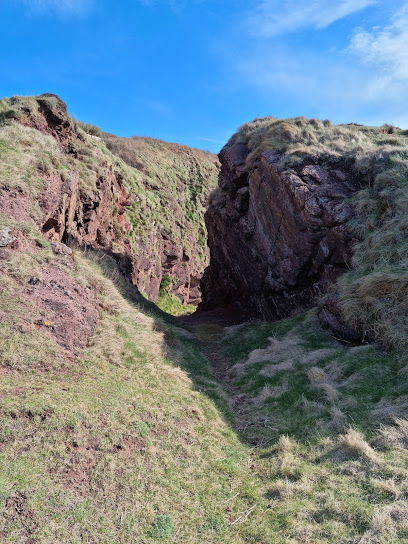
Corrin's Tower
1.7 km
Discover the breathtaking views and rich history of Corrin's Tower, a must-visit landmark on the Isle of Man, perfect for all travelers seeking adventure and beauty.
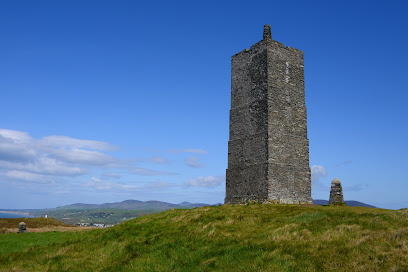
The Raggatt
1.7 km
Explore The Raggatt on the Isle of Man, a serene park offering lush landscapes, scenic views, and a perfect escape into nature for all visitors.
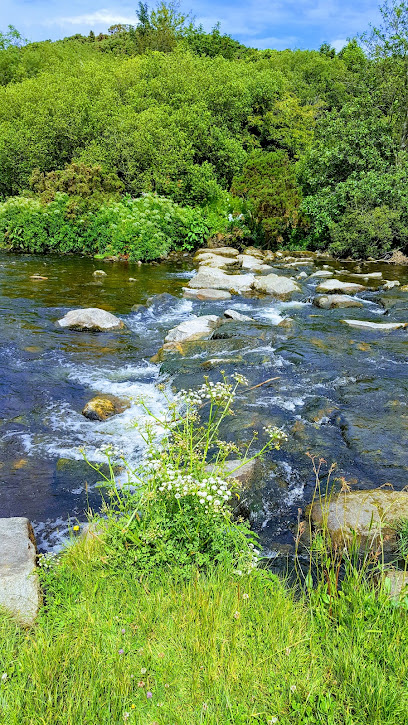
Centre for WW1 Internment, Knockaloe and Patrick Community Centre
2.4 km
Discover the profound stories of the WW1 internment at the Centre for WW1 Internment in Patrick, Isle of Man, and connect with history like never before.
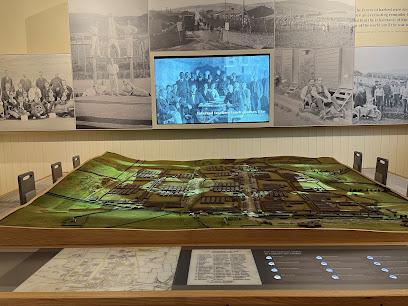
White Strand Beach
2.8 km
Experience the serene beauty of White Strand Beach on the Isle of Man, a perfect spot for relaxation, adventure, and breathtaking coastal views.
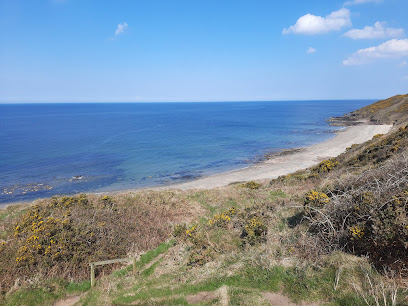
Essential places to dine

The Fish Bar Delicatessen
0.1 km
Experience fresh seafood delights at The Fish Bar Delicatessen in Peel, Isle of Man - where local flavors meet culinary excellence.
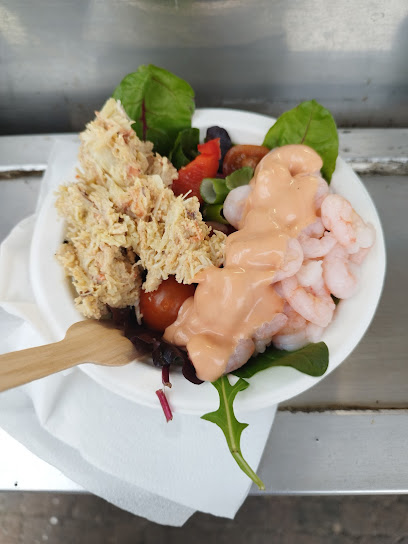
Peveril Hotel
0.2 km
Experience comfort and local charm at Peveril Hotel in Peel, Isle of Man - your perfect base for exploring stunning coastal attractions.
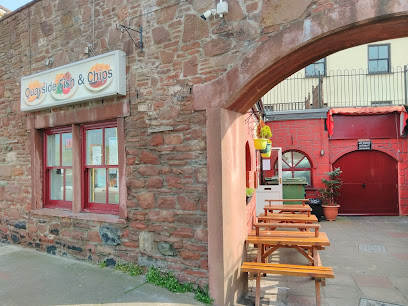
Quayside Fish & Chips
0.3 km
Experience authentic British fish and chips at Quayside Fish & Chips in Peel - where every bite tells a story.
Jade Harbour
0.3 km
Experience the essence of Chinese cuisine at Jade Harbour in Peel – where flavor meets tradition in a cozy atmosphere.
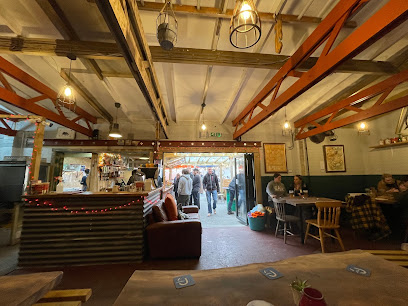
Black Dog Oven
0.3 km
Experience artisanal pizzas at Black Dog Oven in Peel—where fresh ingredients meet cozy atmosphere for an unforgettable dining experience.
The Marine Hotel
0.3 km
Experience breathtaking views and exquisite local cuisine at The Marine Hotel in Peel - your perfect coastal getaway.
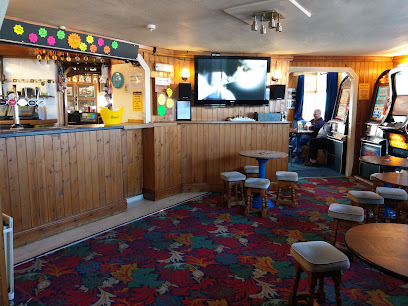
Harbour Lights Café & Restaurant
0.3 km
Experience delightful English cuisine with stunning coastal views at Harbour Lights Café & Restaurant in Peel, Isle of Man.
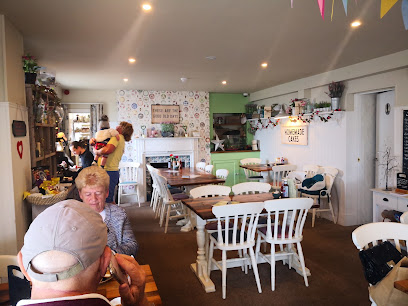
The Cod And Castle
0.3 km
Experience authentic British fish & chips at The Cod And Castle in Peel, Isle of Man—where quality seafood meets seaside charm.
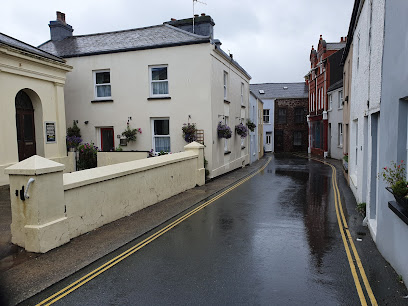
The Boatyard Restaurant
0.3 km
Discover The Boatyard Restaurant in Peel - where fresh flavors meet stunning waterfront views for an unforgettable dining experience.
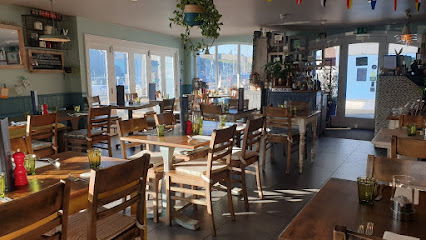
Indian Kitchen by Flavours
0.4 km
Experience the authentic taste of India at Indian Kitchen by Flavours in Peel - where every dish tells a story.
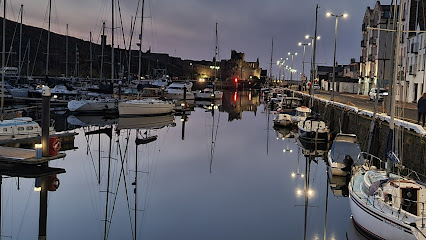
Kingsland chinese takeaway
0.5 km
Experience authentic Chinese flavors at Kingsland Chinese Takeaway in Peel - where every dish tells a story.

D.D's
0.5 km
Discover D.D's in Peel for an unforgettable breakfast experience filled with delicious food and friendly service in a cozy atmosphere.
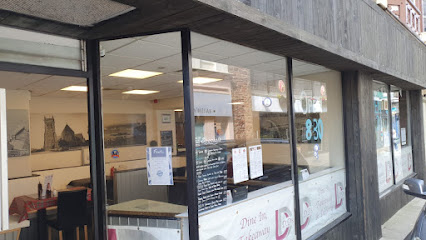
Royal India
0.5 km
Experience authentic Indian cuisine at Royal India in Peel - a culinary gem offering flavorful dishes in a welcoming atmosphere.
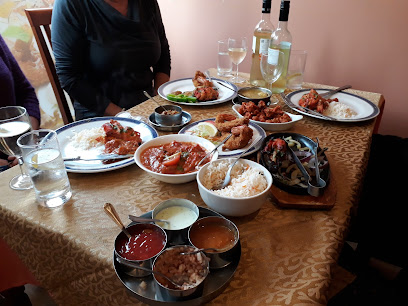
De Roni Pizza & Grill
0.5 km
Experience the best pizza and fast food at De Roni Pizza & Grill in Peel – perfect for families and tourists craving delicious meals.

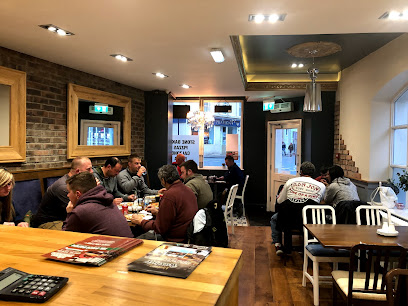
Anatolia Takeaway
0.6 km
Indulge in authentic Italian flavors at Anatolia Takeaway – where every slice tells a story of culinary excellence.
Markets, malls and hidden boutiques

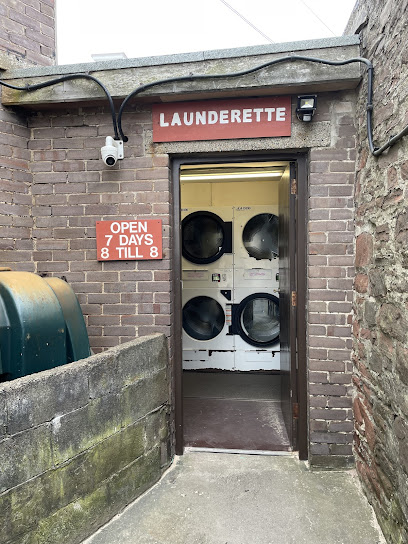
Peel Launderette
0.2 km
Discover the convenience of Peel Launderette - your go-to laundry service while exploring the stunning Isle of Man.
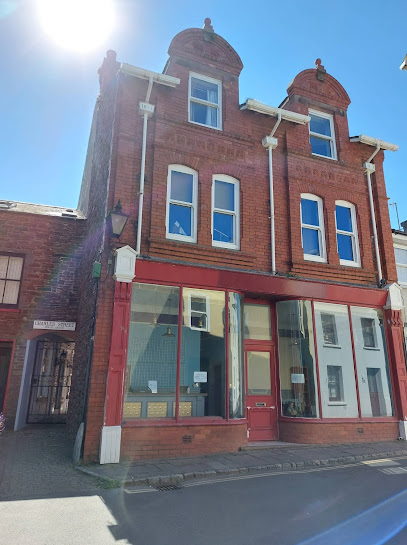
Mannin Music Shop
0.3 km
Explore Mannin Music Shop in Peel, Isle of Man, a must-visit music store with a unique selection of instruments and a welcoming atmosphere for all music lovers.
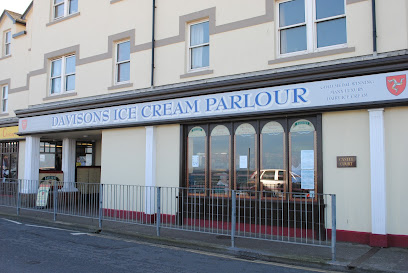
Davisons Ice Cream Parlour, Peel
0.3 km
Discover the irresistible flavors of Davisons Ice Cream Parlour in Peel, Isle of Man, where every scoop is a delightful experience.
Fresh Ink Tattoo IOM
0.3 km
Discover Fresh Ink Tattoo in Peel, Isle of Man – where artistry meets individuality in a stunning coastal setting.

Peel Charity Shop
0.3 km
Explore the charm of Peel Charity Shop, where every visit uncovers unique secondhand treasures while supporting local charities.
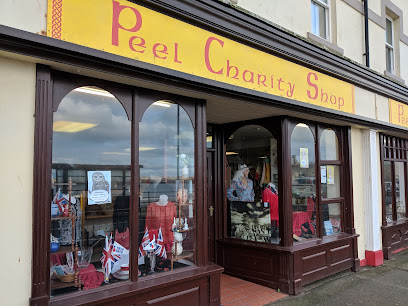
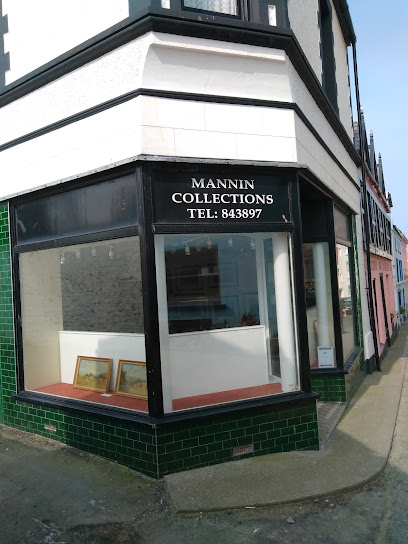
Mannin Collections Ltd
0.4 km
Explore the enchanting world of antiques at Mannin Collections Ltd in Peel, Isle of Man, where every item has a history waiting to be uncovered.
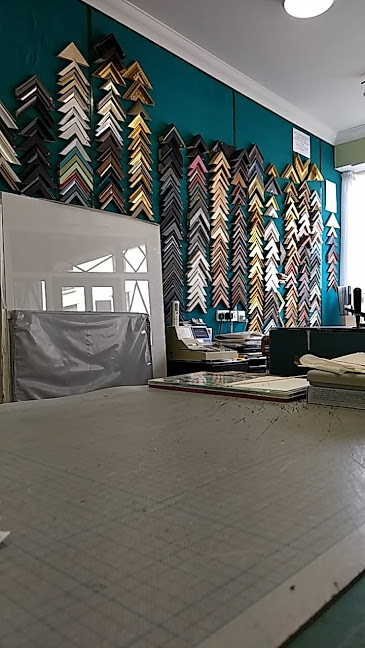
City Framing
0.4 km
Discover the art of framing at City Framing in Peel, Isle of Man, where your memories are beautifully showcased.
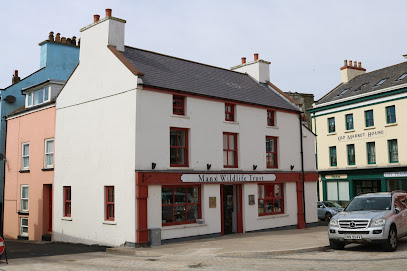
Manx Wildlife Trust Gift Shop
0.4 km
Explore the Manx Wildlife Trust Gift Shop in Peel for unique local crafts and wildlife-themed treasures that celebrate the Isle of Man's natural beauty.
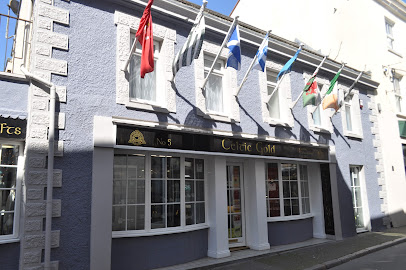
Celtic Gold
0.4 km
Discover the exquisite craftsmanship of Celtic Gold, a premier jewelry designer in Peel, Isle of Man, where every piece tells a story.
Roots by the Sea
0.4 km
Discover the coastal charm of Roots by the Sea, a delightful coffee shop in Peel offering exquisite brews and homemade treats with stunning sea views.
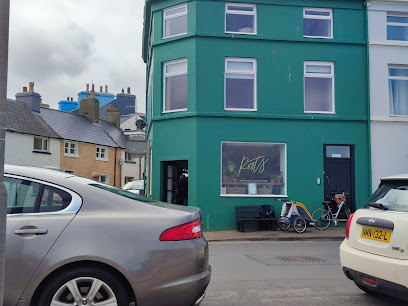
Bare Necessities
0.4 km
Explore Bare Necessities in Peel for exquisite lingerie and personalized service that caters to every taste and preference.
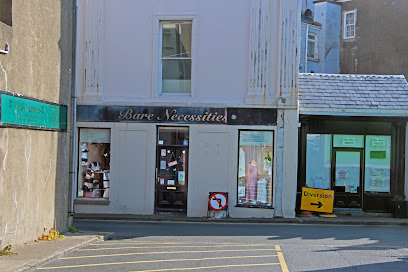
Floral Wishes
0.4 km
Discover Floral Wishes in Peel, where stunning floral arrangements and local beauty bloom in every corner of this charming florist.
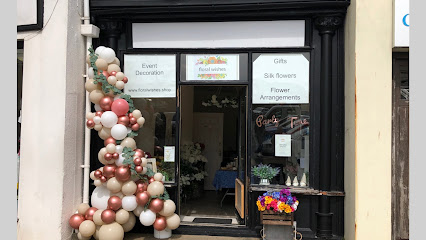
Co-op Food - Peel
0.4 km
Discover convenience shopping at Co-op Food in Peel, offering a variety of local and international products to meet all your travel needs.
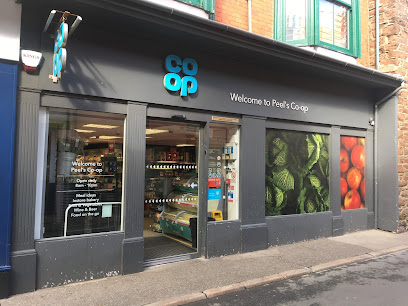
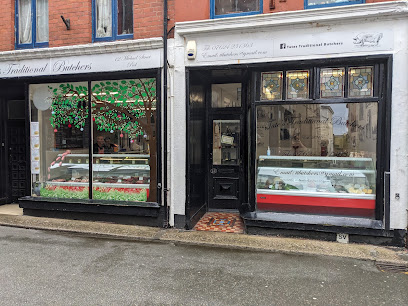
Tate's Traditional Butchers
0.5 km
Explore Isle of Man's culinary heritage at Tate's Traditional Butchers, where quality meats come from local farms, bringing authentic flavors to your table.
Avrils
0.5 km
Explore Avrils Antique Store in Peel, Isle of Man, where history comes alive with a unique collection of vintage treasures and curiosities.
Essential bars & hidden hideouts

The Peveril
0.2 km
Experience the charm of The Peveril, a cozy bar in Peel, Isle of Man, known for its local ales, delicious food, and vibrant atmosphere.
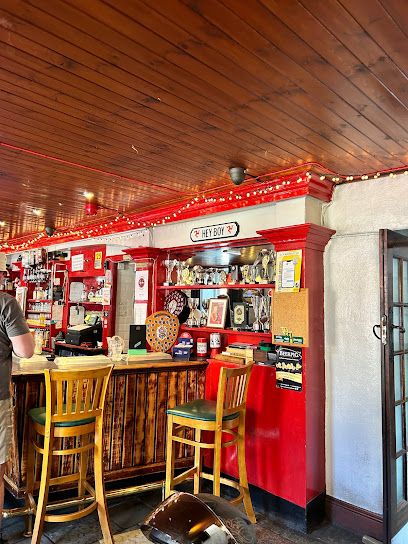
The Central Peel
0.3 km
Experience the warmth and charm of The Central Peel, a cozy pub offering delightful food, local ales, and a welcoming atmosphere in the heart of Peel.
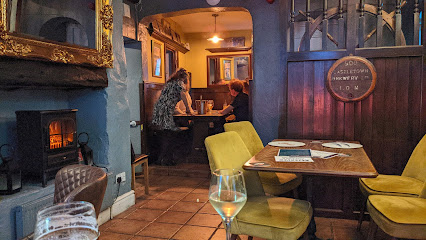
The Creek Inn
0.4 km
Enjoy the warmth of The Creek Inn in Peel, where local flavors and stunning lakeside views come together for an unforgettable pub experience.
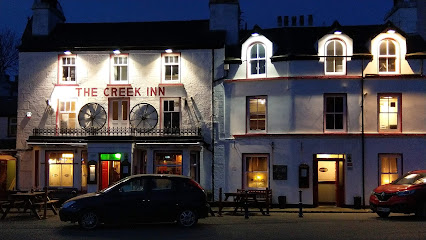
The Miller’s T’Ale
0.5 km
Experience the heart of Isle of Man hospitality at The Miller’s T’Ale, where local brews and traditional fare come together in a cozy pub atmosphere.
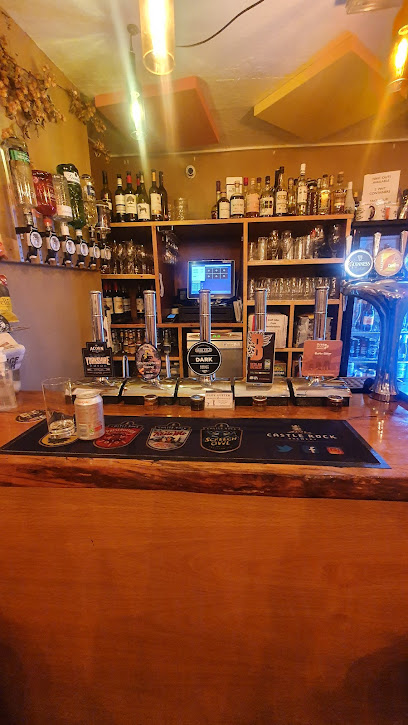
Royal Hotel
0.5 km
Experience the warmth and charm of the Royal Hotel, a must-visit pub in Peel, Isle of Man, offering delightful food and local beverages.
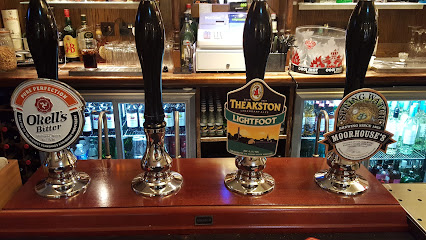
White House Hotel
0.6 km
Experience the warmth and charm of the White House Hotel in Peel, Isle of Man – a cozy pub with local brews and traditional dishes.
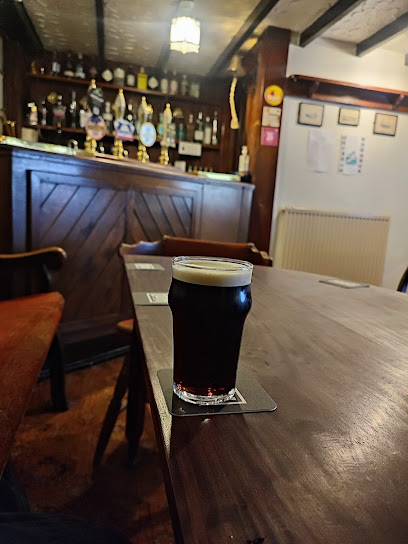
The Highwayman
1.5 km
Experience the charm of The Highwayman, a cozy pub in Peel, Isle of Man, offering local ales and delightful pub fare in a warm atmosphere.
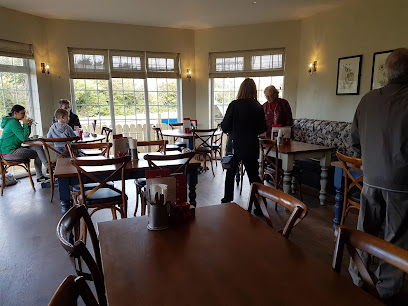
Tynwald Hill Inn
4.4 km
Discover the heart of the Isle of Man at Tynwald Hill Inn, a cozy pub offering traditional meals and local charm in St John's.
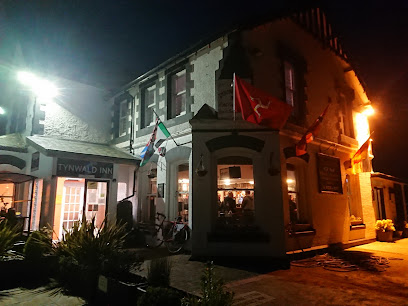
Baltic Inn
7.3 km
Discover the vibrant atmosphere of Baltic Inn, a beloved bar on the Isle of Man, perfect for savoring local drinks and connecting with fellow travelers.
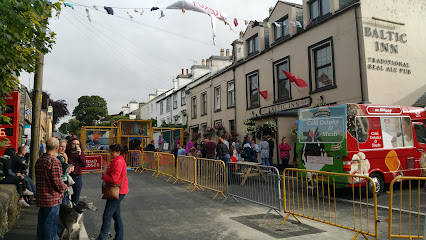
The Mitre Pub
9.5 km
Experience the warmth of The Mitre Pub in Kirk Michael, where local ales and hearty meals meet traditional Isle of Man hospitality.
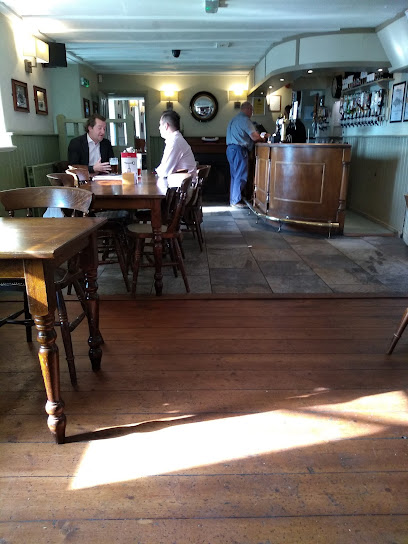
mshary al arabi
9.8 km
Experience the vibrant nightlife of the Isle of Man at Mshary Al Arabi, a bar that offers a unique blend of local charm and modern elegance.
Kirk Michael
10.0 km
Discover the charm of Kirk Michael, a vibrant village on the Isle of Man with a lively bar scene, rich history, and stunning coastal views.
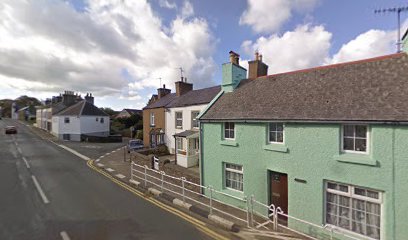
The Heron
14.4 km
Discover the charm of The Heron, a cozy pub in Douglas offering local ales and a warm atmosphere for an unforgettable experience.
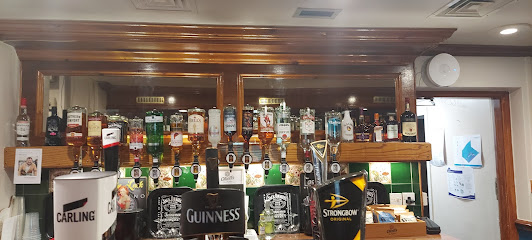
The Whitestone Inn
15.0 km
Experience the warmth and charm of The Whitestone Inn, a traditional pub on the Isle of Man offering local cuisine and a cozy atmosphere.
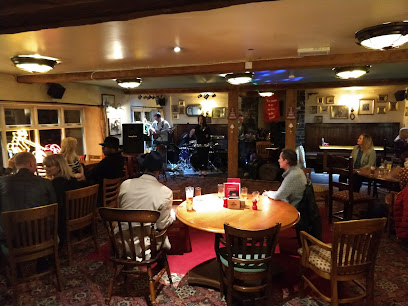
The Cat With No Tail
15.2 km
Discover the charm of The Cat With No Tail pub in Douglas, offering a warm atmosphere, local flavors, and a delightful drink selection.
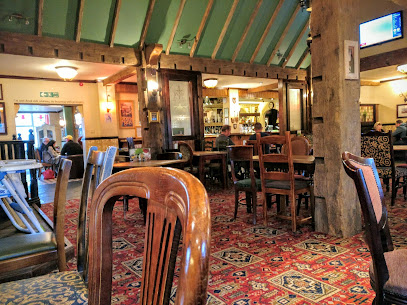
Nightclubs & after hour spots

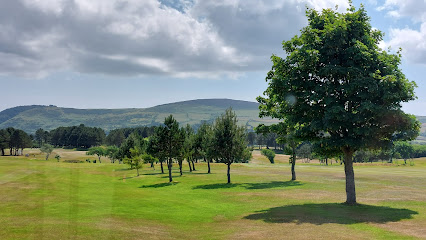
Peel Golf Club
1.0 km
Discover the breathtaking Peel Golf Club, where stunning landscapes meet a top-notch golfing experience on the Isle of Man.
The Black Dub
4.7 km
Experience the vibrant nightlife of the Isle of Man at The Black Dub, a lively bar and event venue that embraces local culture and entertainment.

The Crosby
9.6 km
Discover the heart of Crosby at The Crosby pub, where local brews and hearty meals create an unforgettable experience on the Isle of Man.
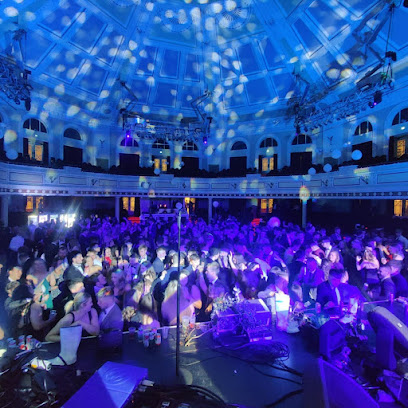
MC Entertainment
9.7 km
Experience unforgettable events with top-notch DJ services and event planning at MC Entertainment in Kirk Michael, Isle of Man.
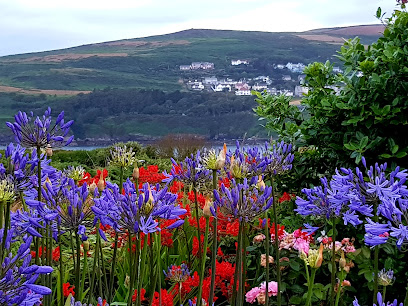
Isle of man
9.8 km
Discover the Isle of Man: A breathtaking island known for exhilarating sports events and rich cultural heritage amidst stunning landscapes.
Rowany Golf Club
15.6 km
Discover Rowany Golf Club – a stunning golfing paradise on the Isle of Man, where breathtaking views and lush landscapes await every golfer.
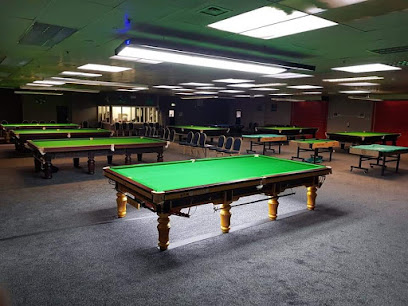
The Cue Zone IOM
15.9 km
Experience the thrill of pool billiards at The Cue Zone IOM, the Isle of Man's premier destination for players of all skill levels.
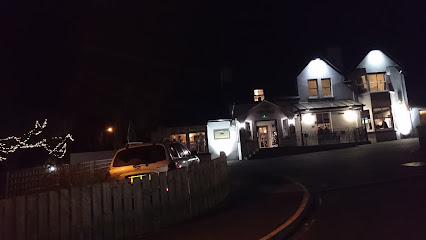
The Haven
16.1 km
Discover The Haven, a cozy pub in Port Erin, Isle of Man, offering local flavors, friendly service, and a welcoming atmosphere perfect for tourists.

The Riddler under the Nest
16.2 km
Experience the vibrant nightlife at The Riddler under the Nest in Port Erin, where great drinks and music create unforgettable moments.
Castletown Rifle Club
16.4 km
Discover the excitement of shooting sports at Castletown Rifle Club, the Isle of Man's premier destination for adventure and fun.
Bay Hotel
16.4 km
Discover the Bay Hotel: A lively pub in Port Erin, Isle of Man, offering drinks, delicious food, and vibrant live music in a cozy setting.
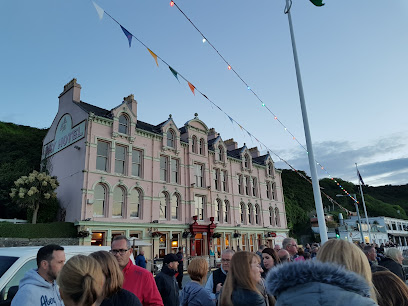
Bar George
16.4 km
Discover the enchanting Bar George in Douglas, where exquisite wines and delectable cuisine create unforgettable dining moments.

The Seven Sins Speakeasy
16.4 km
Experience the vibrant atmosphere and creative cocktails at The Seven Sins Speakeasy, Douglas' premier night club destination.
The Original Quids Inn
16.4 km
Experience the vibrant nightlife at The Original Quids Inn, a must-visit live music and karaoke bar on the Isle of Man.
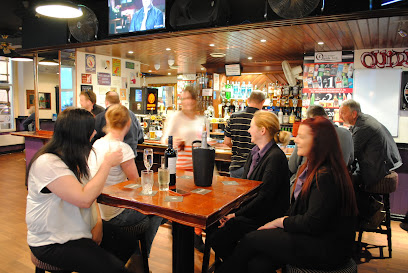
Castletown Football Club
16.4 km
Discover the excitement of local football culture at Castletown Football Club, where community spirit meets sporting passion on the Isle of Man.
For the vibe & atmosphere seeker
- Scenic
- Tranquil
- Historic
- Unique
For the design and aesthetic lover
- Rustic Designs
- Vintage Styles
For the architecture buff
- Historic
- Landmarks
- Sacred Sites
- Heritage Neighborhoods
For the view chaser and sunset hunter
- Iconic Views
- Panoramas
- Waterfront
- Sunset Spots
For the social media creator & influencer
- Instagrammable
- Photo Spots
- Selfie Spots
- Architectural Shots
For the eco-conscious traveler
- Protected Area
- Public-Transport Accessible
- Locally Managed
For the kind of experience you’re after
- Cultural Heritage
- Photowalk
- Nature Escape
- Day Trip
- Weekend Getaway
- Myth & Legends
For how adventurous you want the journey to be
- Easy Access
Location Audience
- Family Friendly
- Senior Friendly
- Child Friendly
- Teen Friendly
- Wheelchair Access
- Pet Friendly
- Solo Friendly
- Couple Friendly
- Vegetarian Friendly
- Vegan Friendly


