
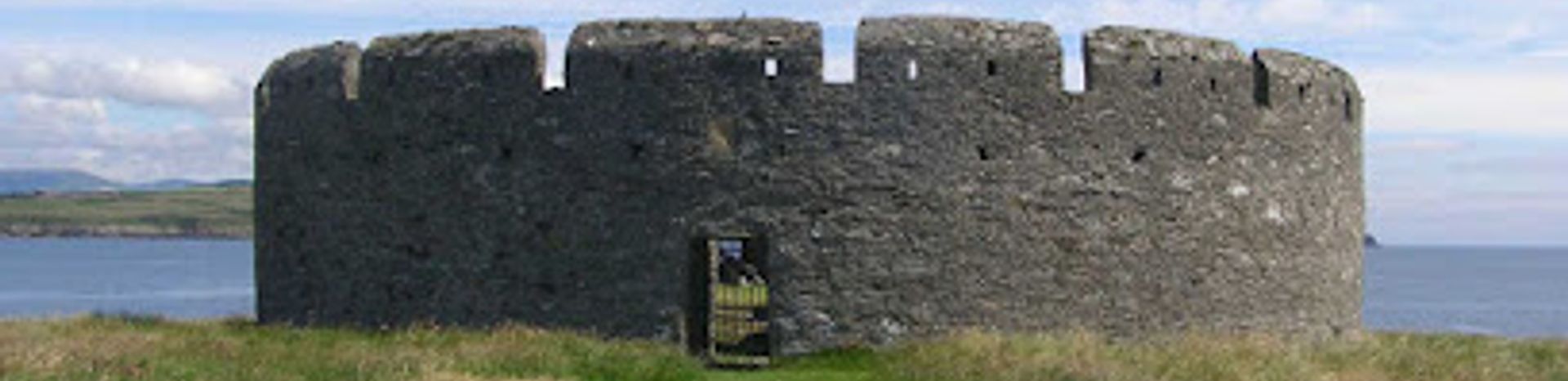
St. Michael's Chapel on Fort Island, Isle of Man
Explore the evocative 12th-century St. Michael's Chapel and Tudor fort on a tranquil rocky isle steeped in Isle of Man’s maritime and spiritual history.
St. Michael's Chapel is a 12th-century Norse-Celtic ruin located on St. Michael's Isle, also known as Fort Island, off the south-east coast of the Isle of Man. This small rocky island features the remains of a three-cell limestone chapel built on an earlier Celtic keeill site, surrounded historically by a burial ground used until the late 19th century. The island also hosts a Tudor-era fort, reflecting its strategic maritime importance. Open year-round with no admission fee, it offers a peaceful historic site accessible via a narrow causeway.
A brief summary to St. Michael's Chapel
- 2 Langness, Isle of Man, IM
- Duration: 0.5 to 2 hours
- Free
-
 Outdoor
- Mobile reception: 4 out of 5
- Monday 12 am-12 am
- Tuesday 12 am-12 am
- Wednesday 12 am-12 am
- Thursday 12 am-12 am
- Friday 12 am-12 am
- Saturday 12 am-12 am
- Sunday 12 am-12 am
Local tips
- Visit during daylight hours to fully appreciate the ruins and surrounding coastal views.
- Wear sturdy footwear for the walk across the narrow causeway and uneven terrain on the island.
- Bring a camera to capture the atmospheric ruins and scenic vistas of Derbyhaven Bay.
- Check tide times if planning to explore nearby coastal paths, as the causeway can be affected by high tides.

For the on-the-go comforts that matter to you
- Restrooms
- Seating Areas
- Information Boards
- Parking
Getting There
-
Car
From Douglas, take the A5 towards Castletown and the Airport, approximately 25-30 minutes. Continue past King William's College, then follow local signs to Langness and Fort Island. Parking is available near the causeway; note the narrow access road and causeway bridge require cautious driving.
-
Bus
Take the local bus service from Douglas to Castletown, then a connecting bus or taxi to Langness. Bus frequency is moderate; check current timetables. Walking from Langness to the causeway is approximately 20 minutes on flat terrain.
-
Walking
For active visitors, walking from Castletown to St. Michael's Isle is a scenic 1.5-hour route along coastal paths and minor roads. Terrain is mostly flat but includes some uneven surfaces. Suitable for most fitness levels but not wheelchair accessible.
St. Michael's Chapel location weather suitability
-
 Any Weather
-
 Clear Skies
-
 Mild Temperatures
-
 Rain / Wet Weather
Discover more about St. Michael's Chapel
Ancient Origins and Religious Heritage
St. Michael's Chapel stands on St. Michael's Isle, a small rocky island off the Isle of Man's south-east coast, known also as Fort Island. The chapel dates back to the 12th century and was constructed by Norse-Celtic Christians using limestone blocks, originally featuring a slate roof. It is a three-cell rectangular structure distinguished by a bell-cote at its western end. The chapel was built upon the site of an earlier Celtic keeill, reflecting a long-standing spiritual significance that likely extends back to the Early Middle Ages. Its surrounding burial ground was used for centuries, including by the Catholic community and for shipwreck victims, with graves dating from early medieval times through to the late 19th century.Strategic Maritime Location and Military History
The island's strategic position at the entrance to Derbyhaven Bay made it a vital defensive site. Fort Island hosts Derby Fort, constructed in the 1540s by order of King Henry VIII to defend against French and Spanish threats. The fort was later refurbished during the English Civil War in the 1640s. Earlier earthworks nearby suggest the site had been fortified since at least the Viking Age. The island witnessed significant battles in the 13th century as English, Scottish, and Manx forces contested control of the Isle of Man. These layers of military history underscore the island’s enduring importance in regional defense and maritime surveillance.Architectural Features and Preservation
The chapel’s architecture is notable for its simple yet purposeful design, divided into nave, chancel, and sanctuary. Its walls still stand, though the roof is long gone, leaving an evocative ruin. Features such as stone bench bases along the walls and a possible priest’s cell or lodging area highlight its ecclesiastical function. Despite centuries of use and occasional restoration, the chapel retains much of its original footprint and character. The site remains a place of memorialisation, with floral offerings often found inside the locked chapel space, reflecting its continued cultural resonance.Natural Setting and Visitor Experience
St. Michael's Isle is a small, rocky island with acidic soil supporting maritime plant communities. Connected to the Langness Peninsula by a narrow causeway built in the late 18th century, the island offers visitors a tranquil and scenic environment. The walk to the chapel and fort is pleasant and peaceful, providing views of Castletown Bay and Derby Haven. The site is open year-round with free access, inviting exploration of its historic ruins and natural surroundings without admission fees.Community and Cultural Significance
Beyond its historical and architectural importance, St. Michael's Chapel continues to be a focal point for remembrance and cultural heritage on the Isle of Man. The chapel and its burial grounds have been in use for many centuries, connecting contemporary visitors with the island’s deep spiritual and maritime past. Managed by Manx National Heritage, the site is preserved as a testament to the island’s layered history, from early Christian worship to Tudor military defense and beyond.Accessibility and Practical Information
Visitors can reach St. Michael's Isle via a causeway from Langness, near Castletown. The causeway is narrow and requires caution when crossing. The site is open all year with no admission charge, though donations are welcomed to support heritage conservation. Facilities nearby include parking and walking paths. The chapel and fort ruins are outdoors and best visited in fair weather, offering a peaceful historical retreat within easy reach of the Isle of Man’s south coast.Iconic landmarks you can’t miss

Langness
0.8 km
Explore the serene beauty of Langness on the Isle of Man, where breathtaking coastal views and rich history await every traveler.

Ronaldsway Battlefield
1.1 km
Uncover the rich military history of the Isle of Man at Ronaldsway Battlefield, a serene landmark that invites exploration and reflection.
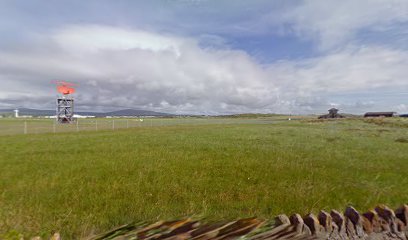
Castletown Lighthouse
2.8 km
Discover the historic Castletown Lighthouse, a maritime landmark offering breathtaking views and a glimpse into the rich heritage of the Isle of Man.
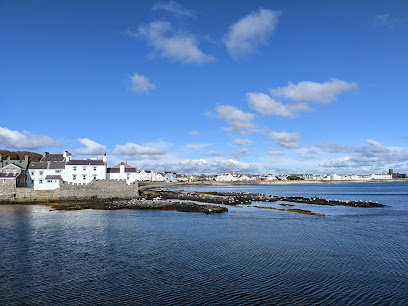
The Sidings
2.8 km
Experience the warmth and charm of The Sidings, a cozy pub in Castletown, offering local cuisine and a welcoming atmosphere for all visitors.
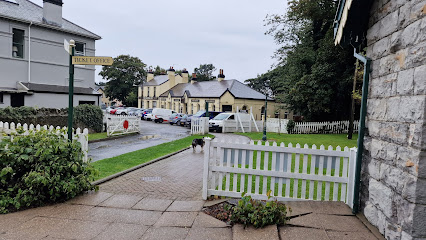
Castletown City and Sea view
2.8 km
Explore the historical charm and stunning coastal views of Castletown City and Sea View, a must-visit landmark on the Isle of Man.
John Wesley Column
3.0 km
Discover the historical significance of the John Wesley Column in Castletown, a captivating landmark that reflects the Isle of Man's rich cultural heritage.
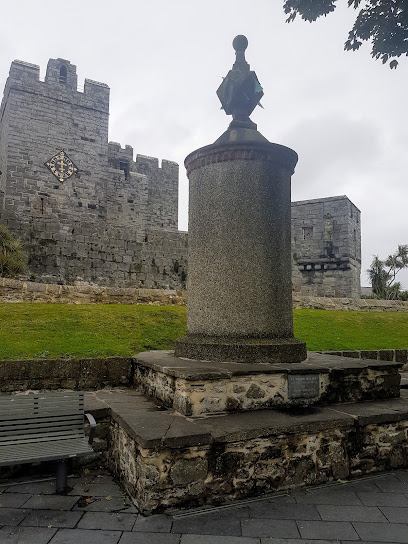
War Memorial
3.0 km
Explore the War Memorial in Castletown, a historical landmark that honors local heroes and enriches your travel experience with its profound heritage.
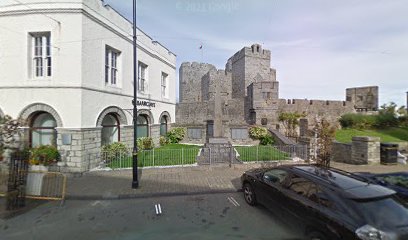
Isle of man
3.0 km
Explore the Isle of Man: A captivating destination with stunning landscapes, rich history, and unique culture in the heart of the Irish Sea.
The Square, Castletown
3.0 km
Explore The Square in Castletown: a delightful shopping mall with local boutiques and cafes, perfect for a unique cultural experience.
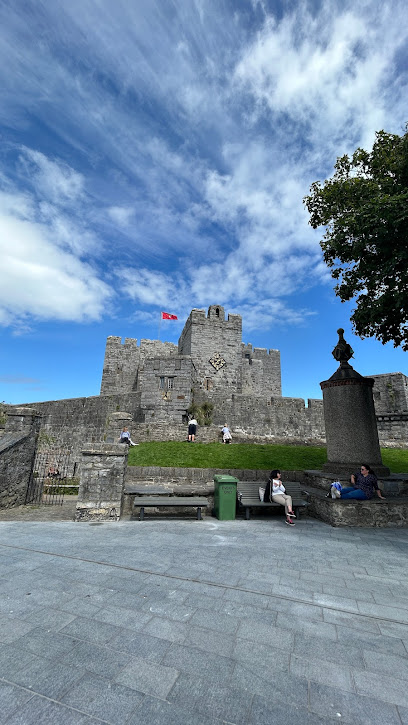
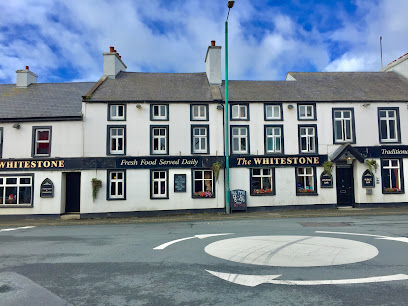
The Whitestone Inn
3.0 km
Experience the warmth of The Whitestone Inn in Ballasalla, Isle of Man—where local brews and hearty meals await every traveler.
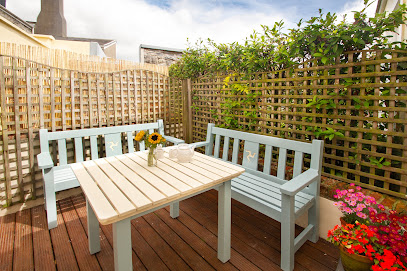
Mariner's Cottage Isle of Man
3.0 km
Experience the charm of Mariner's Cottage in Castletown, a perfect holiday home for exploring the scenic beauty and rich history of the Isle of Man.
Time Out Castletown
3.1 km
Discover the culinary delight of Time Out Castletown, a popular noodle shop in Isle of Man, serving fresh, flavorful Asian dishes in a cozy setting.

Isle of Man Chamber of Commerce
3.1 km
Explore the architectural beauty and cultural significance of the Isle of Man Chamber of Commerce in Castletown, a hub of local enterprise and heritage.
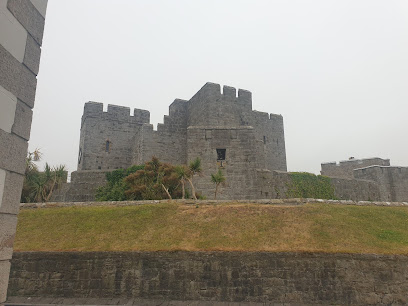
Cronk darragh cottage
3.1 km
Discover the serene beauty of Cronk Darragh Cottage in Castletown, Isle of Man, your perfect homestay for an unforgettable getaway.
Reayrt Mie
3.1 km
Discover the charm of Ballasalla at Reayrt Mie, your cozy and comfortable apartment complex on the breathtaking Isle of Man.
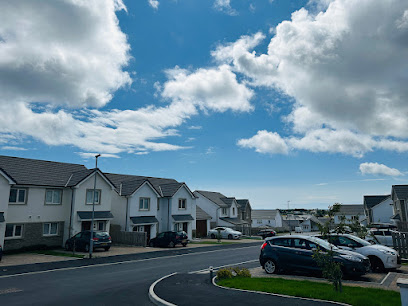
Unmissable attractions to see

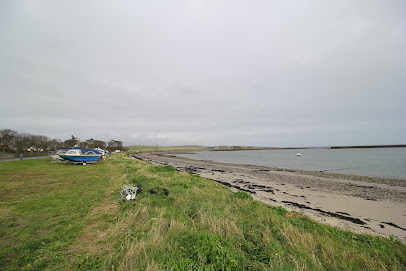
Derbyhaven Beach
1.1 km
Experience the tranquil beauty of Derbyhaven Beach, where serene sands meet stunning blue seas on the Isle of Man.
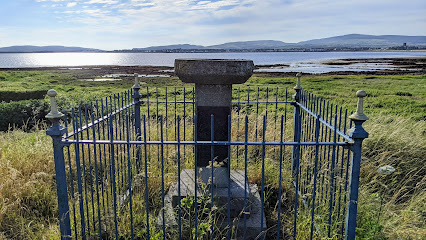
Madoc's Memorial and Poyll Breinn
1.3 km
Discover the natural beauty and avian wonders at Madoc's Memorial and Poyll Breinn on the Isle of Man.
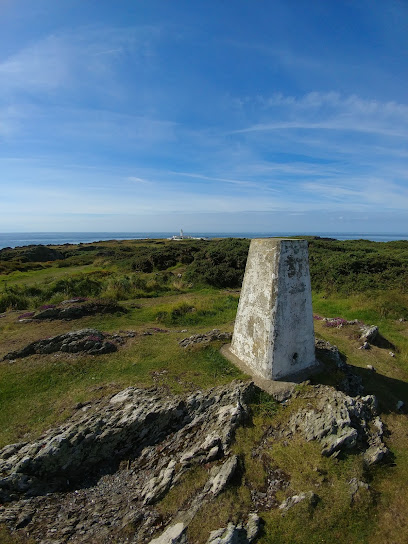
The Herring Tower
1.9 km
Explore the Herring Tower on the Isle of Man, a historic landmark offering breathtaking coastal views and a glimpse into the island's seafaring heritage.
Manx Aviation and Military Museum
2.3 km
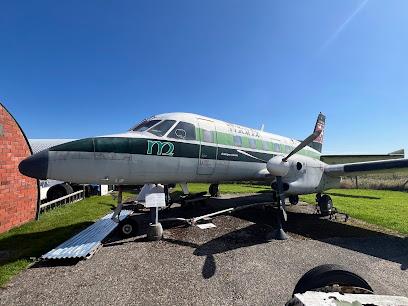
Explore the Isle of Man's aviation and military heritage at the Manx Aviation and Military Museum, a captivating tourist attraction at the airport.
The Legs of Man
2.3 km
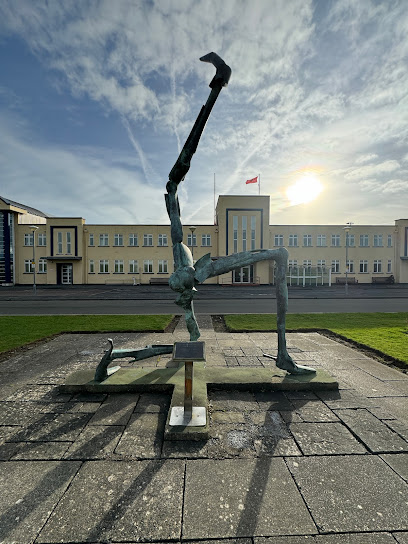
Discover the captivating beauty and rich folklore of The Legs of Man, a must-visit tourist attraction on the Isle of Man.
THE REAL Southernmost point of Isle of Man
2.5 km
Explore the breathtaking Southernmost Point of the Isle of Man, where stunning coastal views and serene nature await every traveler.
Isle of Man Railway - Castletown Station
2.8 km
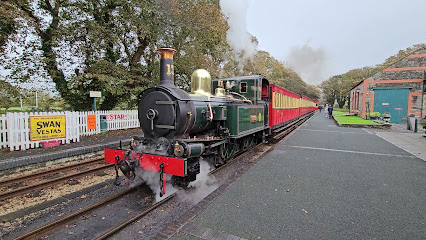
Step back in time at Castletown Station, the bustling heritage hub of the Isle of Man Railway, blending historic charm with scenic island adventures.
The Nautical Museum
2.8 km
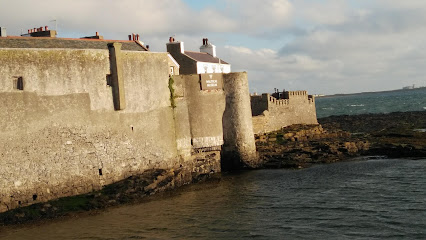
Explore the rich maritime heritage of the Isle of Man at The Nautical Museum in Castletown, a must-visit for history and sea enthusiasts.
Pulsom park
2.9 km
Discover the tranquil beauty of Pulsom Park in Castletown, Isle of Man - a perfect spot for relaxation and family fun amidst stunning natural landscapes.
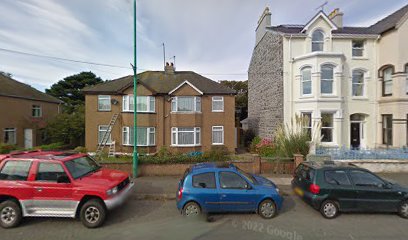
Lorne House
2.9 km
Explore the historical allure of Lorne House in Castletown, Isle of Man, where architecture meets rich cultural heritage.
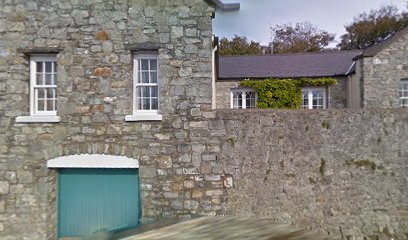
The Old House of Keys
2.9 km
Discover the rich political history of the Isle of Man at The Old House of Keys in Castletown, a captivating museum experience for all ages.
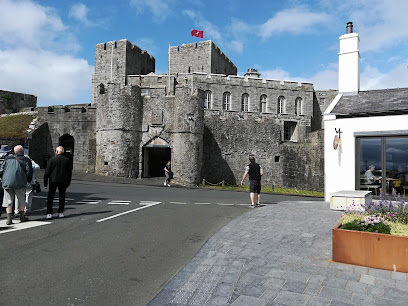
Old Grammar School
2.9 km
Explore the Old Grammar School in Castletown, a historical museum that offers a captivating insight into the Isle of Man's educational past.
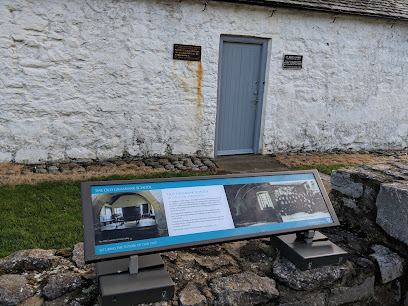
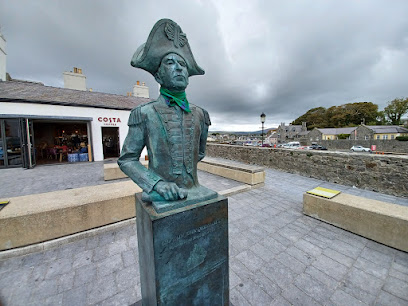
Captain Quilliam Statue
2.9 km
Explore the Captain Quilliam Statue in Castletown, a stunning tribute to maritime heritage and local artistry in the heart of the Isle of Man.
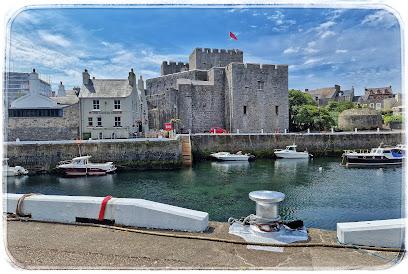
Castle Rushen
2.9 km
Explore Castle Rushen, a historical landmark in Isle of Man, where medieval history meets breathtaking architecture and stunning views.
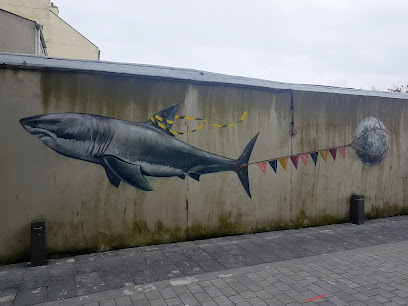
Shark Mural
3.0 km
Explore the creative heart of Castletown at the Shark Mural, a vibrant testament to local artistry and a perfect photo opportunity for travelers.
Essential places to dine

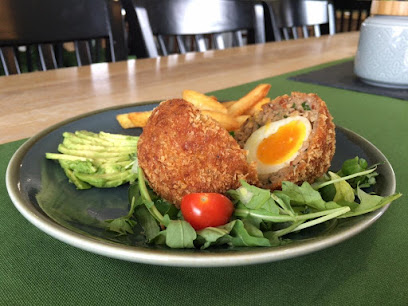
Bay Green Restaurant
0.4 km
Experience exquisite local cuisine at Bay Green Restaurant on the scenic Isle of Man – where every dish tells a story.
Café Bar Two Six
1.1 km
Discover Café Bar Two Six: A cozy spot in Ballasalla offering delicious brunches and freshly brewed coffee amidst local charm.
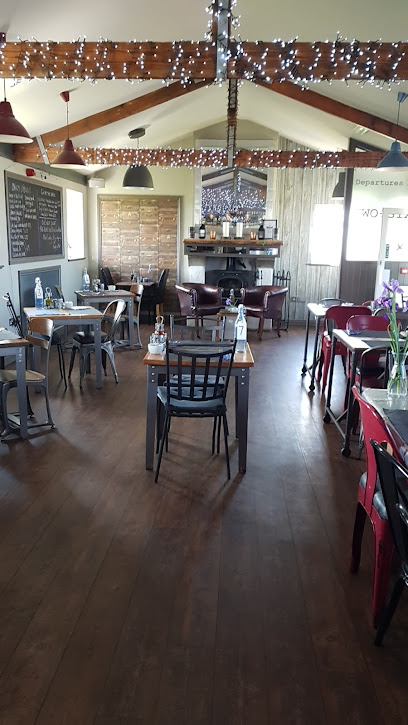
Kelly's Café
2.5 km
Discover delightful dining at Kelly's Café on the Isle of Man—where local flavors meet cozy ambiance for an unforgettable culinary experience.
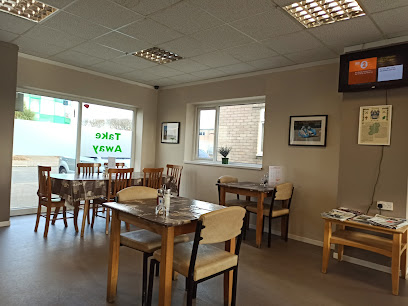
Kizuna
2.9 km
Discover Kizuna: A premier destination in Castletown for authentic Japanese cuisine featuring expertly crafted dishes in a serene atmosphere.
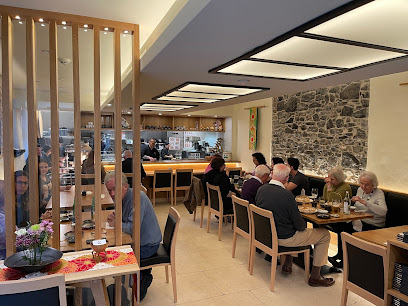
Leonardo's Restaurant
3.0 km
Experience authentic Italian flavors in Castletown at Leonardo's Restaurant - where every meal is a celebration of culinary tradition.
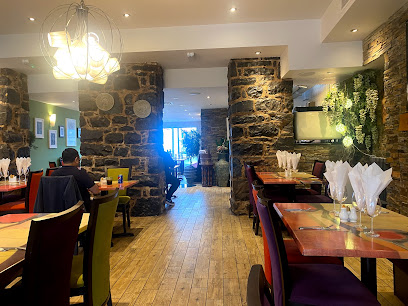
Garrison
3.0 km
Discover Garrison in Castletown – where local flavors meet contemporary cuisine in a charming setting.
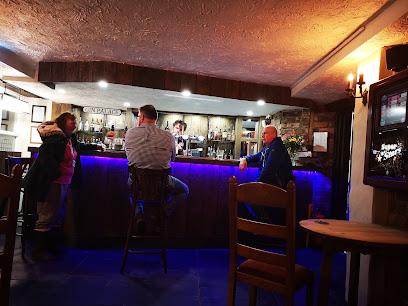
The George Hotel
3.0 km
Discover the perfect blend of history and modernity at The George Hotel, your culinary destination in Castletown.
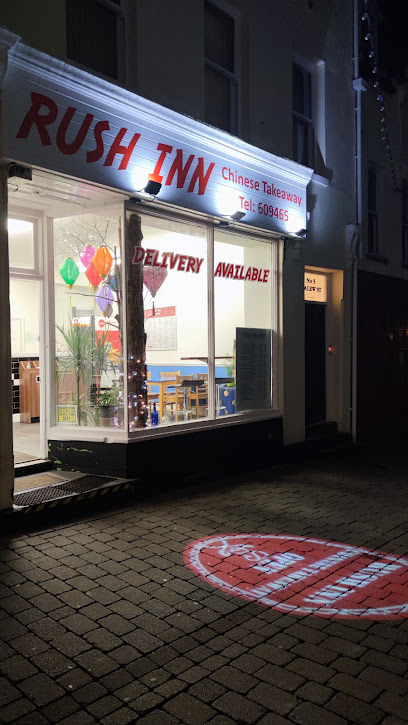
Rush Inn Chinese Takeaway
3.1 km
Experience the best of Chinese cuisine at Rush Inn Takeaway in Castletown—where authentic flavors meet local charm.
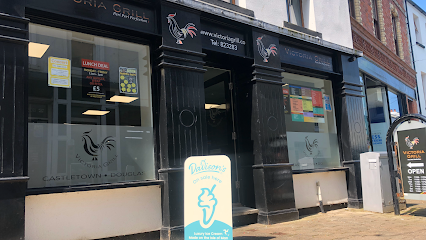
Victoria Grill
3.1 km
Discover the mouthwatering peri-peri chicken at Victoria Grill in Castletown - your perfect takeout spot on the Isle of Man.
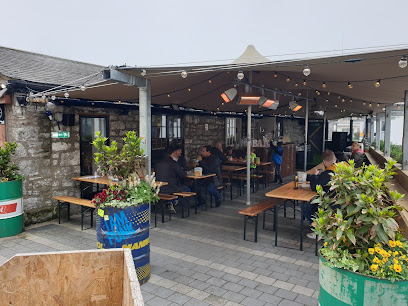
Secret Pizza
3.1 km
Savor authentic Italian pizza amidst live music and vibrant atmosphere at Secret Pizza in Castletown.
Tuscany Restaurant
3.1 km
Experience authentic Italian cuisine at Tuscany Restaurant in Castletown - where every dish is crafted with passion and served with warmth.
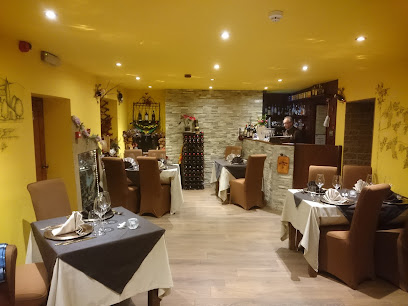
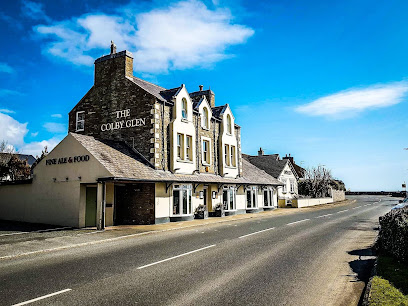
The Colby Glen
6.7 km
Experience the charm of The Colby Glen in Isle of Man - your go-to pub for delicious food and local brews.
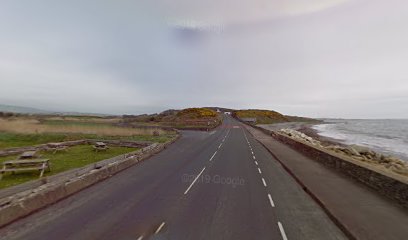
The Shore
7.5 km
Discover breathtaking coastal views at The Shore while enjoying delightful food and drinks in an inviting bar atmosphere.
Shore Hotel, Gansey
7.5 km
Discover breathtaking coastal views and exceptional hospitality at Shore Hotel in Gansey – your perfect retreat on the Isle of Man.
The Forge
7.7 km
Discover the culinary delights at The Forge in Mount Murray, where every meal is crafted with care and local flavor.
Markets, malls and hidden boutiques

WHSmith
2.3 km
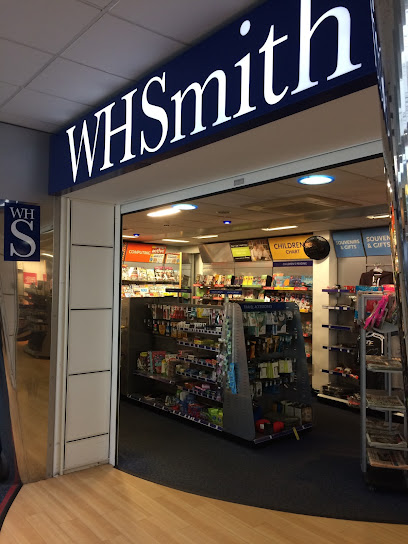
Discover WHSmith at Isle of Man Airport for a variety of books, stationery, and travel essentials—perfect for every traveler.
Gander Limited
2.3 km
Discover local flavors and essentials at Gander Limited, Ballasalla's premier grocery store offering a delightful shopping experience.

Manx Pack Ltd
2.3 km
Discover the perfect coffee experience at Manx Pack Ltd in Ballasalla, where quality brews meet a cozy atmosphere.

Tile Gallery
2.4 km
Discover exquisite tile artistry at Tile Gallery in the Isle of Man, where creativity meets craftsmanship in stunning designs.
POPCornaa - Craft Confections
2.4 km
Discover the delightful world of gourmet popcorn at POPCornaa in Ballasalla, where flavors meet creativity in every bite.
Castletown Textiles
2.5 km
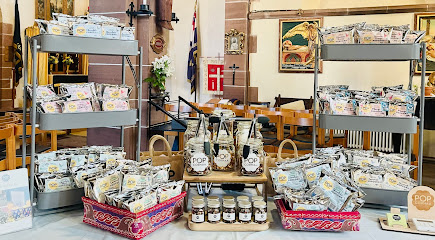
Explore the charming Castletown Textiles, a clothing store offering unique, handcrafted fashion deeply rooted in Isle of Man's culture.
Rainbow Life
2.5 km
Discover the vibrant shopping experience at Rainbow Life on the Isle of Man, where unique gifts and local culture come to life.
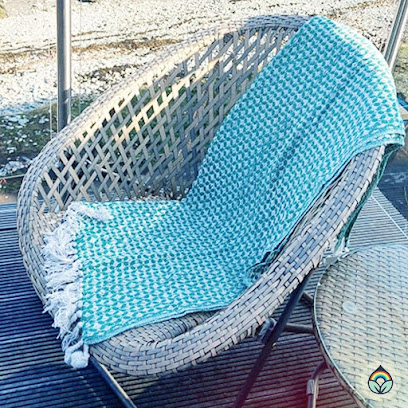
MrSnuff
2.6 km
Uncover the exquisite world of tobacco at MrSnuff, Isle of Man's premier shop offering a vast selection of premium products and expert advice.

Snuff Store UK
2.6 km
Explore the rich heritage of tobacco at Snuff Store UK in Ballasalla, Isle of Man, a haven for snuff enthusiasts and curious visitors.
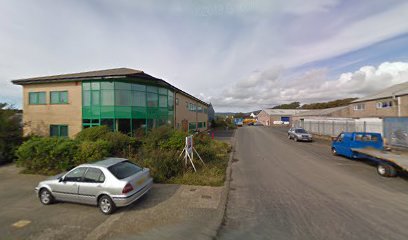
Toque Snuff Ltd
2.7 km
Discover the rich heritage of tobacco at Toque Snuff Ltd, Ballasalla's premier tobacco shop offering a range of exquisite products.

Vinyl Flooring
2.7 km
Discover stylish and durable vinyl flooring solutions in Ballasalla, Isle of Man, perfect for transforming your home or business.
SPAR Ballasalla
2.7 km
Discover convenience and local products at SPAR Ballasalla, your one-stop shop for groceries, fuel, and more on the Isle of Man.
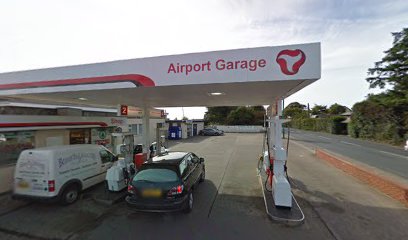
Ballasalla Signs
2.7 km
Explore the artistry of custom sign making at Ballasalla Signs, a unique shop in the Isle of Man offering personalized designs for every occasion.
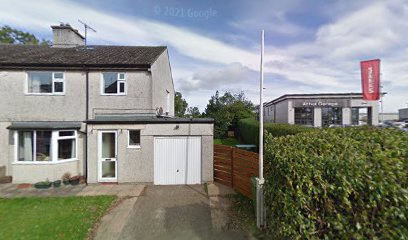
Watches of Mann
2.9 km
Explore the exquisite collection of luxury watches at Watches of Mann in Ballasalla, Isle of Man, where timeless elegance meets exceptional service.

Cynjach Designs
2.9 km
Discover unique fashion pieces and local craftsmanship at Cynjach Designs, the ultimate clothing store in Castletown, Isle of Man.
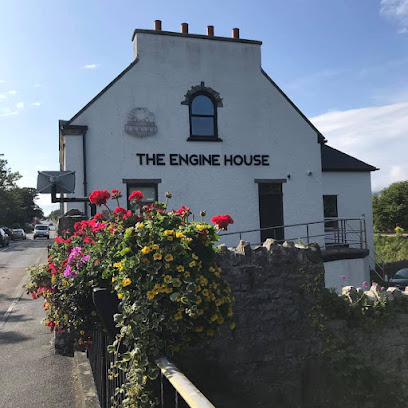
Essential bars & hidden hideouts

Rendezvous Executive Lounge
2.3 km
Discover the perfect blend of comfort and elegance at Rendezvous Executive Lounge, your serene escape at Ronaldsway Airport.
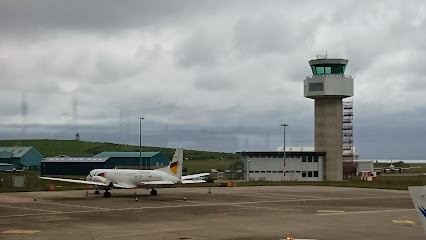
The Viking Hotel
2.8 km
Experience the warm hospitality and local flavors at The Viking Hotel, a top pub destination in Castletown, Isle of Man.
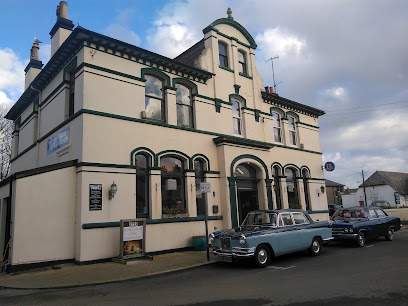
The Castle Arms
2.9 km
Experience the charm of Castletown at The Castle Arms, a cozy pub on the quayside, offering local ales and heartfelt hospitality.
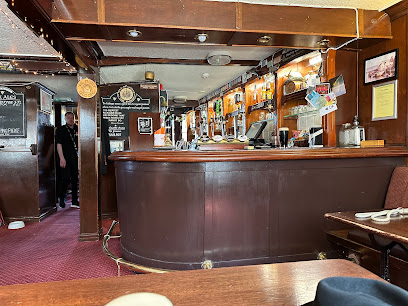
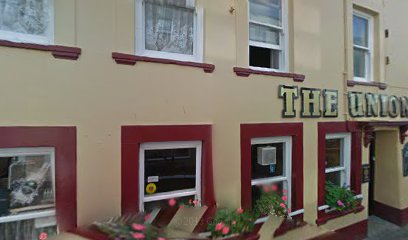
Union Hotel
3.1 km
Discover the welcoming Union Hotel in Castletown, Isle of Man - your perfect blend of comfort and local charm.
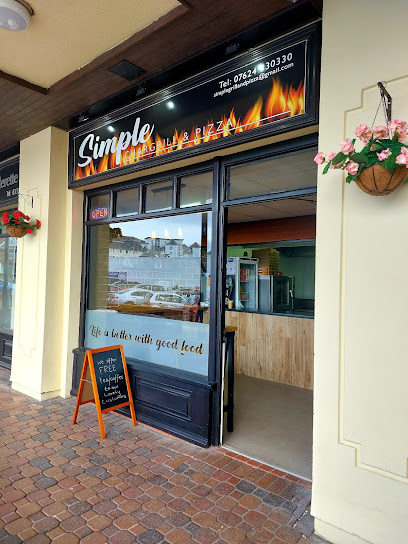
Simple -Chargrill and Pizza
9.8 km
Indulge in a delightful blend of pizzas, burgers, and kebabs at Simple - Chargrill and Pizza in Port Erin, Isle of Man.
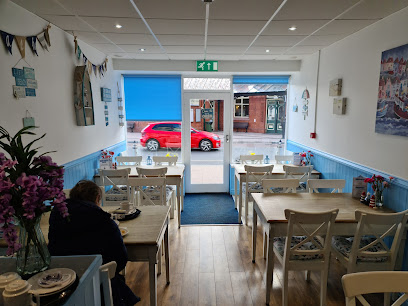
Port Erin Chippy & Diner
9.9 km
Discover the best fish and chips at Port Erin Chippy & Diner, a charming British diner in the heart of the Isle of Man, perfect for every seafood lover.
Whistlestop Coffee Shop
9.9 km
Experience the charm of Port Erin at Whistlestop Coffee Shop, where quality coffee meets local culture in a cozy railway station setting.
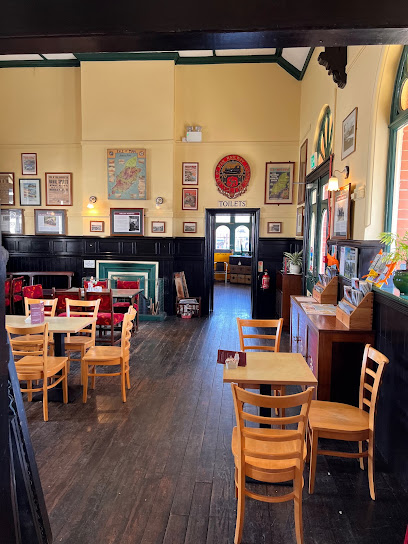
The Station
9.9 km
Experience the charm of The Station, a cozy pub in Port Erin, Isle of Man, offering delicious food, local ales, and a welcoming atmosphere.
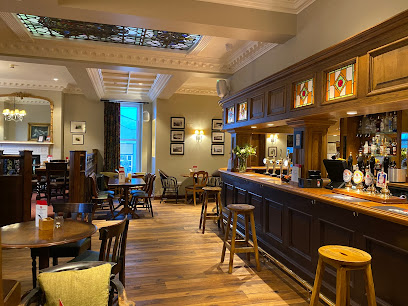
Breagle Glen Indian Restaurant
9.9 km
Experience the rich and diverse flavors of India at Breagle Glen Indian Restaurant in Port Erin, Isle of Man.
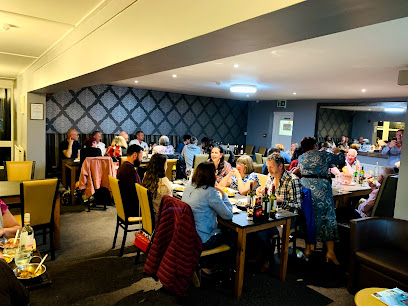
The Riddler under the Nest
10.0 km
Discover The Riddler Under the Nest in Port Erin – a cozy bar offering a delightful selection of drinks and stunning coastal views in a charming seaside town.
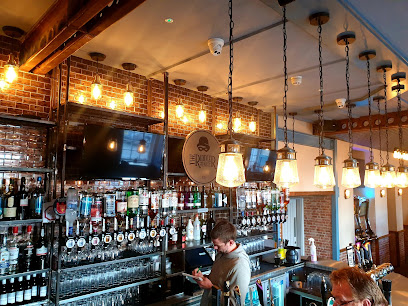
Falcon's Nest Hotel
10.0 km
Discover the charm and comfort of Falcon's Nest Hotel in Port Erin, where stunning coastal views meet warm hospitality on the Isle of Man.
Foraging Vintners and Noa at the Cosy Nook
10.0 km
Experience the essence of Isle of Man dining at Foraging Vintners and Noa, where local wines and artisanal dishes meet breathtaking coastal views.
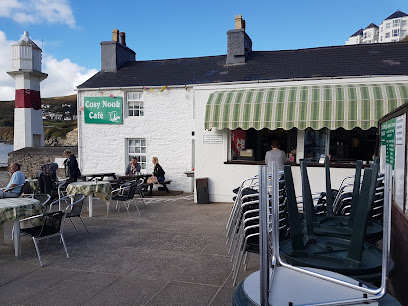
Bay Hotel
10.2 km
Discover the Bay Hotel in Port Erin, a charming pub offering delicious food, local brews, and stunning coastal views for an unforgettable experience.
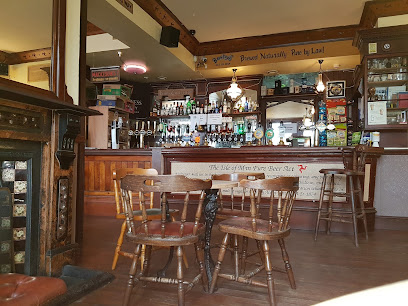
Byron's
10.2 km
Indulge in gourmet pizzas with stunning coastal views at Byron's, Port Erin's top destination for Italian cuisine.

The Horse & Plough
10.3 km
Experience the charm of The Horse & Plough, a welcoming pub in the Isle of Man, serving delicious food and drinks in a cozy atmosphere.
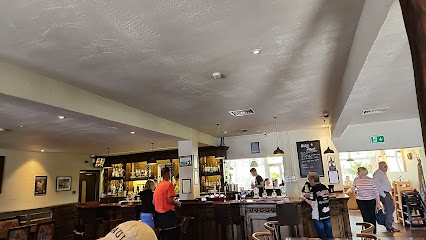
Nightclubs & after hour spots

Manx Flyers Aero Club
1.1 km
Discover the vibrant nightlife at Manx Flyers Aero Club, where aviation meets unforgettable experiences on the Isle of Man.
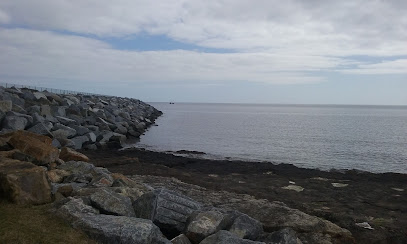
The Cue Zone IOM
2.7 km
Experience the thrill of pool billiards at The Cue Zone IOM, the Isle of Man's premier destination for players of all skill levels.
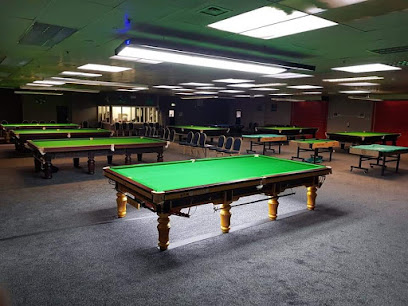
Castletown Youth Centre
3.2 km
Experience the heart of youth culture at Castletown Youth Centre, where creativity, community, and fun come together in a vibrant environment.
Castletown Football Club
3.4 km
Discover the excitement of local football culture at Castletown Football Club, where community spirit meets sporting passion on the Isle of Man.
Castletown Rifle Club
3.4 km
Discover the excitement of shooting sports at Castletown Rifle Club, the Isle of Man's premier destination for adventure and fun.
Port Erin Bowling Club
9.9 km
Experience the welcoming atmosphere of Port Erin Bowling Club, a community hub for bowling enthusiasts amidst the stunning Isle of Man scenery.
Rowany Golf Club
10.1 km
Discover Rowany Golf Club – a stunning golfing paradise on the Isle of Man, where breathtaking views and lush landscapes await every golfer.
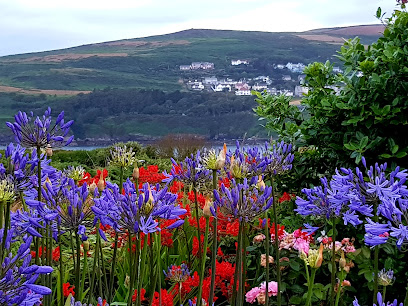
Cregneash Car Park
10.4 km
Explore the beauty of the Isle of Man from Cregneash Car Park, your gateway to scenic trails and rich cultural heritage.
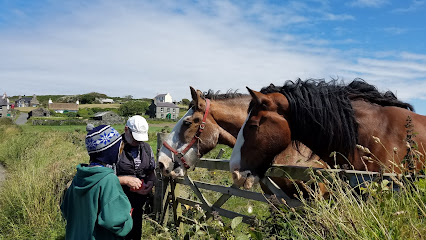
Cregneash Café
10.5 km
Experience the serene charm of Cregneash Café, a delightful tea house offering homemade treats amid stunning Isle of Man landscapes.
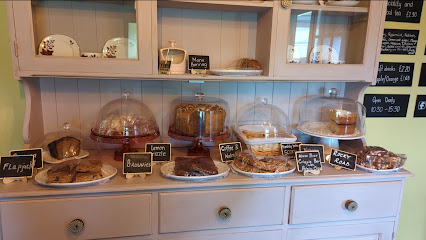
Cregneash
10.5 km
Discover the enchanting village of Cregneash on the Isle of Man, a historical gem showcasing traditional Manx culture amidst stunning landscapes.
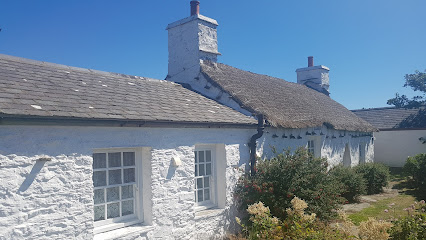
Mad Jack's
11.5 km
Experience the vibrant nightlife at Mad Jack's, Douglas' premier bar and live music venue, offering thrilling entertainment and fantastic drinks.

Kiki Lounge
11.7 km
Discover Kiki Lounge, Douglas' premier cocktail bar with a Tiki twist, offering exotic drinks and a vibrant atmosphere for a memorable night out.
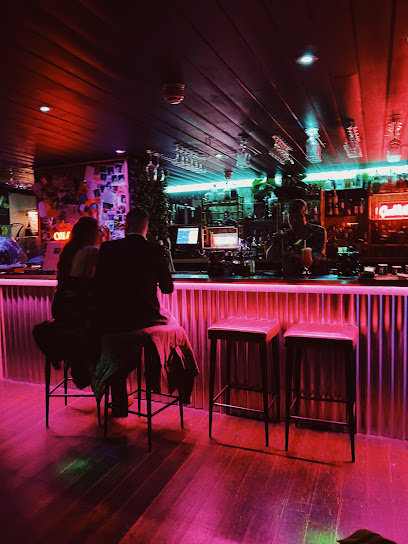
Rovers Return
11.7 km
Experience the vibrant atmosphere and local charm at Rovers Return, a cozy pub in Douglas, Isle of Man, perfect for relaxing after a day of exploration.
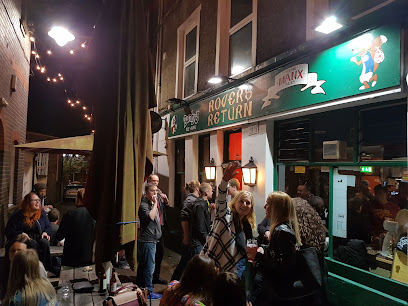
The Seven Sins Speakeasy
11.7 km
Experience the vibrant atmosphere and creative cocktails at The Seven Sins Speakeasy, Douglas' premier night club destination.
Bar George
11.7 km
Discover the enchanting Bar George in Douglas, where exquisite wines and delectable cuisine create unforgettable dining moments.
For the vibe & atmosphere seeker
- Tranquil
- Scenic
- Unique
- Relaxing
For the design and aesthetic lover
- Rustic Designs
- Vintage Styles
For the architecture buff
- Historic
- Landmarks
- Sacred Sites
For the view chaser and sunset hunter
- Iconic Views
- Waterfront
- Sunset Spots
For the social media creator & influencer
- Instagrammable
- Photo Spots
- Selfie Spots
For the eco-conscious traveler
- Protected Area
- Public-Transport Accessible
- Locally Managed
For the kind of experience you’re after
- Cultural Heritage
- Nature Escape
- Day Trip
- Photowalk
For how adventurous you want the journey to be
- Easy Access
Location Audience
- Family Friendly
- Senior Friendly
- Child Friendly
- Solo Friendly
- Couple Friendly
- Vegetarian Friendly
- Vegan Friendly


