

Tower of Refuge, Douglas Bay, Isle of Man
Historic maritime sanctuary on a reef in Douglas Bay, offering shelter legacy and stunning coastal views on the Isle of Man.
The Tower of Refuge is a historic maritime sanctuary built in 1832 on Conister Rock, a partially submerged reef in Douglas Bay. Erected to shelter shipwrecked sailors, this small castellated tower stands as a symbol of maritime safety and local heritage. It offers striking views across the bay and serves as a poignant reminder of the dangers once faced by seafarers along the Isle of Man’s coast.
A brief summary to Tower of Refuge
- 5G2J+4GW, Douglas Bay St Mary's Isle, Isle of Man, IM
- Visit website
- Duration: 0.5 to 2 hours
- Free
-
 Outdoor
- Mobile reception: 4 out of 5
- Monday 12 am-12 am
- Tuesday 12 am-12 am
- Wednesday 12 am-12 am
- Thursday 12 am-12 am
- Friday 12 am-12 am
- Saturday 12 am-12 am
- Sunday 12 am-12 am
Local tips
- Plan your visit around very low spring tides to safely walk out to the tower, as the tide rises quickly.
- Wear sturdy waterproof boots or wellies when attempting to access the tower on foot.
- Bring a camera to capture the tower’s striking silhouette against the bay, especially at sunset.
- Check local tide times carefully before visiting to avoid being stranded by incoming tides.

For the on-the-go comforts that matter to you
- Seating Areas
- Information Boards
Getting There
-
Bus
Take the local bus service to Douglas town center; from there, the Tower of Refuge is visible from the promenade. Bus journeys typically last 30-50 minutes from various parts of the Isle of Man, with fares ranging from £2 to £5. Note that the tower itself is accessible only on low tides and cannot be reached by public transport.
-
Walking
From Douglas promenade, walking to the Tower of Refuge is possible only during very low spring tides. The walk involves crossing slippery rocks and wet sand, requiring sturdy footwear and careful timing. The round trip can take 1-2 hours depending on tide conditions and walking pace.
-
Car
Driving to Douglas town center is straightforward, with several public parking options available near the promenade. Parking fees range from £1 to £3 per hour. From the promenade, the tower is visible but access on foot depends on tides.
Tower of Refuge location weather suitability
-
 Any Weather
-
 Clear Skies
-
 Windy Conditions
-
 Mild Temperatures
Discover more about Tower of Refuge
Origins Born from Maritime Necessity
The Tower of Refuge was constructed in 1832 following a tragic shipwreck on Conister Rock, a hazardous reef in Douglas Bay. The founder of the Royal National Lifeboat Institution, Sir William Hillary, recognized the need for a safe haven for sailors stranded by shipwrecks. This led to the erection of the tower on the reef, which had long been responsible for numerous maritime accidents. Its purpose was twofold: to provide shelter for castaways awaiting rescue and to serve as a visible warning to ships navigating the bay.Architectural Character and Symbolism
Designed to resemble a small 13th-century castle, the Tower of Refuge features castellated battlements and a robust stone structure rising from the sea. Its distinctive silhouette contrasts dramatically with the surrounding waters, making it an iconic landmark visible from Douglas promenade. Originally, the tower was stocked with provisions such as bread and fresh water, and it even housed a bell to summon help, underscoring its lifesaving mission.Setting and Natural Environment
Situated on Conister Rock, also known as St. Mary’s Isle, the tower stands on a reef that is partially submerged at high tide. The surrounding Douglas Bay is known for its scenic waterfront views and occasionally treacherous waters, especially during easterly storms. Access to the tower is only possible on very low spring tides, making visits a unique experience that requires careful timing and awareness of tidal conditions.Visitor Experience and Visual Appeal
Though uninhabited and without traditional opening hours, the Tower of Refuge is accessible visually year-round and can be approached on foot during rare low tides. Visitors admire the tower’s historic charm and the panoramic vistas it offers over the bay and Douglas skyline. Its photogenic qualities make it a favored subject for photography enthusiasts, especially at sunset when the light accentuates its rugged stonework against the shimmering sea.Maritime Legacy and Community Significance
The tower stands as a testament to the Isle of Man’s rich maritime heritage and the community’s enduring commitment to seafarers’ safety. It commemorates the efforts of Sir William Hillary and the early lifesaving initiatives that shaped the island’s coastal history. Today, the Tower of Refuge is not only a historical landmark but also a cultural symbol celebrated in local events such as charity walks that raise funds for the Royal National Lifeboat Institution.Preservation and Ongoing Relevance
Maintained as a protected heritage site, the Tower of Refuge continues to draw interest for its historical importance and scenic location. While it no longer serves its original lifesaving function, it remains a poignant reminder of the perils of sea travel and the human spirit’s resilience. Its presence enriches Douglas Bay’s landscape, inviting reflection on the island’s connection to the sea and its maritime past.Iconic landmarks you can’t miss

St Mary's Isle
0.0 km
Experience the stunning natural beauty and rich marine biodiversity of St Mary's Isle, a hidden gem on the Isle of Man's picturesque coast.

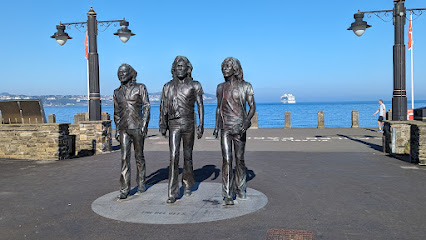
Bee Gees Statue
0.5 km
Discover the Bee Gees Statue in Douglas, Isle of Man – a striking tribute to the legendary band amidst stunning coastal scenery.
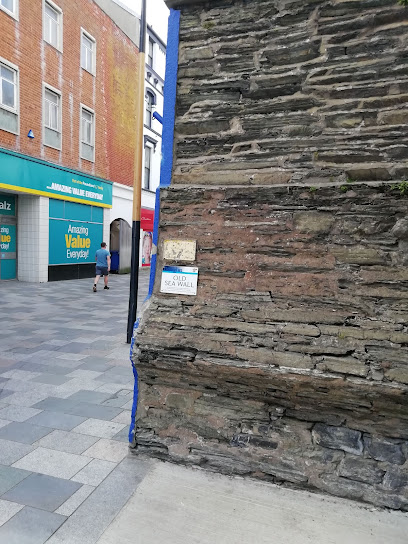
Douglas Old Sea Wall and Plaque
0.7 km
Explore the Douglas Old Sea Wall and Plaque, a historical landmark rich in maritime heritage, offering stunning coastal views in the heart of Douglas, Isle of Man.
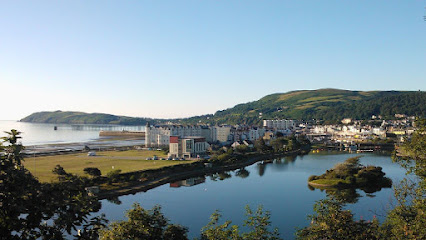
VisitIOM.co.uk
0.7 km
Experience the enchanting Isle of Man: a blend of adventure, culture, and breathtaking landscapes awaits every traveler.
Isle of Man
0.7 km
Explore the exquisite jewelry of the Isle of Man, where local craftsmanship meets timeless elegance in the heart of Douglas.

Sir William Hillary Statue
0.8 km
Discover the Sir William Hillary Statue in Douglas, Isle of Man - a stunning tribute to maritime bravery and a must-see for history enthusiasts.
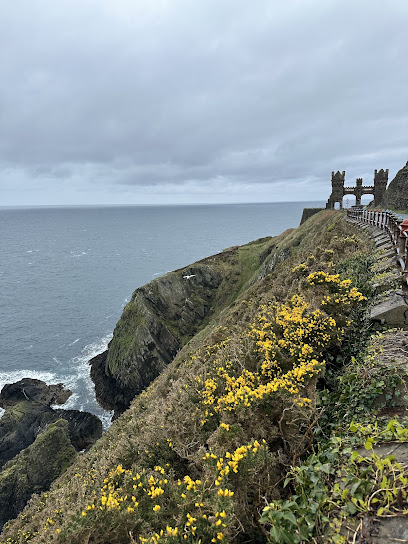
Isle of Man Relocation
0.8 km
Experience the beauty, culture, and history of the Isle of Man, a hidden gem in the Irish Sea that captivates every visitor with its charm.
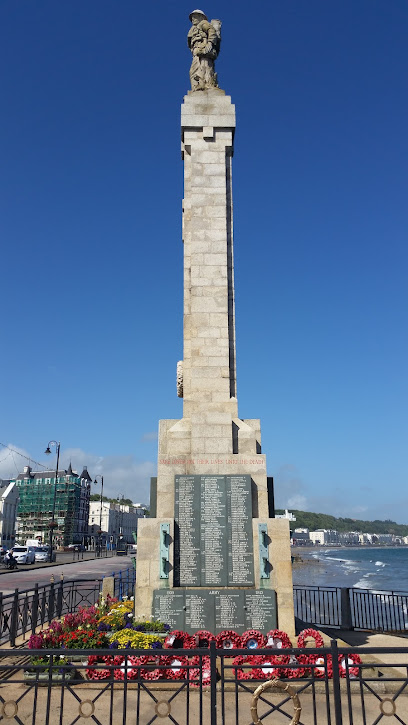
Douglas War Memorial
0.8 km
Explore the Douglas War Memorial on the Isle of Man, a serene tribute to the courage and sacrifice of those who served in conflicts.
Monument International
0.9 km
Discover the economic heart of the Isle of Man at Monument International in Douglas, a pivotal financial institution within vibrant surroundings.
Visit Isle of Man
0.9 km
Discover the Isle of Man: A unique travel destination with stunning landscapes, rich history, and vibrant local culture for every traveler.
Douglas Rail Station
1.1 km
Discover the charm of Douglas Rail Station, your gateway to the scenic Isle of Man's landscapes and cultural treasures.

Best Western Palace Hotel Casino
1.4 km
Discover luxury, entertainment, and stunning coastal views at the Best Western Palace Hotel Casino in Douglas, Isle of Man.
The Archibald Knox Forum
1.6 km
Explore the artistic legacy of Archibald Knox at the forum dedicated to creativity and community engagement in Douglas, Isle of Man.
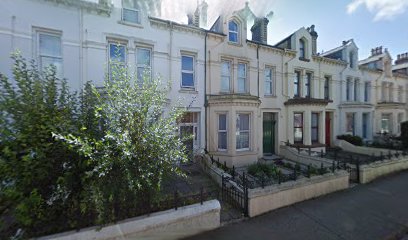
Isle of Man Guided Tours in English and German
1.6 km
Experience the beauty and history of the Isle of Man with guided tours in English and German, perfect for every traveler seeking adventure.
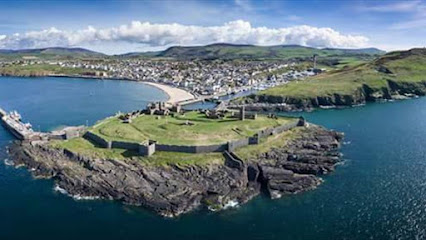
Ago's leap
1.9 km
Explore Ago's Leap, a historic landmark in Douglas, Isle of Man, and immerse yourself in the island's rich cultural heritage and scenic beauty.
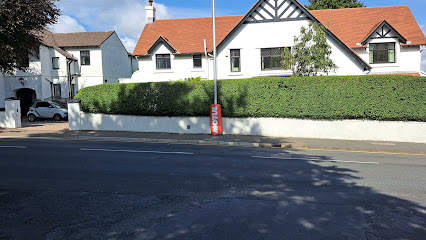
Unmissable attractions to see

Isle of Man Government Welcome Centre
0.4 km
Explore the Isle of Man from the Isle of Man Government Welcome Centre – your gateway to local insights and adventure.

Douglas Promenade Gardens
0.5 km
Discover the serene beauty of Douglas Promenade Gardens, a perfect retreat along the Isle of Man's stunning coastline, ideal for relaxation and exploration.
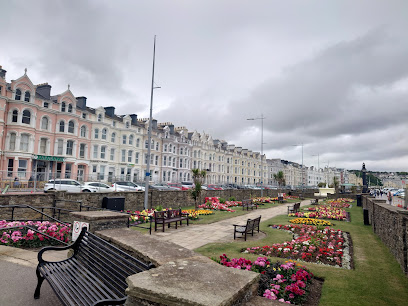
Douglas Central Beach
0.6 km
Explore the stunning Douglas Central Beach on the Isle of Man, where sun, sand, and seaside adventures await every traveler.
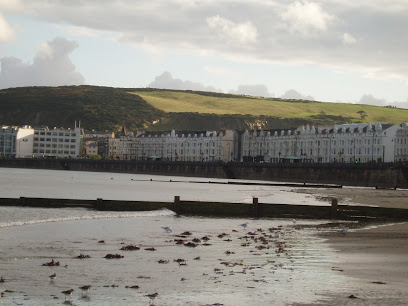
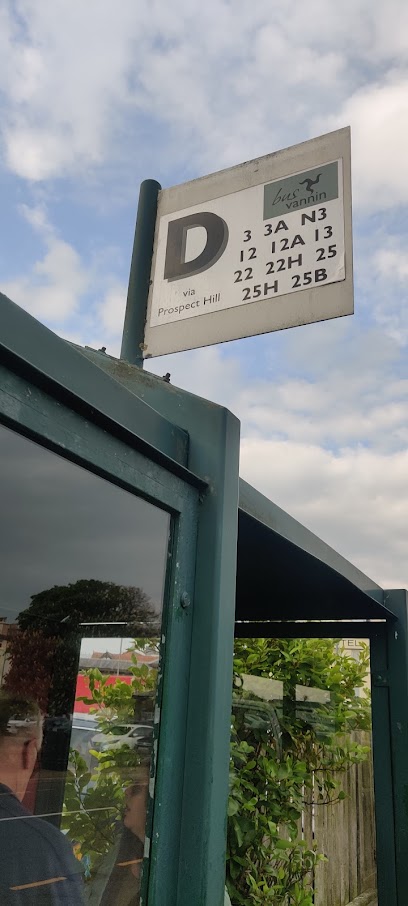
Lord St Bus Stop D
0.6 km
Experience the vibrant culture and scenic beauty of Douglas, Isle of Man, starting from Lord St Bus Stop D, your gateway to local attractions.
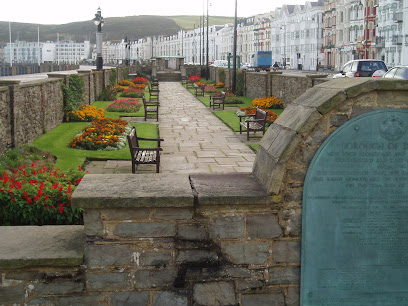
Sunken Gardens
0.6 km
Discover the beauty and serenity of Sunken Gardens in Douglas, Isle of Man – a peaceful escape filled with vibrant flora and enchanting landscapes.
The Big Grid
0.6 km
Explore The Big Grid in Douglas, Isle of Man - a unique tourist attraction blending history and art in a vibrant community space.

The Archibald Knox Garden
0.7 km
Discover the serene beauty of The Archibald Knox Garden in Douglas, Isle of Man - a peaceful escape celebrating art, nature, and tranquility.
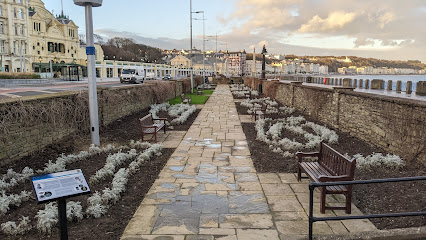
Gaiety
0.8 km
Experience the vibrant arts scene at Gaiety Theatre in Douglas, a stunning architectural gem showcasing the best of Isle of Man's theatrical performances.
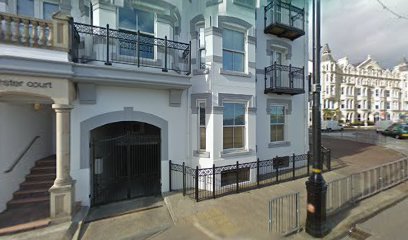
Douglas Head
0.8 km
Explore the breathtaking views and historical charm of Douglas Head, a must-visit tourist attraction on the Isle of Man.
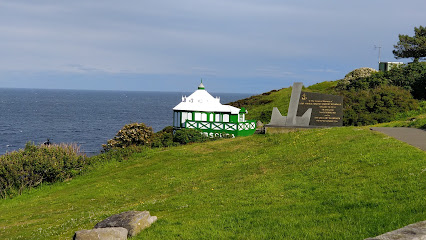
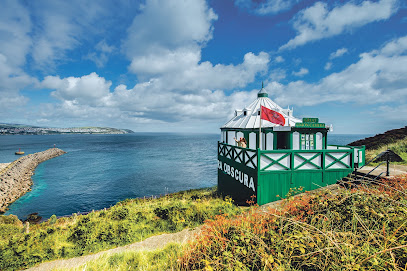
The Great Union Camera Obscura
0.8 km
Explore the enchanting world of optics at The Great Union Camera Obscura, a unique museum experience in Douglas, Isle of Man.
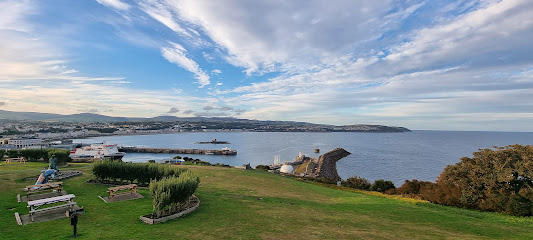
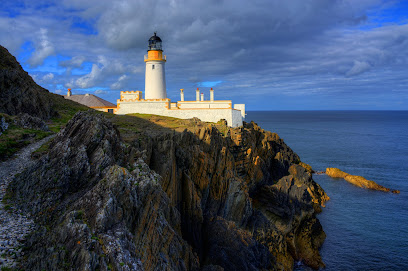
Douglas Head Lighthouse
0.8 km
Experience breathtaking views and rich history at Douglas Head Lighthouse, a must-visit landmark on the Isle of Man.
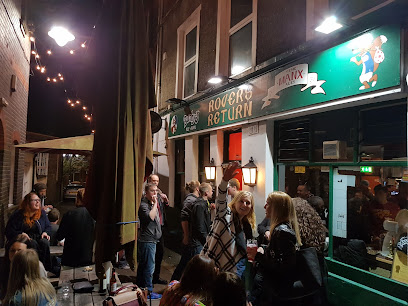
Rovers Return
0.8 km
Experience authentic Isle of Man hospitality at Rovers Return, a lively pub famed for local ales, quirky charm, and a welcoming community spirit.
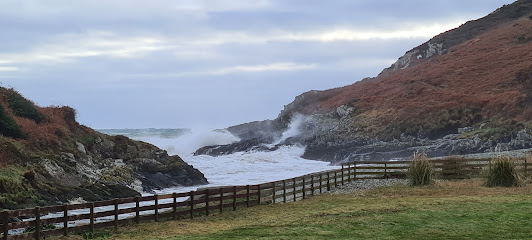
Douglas Broadway Beach
0.9 km
Experience the beauty and vibrancy of Douglas Broadway Beach on the Isle of Man, a perfect blend of relaxation and adventure for every traveler.
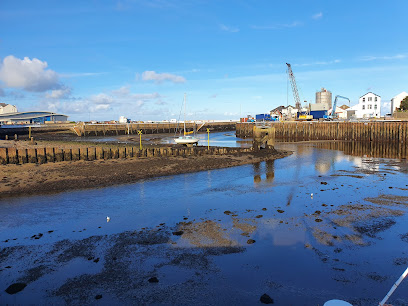
Villa Marina
0.9 km
Isle of Man's premier entertainment venue blending Edwardian elegance with modern performance technology.
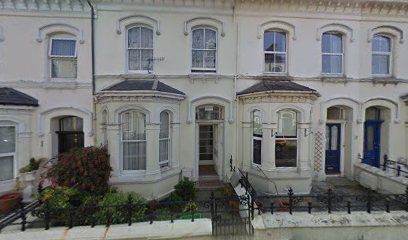
Isle of Man Family History Society
1.0 km
A volunteer-run hub for Manx genealogy, with a specialist library at iMuseum in Douglas, offering census indexes, wills, burial records and expert guidance for tracing Isle of Man roots.
Essential places to dine

La Piazza Restaurant
0.5 km
Discover authentic Italian cuisine at La Piazza Restaurant on Loch Promenade in Douglas - where every dish tells a story.
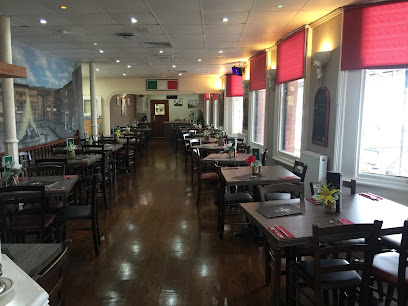
Victoria Grill Douglas
0.6 km
Discover Victoria Grill in Douglas - where delicious chicken dishes meet warm hospitality in an inviting atmosphere.
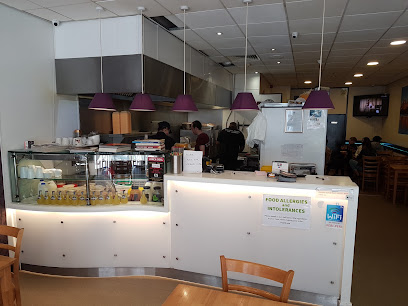
Coast Bar & Brasserie
0.6 km
Experience exquisite dining with stunning waterfront views at Coast Bar & Brasserie in Douglas - where every meal tells a story.
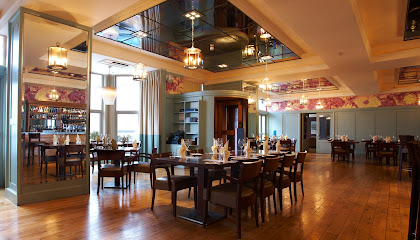
1886 Bar & Grill
0.6 km
Discover the lively atmosphere and exquisite grill offerings at 1886 Bar & Grill in Douglas - perfect for dining and entertainment.
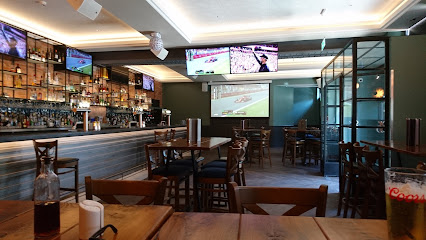
Paparazzi Pizzeria
0.6 km
Experience authentic Italian cuisine at Paparazzi Pizzeria in Douglas - where every meal feels like a celebration.
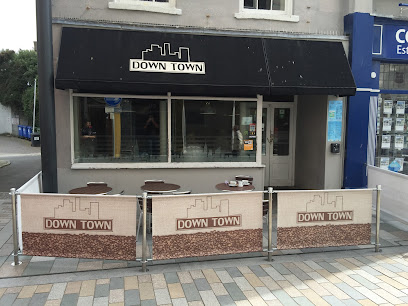
Downtown Cafe
0.6 km
Discover Downtown Cafe in Douglas – where cozy ambiance meets delicious coffee and breakfast delights.
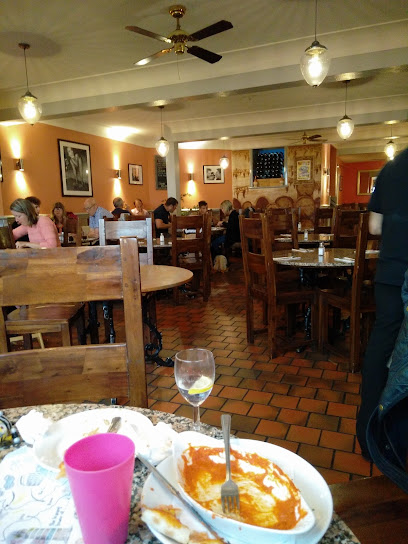
Ellan Vanin
0.7 km
Experience exquisite dining at Ellan Vanin, where local flavors meet stunning views on the Isle of Man's Loch Promenade.
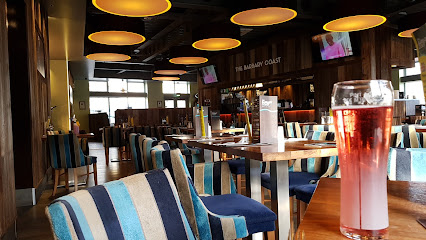
The Barbary Coast Grill & Bar
0.7 km
Experience delightful dining at The Barbary Coast Grill & Bar with stunning views and a menu featuring local flavors on the Isle of Man.
Wine Down
0.7 km
Experience exquisite wines and fine dining at Wine Down in Douglas - where every sip tells a story.
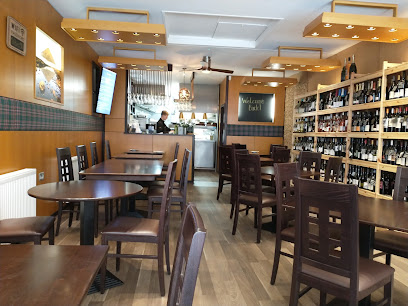
Jak's Bar & Smokehouse
0.7 km
Experience delicious grilled cuisine at Jak's Bar & Smokehouse on the scenic Loch Promenade in Douglas, Isle of Man.
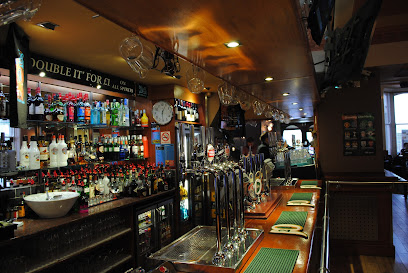
Oscar's
0.7 km
Discover Oscar's in Douglas: A vibrant restaurant and bar offering local flavors and international delights in a lively atmosphere.
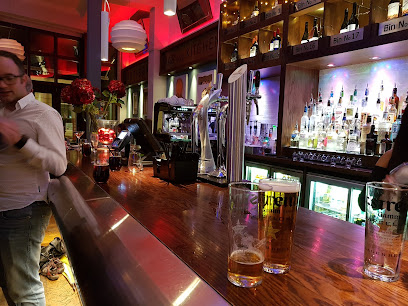
Naadu Indian Restaurant
0.7 km
Discover authentic Indian flavors at Naadu Indian Restaurant in Douglas - a culinary gem on the Isle of Man.
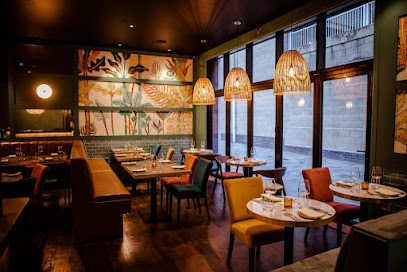
Full Moon Thai
0.7 km
Discover authentic Thai cuisine at Full Moon Thai in Douglas - where every dish tells a story of tradition and flavor.
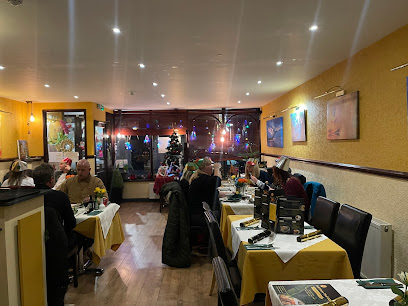
Capone's
0.7 km
Discover Capone's in Douglas: A delightful diner offering hearty breakfasts and fast food favorites at unbeatable prices.
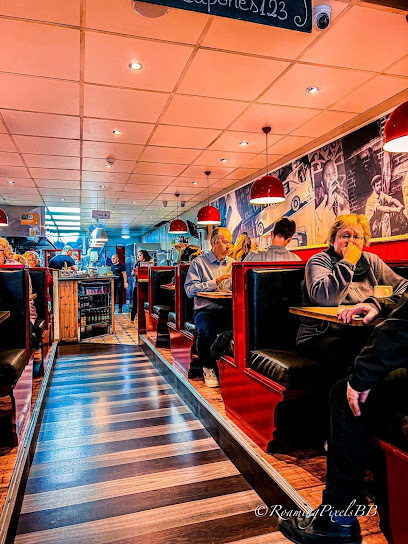
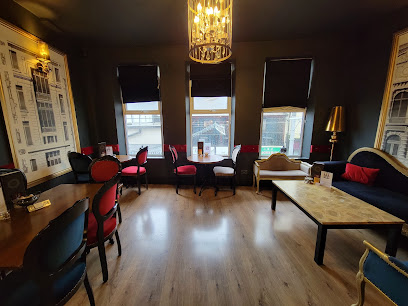
The Tea Junction
0.7 km
Discover The Tea Junction in Douglas - where exquisite teas meet delightful breakfasts in a cozy atmosphere.
Markets, malls and hidden boutiques

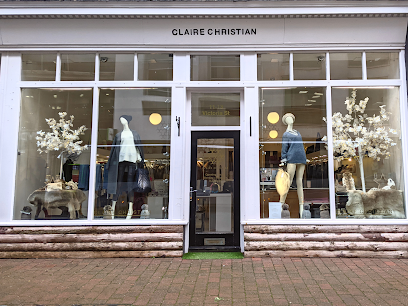
Claire Christian Couture
0.5 km
Discover unique fashion at Claire Christian Couture, a premier women's clothing boutique in Douglas, Isle of Man, offering personalized service and exclusive designs.
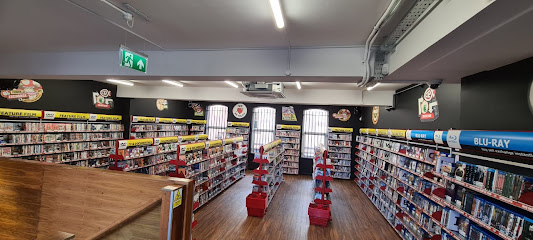
CeX
0.7 km
Discover the ultimate tech shopping experience at CeX in Douglas, where quality meets affordability in electronics, video games, and more.
Dealz
0.7 km
Experience unbeatable value and variety at Dealz, your ultimate shopping destination in Douglas, Isle of Man.

Extreme Art & Gadgets
0.7 km
Discover the creative fusion of art and technology at Extreme Art & Gadgets, your go-to gift shop in Douglas, Isle of Man.

Cardfactory
0.7 km
Discover unique gifts and charming cards at Cardfactory in Douglas, Isle of Man – a must-visit spot for memorable souvenirs.
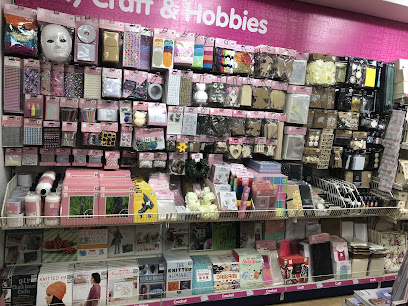
The Works
0.7 km
Discover a vibrant shopping haven in Douglas with The Works, offering a diverse range of books, arts, and crafts at great prices.
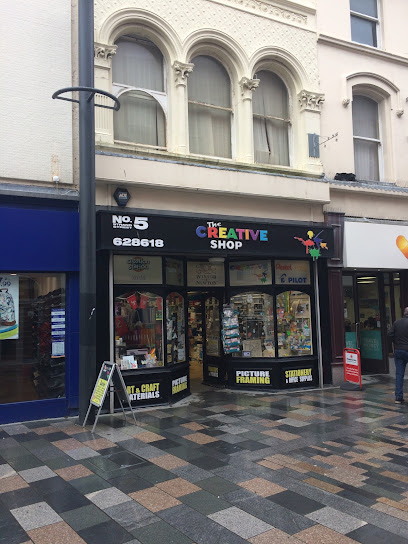
The Creative Shop
0.7 km
Explore The Creative Shop in Douglas for unique gifts and local artisan treasures, perfect for capturing the essence of the Isle of Man.
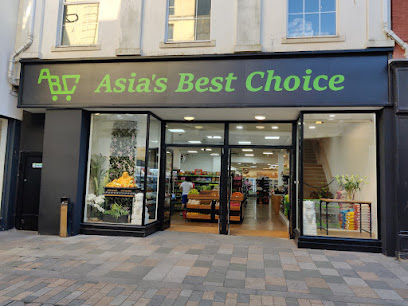
Asia's Best Choice
0.7 km
Explore a treasure trove of authentic Asian ingredients at Asia's Best Choice, the premier grocery store in Douglas, Isle of Man.
Waterstones
0.7 km
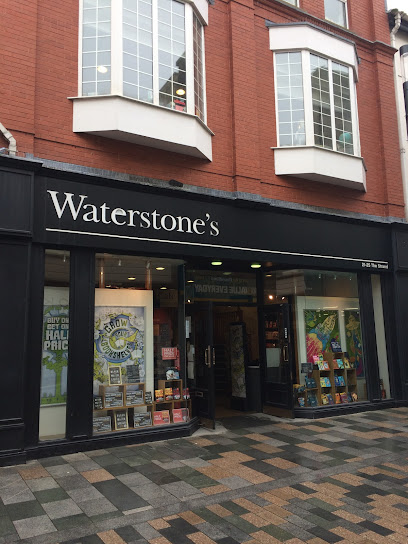
Discover a treasure trove of books and local literature at Waterstones, the premier bookstore in Douglas, Isle of Man.
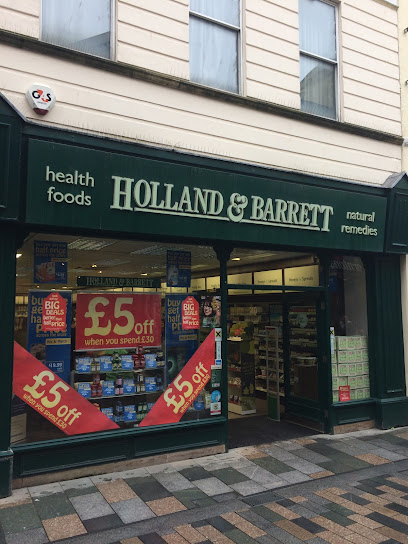
Holland & Barrett - Douglas Isle Of Man
0.7 km
Discover health and wellness at Holland & Barrett in Douglas, Isle of Man, your go-to destination for organic foods and natural beauty products.
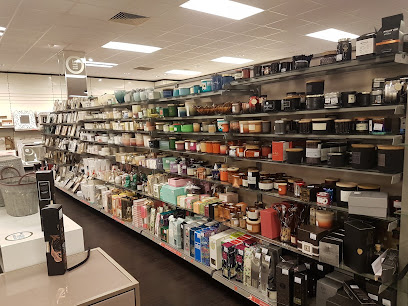
JAC Stores - Strand Street
0.7 km
Explore JAC Stores on Strand Street for a delightful shopping experience of home goods and unique toys in the heart of Douglas, Isle of Man.

TK Maxx
0.7 km
Explore TK Maxx in Douglas for unbeatable fashion and home essentials at discount prices—your treasure hunt awaits!
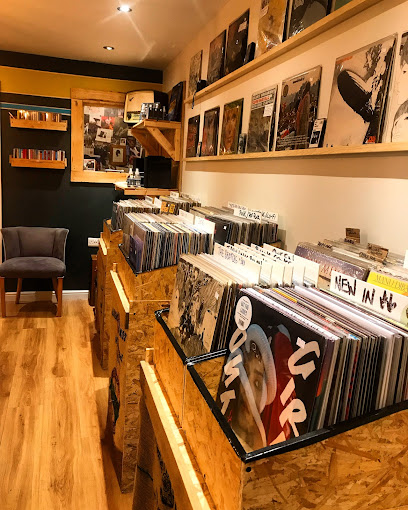
Sound Records
0.7 km
Explore Sound Records: A Vinyl Paradise in Douglas, Isle of Man, Uniting Music Lovers with Rare Finds and Local Talent.
Copenhagen Luxe
0.7 km
Explore Copenhagen Luxe, a stylish clothing store in Douglas offering a unique blend of contemporary and classic fashion for every taste.

Next
0.7 km
Explore Next in Douglas for stylish clothing and accessories that cater to every age and taste, all set in a charming island atmosphere.

Essential bars & hidden hideouts

Grain and Vine
0.6 km
Discover the warm and inviting atmosphere of Grain and Vine, a premier bar in Douglas, Isle of Man, offering a diverse drink selection and local charm.
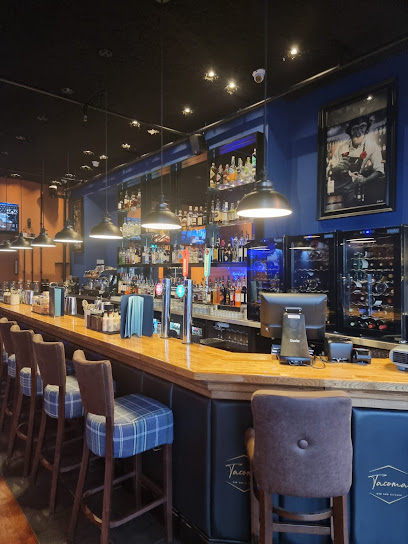
The Blind Pig
0.6 km
Discover The Blind Pig, a lively bar in Douglas, Isle of Man, where unique cocktails and a vibrant atmosphere await tourists seeking local charm.
The Nags Head
0.6 km
Discover the charm of The Nags Head, a cozy pub in Douglas, Isle of Man, offering local brews and delicious pub fare in a welcoming atmosphere.
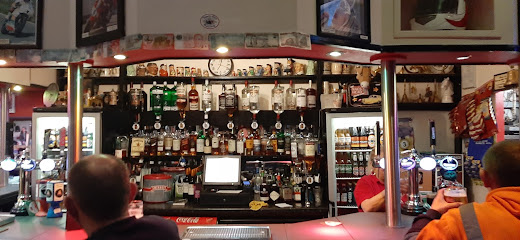
The Front Porch
0.7 km
Discover the vibrant atmosphere and diverse drink selection at The Front Porch, a must-visit bar in Douglas, Isle of Man.
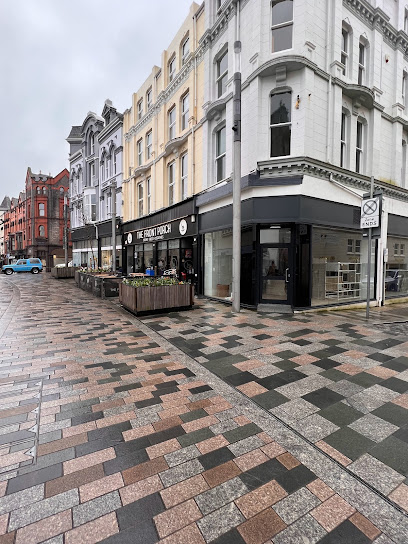
Brendan O'Donnell's
0.7 km
Discover Brendan O'Donnell's Pub: A cozy spot in Douglas blending local flavors and vibrant culture for an unforgettable Isle of Man experience.
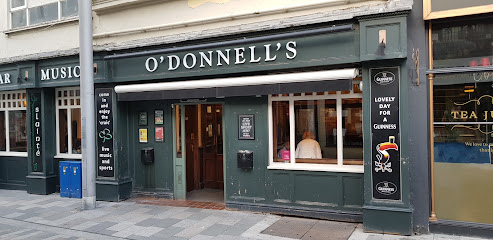
The Original Quids Inn
0.7 km
Discover the lively atmosphere of The Original Quids Inn, a premier live music bar in Douglas, Isle of Man, perfect for karaoke and sports fans.
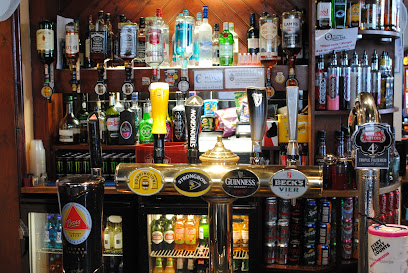
HOPS Isle of Man
0.7 km
Discover the lively spirit of HOPS Isle of Man, where exceptional drinks and a warm atmosphere create unforgettable moments.
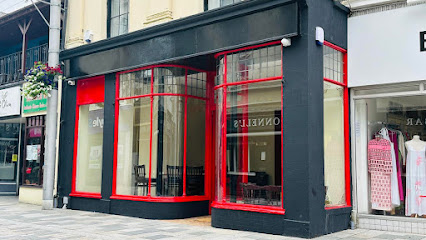
British Hotel
0.7 km
Classic British pub charm meets modern city-style vibes on Douglas Quay, offering hearty food, local brews, and a welcoming atmosphere.
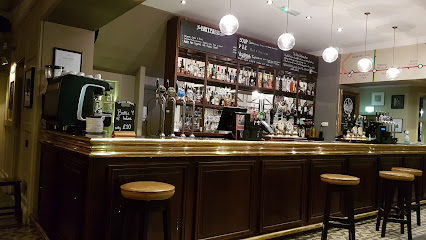
Thirsty Pigeon
0.8 km
Experience the charm of local culture at Thirsty Pigeon, the perfect pub to unwind with a drink in Douglas.
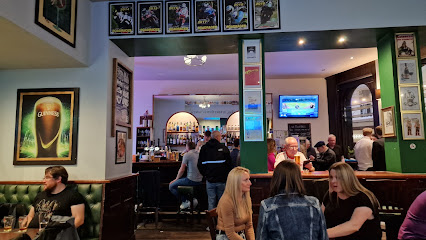
Kiki Lounge
0.8 km
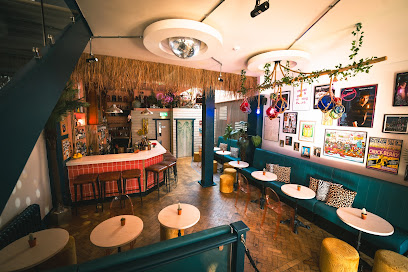
Experience the vibrant tiki culture at Kiki Lounge, Douglas' premier cocktail bar, offering exotic drinks and a lively atmosphere.
The Prospect
0.8 km
Experience the best of local cuisine and vibrant atmosphere at The Prospect in Douglas, Isle of Man, perfect for any traveler.
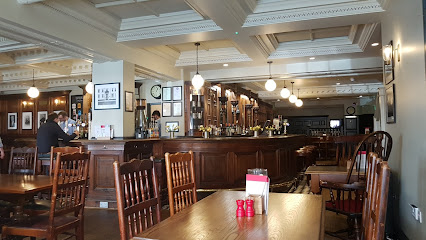
Encore Bar & Brasserie
0.8 km
Discover a charming blend of local flavors and exquisite cocktails at Encore Bar & Brasserie on the Isle of Man's scenic Harris Promenade.
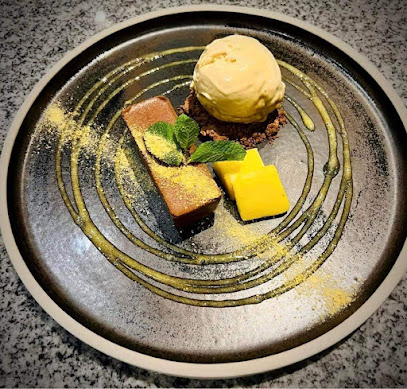
The Outback
0.9 km
Discover the lively charm of The Outback, a premier bar in Douglas, Isle of Man, where great drinks and good company await.
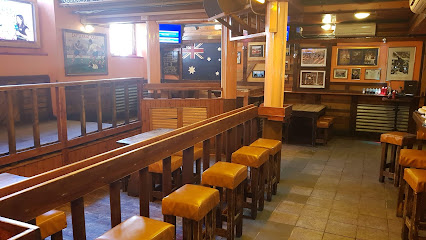
Saddle Inn
0.9 km
Discover the cozy charm of Saddle Inn, a quintessential pub in Douglas, Isle of Man, offering local ales and hearty meals.
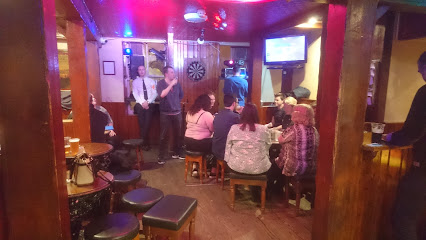
Bar George
0.9 km
Experience the elegance of Bar George, a premier wine bar and restaurant in Douglas, Isle of Man, where gourmet cuisine meets exceptional wines.
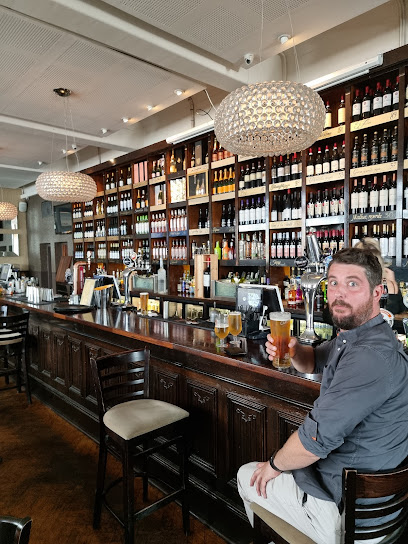
Nightclubs & after hour spots

Manx Legion Club
0.7 km
Discover the lively spirit of Douglas at the Manx Legion Club, where history meets vibrant nightlife in the Isle of Man.

South Douglas Old Friends Association
0.8 km
Discover the heart of Douglas at the South Douglas Old Friends Association, a community bar offering a taste of Isle of Man's vibrant culture.
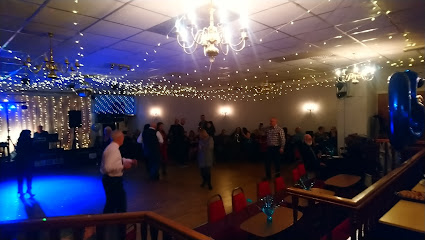
The Seven Sins Speakeasy
0.9 km
Experience the vibrant atmosphere and creative cocktails at The Seven Sins Speakeasy, Douglas' premier night club destination.
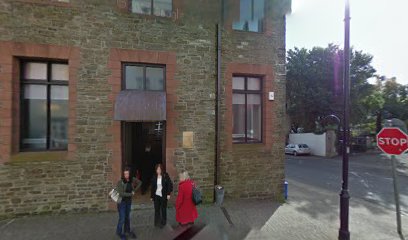
Mad Jack's
1.0 km
Experience the vibrant nightlife at Mad Jack's, Douglas' premier bar and live music venue, offering thrilling entertainment and fantastic drinks.

The Trackside
2.0 km
Experience the thrill of the Isle of Man at The Trackside, a lively bar near the TT Grandstand, perfect for racing fans and socializers alike.
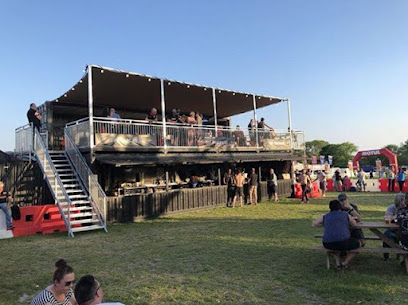
The Manx Arms
2.8 km
Experience the charm of The Manx Arms, a cozy pub in Onchan, Isle of Man, offering local ales, hearty meals, and a vibrant atmosphere.
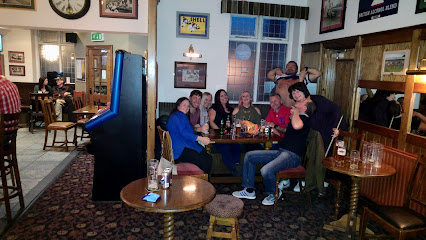
Archibald Knox
2.9 km
Discover the warm atmosphere and delightful offerings of Archibald Knox Pub in Onchan, Isle of Man - a perfect spot for travelers to unwind.
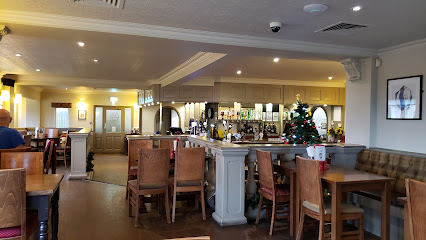
The Cat With No Tail
3.2 km
Discover the charm of The Cat With No Tail, a cozy pub in Douglas offering local ales, delicious bites, and lively entertainment.
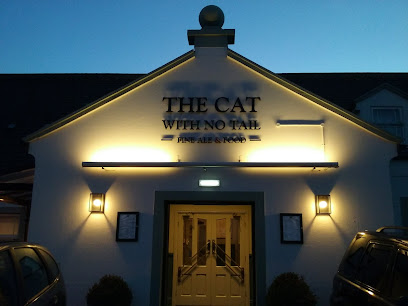
Mint Bar
3.4 km
Explore Mint Bar in Onchan: A lively bar offering a perfect blend of local culture, friendly service, and a diverse drink selection for every traveler.
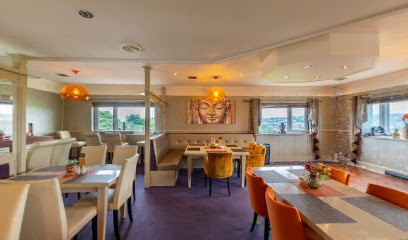
The Creg-Ny-Baa
6.3 km
Experience the charm of The Creg-Ny-Baa, a classic Isle of Man pub with stunning views, hearty dishes, and a vibrant atmosphere.
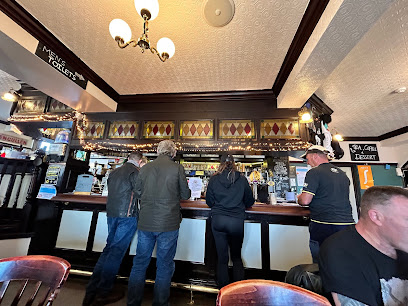
The Crosby
7.5 km
Discover the heart of Crosby at The Crosby pub, where local brews and hearty meals create an unforgettable experience on the Isle of Man.
The Queens Hotel
9.8 km
Discover the charm of Laxey at The Queens Hotel, where local beers and pub classics await in a welcoming atmosphere.
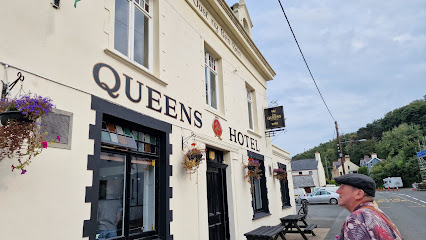
Laxey Sailing Club
9.8 km
Experience the serene beauty and vibrant community of Laxey Sailing Club on the Isle of Man, perfect for sailing, relaxation, and local culture.
Laxey Football Club
9.8 km
Discover the vibrant community spirit of Laxey Football Club, a cornerstone of Isle of Man's local culture and a thrilling sports venue for visitors.
The Laxey Glen - Cafe, Bistro & Events Venue
9.8 km
Discover The Laxey Glen, where delightful dining meets lush gardens in the heart of Laxey, Isle of Man.

For the vibe & atmosphere seeker
- Scenic
- Tranquil
- Unique
- Romantic
For the design and aesthetic lover
- Vintage Styles
For the architecture buff
- Historic
- Landmarks
For the view chaser and sunset hunter
- Iconic Views
- Waterfront
- Sunset Spots
For the social media creator & influencer
- Instagrammable
- Photo Spots
- Selfie Spots
For the eco-conscious traveler
- Protected Area
- Public-Transport Accessible
- Leave-No-Trace Critical
For the kind of experience you’re after
- Cultural Heritage
- Photowalk
- Day Trip
- Weekend Getaway
For how adventurous you want the journey to be
- Easy Access
- Requires Hike
Location Audience
- Family Friendly
- Senior Friendly
- Child Friendly
- Teen Friendly
- Solo Friendly
- Couple Friendly
- Vegetarian Friendly
- Vegan Friendly


