
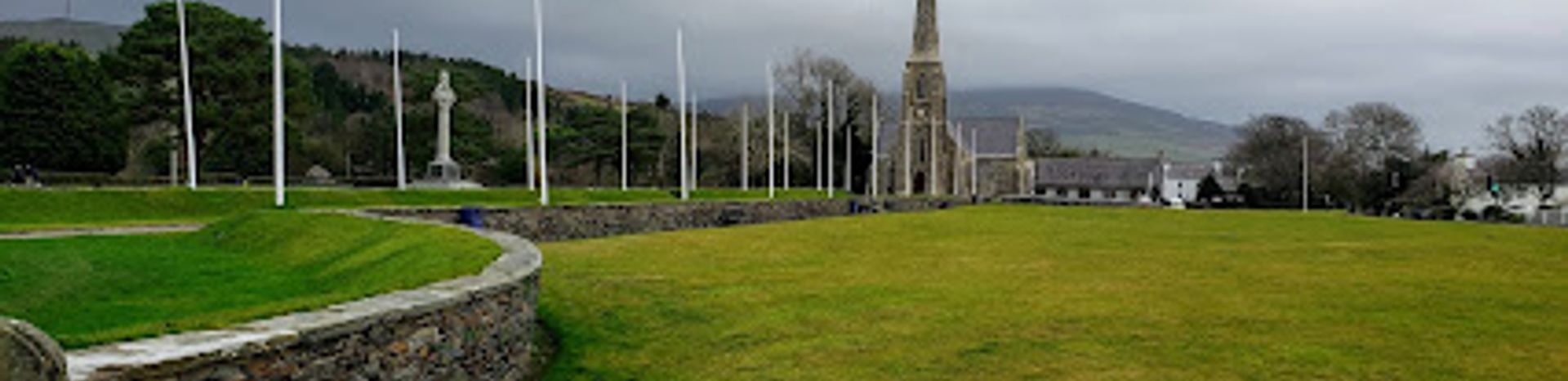
Tynwald Hill
The ancient Viking-age parliament mound where the Isle of Man’s laws are still proclaimed each summer in a living tradition over a thousand years old.
Tynwald Hill in St John’s is the ancient, tiered mound where the Isle of Man’s parliament, Tynwald, has met for over a thousand years. This symbolic assembly site, dating back to the Viking Age, hosts the annual Tynwald Day ceremony on 5 July, when new laws are proclaimed in Manx Gaelic and English. The site combines deep historical roots with living tradition, standing as a powerful emblem of Manx identity and self-governance in a quiet rural setting.
A brief summary to Tynwald Hill
- 6935+F3V, Isle of Man, IM
- +441624685500
- Visit website
- Duration: 0.5 to 2 hours
- Free
-
 Outdoor
- Mobile reception: 4 out of 5
Local tips
- Visit on Tynwald Day (5 July) to witness the full ceremony, but arrive early as the site fills with thousands of spectators and parking is limited.
- Combine your visit with the nearby Church of St John and the Culture Vannin exhibition to gain a fuller understanding of Manx history and language.
- On quieter days, take time to read the information boards and imagine the historic assemblies; the atmosphere is especially evocative in the early morning or late afternoon.

For the on-the-go comforts that matter to you
- Restrooms
- Drinking Water
- Seating Areas
- Information Boards
Getting There
-
By car
From Douglas, drive northwest along the main road for about 15 minutes to reach St John’s. From Peel, head southeast for around 10 minutes. There is roadside parking near the site, but it can fill quickly on Tynwald Day; plan to arrive early if attending the ceremony.
-
By bus
Regular bus services connect Douglas and Peel with St John’s; the journey takes roughly 20–30 minutes. The stop is a short walk from Tynwald Hill, across open fields with clear signage to the site.
-
By bicycle
A well-maintained cycle route runs close to St John’s, making Tynwald Hill accessible by bike from Douglas or Peel in about 30–40 minutes, depending on pace and route.
-
On foot
From St John’s village centre, the hill is a 5–10 minute walk across flat, open fields. The path is generally firm and suitable for most walkers, though it can be muddy after rain.
Tynwald Hill location weather suitability
-
 Any Weather
-
 Clear Skies
-
 Mild Temperatures
Discover more about Tynwald Hill
A Living Viking Parliament
Tynwald Hill is not just a relic of the past but the ceremonial heart of the Isle of Man’s government, one of the oldest continuous parliaments in the world. This four-tiered artificial mound, about 3.6 metres high and 25 metres across at its base, has served as the open-air meeting place of Tynwald since at least the late first millennium AD. Its name comes from the Old Norse thingvollr, meaning ‘assembly field’, and it reflects the Norse tradition of public gatherings where laws were made, disputes settled, and justice administered. Over the centuries, Tynwald evolved from a Viking-age thing into the modern parliament of a self-governing crown dependency, yet it still returns to this hill once a year in a powerful act of continuity.The Heart of Tynwald Day
Each year on 5 July, Tynwald Day transforms the quiet fields of St John’s into a vibrant national celebration. Thousands gather to witness the open-air ceremony where the Lieutenant Governor, representing the British Crown, presides over the assembly. New laws passed during the year are formally proclaimed, first in English and then in Manx Gaelic, reaffirming the island’s unique linguistic and legal heritage. The ceremony also includes the ‘fencing of the court’ and an invitation for any citizen with a petition for redress to come forward, a direct echo of the ancient right to bring grievances before the assembly. Military parades, the national anthem, and a strong sense of community pride make this one of the most distinctive and moving civic events in the British Isles.Symbolism and Landscape
The hill itself is said to be built from soil gathered from each of the island’s 17 ancient parishes, a powerful symbol of national unity and the connection between the land and its people. It stands within a broader historic landscape that includes the 19th-century Church of St John, war memorials, and other commemorative stones, creating a layered tapestry of Manx memory. Nearby archaeological finds, including early burials and evidence of a Norse temple to Thor, hint at the site’s long significance as a place of assembly and ritual. The surrounding fields, known as the Fairfield, have hosted markets, fairs, and gatherings for centuries, reinforcing the hill’s role as a focal point for both governance and community life.Visiting the Site
Outside of Tynwald Day, the hill is a peaceful, open historical site that can be visited freely at any time. While the mound itself is modest in size, its historical weight is immense, and information boards help visitors understand its role in Manx history and law. The adjacent chapel and surrounding memorials add depth to the visit, and the nearby Culture Vannin centre offers exhibitions on Manx language and heritage. The site is ideal for a short, contemplative stop, especially for those interested in Viking history, parliamentary traditions, or the unique identity of the Isle of Man. On a quiet day, standing on or beside the hill, it is easy to imagine the voices of centuries of assemblies echoing across the fields.Iconic landmarks you can’t miss

Tynwald Hill
0.0 km
Explore the historical significance of Tynwald Hill, the heart of Isle of Man's governance and a stunning landmark rich in cultural heritage.
Tynwald Cl
0.3 km
Explore the historic charm of St John's, Isle of Man, home to Tynwald Hill and rich in culture, heritage, and stunning landscapes.

Langtoft Manor
3.0 km
Discover the charm of Langtoft Manor, a cozy bed and breakfast in Peel, Isle of Man, ideal for a relaxing getaway amidst stunning landscapes.
Albany Isle of Man Tea and Tours
3.6 km
Experience the beauty and culture of the Isle of Man with Albany Isle of Man Tea and Tours, your gateway to unforgettable sightseeing adventures.
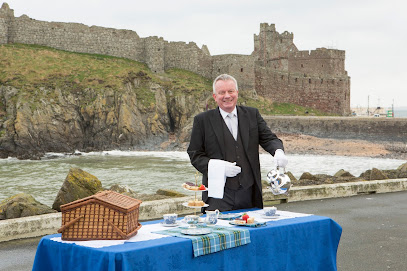
Albany House Bed and Breakfast
3.7 km
Experience the warmth of Isle of Man hospitality at Albany House Bed and Breakfast, your cozy retreat in Peel near stunning coastlines and historical sites.
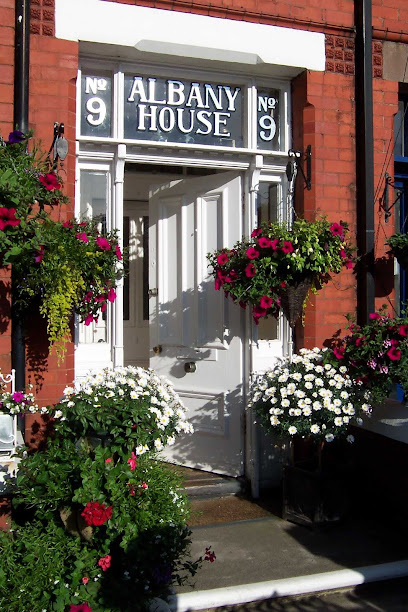
The Waldick Hotel
3.8 km
Discover comfort and charm at The Waldick Hotel, your perfect base for exploring the picturesque Isle of Man and its stunning coastal scenery.
The Fernleigh
3.8 km
Experience the warmth and charm of The Fernleigh in Peel, a guest house offering stunning views and local hospitality on the beautiful Isle of Man.
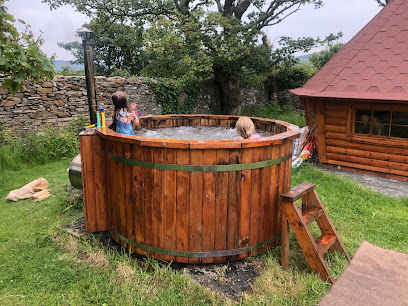
Knockaloe Beg Farm, B&B, Self-catering, Hostels & Glamping
4.0 km
Discover the charm of Knockaloe Beg Farm, your perfect base for exploring the beautiful Isle of Man with cozy accommodations and stunning scenery.
Ruins of St Peter's Church
4.1 km
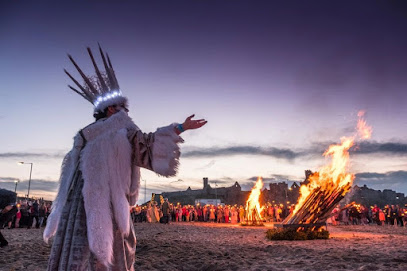
Discover the enchanting Ruins of St Peter's Church in Peel, a historical landmark offering breathtaking views and a glimpse into the Isle of Man's rich heritage.

Oie Voaldyn
4.1 km
Experience elegance and charm at Oie Voaldyn, a premier event venue in Peel, Isle of Man, perfect for your unforgettable celebrations.
Visit Mann Tours
4.2 km
Explore the stunning Isle of Man with Visit Mann Tours, your gateway to unforgettable experiences in the beautiful town of Peel.
Peel Harbour Marina
4.2 km
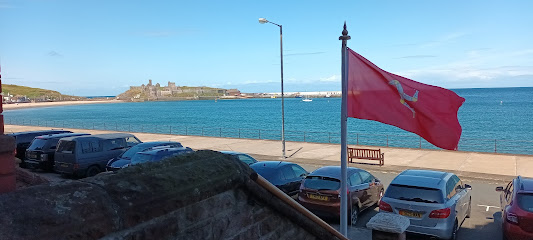
Explore the scenic beauty and vibrant culture of Peel Harbour Marina, a charming coastal gem on the Isle of Man.
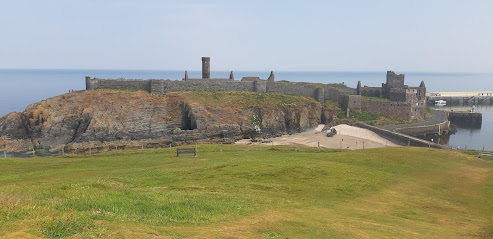
Sculpture of Fenella
4.4 km
Explore the Sculpture of Fenella in Ramsey, Isle of Man - a historic landmark steeped in local legend and artistic beauty, perfect for all tourists.
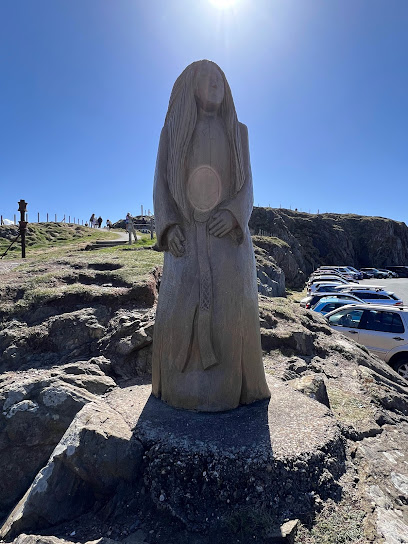
Peel Hill
4.5 km
Discover the breathtaking vistas and tranquil nature of Peel Hill on the Isle of Man, a scenic escape for every traveler.
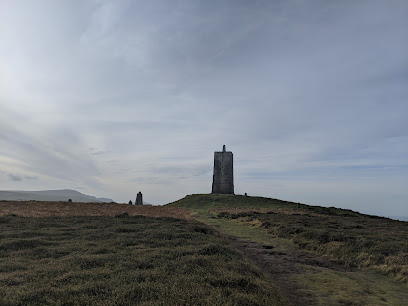
Glen Maye River
4.5 km
Explore Glen Maye River, a serene retreat on the Isle of Man, perfect for nature lovers and adventure seekers alike.
Unmissable attractions to see

Ballaharra Stones
0.2 km
Discover the ancient mysteries of Ballaharra Stones, a captivating historic site in St John's, Isle of Man, steeped in folklore and rich history.
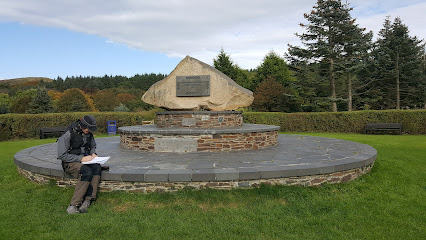
Tynwald National Park and Arboretum
0.4 km
Explore the serene Tynwald National Park and Arboretum, a blend of natural beauty and historical significance on the Isle of Man.
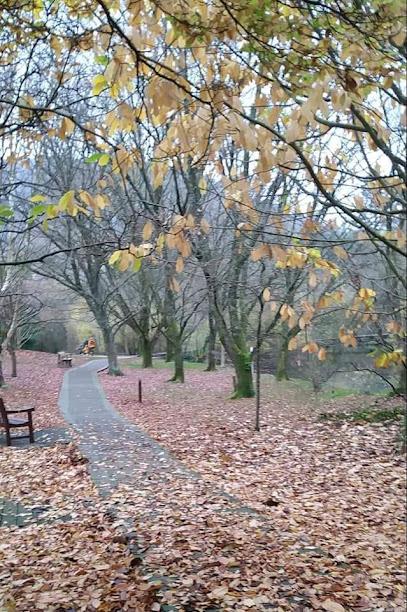
The Old Trout Farm
0.4 km
Discover the serene charm of The Old Trout Farm in St John's, where fishing, nature walks, and breathtaking views await every visitor.
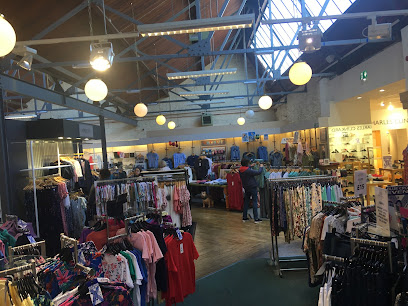
Tynwald Mills
0.7 km
A historic mill reborn as the Isle of Man’s premier shopping destination with diverse shops, cafes, and family-friendly amenities.
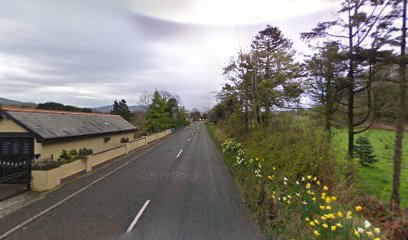
Isle of Man TT: Gorse Lea
1.7 km
Discover the excitement of the Isle of Man TT at Gorse Lea, a premier destination for motorsport fans and adventurers alike.

Mile 9 TT RACE viewing
2.1 km
Witness the legendary Isle of Man TT races at Mile 9, a thrilling viewing spot for motorsport fans surrounded by breathtaking landscapes.
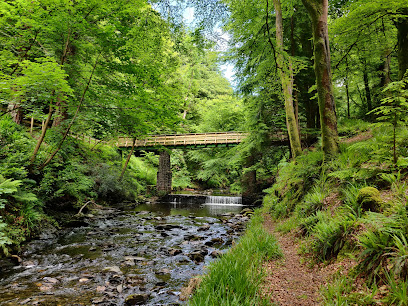
Glen Helen
3.0 km
Explore Glen Helen, a serene national forest in the Isle of Man, perfect for hiking, picnicking, and immersing in nature's beauty.
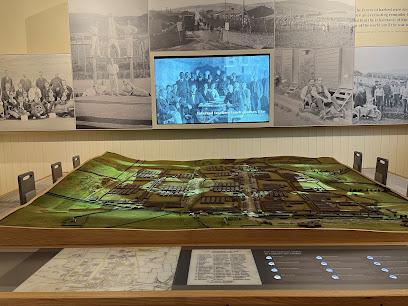
Centre for WW1 Internment, Knockaloe and Patrick Community Centre
3.4 km
Discover the profound stories of the WW1 internment at the Centre for WW1 Internment in Patrick, Isle of Man, and connect with history like never before.
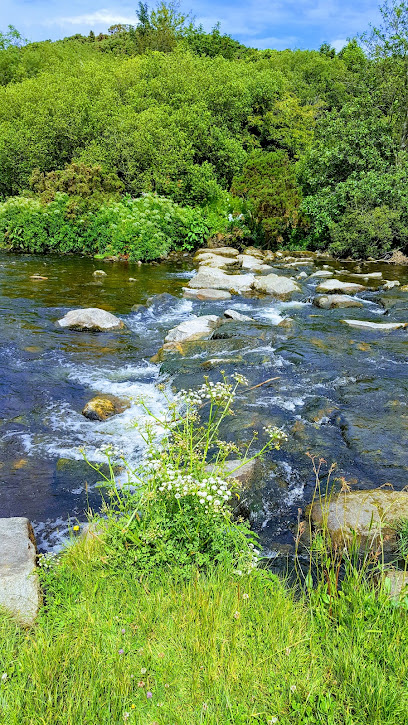
The Raggatt
3.4 km
Explore The Raggatt on the Isle of Man, a serene park offering lush landscapes, scenic views, and a perfect escape into nature for all visitors.
Cathedral Gardens, Peel, Isle of Man, IM5 1HH
3.7 km
Discover the tranquil beauty of Cathedral Gardens in Peel, Isle of Man, a serene escape rich in history and natural landscapes.
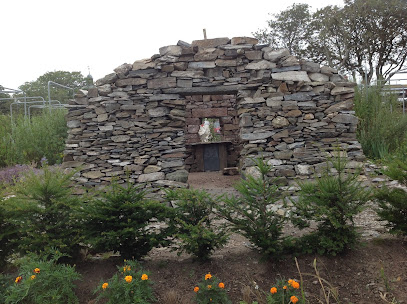
Traie Fagog
3.8 km
Explore the lush landscapes and serene ambiance of Traie Fagog, a tranquil park in Peel, Isle of Man, perfect for relaxation and family outings.
St. German's Cathedral
3.8 km
Discover the architectural beauty and rich history of St. German's Cathedral in Peel, Isle of Man, a serene retreat for every traveler.
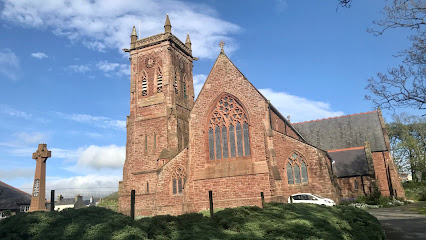
Mourne view beach
3.8 km
Explore the breathtaking Mourne View Beach in Peel, Isle of Man, where stunning landscapes meet outdoor adventure and relaxation.
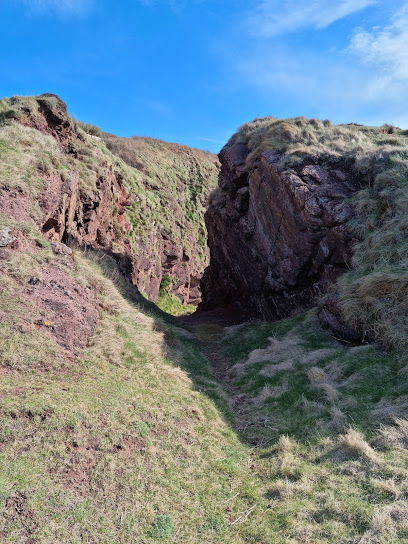
White Strand Beach
3.8 km
Experience the serene beauty of White Strand Beach on the Isle of Man, a perfect spot for relaxation, adventure, and breathtaking coastal views.
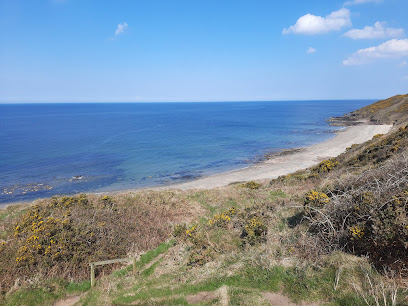
Peel
4.1 km
Experience the picturesque charm of Peel, Isle of Man, with its historic castle, beautiful beaches, and vibrant local culture.
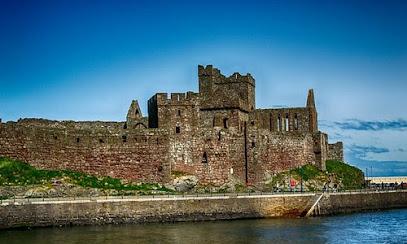
Essential places to dine

Greens Cafe
0.1 km
Discover Greens Cafe in St John's: where comfort meets flavor in an inviting atmosphere perfect for all travelers.
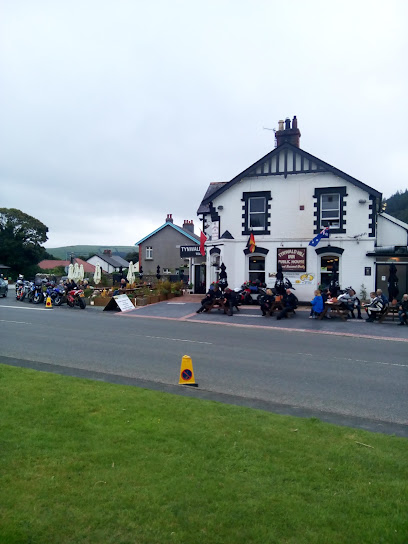
The Hawthorn
2.2 km
Discover The Hawthorn in Greeba: Where traditional pub comfort meets exquisite bistro dining on the Isle of Man.
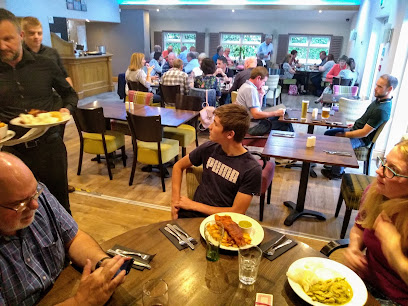
Lotus Chinese Takeaway
2.9 km
Experience authentic Chinese cuisine at Lotus Chinese Takeaway in Peel - a must-visit destination for food enthusiasts on the Isle of Man.
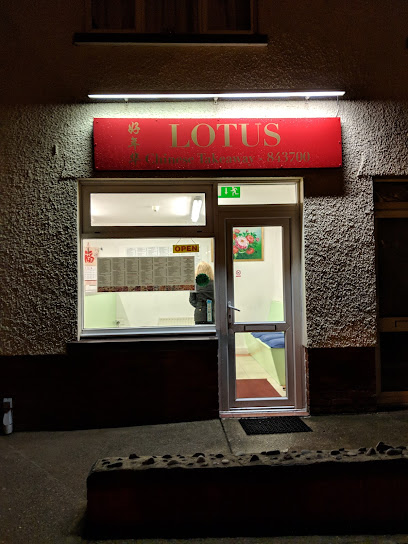
Barbary West Coast
3.0 km
Experience delightful dining at Barbary West Coast in Peel, Isle of Man - where local flavors meet stunning coastal views.
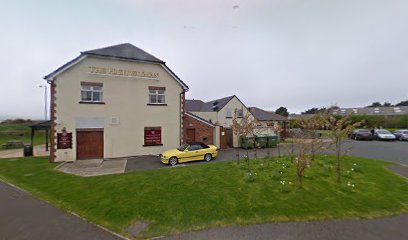
Peel Fisheries chip shop
3.8 km
Experience authentic fish & chips at Peel Fisheries - a cherished gem in Peel on the Isle of Man.
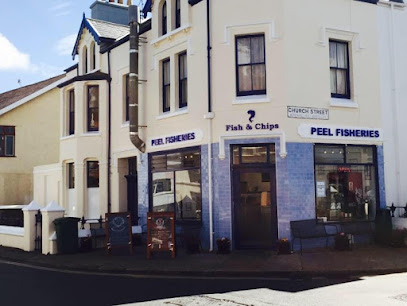
Pizza Romana
3.8 km
Experience the authentic flavors of Italy at Pizza Romana in Peel - the ultimate destination for pizza lovers on the Isle of Man.
Anatolia Takeaway
3.8 km
Indulge in authentic Italian flavors at Anatolia Takeaway – where every slice tells a story of culinary excellence.
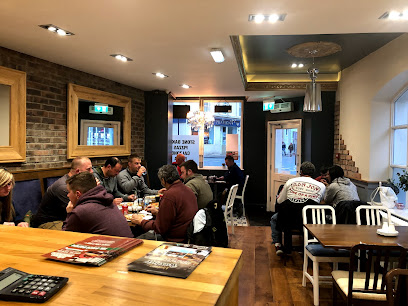
De Roni Pizza & Grill
3.9 km
Experience the best pizza and fast food at De Roni Pizza & Grill in Peel – perfect for families and tourists craving delicious meals.

Royal India
3.9 km
Experience authentic Indian cuisine at Royal India in Peel - a culinary gem offering flavorful dishes in a welcoming atmosphere.
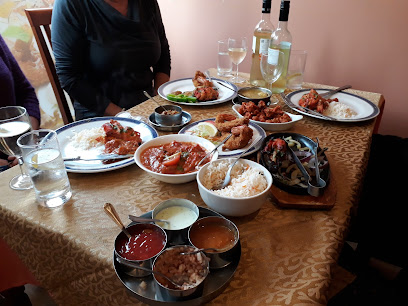
D.D's
4.0 km
Discover D.D's in Peel for an unforgettable breakfast experience filled with delicious food and friendly service in a cozy atmosphere.
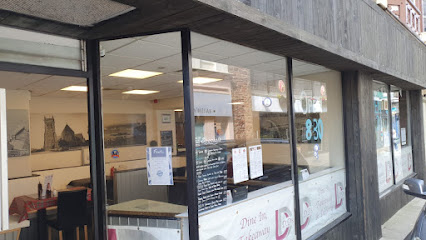
Kingsland chinese takeaway
4.0 km
Experience authentic Chinese flavors at Kingsland Chinese Takeaway in Peel - where every dish tells a story.
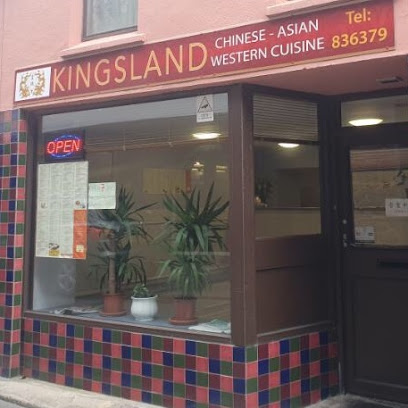
The Cod And Castle
4.1 km
Experience authentic British fish & chips at The Cod And Castle in Peel, Isle of Man—where quality seafood meets seaside charm.
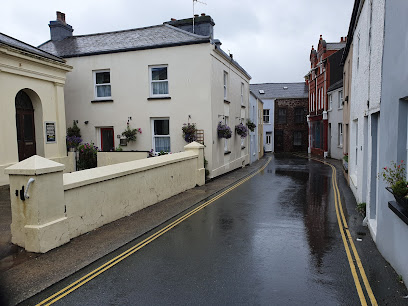
Harbour Lights Café & Restaurant
4.1 km
Experience delightful English cuisine with stunning coastal views at Harbour Lights Café & Restaurant in Peel, Isle of Man.
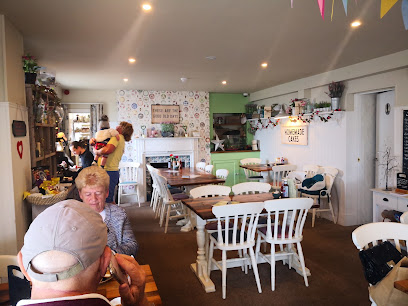
The Marine Hotel
4.1 km
Experience breathtaking views and exquisite local cuisine at The Marine Hotel in Peel - your perfect coastal getaway.
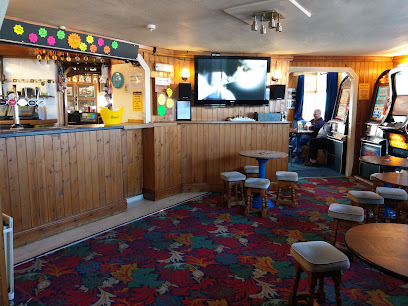
Indian Kitchen by Flavours
4.1 km
Experience the authentic taste of India at Indian Kitchen by Flavours in Peel - where every dish tells a story.
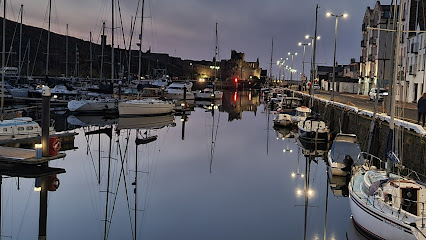
Markets, malls and hidden boutiques

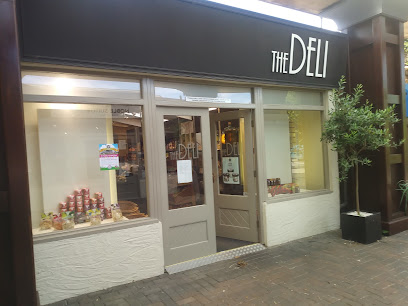
The Deli
0.7 km
Experience the flavors of the Isle of Man at The Deli in Ballig, where local produce and gourmet delights await your discovery.
Phase Eight
0.7 km
Explore stylish women's clothing at Phase Eight in Ballig, Isle of Man – where elegance meets contemporary fashion.
Warehouse Ilse Of Man Tynwald Mills
0.7 km
Explore stylish clothing and accessories at Warehouse Ilse Of Man Tynwald Mills, the perfect shopping experience in the heart of the Isle of Man.
Crew Clothing
0.7 km
Explore unique British fashion at Crew Clothing in the beautiful Isle of Man, offering high-quality apparel for every occasion.
Design & Home
0.7 km
Discover exquisite furniture and home decor at Design & Home in St. John's, Isle of Man, where style meets craftsmanship.
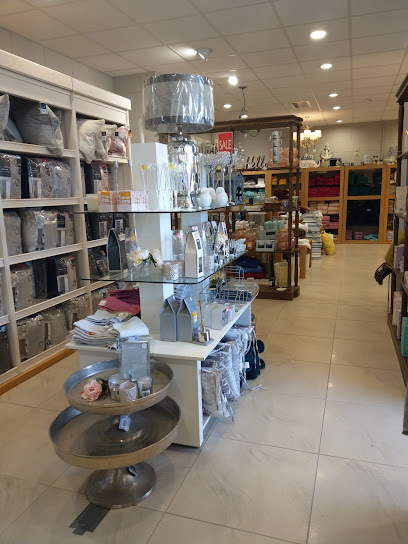
Peacocks
0.7 km
Discover Peacocks in Tynwald Mills for stylish, affordable clothing that enhances your Isle of Man experience.

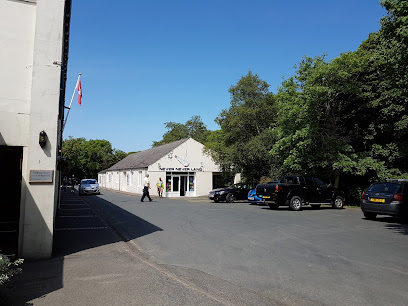
Nevernever Land
0.7 km
Experience the joy of play in Nevernever Land, a unique toy store in Ballig, Isle of Man, where imagination comes alive for children and families.
White Stuff Isle of Man
0.7 km
Discover unique clothing and accessories at White Stuff Isle of Man, where style meets the charm of the Isle of Man.
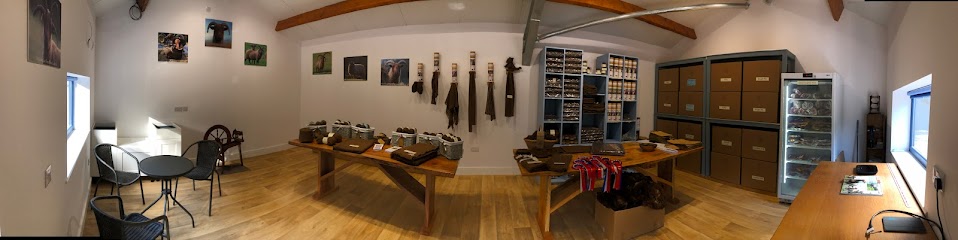
Ballacosnahan Wool & Farm Shop - Manx Loaghtan Produce
2.5 km
Explore the Isle of Man's Ballacosnahan Wool & Farm Shop for delicious Manx Loaghtan meat and exquisite local yarns in a picturesque setting.
Mace Store
2.9 km
Explore the Isle of Man with Mace Store's exquisite selection of local liquors, perfect for any occasion or celebration.
Dinky Doughnuts
3.2 km
Experience the delightful flavors of Dinky Doughnuts in Peel, Isle of Man, where every bite is a sweet adventure in a cozy setting.
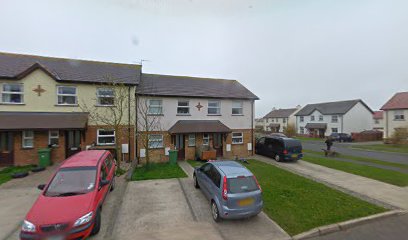
Motor Merch UK
3.5 km
Explore your creativity at Motor Merch UK in Peel, Isle of Man, where you can design your own custom t-shirts and unique souvenirs.
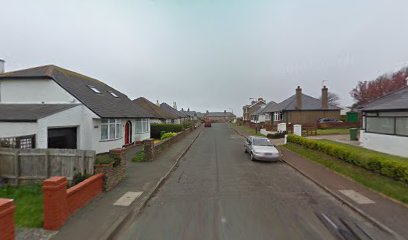
Shoprite
3.5 km
Discover the best of local and international groceries at Shoprite, your convenient supermarket in Peel, Isle of Man.
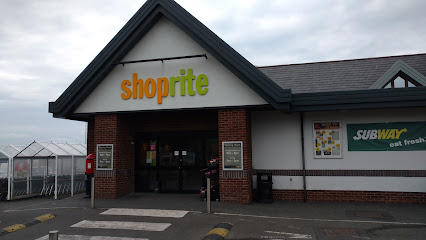
Green Mann Design & Tarot
3.7 km
Experience the enchanting world of tarot and unique gifts at Green Mann Design & Tarot in Peel, Isle of Man.
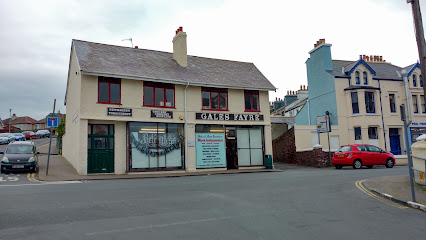
Gales Fayre
3.7 km
Discover Gales Fayre in Peel, Isle of Man - the perfect convenience store for tourists seeking local goods and essentials for their adventures.
Essential bars & hidden hideouts

Tynwald Hill Inn
0.1 km
Discover the heart of the Isle of Man at Tynwald Hill Inn, a cozy pub offering traditional meals and local charm in St John's.
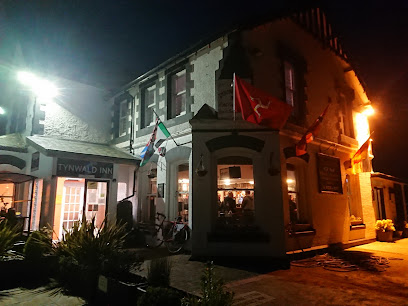
The Highwayman
3.0 km
Experience the charm of The Highwayman, a cozy pub in Peel, Isle of Man, offering local ales and delightful pub fare in a warm atmosphere.
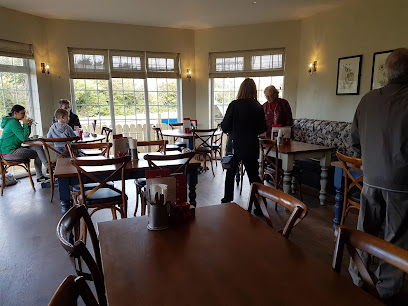
Baltic Inn
3.7 km
Discover the vibrant atmosphere of Baltic Inn, a beloved bar on the Isle of Man, perfect for savoring local drinks and connecting with fellow travelers.
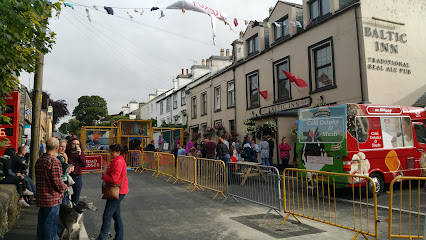
White House Hotel
3.8 km
Experience the warmth and charm of the White House Hotel in Peel, Isle of Man – a cozy pub with local brews and traditional dishes.
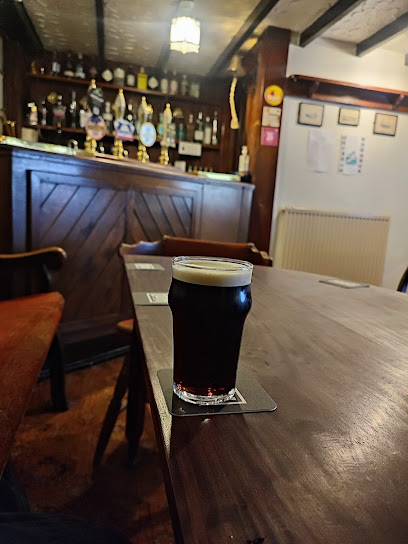
Royal Hotel
3.9 km
Experience the warmth and charm of the Royal Hotel, a must-visit pub in Peel, Isle of Man, offering delightful food and local beverages.
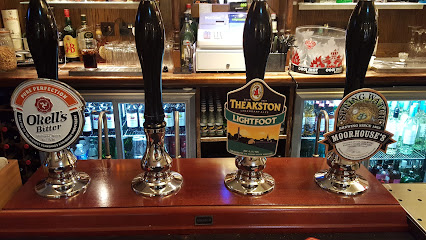
The Miller’s T’Ale
3.9 km
Experience the heart of Isle of Man hospitality at The Miller’s T’Ale, where local brews and traditional fare come together in a cozy pub atmosphere.
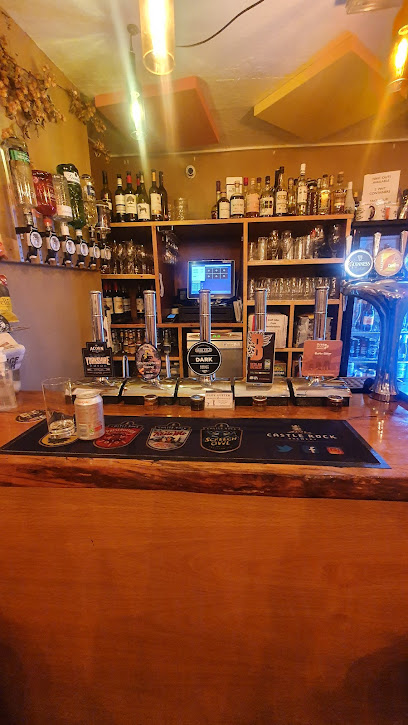
The Creek Inn
4.1 km
Enjoy the warmth of The Creek Inn in Peel, where local flavors and stunning lakeside views come together for an unforgettable pub experience.
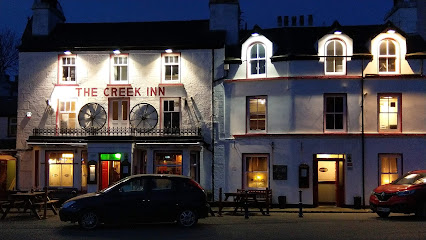
The Central Peel
4.1 km
Experience the warmth and charm of The Central Peel, a cozy pub offering delightful food, local ales, and a welcoming atmosphere in the heart of Peel.
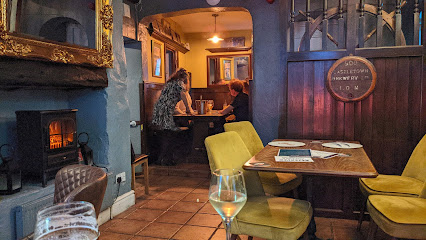
The Peveril
4.2 km
Experience the charm of The Peveril, a cozy bar in Peel, Isle of Man, known for its local ales, delicious food, and vibrant atmosphere.
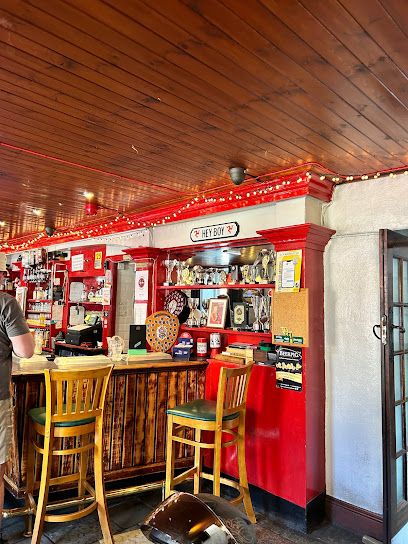
mshary al arabi
7.1 km
Experience the vibrant nightlife of the Isle of Man at Mshary Al Arabi, a bar that offers a unique blend of local charm and modern elegance.
The Mitre Pub
9.5 km
Experience the warmth of The Mitre Pub in Kirk Michael, where local ales and hearty meals meet traditional Isle of Man hospitality.
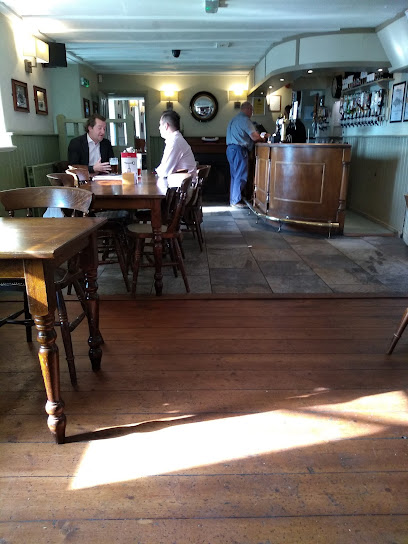
Kirk Michael
10.0 km
Discover the charm of Kirk Michael, a vibrant village on the Isle of Man with a lively bar scene, rich history, and stunning coastal views.
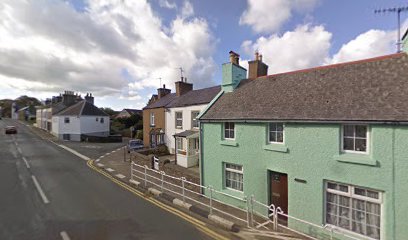
The Heron
10.0 km
Discover the charm of The Heron, a cozy pub in Douglas offering local ales and a warm atmosphere for an unforgettable experience.
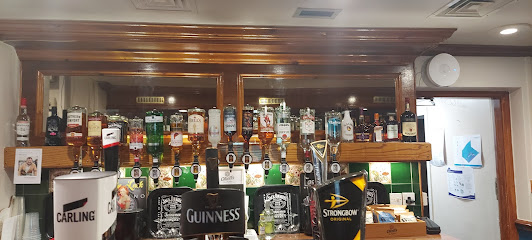
The Cat With No Tail
11.0 km
Discover the charm of The Cat With No Tail pub in Douglas, offering a warm atmosphere, local flavors, and a delightful drink selection.
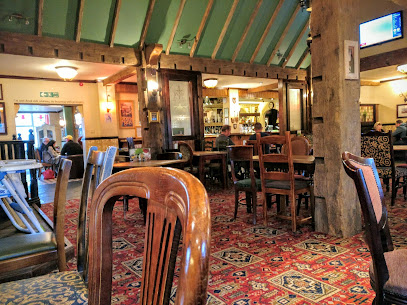
The Woodbourne
11.3 km
Experience the warmth of Isle of Man's pub culture at The Woodbourne, a delightful spot for drinks, food, and local camaraderie.
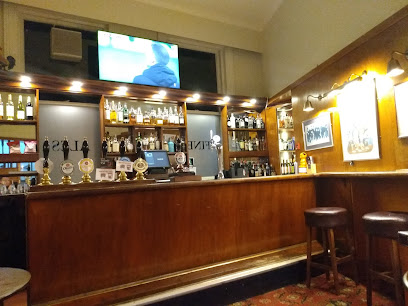
Nightclubs & after hour spots

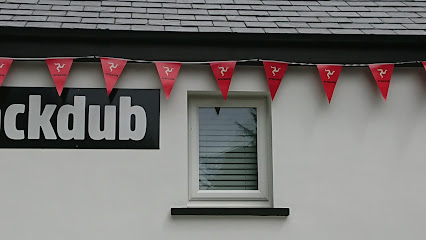
The Black Dub
2.1 km
Experience the vibrant nightlife of the Isle of Man at The Black Dub, a lively bar and event venue that embraces local culture and entertainment.

Peel Golf Club
3.5 km
Discover the breathtaking Peel Golf Club, where stunning landscapes meet a top-notch golfing experience on the Isle of Man.
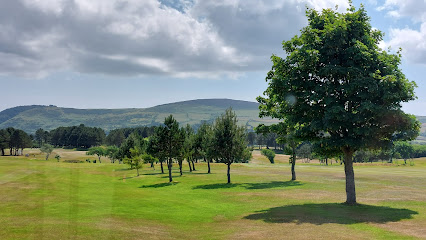
The Crosby
5.3 km
Discover the heart of Crosby at The Crosby pub, where local brews and hearty meals create an unforgettable experience on the Isle of Man.
Isle of man
7.1 km
Discover the Isle of Man: A breathtaking island known for exhilarating sports events and rich cultural heritage amidst stunning landscapes.
MC Entertainment
9.7 km
Experience unforgettable events with top-notch DJ services and event planning at MC Entertainment in Kirk Michael, Isle of Man.
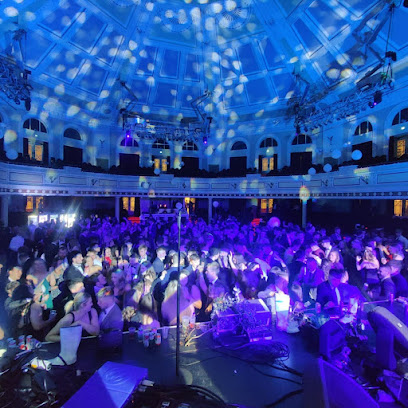
The Seven Sins Speakeasy
12.0 km
Experience the vibrant atmosphere and creative cocktails at The Seven Sins Speakeasy, Douglas' premier night club destination.
The Original Quids Inn
12.0 km
Experience the vibrant nightlife at The Original Quids Inn, a must-visit live music and karaoke bar on the Isle of Man.
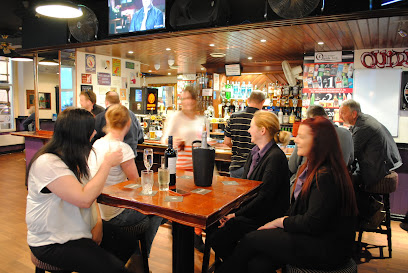
Brendan O'Donnell's
12.0 km
Discover the vibrant charm and local culture at Brendan O'Donnell's Pub in Douglas, Isle of Man—where great food and live music await.
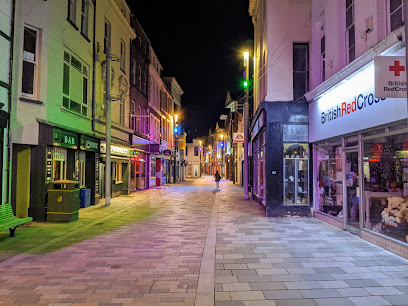
South Douglas Old Friends Association
12.0 km
Discover the heart of Douglas at the South Douglas Old Friends Association, a community bar offering a taste of Isle of Man's vibrant culture.
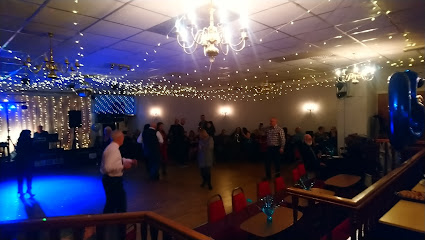
Jak's Bar & Smokehouse
12.1 km
Discover the vibrant flavors and lively atmosphere at Jak's Bar & Smokehouse, a premier grill experience in the heart of Douglas, Isle of Man.
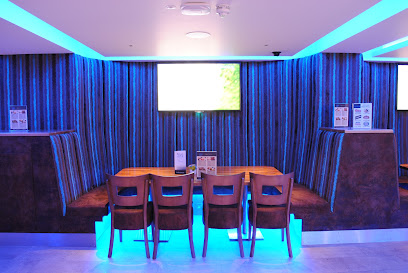
The Outback
12.1 km
Experience vibrant nightlife at The Outback in Douglas, Isle of Man, where locals and tourists gather for unforgettable evenings filled with music and fun.
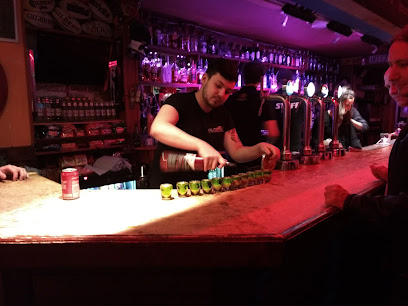
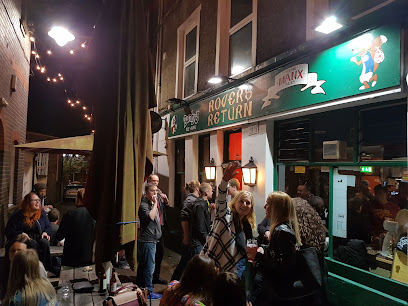
Rovers Return
12.1 km
Experience the vibrant atmosphere and local charm at Rovers Return, a cozy pub in Douglas, Isle of Man, perfect for relaxing after a day of exploration.
Thirsty Pigeon
12.2 km
Discover the vibrant atmosphere of Thirsty Pigeon, a must-visit pub in Douglas, Isle of Man, celebrated for its drinks and lively music nights.
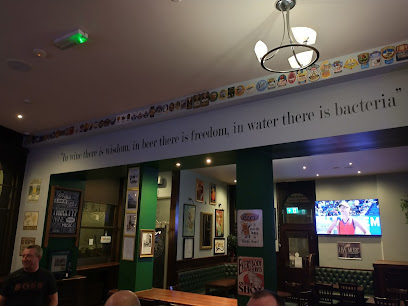
Mad Jack's
12.2 km
Experience the vibrant nightlife at Mad Jack's, Douglas' premier bar and live music venue, offering thrilling entertainment and fantastic drinks.

1886 Bar & Grill
12.2 km
Experience the best of dining and nightlife at 1886 Bar & Grill in Douglas, where culinary delights meet vibrant entertainment.
For the vibe & atmosphere seeker
- Tranquil
- Historic
- Unique
- Scenic
For the architecture buff
- Historic
- Landmarks
- Sacred Sites
- Heritage Neighborhoods
For the view chaser and sunset hunter
- Iconic Views
- Panoramas
For the social media creator & influencer
- Photo Spots
- Selfie Spots
- Aesthetic Corners
For the eco-conscious traveler
- Public-Transport Accessible
- Low Impact
For the kind of experience you’re after
- Cultural Heritage
- Myth & Legends
- Day Trip
For how adventurous you want the journey to be
- Easy Access
Location Audience
- Family Friendly
- Senior Friendly
- Child Friendly
- Teen Friendly
- Wheelchair Access
- Solo Friendly
- Couple Friendly
- Solo Female Friendly
- Business Friendly


