
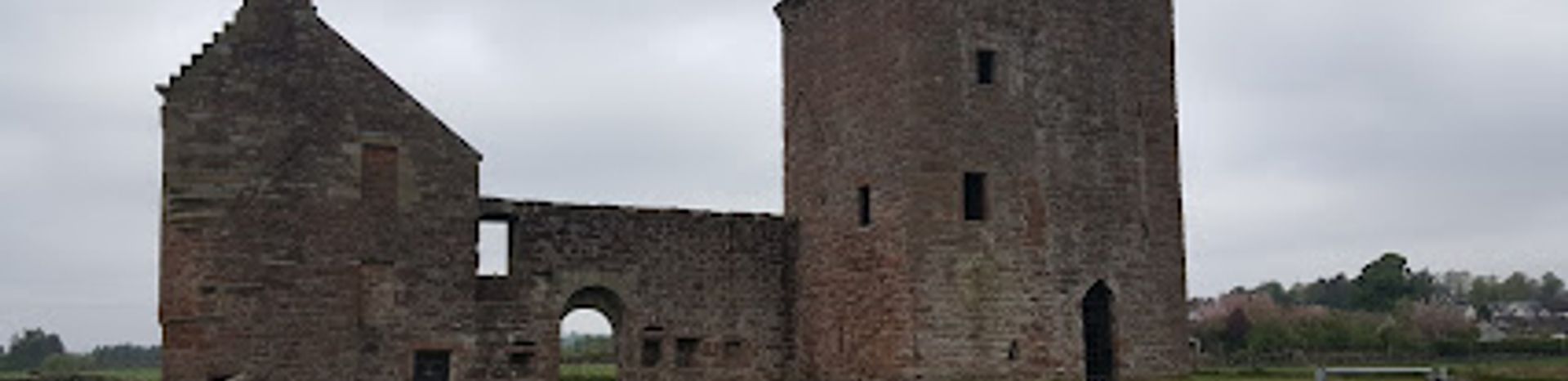
Burleigh Castle: Jacobean Ruin and Historic Seat of the Balfours
Explore the evocative ruins of Burleigh Castle, a 500-year-old Jacobean tower house steeped in Scottish history and legend near Milnathort.
Burleigh Castle is a striking roofless ruin of a 15th-16th century Scottish tower house near Milnathort, Kinross. Once the seat of the powerful Balfour family for over 250 years, it features a rare corbelled corner tower and remnants of its curtain wall. The castle's layered history includes royal visits, Jacobite ties, and local legends, offering visitors a glimpse into Scotland’s turbulent past amid atmospheric ruins set in tranquil countryside.
A brief summary to Burleigh Castle
- Burleigh Rd, Kinross, Milnathort, KY13 9GG, GB
- +441316688600
- Visit website
- Duration: 0.5 to 2 hours
- Free
-
 Outdoor
- Mobile reception: 4 out of 5
- Monday 12 am-12 am
- Tuesday 12 am-12 am
- Wednesday 12 am-12 am
- Thursday 12 am-12 am
- Friday 12 am-12 am
- Saturday 12 am-12 am
- Sunday 12 am-12 am
Local tips
- Visit during daylight hours to fully appreciate the castle’s architectural details and surrounding countryside.
- Wear sturdy footwear as the terrain around the ruins can be uneven and grassy.
- Bring a camera for atmospheric shots of the corbelled corner tower and vaulted interiors.
- Combine your visit with nearby Kinross attractions for a full day of Scottish heritage exploration.

For the on-the-go comforts that matter to you
- Restrooms
- Information Boards
- Seating Areas
Getting There
-
Car
Driving from Perth, the castle is approximately 30 minutes via the A912 and A911 roads. Parking is available nearby but limited, so plan accordingly. No entrance fee applies.
-
Bus
Local bus services run from Perth to Milnathort, taking about 40 to 50 minutes. From Milnathort town center, the castle is a 15-minute walk along Burleigh Road. Check seasonal schedules as service frequency varies.
-
Walking
For those staying in Milnathort, a scenic 15-minute walk along quiet country roads leads to the castle. The path is mostly flat but may be muddy after rain; suitable for most fitness levels.
Burleigh Castle location weather suitability
-
 Any Weather
-
 Rain / Wet Weather
-
 Clear Skies
-
 Mild Temperatures
Discover more about Burleigh Castle
Origins and Architectural Evolution
Burleigh Castle's origins trace back to 1446 when the lands were granted to Sir John Balfour of Balgarvie. Construction of the initial castle likely began in the late 15th or early 16th century, evolving from a defensive tower house into a more complex residence. The castle's centerpiece is a three-storey tower house, notable for its vaulted basement, a hall on the first floor, and a turnpike stair crowned by a caphouse. In 1582, the castle was significantly expanded by Sir James Balfour of Pittendreich and his wife Margaret, who added a distinctive round corner tower that transitions to a rectangular upper floor through corbelling—a remarkable example of Jacobean architecture. The curtain wall enclosing a courtyard with domestic buildings was also added during this period, enhancing both defense and livability.Historical Significance and Family Legacy
For nearly three centuries, Burleigh Castle was the seat of the Balfour family, influential figures in Scottish history. The castle hosted notable visitors such as Mary of Guise, mother of Mary, Queen of Scots, who dined there in 1540. The Balfours were deeply entwined with Scotland's political and religious upheavals, including involvement in the murder of Cardinal David Beaton and shifting allegiances during the Reformation. The family's fortunes declined after Robert Balfour, Master of Burleigh, committed a notorious murder in 1707 and later participated in the Jacobite Rising of 1715. Following the rebellion, the estate was forfeited and passed through various hands, marking the end of the Balfours' direct connection to the castle.Architectural Features and Ruinous Charm
Today, Burleigh Castle stands as a roofless ruin, evocative of its former grandeur. The surviving structures include the three-storey tower with remnants of bartizans at three corners and the corbelled parapet. The entrance lobby leads to the spiral stair, and the vaulted basement remains a testament to medieval construction techniques. The castle’s layout and defensive features, such as the curtain wall and gatehouse tower, reveal its dual role as a fortified residence and status symbol. The atmospheric ruins, set against the peaceful backdrop of the Kinross countryside, invite contemplation of Scotland’s layered history.Legends and Cultural Impressions
Burleigh Castle is steeped in local legend, including tales of a ghostly bogle known as Grey Mary, adding a mystical dimension to its historic presence. The castle’s dramatic history of passion, betrayal, and political intrigue has inspired stories and folklore that enrich the visitor experience. Its evocative ruins have also made it a subject of artistic and photographic interest, capturing the imagination of those drawn to Scotland’s storied past.Visitor Experience and Setting
Visitors to Burleigh Castle can explore the exterior ruins year-round, absorbing the tranquil rural setting and the castle’s architectural details. While the interior is not accessible, the site offers a compelling glimpse into late medieval Scottish noble life. The castle stands beside the A911 road near Milnathort, opposite a converted 19th-century steading, blending history with the surrounding modern landscape. This setting provides a quiet, reflective atmosphere ideal for history enthusiasts, photographers, and those seeking a scenic escape.Conservation and Accessibility
As a historic environment managed site, Burleigh Castle is preserved as a protected ruin. There are no formal opening hours, allowing visitors to experience the site at their leisure. Facilities nearby are limited, so preparation is advised. The castle’s modest size and open-air nature make it accessible for most visitors, though the uneven terrain may present challenges for some. Its location in Perth and Kinross offers additional opportunities to explore Scotland’s rich heritage in the surrounding region.Iconic landmarks you can’t miss

Seamark
7.6 km
Seamark in Kelty, Fife—a serene historical landmark honoring Scotland’s rich coal mining heritage and community resilience.
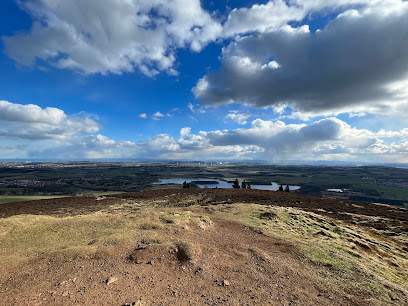
Perth & Kinross Heritage Trust
19.2 km
Explore the Perth & Kinross Heritage Trust - a cultural gem showcasing Scotland's rich history and community heritage.
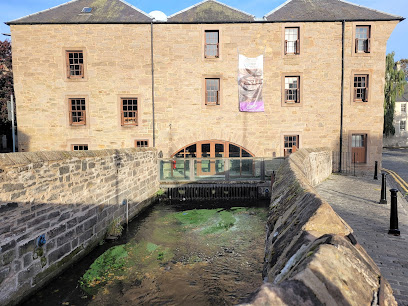
Smeaton's Bridge
19.3 km
Historic 18th-century stone bridge spanning the River Tay in Perth, blending engineering brilliance with scenic charm and rich heritage.
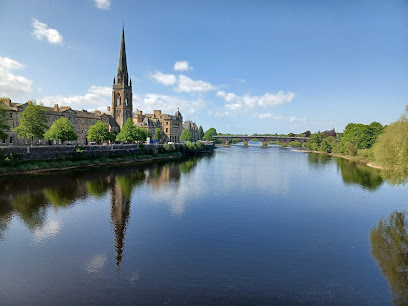
Ruins of Kincardine Castle
19.3 km
Explore the evocative 13th-century ruins of Kincardine Castle, a royal Scottish fortress steeped in medieval history and surrounded by tranquil farmland.
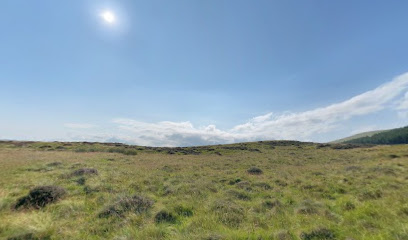
The Black Watch Castle & Museum
19.8 km
Explore the legacy of Scotland's historic Black Watch regiment at The Black Watch Castle & Museum in Perth, a captivating journey through time.
Caithness Place
20.0 km
Experience the vibrant connectivity of Caithness Place, your gateway to the best of Kirkcaldy's attractions and scenic spots.
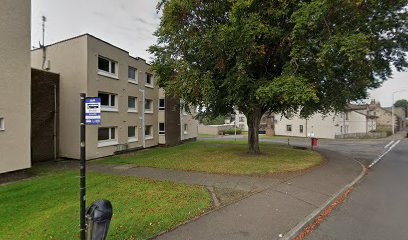
Aberdour Castle and Gardens
20.1 km
Explore the historic Aberdour Castle and Gardens, a picturesque site that showcases Scotland's rich heritage and stunning natural beauty.
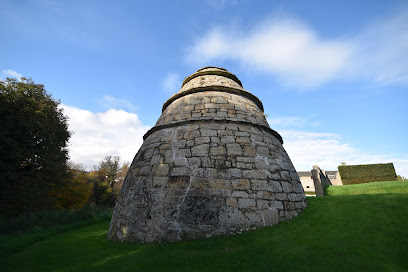
Ravenscraig Castle
20.2 km
Explore the majestic Ravenscraig Castle in Kirkcaldy, a stunning historical site blending rich heritage with breathtaking coastal views.

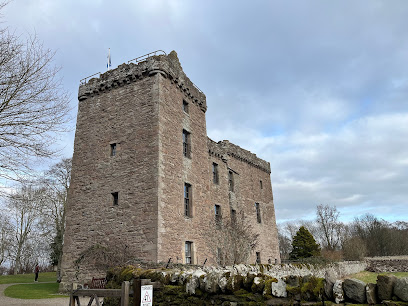
Huntingtower Castle
21.0 km
Discover the timeless beauty and rich history of Huntingtower Castle, a unique double tower house just outside Perth, Scotland.
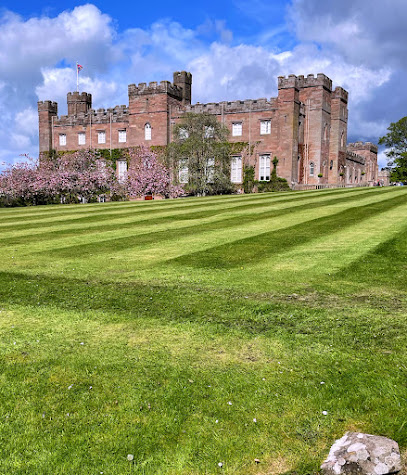
Scone Palace
22.0 km
Experience the rich history and stunning gardens at Scone Palace, a royal heritage site in Perth, Scotland, perfect for history buffs and nature lovers.
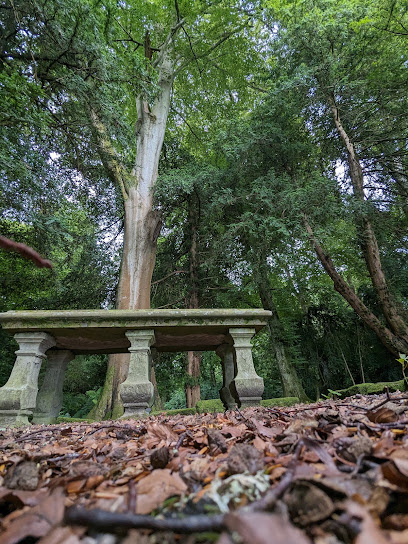
Tomb Of The Minister Of Scone & Family
22.2 km
A solemn mausoleum nestled within Scone Palace grounds, honoring the minister and family amidst Scotland’s royal and religious heritage.
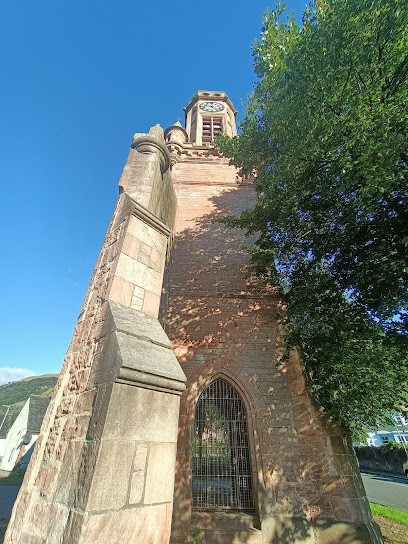
Ochil Street Clock Tower
22.4 km
A striking 19th-century Scottish Baronial clock tower standing proudly on Ochil Street, echoing Tillicoultry’s rich industrial heritage.
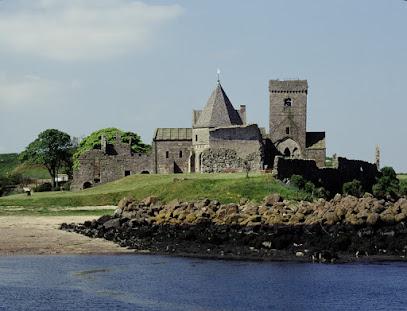
Inchcolm Abbey
22.7 km
Scotland's best-preserved medieval abbey on a wildlife-rich island accessible only by ferry.
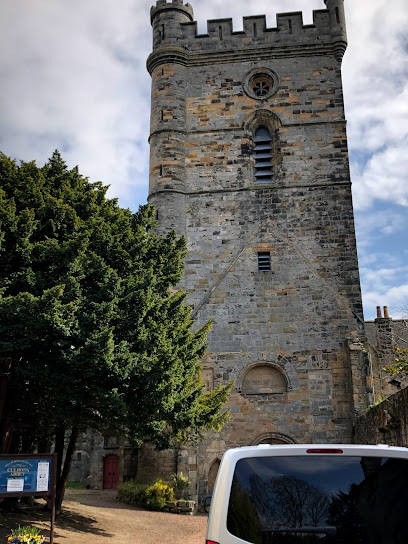
Culross Abbey
23.0 km
Experience the tranquil beauty and rich history of Culross Abbey, a stunning architectural gem in the heart of Scotland's picturesque landscape.
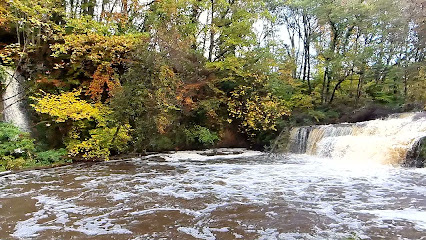
Linn Mill
23.3 km
Explore the serene hiking trails of Linn Mill in Alloa, a perfect escape for nature lovers and outdoor enthusiasts seeking tranquility in the woods.
Unmissable attractions to see

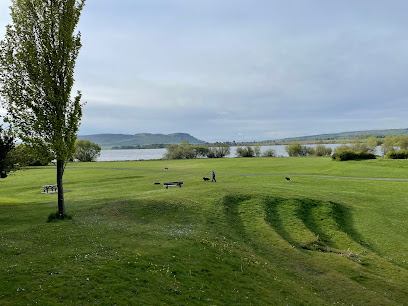
Loch Leven National Nature Reserve
0.7 km
Discover Scotland’s premier wetland sanctuary with vibrant wildlife, historic intrigue, and a scenic 13-mile trail around Loch Leven.
Orwell & Portmoak Parish Church
0.9 km
Historic 18th-century parish church in Milnathort blending heritage architecture with serene Scottish countryside charm.
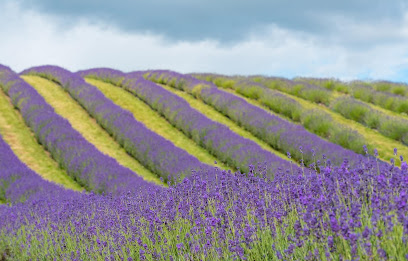
Scottish Lavender Oils
1.1 km
Discover Scotland’s premier lavender farm where hand-grown fields and artisanal distillation create exquisite essential oils and perfumes.
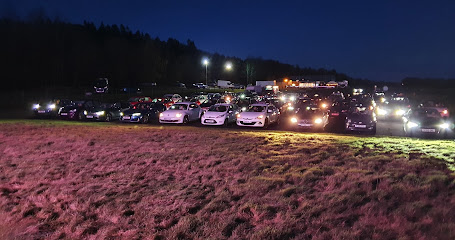
Aero Space Kinross
1.2 km
Explore the skies and beyond at Scotland’s pioneering flight and space science centre in the heart of Kinross.
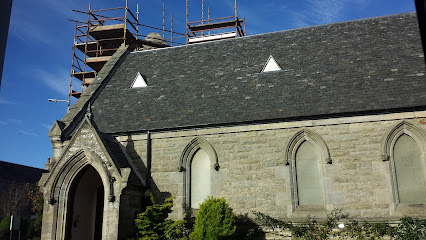
St Paul’s
2.0 km
A charming 19th-century Scottish Episcopal church in Kinross, known for its welcoming community and historic bell tower.
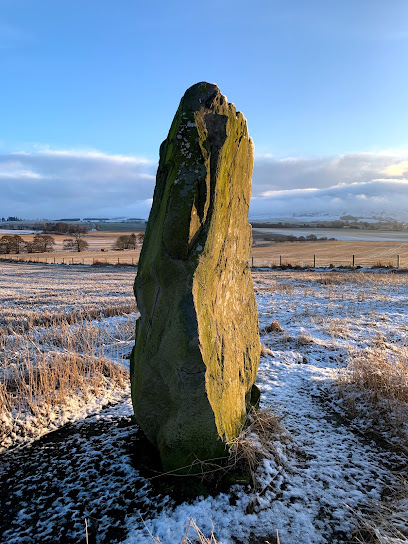
Orwell Standing Stones
2.1 km
Discover the ancient mystery and serene beauty of the Orwell Standing Stones, iconic prehistoric sentinels near Kinross, Scotland.
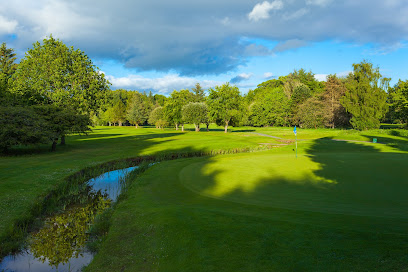
Kinross Golf Courses
2.1 km
Championship parkland golf in Scotland's scenic heartlands, just 30 minutes from Edinburgh.
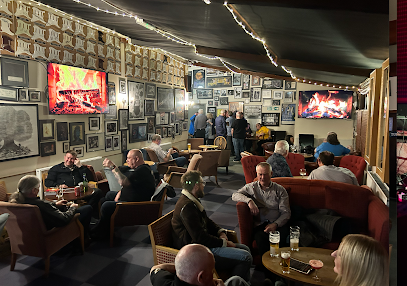
Mundell Music
2.3 km
Experience legendary live music up close in Kinross’s intimate and iconic venue where grassroots artists and music legends unite.
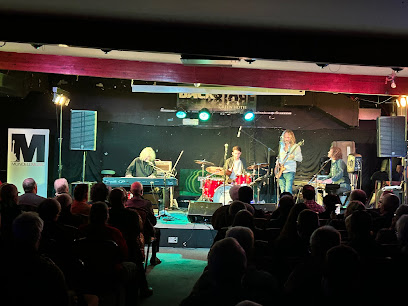
Backstage at The Green
2.3 km
Experience intimate live music in Kinross at Backstage at The Green, where legendary artists and grassroots talent unite in a cosy, character-filled venue.
Kinross Parish Church
2.5 km
Discover the historic Tudor Gothic Kinross Parish Church, a serene spiritual landmark set atop Kinross’s highest point.
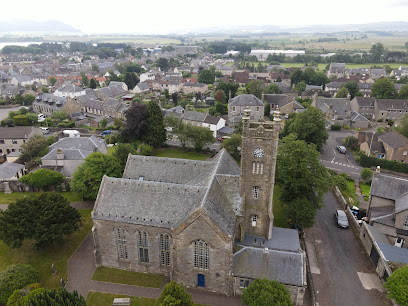
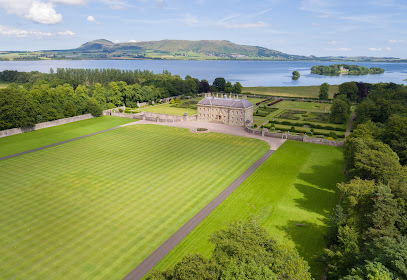
Kinross House Estate
2.5 km
Discover Scotland’s first neoclassical Palladian mansion, set amidst historic gardens and royal heritage on the shores of Loch Leven.
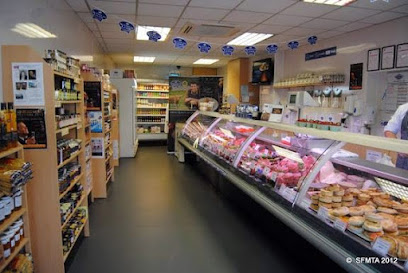
Hunters Of Kinross
2.7 km
Kinross’s trusted butcher shop offering premium meats, friendly service, and a welcoming local atmosphere on High Street.
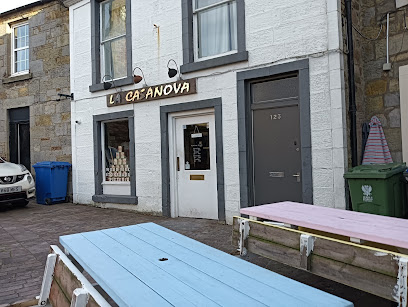
La Casanova
2.7 km
Authentic Mediterranean takeaway in Kinross offering thin, tasty pizzas with fresh ingredients and friendly service on High Street.
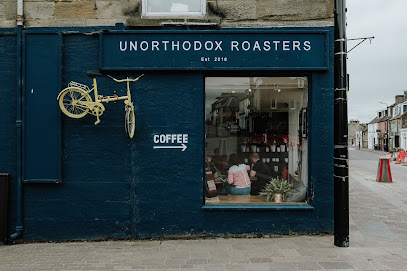
Unorthodox Roasters
2.7 km
Kinross’s artisan coffee roastery and café blending ethical sourcing, expert roasting, and a vibrant community atmosphere on High Street.
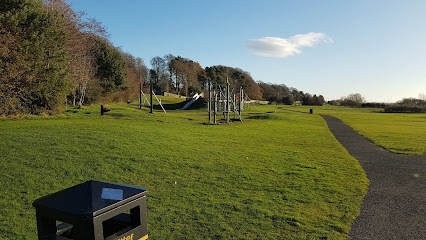
Kirkgate Park
2.7 km
A tranquil 7-hectare park on Loch Leven’s shore, perfect for family outings, scenic walks, and connecting with nature in Kinross.
Essential places to dine

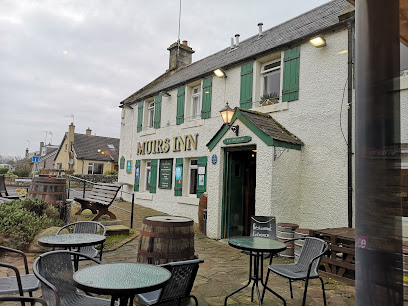
The Muirs Inn
2.0 km
Historic Kinross pub serving fresh home-cooked meals in a warm, welcoming atmosphere.
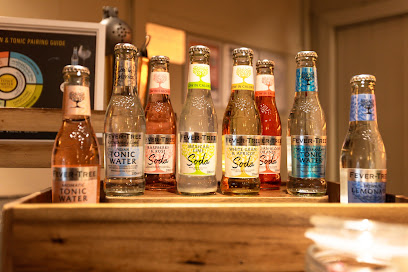
1567 Restaurant at the Green Hotel
2.2 km
Fine dining with historic charm and garden views in the heart of Kinross at The Green Hotel’s 1567 Restaurant.
The Kirklands Hotel
2.4 km
Charming boutique hotel in Kinross offering cozy rooms, superb breakfasts, and a friendly, welcoming atmosphere in a peaceful country setting.
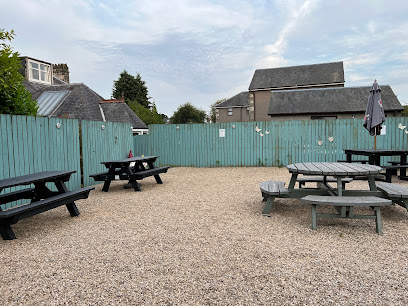
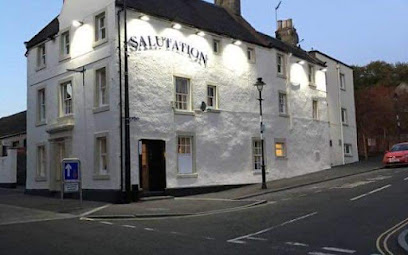
Salutation Hotel & Dewars Bar
2.6 km
A charming historic inn in Kinross with friendly service, traditional Scottish character, and a cozy bar and bistro atmosphere.
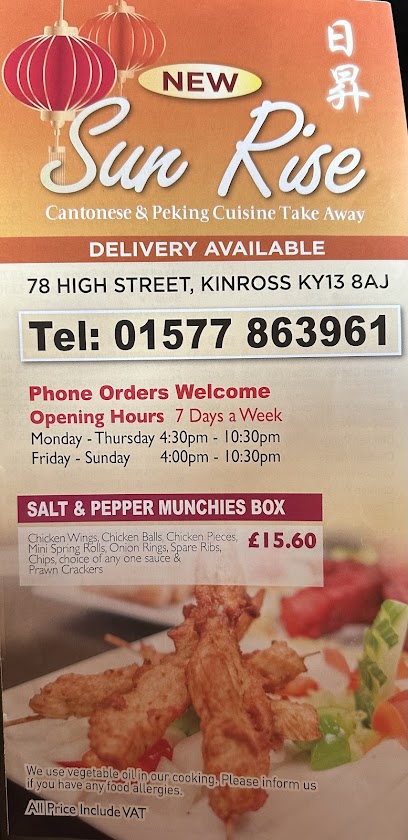
Sunrise
2.6 km
Discover authentic Chinese flavors at Sunrise in Kinross – where every dish tells a story of tradition and taste.
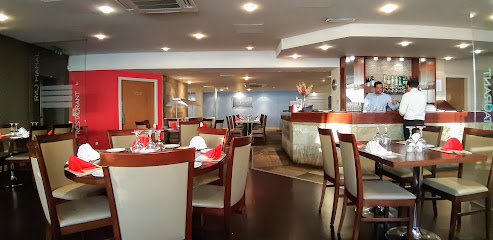
The Raj Mahal Indian Restaurant
2.8 km
Experience authentic and modern Indian flavors with a fresh buffet and warm hospitality in the heart of Kinross.
Le Jardin Cafe
2.9 km
A charming garden centre cafe in Kinross offering fresh food, great coffee, and a tranquil setting for all-day dining.
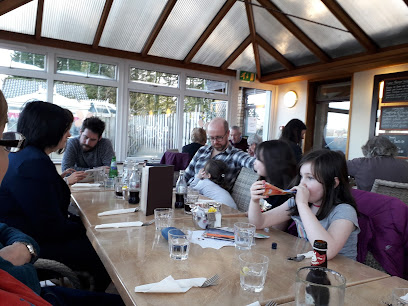
The Grouse & Claret
3.3 km
A charming countryside restaurant near Kinross serving expertly crafted Scottish dishes with warm, attentive service in a cozy setting.
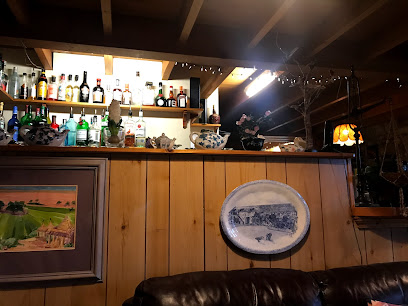
Balgedie Toll Tavern
3.6 km
Historic Scottish country pub with rustic charm, award-winning food, and a warm welcome amid scenic countryside near Loch Leven.
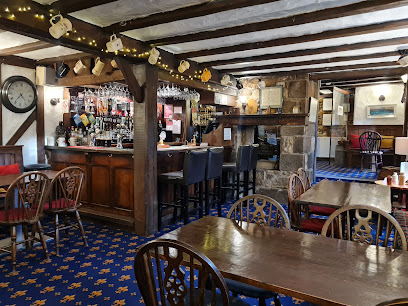
The Boar's Head Fife, Restaurant & Pub
13.0 km
A charming gastropub in Auchtermuchty offering fresh, locally inspired Scottish cuisine, fine wines, and cozy hospitality.
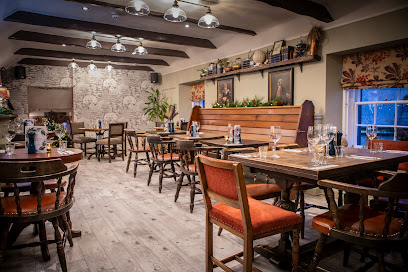
The Fettykil Fox
13.6 km
A charming gastropub in Glenrothes blending rustic Scottish style with hearty British fare and warm hospitality.
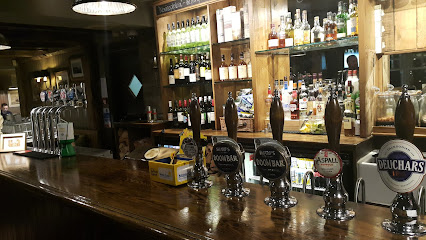
The Kirkstyle Inn
14.7 km
Experience authentic Scottish cuisine at The Kirkstyle Inn in Dunning - where tradition meets taste in a cozy setting.
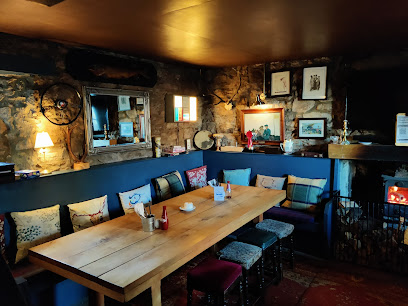
Grande Fine Dining Restaurant
15.8 km
Experience refined Scottish cuisine with a modern twist at The Grande, Kirkcaldy’s acclaimed fine dining restaurant within Dean Park Hotel.
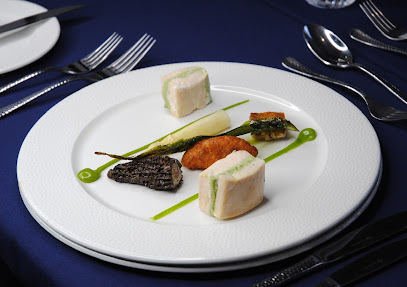
Frankie & Benny's
16.4 km
Classic American-Italian comfort food served fresh in a lively, family-friendly setting at Dunfermline’s Fife Leisure Park.
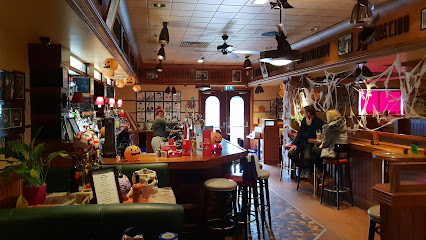
Christies Scottish Tapas
16.5 km
Discover Scottish flavors reimagined as tapas in a lively, welcoming setting at Christies Scottish Tapas in Dunfermline.
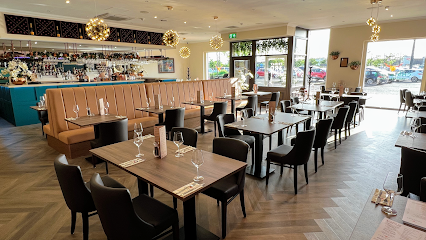
Markets, malls and hidden boutiques

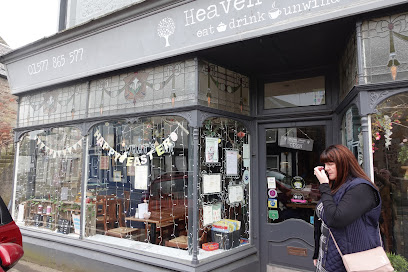
Heaven Scent Coffee Shop
0.8 km
A charming coffee shop in Milnathort offering customizable breakfasts, classic afternoon teas, and a welcoming garden setting with local flair.
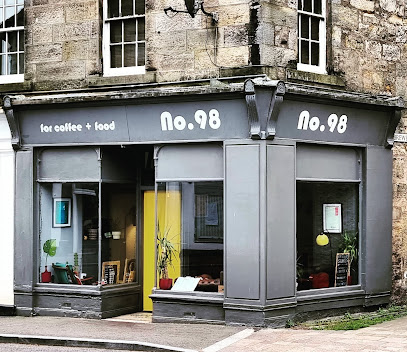
No 98
2.6 km
Discover No 98, a charming café in Kinross offering delicious breakfasts and a cozy atmosphere for an unforgettable dining experience.
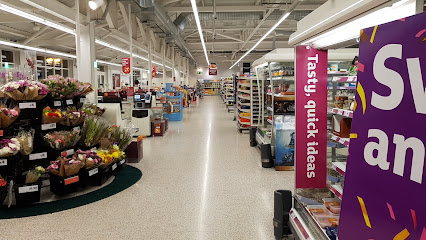
Sainsbury's
2.7 km
Your convenient and inclusive supermarket in Kinross, open daily with fresh produce, bakery delights, and modern shopping amenities.
Todd & Duncan Ltd
3.2 km
Discover the heritage and craftsmanship of Scotland’s leading cashmere yarn mill nestled beside Loch Leven.
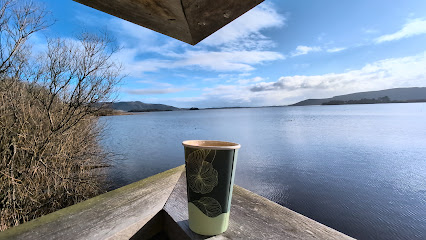
Fife Country
10.2 km
Heritage Scottish country clothing and footwear crafted since 1888 for enduring comfort and style in the great outdoors.
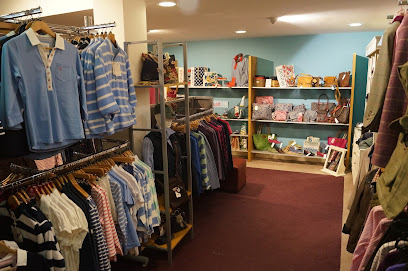
Vintage Quine
12.6 km
Discover timeless vintage fashion and unique accessories in the charming boutique of Vintage Quine, nestled in the historic village of Falkland.
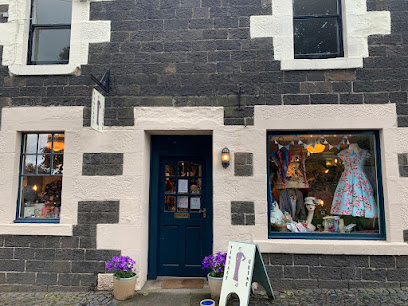
Fayre Earth
12.6 km
A charming gift shop and café in the historic village of Falkland, perfect for Scottish souvenirs, local crafts, and a warm cup of tea.
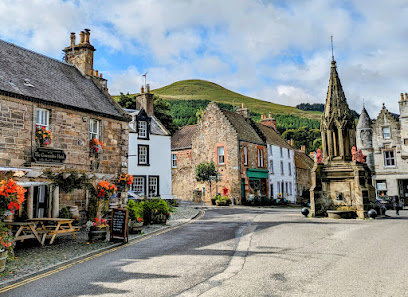
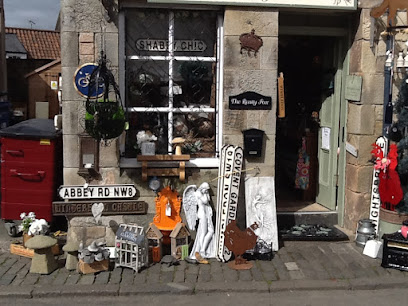
The Rusty Fox
12.7 km
Discover unique gifts, garden treasures, and plus-size fashion at The Rusty Fox, Falkland’s charming boutique on Back Wynd.
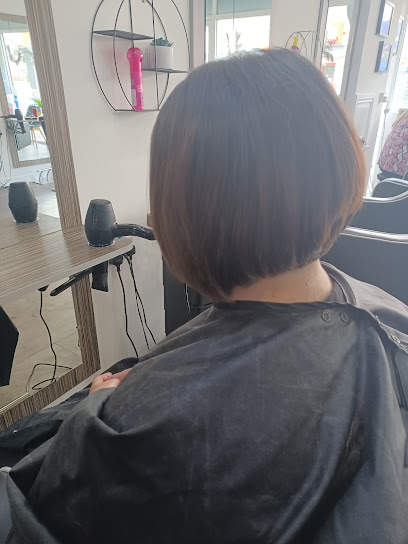
You Know Who's
13.6 km
Discover top high street brands at unbeatable prices with friendly service in the heart of Cowdenbeath.
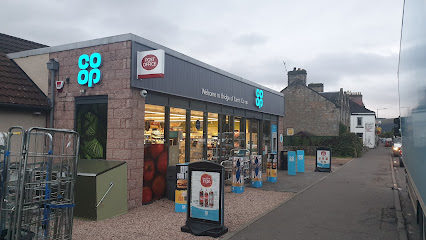
Co-op Food - Bridge of Earn - Main Street New
13.8 km
Discover the Co-op Food Store in Bridge of Earn - your one-stop shop for local flavors and essentials during your Scottish adventure.
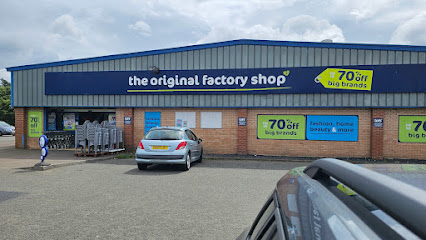
The Original Factory Shop (Cowdenbeath)
14.4 km
Shop big brands for less at The Original Factory Shop Cowdenbeath, your go-to discount store for clothing, footwear, beauty, and party supplies.
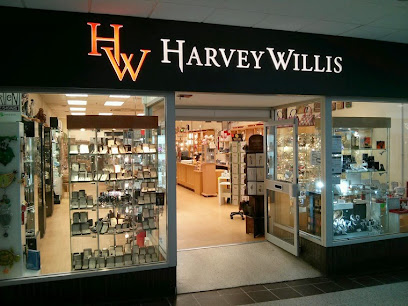
Harvey Willis
14.8 km
Discover Glenrothes’ award-winning boutique offering exquisite gifts, jewellery, watches, and personalized services in a welcoming setting.
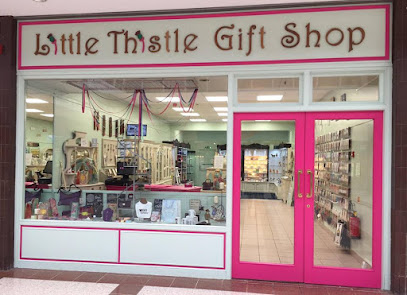
Little Thistle Gift Shop
14.8 km
Discover unique Scottish gifts and handcrafted treasures at Little Thistle, Glenrothes’ award-winning family-run boutique.
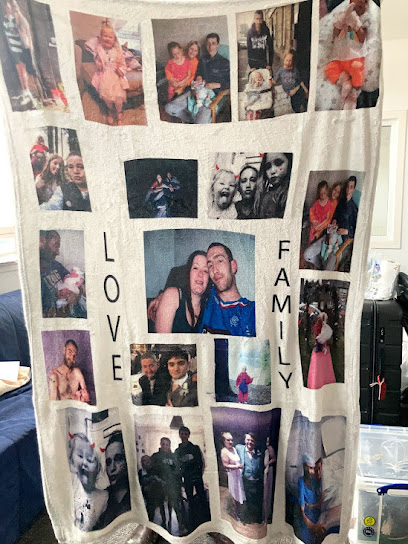
A&N Custom Gifts
14.8 km
Explore A&N Custom Gifts, your go-to destination in Glenrothes for unique souvenirs and personalized treasures that embody the spirit of your travels.
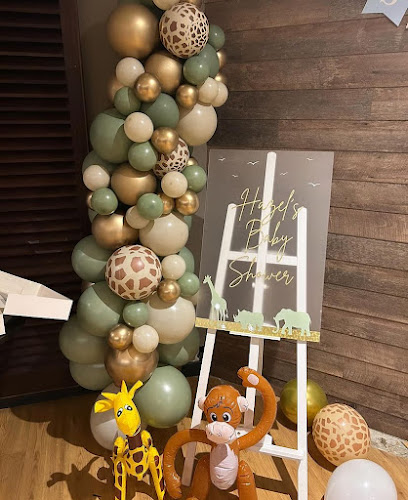
Kreative Dunfermline
16.9 km
Discover unique, handcrafted gifts and local artistry at Kreative Dunfermline, a charming boutique celebrating Fife’s creative spirit.
Essential bars & hidden hideouts

Jock's Bar
2.2 km
A cozy, lively bar in Kinross offering local ales, hearty meals, and live music in a historic hotel setting.
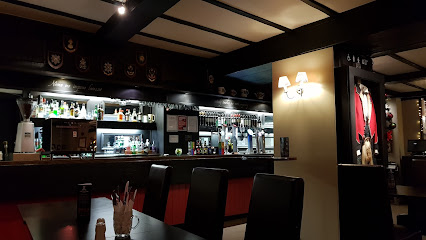
The Railway Tavern @ Strathmiglo (Formerly The Strath Tavern)
10.0 km
Historic Scottish charm meets authentic local flavors in the welcoming Railway Tavern at Strathmiglo’s heart.
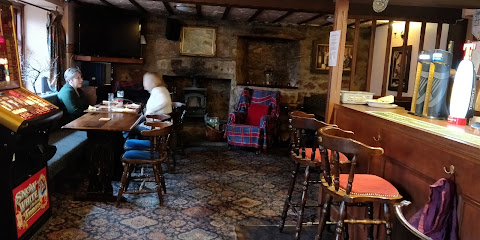
Torleys Bar
12.7 km
A friendly Lochgelly pub with pool, darts, beer garden, live sports, and a warm community atmosphere at its heart.
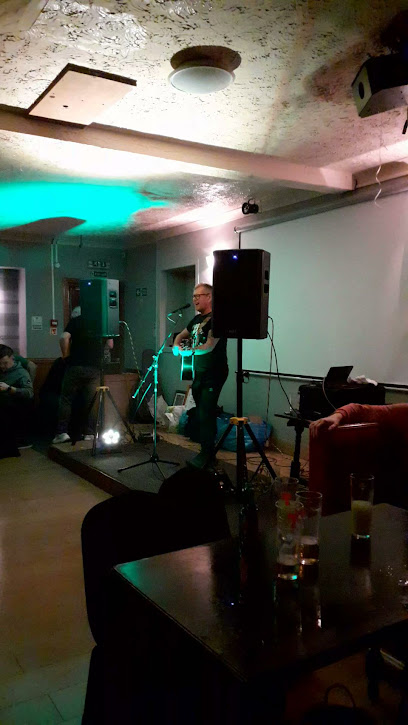
Home Farm View - Pub & Grill
15.7 km
A welcoming pub and grill near Kirkcaldy offering classic dishes, a full bar, and family-friendly comfort in a casual setting.
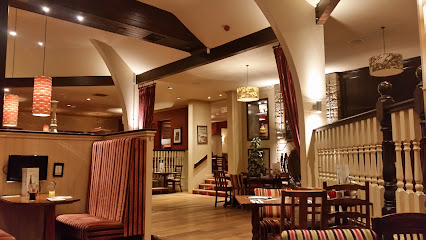
Spiral Weave
16.0 km
A modern pub with a traditional heart, serving daily carvery and classic pub fare in a welcoming family-friendly setting with a lively beer garden.
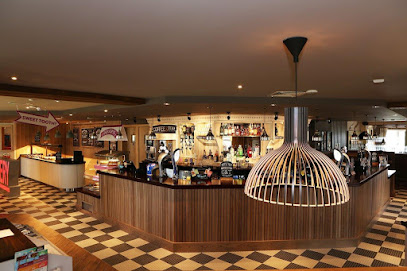
The Chapel Tavern
16.6 km
A classic Kirkcaldy pub offering hearty British fare, lively events, and a warm, welcoming atmosphere for all.
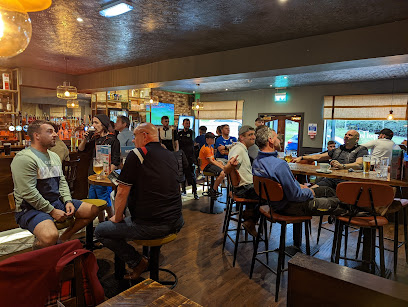
The Elby Inn
17.0 km
Experience the heart of Scottish hospitality at The Elby Inn, a cozy pub in Markinch offering local ales and hearty meals.
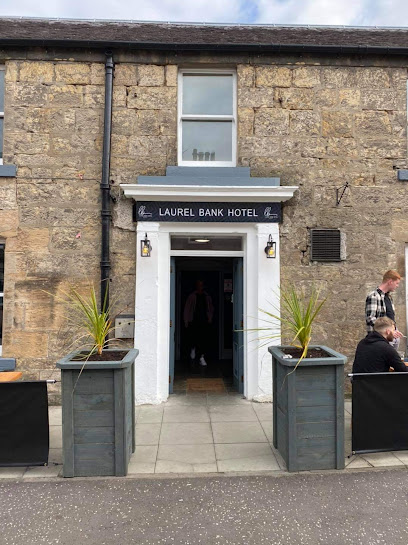
Eddy's Bar
17.0 km
A traditional Kirkcaldy pub blending classic charm with modern comfort, perfect for locals and visitors seeking a welcoming atmosphere.
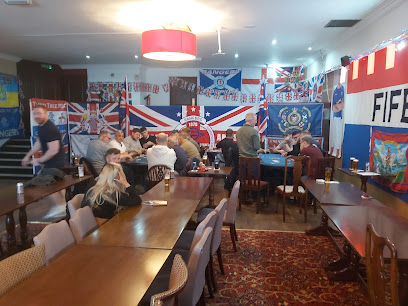
Auld Classic Bar
17.0 km
Auld Classic Bar offers rustic charm and friendly vibes in Dunfermline, perfect for a relaxed pint or casual night out at an affordable price.
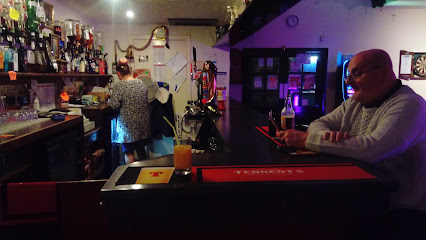
East Port Bar
17.5 km
Experience authentic Scottish pub culture with lively sports, local ales, and warm hospitality in Dunfermline’s East Port Bar.
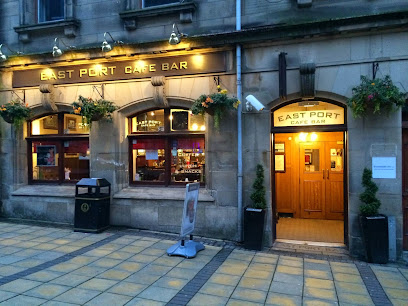
The Glen Tavern
17.6 km
Cozy and friendly pub in Dunfermline serving hearty Scottish fare and local brews in a warm, inviting atmosphere.
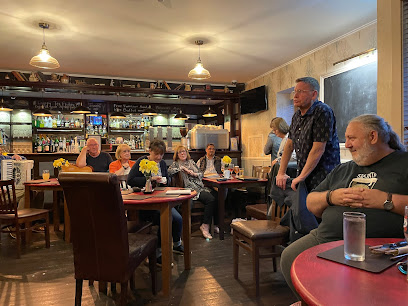
The Old Inn
17.6 km
Historic and welcoming pub in Dunfermline’s center, blending rustic charm with lively atmosphere and excellent food.
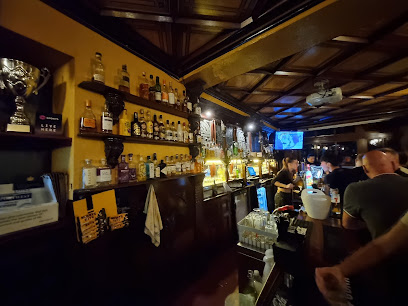
The Creepy Wee Pub
17.6 km
A quirky gothic-themed pub in Dunfermline offering a cozy atmosphere, unique decor, and a great selection of drinks for locals and visitors alike.
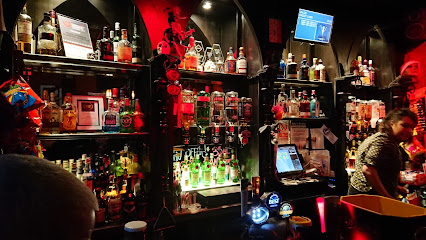
Lourenzos
17.6 km
Lourenzos is Dunfermline’s vibrant bar and nightclub, renowned for its lively atmosphere, quality cocktails, and friendly service.
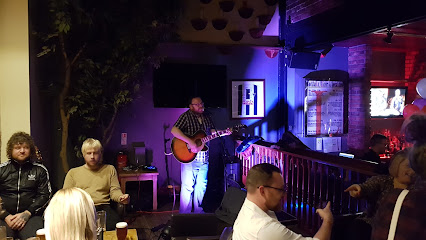
Bridge Street Bar
17.8 km
Enjoy expertly crafted cocktails and a warm, welcoming atmosphere at Bridge Street Bar, Dollar’s vibrant social hub.
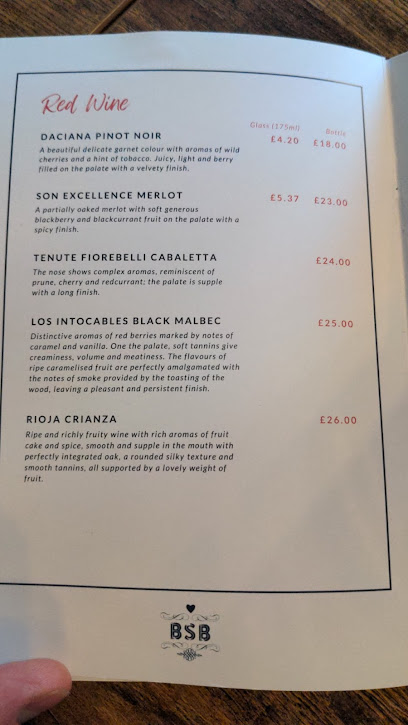
Nightclubs & after hour spots

The Schofies Residence 1
13.3 km
A lively nightclub nestled in Glenrothes, offering a vibrant social scene and memorable nights in Scotland’s welcoming town.
LIFE
17.6 km
Experience vibrant nightlife and late-night fun at LIFE, Dunfermline’s energetic nightclub with a welcoming atmosphere and great music.
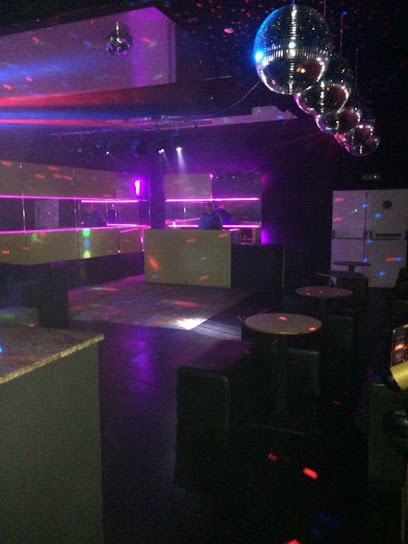
Ice Factory Perth
18.0 km
Perth’s energetic nightclub and live music hotspot, blending dance, DJs, and vibrant weekend nights in a modern setting.

Loft Nightclub
18.9 km
Perth’s energetic nightclub with six bars, late-night dancing, and a lively social scene on South Street.
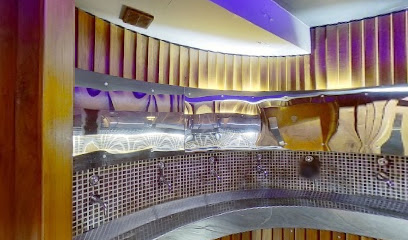
Club One
19.0 km
Experience Perth’s vibrant nightlife at Club One, a lively nightclub offering late-night and daytime parties in the city center.
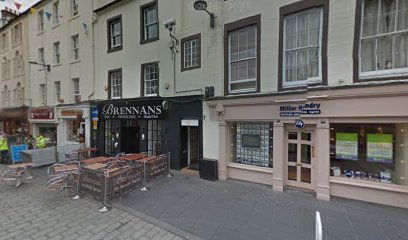
Ego Nightclub - Perth
19.1 km
Experience Perth’s vibrant nightlife at Ego Nightclub, where quality music and positive energy unite after dark.
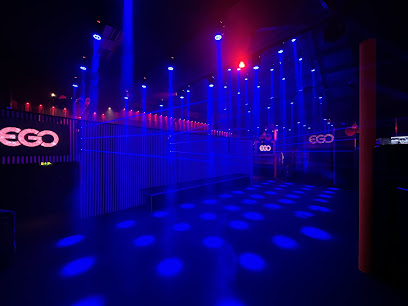
Republic Bar Club
20.1 km
Experience Kirkcaldy’s vibrant nightlife at Republic Bar Club, where great drinks, friendly vibes, and lively weekends come together.
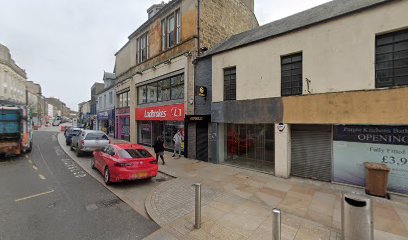
Hustlers Pool Hall
20.6 km
Affordable, lively pool hall and sports bar in Rosyth offering fun games, friendly vibes, and great social atmosphere for all ages.
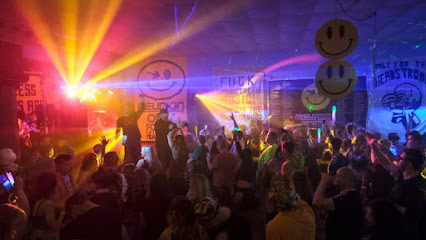
Truth
25.5 km
Experience vibrant nightlife with great music, friendly service, and a welcoming atmosphere at Truth nightclub in Leven, Fife.
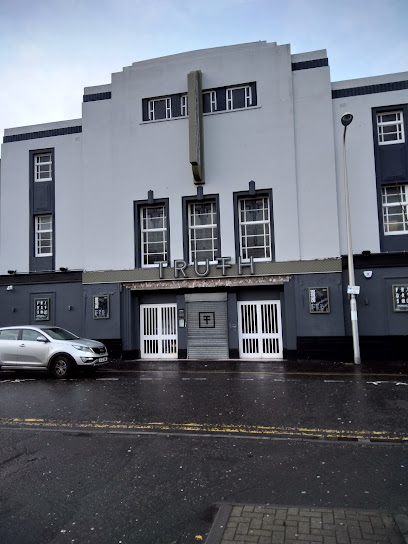
Leith Dockers Club
31.9 km
Discover the vibrant Leith Dockers Club, a social haven in Edinburgh offering live music, community events, and a taste of local culture.
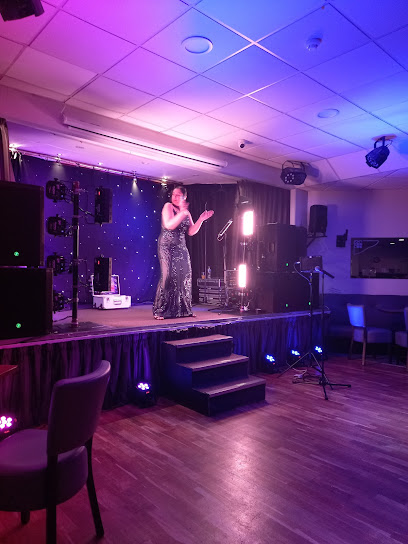
West Lothian Casting Agency
32.6 km
Discover the vibrant adult entertainment scene at West Lothian Casting Agency, where immersive performances and themed events await every visitor.
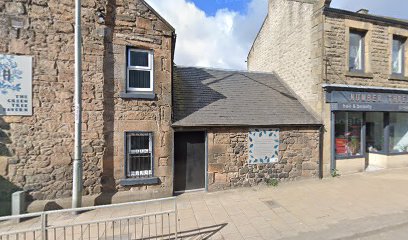
The Street
32.8 km
Experience the vibrant nightlife of Edinburgh at The Street, a lively cocktail bar and restaurant offering delicious drinks and a diverse menu.
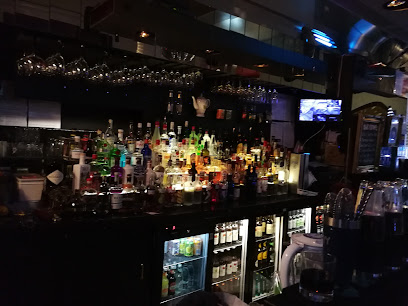
Garibaldi's
32.8 km
Edinburgh's tiniest nightclub packs the biggest late-night punch on Hanover Street, with killer margaritas and a dance floor that never quits till 3am.
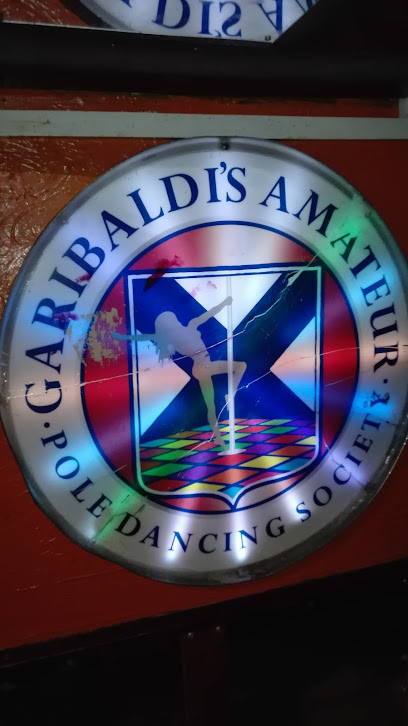
Lulu Bar and Nightclub
32.9 km
Edinburgh's George Street gem: chic cocktails, thumping beats, and dance floors that ignite the night in upscale style.
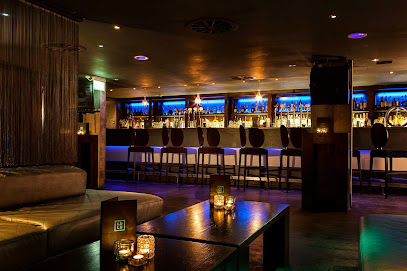
Opal Lounge
32.9 km
A stylish live music bar and nightclub in Edinburgh’s New Town, perfect for celebrations and vibrant nightlife.
For the vibe & atmosphere seeker
- Tranquil
- Scenic
- Historic
- Unique
For the design and aesthetic lover
- Rustic Designs
- Vintage Styles
For the architecture buff
- Historic
- Landmarks
- Heritage Neighborhoods
For the view chaser and sunset hunter
- Iconic Views
- Panoramas
For the social media creator & influencer
- Instagrammable
- Photo Spots
- Selfie Spots
For the eco-conscious traveler
- Protected Area
- Public-Transport Accessible
- Locally Managed
For the kind of experience you’re after
- Cultural Heritage
- Photowalk
- Nature Escape
- Day Trip
- Weekend Getaway
For how adventurous you want the journey to be
- Easy Access
Location Audience
- Family Friendly
- Senior Friendly
- Child Friendly
- Teen Friendly
- Wheelchair Access
- Pet Friendly
- Solo Friendly
- Couple Friendly


