
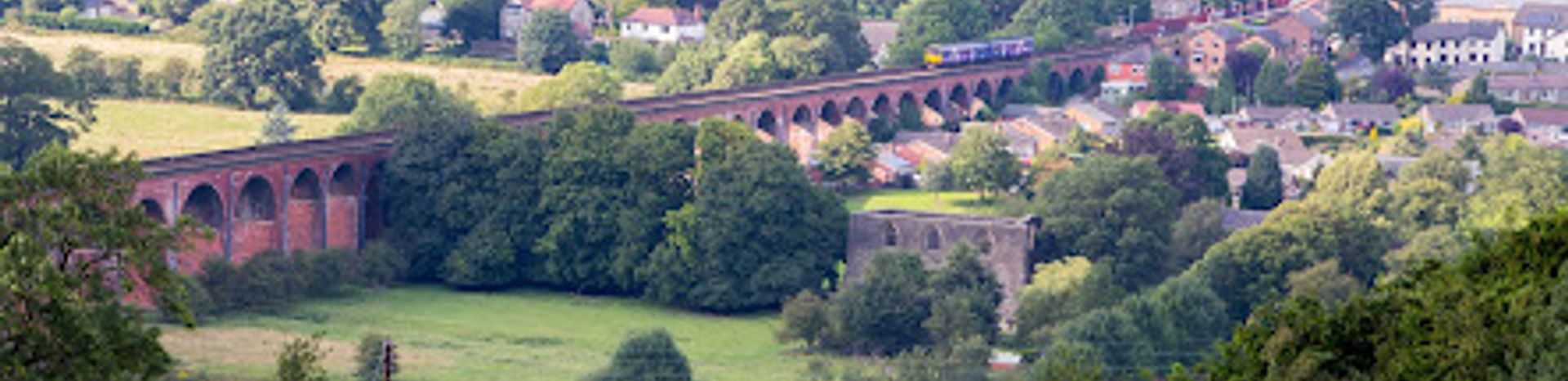
Whalley Arches: Lancashire's Majestic Victorian Railway Viaduct
Experience the awe-inspiring Whalley Arches, Lancashire’s longest brick viaduct, blending Victorian engineering with stunning Ribble Valley scenery.
Whalley Arches, also known as Whalley Viaduct, is a striking 19th-century railway bridge located in Whalley near Clitheroe, Lancashire. Spanning the River Calder with 48 elegant brick arches, it stretches over 600 yards and rises 70 feet above the valley floor. Built between 1846 and 1850, this engineering marvel used over 7 million bricks and remains a prominent historic landmark set against the scenic backdrop of Pendle Hill and the Forest of Bowland.
A brief summary to Whalley Arches
- Clitheroe, Whalley, GB
- Duration: 0.5 to 2 hours
- Free
-
 Outdoor
- Mobile reception: 4 out of 5
- Monday 12 am-12 am
- Tuesday 12 am-12 am
- Wednesday 12 am-12 am
- Thursday 12 am-12 am
- Friday 12 am-12 am
- Saturday 12 am-12 am
- Sunday 12 am-12 am
Local tips
- Visit during daylight hours for the best views and photography opportunities of the arches and surrounding landscape.
- Combine your visit with nearby Whalley Abbey ruins to explore local history and enjoy tranquil gardens.
- Look out for special steam-hauled heritage trains crossing the viaduct, a highlight for railway enthusiasts.
- Wear sturdy footwear if exploring the surrounding countryside, as terrain can be uneven.

For the on-the-go comforts that matter to you
- Seating Areas
- Information Boards
Getting There
-
Train
Take the Ribble Valley Line train to Whalley station, located at the north end of the viaduct. Trains run regularly from Blackburn and Clitheroe, with journey times between 20 and 40 minutes. Tickets cost approximately £5–£10 one way. Note that services may be less frequent on Sundays.
-
Bus
Local bus services connect Whalley with Clitheroe and surrounding towns. The journey from Clitheroe takes about 15–25 minutes. Bus frequency varies, so check the latest timetables. Tickets typically cost £3–£5.
-
Car
Driving from Clitheroe or Blackburn takes about 20–30 minutes via the A59. Limited roadside parking is available near the viaduct; visitors should use designated parking areas in Whalley village to avoid congestion.
Whalley Arches location weather suitability
-
 Any Weather
-
 Clear Skies
-
 Mild Temperatures
-
 Rain / Wet Weather
Discover more about Whalley Arches
Architectural Grandeur of the Whalley Arches
Whalley Arches is a monumental railway viaduct constructed in the mid-19th century, renowned as the longest brick-built viaduct in Lancashire. It features 48 arches, combining spans of 9 and 12 meters, that elegantly curve across the River Calder valley. The viaduct stands approximately 70 feet (21 meters) above the river, a testament to Victorian engineering prowess. The structure was built using over seven million locally made bricks, with some arches uniquely decorated with gothic-style brick infills that pay homage to the nearby historic Whalley Abbey.Historical Significance and Construction Challenges
Constructed between 1846 and 1850 by engineer Terence Woulfe Flanagan, the viaduct was part of the Blackburn to Clitheroe railway line, aiming to connect Lancashire’s industrial centers with the Ribble Valley. The project faced significant challenges, including the collapse of two arches during construction, which resulted in three fatalities. Despite this, the viaduct was completed at a cost of £40,000 and has endured as a vital railway link and heritage monument.Setting and Surrounding Landscape
Whalley Arches is set in a picturesque rural landscape on the southern edge of the Forest of Bowland Area of Outstanding Natural Beauty. The viaduct offers stunning views of Pendle Hill, famously associated with the Pendle Witch Trials, and the lush valley below. The nearby Whalley Abbey ruins and gatehouse add historical depth to the area, making the arches part of a broader cultural and natural heritage experience.Modern Usage and Heritage Value
Though passenger services on the line were discontinued in 1962, the viaduct remained in use for freight and occasional diverted passenger trains until 1994. Following a successful public campaign, passenger services were reinstated, and today the Ribble Valley Line serves both commuters and tourists. The viaduct is also crossed by special steam-hauled heritage trains, which highlight its historical and aesthetic appeal. Plans are underway to enhance the line’s connectivity, further integrating this iconic structure into regional rail networks.Visitor Experience and Viewing Opportunities
Visitors to Whalley Arches can appreciate the scale and craftsmanship of the viaduct from multiple vantage points. Close-up views reveal the intricate brickwork and gothic arch decorations, while viewpoints across the River Calder provide panoramic perspectives of the entire structure set against the rolling Ribble Valley. The surrounding countryside invites leisurely walks and photography, especially with the dramatic backdrop of Pendle Hill.Legacy of Victorian Engineering in Lancashire
Whalley Arches stands as a symbol of the industrial age’s ambition and skill. Its enduring presence celebrates the labor-intensive craftsmanship of Victorian bricklayers and engineers, reflecting the transformative impact of railway expansion on rural England. The viaduct not only serves as a functional piece of infrastructure but also as a cultural landmark preserving Lancashire’s rich railway heritage.For the vibe & atmosphere seeker
- Scenic
- Tranquil
- Historic
- Unique
For the design and aesthetic lover
- Vintage Styles
For the architecture buff
- Historic
- Landmarks
For the view chaser and sunset hunter
- Iconic Views
- Panoramas
For the social media creator & influencer
- Instagrammable
- Photo Spots
For the eco-conscious traveler
- Public-Transport Accessible
- Low Impact
For the kind of experience you’re after
- Cultural Heritage
- Photowalk
- Nature Escape
- Day Trip
For how adventurous you want the journey to be
- Easy Access
Location Audience
- Family Friendly
- Senior Friendly
- Child Friendly
- Teen Friendly
- Solo Friendly
- Couple Friendly
- Pet Friendly


