

Lune Aqueduct Travel Guide
Free Guide: Explore Britain’s largest all-masonry aqueduct, a Georgian engineering marvel spanning the River Lune with stunning views and rich industrial heritage.


A brief summary of Lune Aqueduct
Explore Britain’s largest all-masonry aqueduct, a Georgian engineering marvel spanning the River Lune with stunning views and rich industrial heritage.
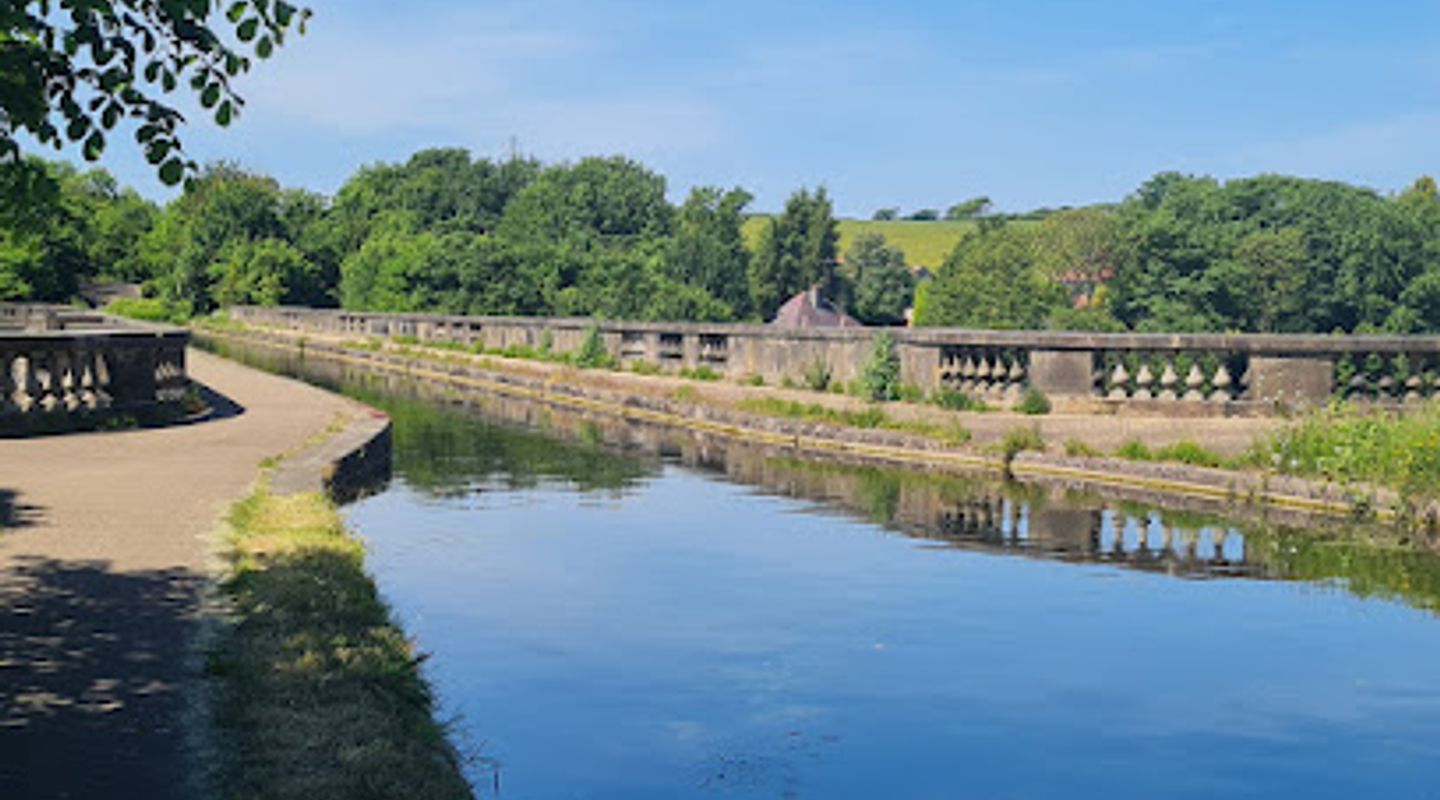
The Lune Aqueduct is a Grade I listed Georgian aqueduct carrying the Lancaster Canal over the River Lune in Lancaster. Completed in 1797, it is Britain’s largest all-masonry aqueduct, spanning 202 metres across five grand arches, 16 metres above the river. Designed by John Rennie and built by Alexander Stevens, it remains a stunning example of industrial heritage and offers scenic walking and cycling routes with panoramic views of the Lune Valley.
On-site amenities
 Restrooms
 Drink options
 Food options
 Seating areas
 Information boards
Opening hours
- Every dayOpen 24 hours
Opening hours as listed on the venue’s Google Business Profile. Hours can change for services and special events, so check with the venue before you go.
- Address
- Lancaster LA2 6BN
- Website
Getting there
Train
Bus
Car
Walking and Cycling
Discover more about Lune Aqueduct
An Icon of Georgian Industrial Ingenuity
The Lune Aqueduct stands as a monumental testament to late 18th-century engineering, designed by the renowned canal engineer John Rennie and constructed by Alexander Stevens between 1794 and 1797. Stretching 202 metres (664 feet) long, it carries the Lancaster Canal 16 metres (53 feet) above the River Lune through five elegant, semi-circular arches each spanning 21 metres (70 feet). This all-masonry structure is the largest aqueduct of its kind in Britain and was built to maintain a lock-free stretch of canal, facilitating smooth navigation along the Lancaster Canal’s famously flat 41-mile waterway.
Architectural Grandeur and Design Details
The aqueduct’s five massive arches are supported by piers founded on piles of Russian timber driven deep into the riverbed, a remarkable feat of construction for its time. The balustrades atop each arch were designed not only for safety but also to aesthetically blend the structure into the surrounding landscape. Its robust yet graceful form has inspired artists such as J.M.W. Turner, who captured the aqueduct and its vistas during his Northern Tour of 1797, marking a shift in his focus towards modern industrial landscapes.
Scenic Surroundings and Visitor Experience
Today, the aqueduct forms a key feature of the River Lune Millennium Park, a vibrant area offering walking and cycling trails, wildlife spotting, and modern art installations. Visitors can explore the aqueduct both from above, walking along the canal towpath with sweeping views of Lancaster Castle and the Lune Valley, and from below, where the scale of the arches and the craftsmanship can be fully appreciated. The site is accessible year-round with free admission and provides a peaceful, scenic setting ideal for leisurely strolls and photography.
Historical and Cultural Significance
The Lune Aqueduct is celebrated as one of the 'Seven Wonders of the Waterways' in Britain and holds a coveted Transport Trust Red Wheel plaque recognizing its heritage importance. It played a crucial role in the transport of coal and limestone along the Lancaster Canal, earning the nickname 'black and white canal.' The aqueduct’s enduring presence highlights the industrial era’s impact on regional development and remains a symbol of engineering excellence.
Integration with Lancaster’s Heritage Trail
The aqueduct is part of a broader network of historical sites in Lancaster, including the nearby Lancaster Castle, Priory, and museums. Walking routes connect these landmarks, allowing visitors to immerse themselves in the city’s rich history while enjoying the natural beauty of the riverside and canal paths. The flat terrain of the canal towpath makes it accessible for a wide range of visitors, though caution is advised on the stairs leading under the aqueduct, which can be slippery in wet weather.
Conservation and Modern Use
Restored in 2011-2012, the aqueduct is well maintained and continues to carry canal traffic, blending functional infrastructure with heritage preservation. It remains a beloved local landmark and a popular destination for those interested in industrial history, engineering, and scenic outdoor experiences. The site’s combination of historical significance, architectural beauty, and natural surroundings ensures it remains a captivating attraction in Lancashire.
Evendo Review Centre
 Google
Guest reviews
Best time to go
Quietest: Jan, Feb & Dec · before 6am or from 11pm
Busy times are Evendo estimates for a typical year, to help you plan. Actual crowds vary with events, school holidays and the weather.
Explore Lune Aqueduct on the map
A handpicked selection of must-see spots near Lune Aqueduct, mapped for you.
Get your free copy of our complete guide to Lune Aqueduct, delivered straight to you.
Everything on this page, from opening hours and how to get there to Eve’s tips and the best time to go, in one PDF you can read offline, print or share.
Already have an account? Sign in
Your Lune Aqueduct guide is ready.
We'll send it to · Not you? Sign out

Getting your guide ready…
We are putting together a fresh copy of the Lune Aqueduct guide. This can take up to a minute.
This can take a few moments. If your browser asks, choose Allow so the download can start. You'll find the guide in your Downloads folder.
Nothing happened? Download it again
Sorry, the guide is taking longer than usual. Please try again in a minute, or get it by email instead.
Other nearby places you may find interesting
The closest places of the same kind, if this one is not quite what you had in mind.
-
-
-
-
-


Swipe for more places
More to explore near Lune Aqueduct

 Best experiences near Lune Aqueduct
 Best hotels near Lune Aqueduct
 Best landmarks near Lune Aqueduct
 Best attractions near Lune Aqueduct
 Best shops near Lune Aqueduct
 Best restaurants near Lune Aqueduct
 Best bars near Lune Aqueduct
Do you manage this location?
Take control to get all the benefits, like improved information, better appearance, and stronger visibility across AI-powered discovery.
Explore more
Explore more of Lancashire
Discover Lancashire: A perfect blend of stunning landscapes, rich history, and vibrant culture in the heart of England's northwest.
Explore Lancashire
Explore more of United Kingdom
Discover the United Kingdom: A blend of rich history, stunning landscapes, and vibrant cities, offering a unique travel experience for every visitor.
Explore United Kingdom
