
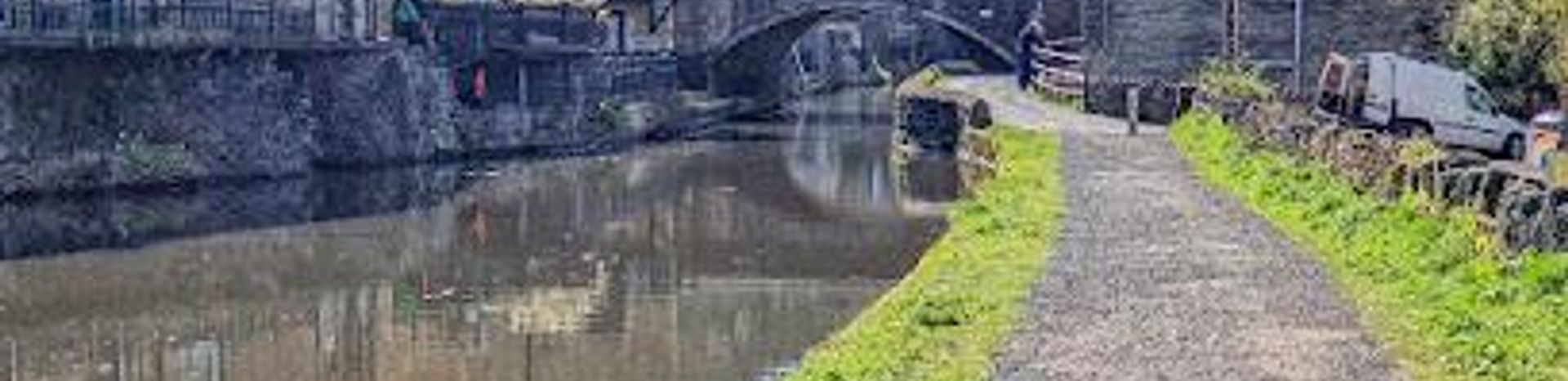
Rochdale Canal: Historic Trans-Pennine Waterway and Leisure Route
Historic trans-Pennine canal blending industrial heritage with tranquil walks, cycling, boating, and vibrant local culture.
The Rochdale Canal, completed in 1804, was the first trans-Pennine canal, stretching 32 miles from Sowerby Bridge in West Yorkshire to Manchester. Once a vital industrial artery with 91 locks, it now offers a scenic towpath for walking, cycling, and boating, weaving through charming towns like Hebden Bridge and Todmorden. Restored and reopened in 2002, the canal blends rich industrial heritage with tranquil countryside and vibrant local culture.
A brief summary to Rochdale Canal
- GB
- Visit website
- Duration: 1 to 6 hours
- Free
-
 Outdoor
- Mobile reception: 4 out of 5
Local tips
- Walk or cycle along the towpath for scenic views and easy terrain; suitable for families and dog walkers.
- Explore charming towns like Hebden Bridge and Todmorden for independent shops, cafes, and local events.
- Visit during the summer to experience the annual Rochdale Canal Festival and community activities.
- Use local train stations at Sowerby Bridge, Mytholmroyd, Hebden Bridge, Todmorden, or Walsden for flexible access.
- Look out for historic canal features like locks, bridges, and reservoirs that tell the story of the canal’s industrial past.

For the on-the-go comforts that matter to you
- Restrooms
- Drink Options
- Food Options
- Seating Areas
- Trash Bins
- Information Boards
Getting There
-
Train and Bus Combination
Take a train to Sowerby Bridge or Hebden Bridge stations, both well connected to Manchester and Leeds. From either station, local buses or a short walk provide access to the canal towpath. Train journeys typically take 45–60 minutes from Manchester, with tickets costing around £10–£15. Service frequencies vary, with more trains during peak hours.
-
Car Travel with Parking
Drive to towns along the canal such as Rochdale, Hebden Bridge, or Littleborough. Ample public parking is available in town centres, often free or low-cost (£2–£5 for a few hours). Note that some canal sections have limited roadside parking and narrow access, so plan to park in town and walk to the towpath.
-
Long-Distance Walking or Cycling
For active travelers, the entire 32-mile canal towpath can be walked or cycled over several days. The path is mostly flat and well maintained, suitable for all levels. Accommodation and refreshments are available in towns along the route. This option requires moderate fitness and planning for overnight stays.
Rochdale Canal location weather suitability
-
 Any Weather
-
 Rain / Wet Weather
-
 Clear Skies
-
 Mild Temperatures
-
 Windy Conditions
Discover more about Rochdale Canal
Engineering Triumph Across the Pennines
The Rochdale Canal stands as a remarkable feat of early 19th-century engineering, being the first canal to cross the Pennine hills without tunnels. Completed in 1804 after years of planning and construction, it spans 32 miles and includes 91 locks that raise and lower boats over the rugged terrain. Originally designed to transport coal, wool, textiles, and other goods, the canal connected industrial centres in Yorkshire and Lancashire, playing a crucial role during the Industrial Revolution. Its construction overcame significant challenges, including opposition from influential landowners and the need for numerous reservoirs to maintain water levels at the summit.Industrial Heritage and Decline
At its peak in the mid-19th century, the Rochdale Canal was bustling with traffic, carrying nearly a million tons of cargo annually and supporting thousands of barges. The canal's route passes historic mills, warehouses, and lock systems that reflect its industrial past. However, with the rise of railways and road transport, canal traffic declined sharply by the 20th century. Many sections fell into disrepair, and commercial use ceased by the 1930s. Despite this, the canal’s infrastructure remained a testament to the era’s ambition and engineering skill.Restoration and Modern Use
A major restoration effort culminated in the canal’s full reopening in 2002, revitalizing it as a leisure waterway. Today, it is popular for boating, walking, and cycling. The towpath is largely flat and accessible, running alongside tranquil waters and historic structures, making it ideal for families, dog walkers, and outdoor enthusiasts. The canal also supports diverse wildlife and acts as a green corridor connecting urban areas with the Pennine countryside.Scenic Towns and Community Spirit
Along its course, the canal passes through picturesque towns such as Hebden Bridge, Todmorden, and Littleborough. Hebden Bridge, in particular, is known for its independent shops, cafes, and vibrant community events. Local volunteers maintain sections of the canal and towpath, including community gardens and 'food for free' areas at Todmorden, enhancing the visitor experience. Regular festivals and events celebrate the canal’s heritage and its role in regional culture.Walking and Cycling Opportunities
The Rochdale Canal towpath offers an easy and scenic route for walking or cycling, with gentle gradients and well-maintained paths. The full length can be explored in stages, with public transport links at several points allowing flexible itineraries. The route features historic bridges, locks, and aqueducts, as well as peaceful waterside spots perfect for rest and wildlife observation. It is suitable for all ages and abilities, including families with buggies.Natural Beauty and Wildlife Habitat
Beyond its industrial legacy, the canal corridor provides valuable habitats for flora and fauna. The waterway and its banks support a variety of birds, aquatic life, and plant species, contributing to local biodiversity. The canal’s quiet stretches offer a tranquil escape from urban life, with scenic views of the Pennines and the surrounding countryside, especially as the canal climbs to its summit near Littleborough.For the vibe & atmosphere seeker
- Relaxing
- Tranquil
- Scenic
- Fun-filled
- Unique
For the design and aesthetic lover
- Rustic Designs
- Vintage Styles
For the architecture buff
- Historic
- Landmarks
- Parks & Gardens
- Heritage Neighborhoods
For the view chaser and sunset hunter
- Iconic Views
- Panoramas
- Waterfront
- Sunset Spots
For the social media creator & influencer
- Instagrammable
- Photo Spots
- Selfie Spots
- Aesthetic Corners
For the eco-conscious traveler
- Eco-Friendly
- Low Impact
- Public-Transport Accessible
- Leave-No-Trace Critical
- Locally Managed
- Wildlife Habitat
For the kind of experience you’re after
- Cultural Heritage
- Photowalk
- Nature Escape
- Day Trip
- Weekend Getaway
For how adventurous you want the journey to be
- Easy Access
Location Audience
- Family Friendly
- Pet Friendly
- Senior Friendly
- Child Friendly
- Teen Friendly
- Wheelchair Access
- Couple Friendly
- Solo Friendly
- Solo Female Friendly
- Vegetarian Friendly
- Vegan Friendly


