

Free Leeds Travel Guide & Mobile App
Plan your Leeds trip with Evendo. Get free guides to top attractions, restaurants, hotels, and bars. Web access or download the mobile app.


Leeds combines Victorian arcades, industrial heritage, major museums, live music and Yorkshire food with green parks, historic estates and city sightseeing.
From Wool Town to Cultural Centre
Leeds grew from a medieval market settlement into one of Britain’s great textile and commercial cities. Its historic prosperity is still legible in the stone warehouses, civic buildings and covered shopping arcades around the city centre, while the Leeds and Liverpool Canal traces the industrial routes that once carried coal, wool and manufactured cloth. Today, this West Yorkshire city combines substantial heritage with a confident cultural life shaped by its universities, creative industries, independent businesses and large-scale events.Read more about Leeds
Architecture, Museums and City Quarters
Parks and the Wider Leeds Landscape
When is the best time to visit Leeds?
Best: June–August · 19–21°C| Month | High (°C) | Rainfall (mm) |
|---|---|---|
| January | 6 | 55 |
| February | 7 | 45 |
| March | 10 | 50 |
| April | 12 | 45 |
| May | 16 | 50 |
| June (best) | 19 | 55 |
| July (best) | 21 | 65 |
| August (best) | 20 | 65 |
| September | 18 | 60 |
| October | 14 | 55 |
| November | 10 | 60 |
| December | 7 | 60 |
Getting to and around Leeds
How to get there
Transportation
Best attractions in Leeds
Leeds offers a varied sightseeing day, beginning with the Royal Armouries at Leeds Dock, where galleries explore weapons, armour and the social history of conflict through an extensive national collection. In the centre, Leeds City Museum introduces local archaeology and natural history, while Leeds Art Gallery holds a strong collection of British art in a handsome civic setting. The Victorian arcades and Corn Exchange provide atmospheric architectural wandering alongside independent shops. West of the centre, Kirkstall Abbey’s roofless Cistercian ruins stand beside the River Aire and are framed by paths through Kirkstall Valley. Roundhay Park supplies lakes, woodland and formal gardens within the city, while Temple Newsam combines a grand historic house with extensive parkland. The canal towpath and Leeds Dock offer a slower perspective on the city’s industrial transformation, and the wider Leeds district extends the cultural field to places such as Harewood House and its landscaped estate.
-
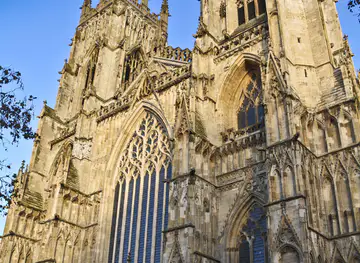
Cathedral
York Minster
Explore York Minster, England’s majestic Gothic cathedral with stunning medieval stained glass and centuries of rich history and craftsmanship.
55 min drive · 35 km from city centre
-
Shopping Centre
Trinity Leeds
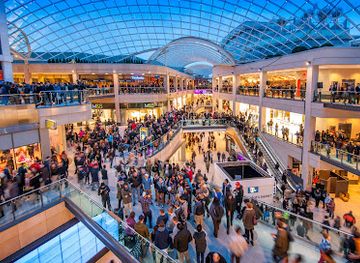
Experience vibrant shopping, dining, and entertainment beneath Trinity Leeds’ iconic glass dome in the heart of the city.
7 min walk · 0.6 km from city centre
-
Shopping Centre
White Rose Shopping Centre
Leeds’ premier indoor shopping centre with 120+ stores, dining, cinema, and family-friendly play areas under one roof.
15 min drive · 5.1 km from city centre
-
Park and Garden
Roundhay Park
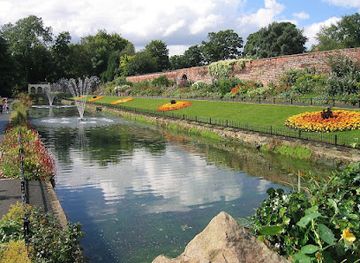
Leeds’ vast 700-acre park with lakes, gardens, Tropical World, and year-round family-friendly activities in a tranquil urban setting.
15 min drive · 5.1 km from city centre

Best landmarks in Leeds
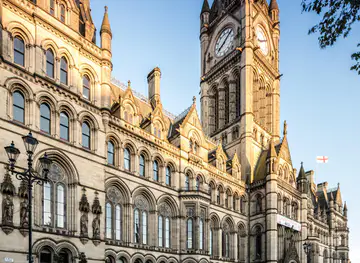
Leeds Town Hall is the city’s grandest Victorian civic statement, completed in 1858 with a prominent clock tower and classical ambition that reflects nineteenth-century municipal confidence. Nearby, the Leeds Art Gallery, Leeds City Museum and Leeds Civic Hall form part of a concentrated cultural and governmental quarter. Leeds Minster, whose origins reach back to the medieval parish church, represents the city’s older religious core, while the Corn Exchange is a distinctive domed building created for nineteenth-century trade. The surviving arcades, including Thornton’s Arcade and the Victoria Quarter, express the wealth of Leeds’s retail age through ironwork, stone and decorative glass. Kirkstall Abbey provides a very different landmark: a substantial medieval Cistercian ruin beside the River Aire. At Leeds Dock, the Royal Armouries represents the city’s later cultural redevelopment, standing among waterways once central to industrial transport.
-
Museum
Leeds Industrial Museum at Armley Mills
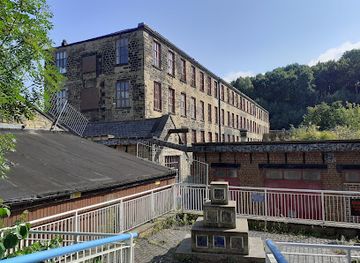
Step inside the world’s largest historic woollen mill and discover Leeds’ rich industrial heritage through authentic machinery and engaging exhibits.
7 min drive · 2.2 km from city centre
-
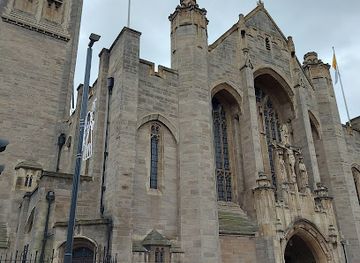
Catholic cathedral
Leeds Cathedral
A serene Arts and Crafts Gothic Revival cathedral in the heart of Leeds, blending spiritual calm with rich stained glass, carvings, and music.
2 min walk · 0.1 km from city centre
-
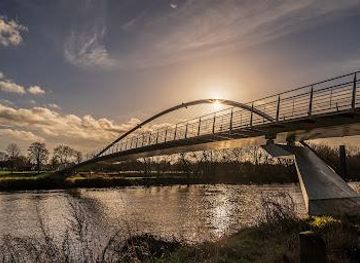
Bridge
Millennium Bridge
Contemporary engineering meets riverside beauty—York's illuminated pedestrian bridge spanning the Ouse.
54 min drive · 34 km from city centre
-
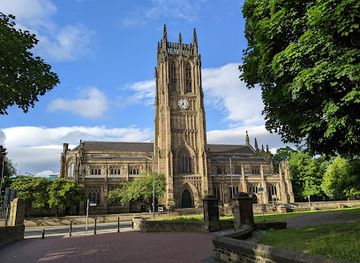
Anglican church
Leeds Minster
Discover Leeds Minster, a magnificent neo-Gothic church with over 1,400 years of history, musical heritage, and community spirit in the heart of Leeds.
13 min walk · 1.1 km from city centre
Explore Leeds on the map
Plan your Leeds trip on one map. See where the top attractions, landmarks, restaurants, bars and hotels are, find what's near where you're staying, and book hotels and experiences in a few clicks.
Neighbourhoods in Leeds
-

-

-

-


Swipe for more neighbourhoods
Best hotels in Leeds
Best restaurants in Leeds
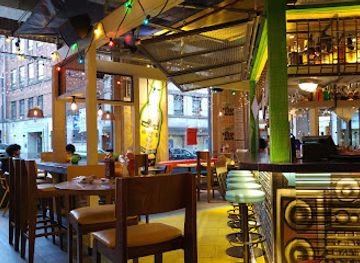
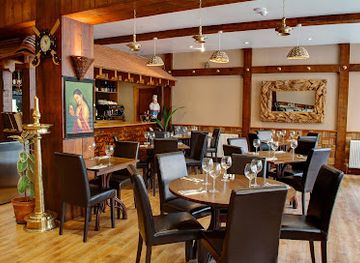
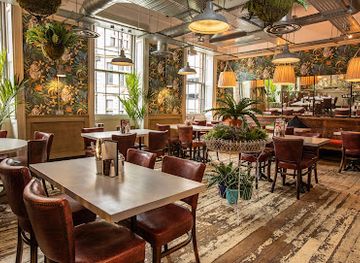
Leeds’s dining scene reflects Yorkshire’s agricultural traditions, industrial history and increasingly international population. Menus may feature Yorkshire pudding, roast meats, Wensleydale and other regional cheeses, parkin and seasonal produce, while local breweries and contemporary kitchens reinterpret northern ingredients without treating tradition as a museum piece. Kirkgate Market is valuable for inexpensive prepared food, fresh produce and stalls reflecting the city’s varied communities. Around the centre, the Calls, Leeds Dock, Merrion Street and the arcades contain restaurants ranging from modern British cooking to South Asian, Middle Eastern, East Asian and Mediterranean food. Independent cafés and bakeries are particularly visible in Headingley, Chapel Allerton and other inner suburbs. Sunday roasts, afternoon tea and pub food remain part of the local rhythm, but Leeds is equally notable for its vegetarian, vegan and globally influenced choices.
-
Caribbean
Turtle Bay Leeds
Experience bold Caribbean flavours, vibrant cocktails, and lively vibes at Turtle Bay Leeds in the heart of the city centre.
3 min walk · 0.3 km from city centre
-
Indian
Bundobust
A vibrant hub in Leeds serving modern Indian vegetarian street food paired with craft beers in a lively, communal setting.
8 min walk · 0.7 km from city centre
-
Indian
Tharavadu
A Michelin-recommended Kerala restaurant in Leeds serving vibrant, coconut-rich South Indian cuisine in a stylish, welcoming space.
9 min walk · 0.7 km from city centre
-
British
Bill's Leeds Restaurant
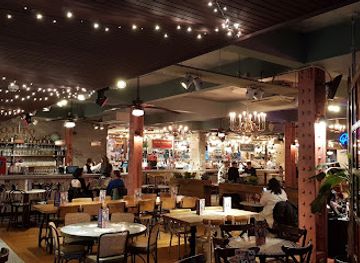
A vibrant British restaurant in Leeds offering diverse, seasonal dishes in a warm, inviting atmosphere with a touch of rustic charm.
5 min walk · 0.4 km from city centre
Best bars in Leeds
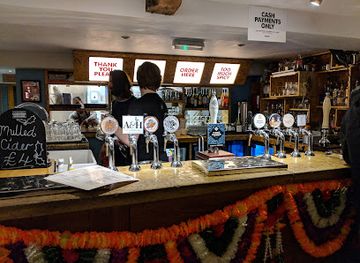
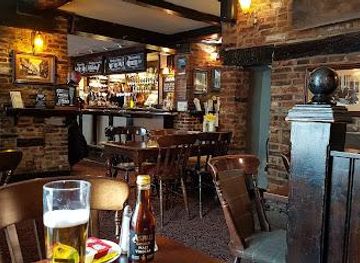
Leeds has one of Yorkshire’s most established evening scenes, with activity concentrated around Call Lane, Greek Street, Merrion Street, the Calls and the streets near the railway station. The city-centre mix includes traditional pubs, cocktail bars, late-night venues and live-music spaces, while Belgrave Music Hall combines performances with an informal social setting. For a more alternative and locally rooted atmosphere, venues in Headingley and nearby Hyde Park are associated with students, independent music and the long-standing live circuit, including the Brudenell Social Club. Theatre, comedy, concerts and cultural programming at venues such as Leeds Playhouse and the Leeds Grand Theatre provide alternatives to clubbing. Friday and Saturday nights can be crowded, particularly around the central entertainment quarters, so quieter bars and early evening performances offer a different pace.
-
Pub
Hole In The Wall
A historic York pub blending traditional charm, hearty fare, and intriguing ghostly tales in a welcoming city-center setting.
55 min drive · 35 km from city centre
-
Pub
Whitelock's Ale House
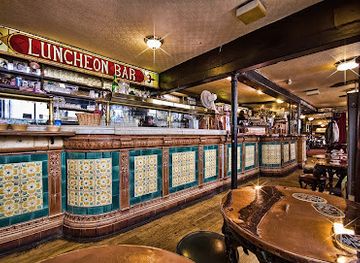
Leeds' oldest ale house since 1715: Grade II*-listed Victorian splendor, real ales from Yorkshire taps, and hearty local grub in a hidden city yard.
7 min walk · 0.6 km from city centre
-
Cuban
Revolución de Cuba Leeds
Experience the vibrant spirit of Havana with Cuban tapas, cocktails, and live music in the heart of Leeds’ lively Call Lane.
10 min walk · 0.8 km from city centre
-
Cocktail bar
Lost & Found Leeds Club
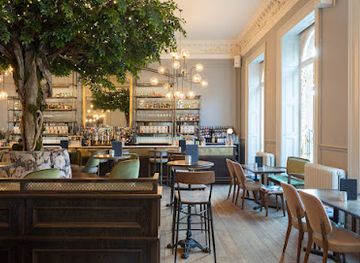
Step into a Victorian treasure in Leeds city centre where historic charm meets inventive cocktails and culinary creativity.
6 min walk · 0.4 km from city centre
Best nightclubs in Leeds
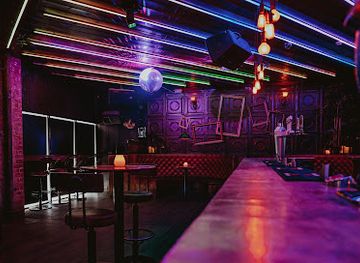
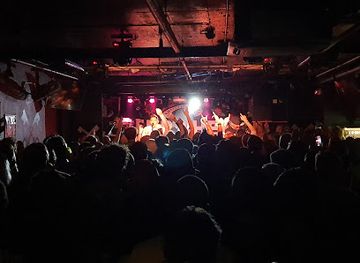
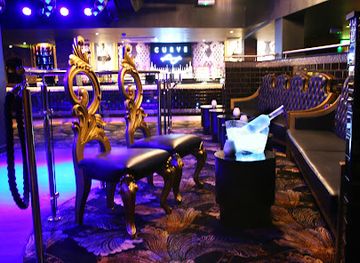
Leeds has one of Yorkshire’s most established evening scenes, with activity concentrated around Call Lane, Greek Street, Merrion Street, the Calls and the streets near the railway station. The city-centre mix includes traditional pubs, cocktail bars, late-night venues and live-music spaces, while Belgrave Music Hall combines performances with an informal social setting. For a more alternative and locally rooted atmosphere, venues in Headingley and nearby Hyde Park are associated with students, independent music and the long-standing live circuit, including the Brudenell Social Club. Theatre, comedy, concerts and cultural programming at venues such as Leeds Playhouse and the Leeds Grand Theatre provide alternatives to clubbing. Friday and Saturday nights can be crowded, particularly around the central entertainment quarters, so quieter bars and early evening performances offer a different pace.
-
Nightclub
Popworld - Leeds
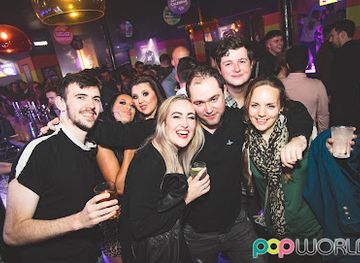
Leeds’ vibrant pop-themed nightclub delivering nostalgic hits, lively cocktails, and unforgettable party nights in the city centre.
1 min walk · 0.1 km from city centre
-
Nightclub
The Backroom
A chic speakeasy-style nightclub in Leeds with handcrafted cocktails, eclectic music, and vibrant weekend nightlife beneath a historic railway bridge.
11 min walk · 0.8 km from city centre
-
Nightclub
The Key Club
An intimate, energetic nightclub and live music venue in Leeds, home to unforgettable gigs and vibrant club nights.
4 min walk · 0.3 km from city centre
-
Nightclub
PRYZM
Experience Leeds’ vibrant nightlife at PRYZM, a multi-room club pulsating with music, energy, and unforgettable party vibes.
3 min walk · 0.3 km from city centre
Best shops in Leeds
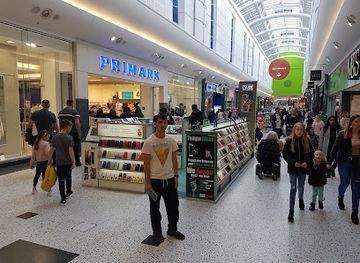
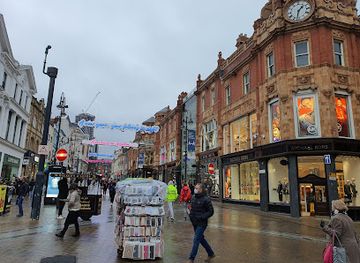
Shopping in Leeds ranges from ornate Victorian arcades to one of Britain’s largest indoor markets. The Victoria Quarter, County Arcade, Central Arcade and Thornton’s Arcade contain a mixture of established retailers, cafés and independent businesses within richly decorated historic interiors, while Briggate and the modern Trinity Leeds centre form the main commercial spine. Kirkgate Market offers fresh food, international ingredients, inexpensive goods and specialist stalls, retaining the atmosphere of a working marketplace rather than a purely visitor-oriented attraction. The Corn Exchange houses independent and creative businesses in a striking domed building, and nearby Call Lane and the Calls add smaller retailers and design-led outlets. Headingley and Chapel Allerton are useful for independent shops, books, vintage finds and everyday local commerce. Yorkshire food products, confectionery, tea, craft beer and farmhouse produce make more meaningful souvenirs than generic city merchandise.
-
Shopping Centre
Central Arcade
Discover Leeds’ Central Arcade: a lively, modern shopping street blending unique boutiques, dining, and heritage charm in the city centre.
9 min walk · 0.7 km from city centre
-
Department store
John Lewis & Partners
Leeds’ largest John Lewis store located in the vibrant Victoria Gate, offering extensive shopping and expert services in a modern, accessible setting.
10 min walk · 0.8 km from city centre
-
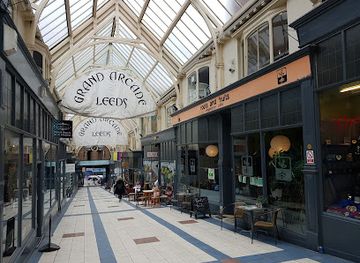
Shop
Grand Arcade
Discover Leeds’ historic Victorian arcade, a vibrant hub of independent shops, vintage cafes, and iconic clockwork charm.
6 min walk · 0.5 km from city centre
-
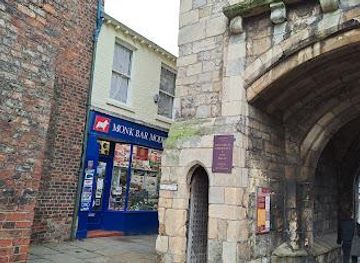
Model shop
Monk Bar Model Shop
A family-run model shop in York since 1963, packed with trains, kits, diecast, slot cars, and jigsaws – a true Aladdin’s cave for hobbyists.
56 min drive · 36 km from city centre
Get your free copy of our complete guide to Leeds, delivered straight to you.
Everything on this page, from attractions and restaurants to essentials and local phrases, in one PDF you can read offline, print or share.
Already have an account? Sign in
Your Leeds guide is ready.
We'll send it to · Not you? Sign out

Getting your guide ready…
We are putting together a fresh copy of the Leeds guide. This can take up to a minute.
This can take a few moments. If your browser asks, choose Allow so the download can start. You'll find the guide in your Downloads folder.
Nothing happened? Download it again
Sorry, the guide is taking longer than usual. Please try again in a minute, or get it by email instead.
Leeds essentials
Currency and Payment
Safety
Emergency Situations
Do's and Don'ts
Local Tips
From Eve
Local phrases worth knowing
You don't need to get them perfect. A few words go a long way, and locals appreciate the effort.
Basics
| English | Local | Say it |
|---|---|---|
| Hello | Ey up | [eɪ ʌp] |
| Goodbye | See thee later | [siː ðiː ˈleɪtə] |
| Yes | Aye | [aɪ] |
| No | Naw | [nɔː] |
| Please/You're welcome | Ta | [tɑː] |
| Thank you | Cheers | [tʃɪəz] |
| Excuse me/Sorry | Sorry | [ˈsɒri] |
| How are you? | How's it going? | [haʊz ɪt ˈɡəʊɪŋ] |
| Fine. And you? | Reet. You? | [riːt juː] |
| Do you speak English? | Do ya speak English? | [duː jə spiːk ˈɪŋɡlɪʃ] |
| I don't understand | I don’t get it | [aɪ dəʊnt ɡɛt ɪt] |
Eating & Drinking
| English | Local | Say it |
|---|---|---|
| I'd like to see the menu, please | Can I see the menu, please? | [kæn aɪ siː ðə ˈmɛnjuː pliz] |
| I don't eat meat | I don’t eat meat | [aɪ dəʊnt iːt miːt] |
| Cheers! | Cheers! | [tʃɪəz] |
| I would like to pay, please | Can I pay, please? | [kæn aɪ peɪ pliz] |
Emergencies
| English | Local | Say it |
|---|---|---|
| Help! | Help! | [hɛlp] |
| Go away! | Jog on! | [dʒɒɡ ɒn] |
| Call the Police! | Ring the coppers! | [rɪŋ ðə ˈkɒpəz] |
| Call a doctor! | Get a doc! | [ɡɛt ə dɒk] |
| I'm lost | I’m lost | [aɪm lɒst] |
| I'm ill | I’m poorly | [aɪm ˈpʊəli] |
Shopping
| English | Local | Say it |
|---|---|---|
| I'd like to buy... | I want to buy... | [aɪ wɒnt tə baɪ] |
| I'm just looking | Just browsing | [dʒʌst ˈbraʊzɪŋ] |
| How much is it? | How much is that? | [haʊ mʌtʃ ɪz ðæt] |
| That's too expensive | That's a bit steep | [ðæts ə bɪt stiːp] |
| Can you lower the price? | Can you knock some off? | [kæn jʊ nɒk səm ɒf] |
Time & Numbers
| English | Local | Say it |
|---|---|---|
| What time is it? | What’s the time? | [wɒts ðə taɪm] |
| It's one o'clock | It's one o'clock | [ɪts wʌn əˈklɒk] |
| Half past (10) | Half ten | [hɑːf tɛn] |
| Morning | Morning | [ˈmɔːnɪŋ] |
| Afternoon | Afternoon | [ˌɑːftəˈnuːn] |
| Evening | Evening | [ˈiːvnɪŋ] |
| Yesterday | Yesterday | [ˈjɛstədeɪ] |
| Today | Today | [təˈdeɪ] |
| Tomorrow | Tomorrow | [təˈmɒrəʊ] |
| 1 | One | [wʌn] |
| 2 | Two | [tuː] |
| 3 | Three | [θriː] |
| 4 | Four | [fɔː] |
| 5 | Five | [faɪv] |
| 6 | Six | [sɪks] |
| 7 | Seven | [ˈsɛvən] |
| 8 | Eight | [eɪt] |
| 9 | Nine | [naɪn] |
| 10 | Ten | [tɛn] |
Transport & Directions
| English | Local | Say it |
|---|---|---|
| Where's a/the...? | Where’s the...? | [wɛəz ðə] |
| What's the address? | What’s the address? | [wɒts ði əˈdrɛs] |
| Can you show me (on the map)? | Can you show me on the map? | [kæn jʊ ʃəʊ miː ɒn ðə mæp] |
| When's the next (bus)? | When's the next bus? | [wɛnʌs ðə nɛkst bʌs] |
| A ticket (to ....) | A ticket to ... | [ə ˈtɪkɪt tə] |
History of Leeds
Medieval Market Settlement
Leeds developed around a crossing of the River Aire and a market that served surrounding agricultural communities. The settlement was granted a market charter in 1207, traditionally associated with Maurice de Gant, helping establish its role as a local trading centre. Medieval Leeds remained relatively small, with the parish church, later Leeds Minster, and the river forming important focal points. Wool from the surrounding West Riding was already central to the regional economy, linking the town to wider markets. The basic relationship between river, market and transport routes continued to shape Leeds long after its medieval streets had been absorbed by industrial expansion.
The Rise of the Wool Trade
From the early modern period, Leeds became increasingly important within Yorkshire’s woollen industry. Merchants connected local cloth production with national and international markets, and the town’s Cloth Halls became symbols of its commercial significance. The opening of the Leeds and Liverpool Canal to Leeds in 1777 improved movement of raw materials and finished goods, while the Aire and Calder Navigation strengthened links eastwards. Waterways, warehouses and merchant houses transformed the town’s scale and fortunes. The cloth trade generated wealth for prominent families and institutions, but it also depended on dispersed manufacturing communities across the wider West Riding rather than on urban factories alone.
Industrial Expansion and Civic Ambition
During the nineteenth century, mechanised textile production, engineering, printing and trade drove rapid urban growth. Mills, railways and workers’ districts spread beyond the old centre, and Leeds became a major manufacturing and distribution hub. The railway reached the town in 1848, reinforcing connections with other industrial cities and ports. Prosperity funded large civic projects, including Leeds Town Hall, opened in 1858, and the Municipal Buildings. At the same time, overcrowding, pollution and poor housing created severe social pressures. Public health campaigns, municipal reform and improvements to streets, water supply and sanitation gradually reshaped the expanding city.
A Commercial and Cultural Regional Capital
By the late nineteenth and early twentieth centuries, Leeds had diversified beyond textiles into clothing, engineering, banking, retail and professional services. Its arcades and department stores expressed the confidence of a wealthy commercial centre, while libraries, theatres, galleries and educational institutions broadened civic life. Leeds University, established as an independent university in 1904, added an important intellectual dimension. Immigration and movement from across Britain and overseas also contributed to the city’s changing social character. Although manufacturing remained significant, the foundations were being laid for Leeds to function as the principal commercial and administrative centre of the wider Yorkshire region.
Post-war Change and Industrial Decline
The decades after 1945 brought major changes to Leeds. Traditional textile industries contracted, older factories closed or were adapted, and road-building and redevelopment altered the central city. Inner-city communities experienced clearance and rebuilding, while suburban growth extended the urban area far beyond the historic core. The decline of manufacturing was economically difficult, but Leeds retained strengths in finance, law, education, medicine, retail and public administration. Historic buildings that might once have been regarded as obsolete industrial remnants increasingly came to be valued as evidence of the city’s commercial and working past.
Regeneration and Contemporary Leeds
From the late twentieth century, investment in conservation, culture, transport and waterfront redevelopment helped recast Leeds as a service, education and creative-economy centre. The restoration of arcades and warehouses, the development of Leeds Dock and the opening of the Royal Armouries in 1996 gave new uses to areas shaped by industry. Holbeck’s former mills and the Calls illustrate the continuing conversion of working infrastructure into offices, studios, restaurants and cultural spaces. Contemporary Leeds remains marked by inequalities and debates about development, but its identity now rests on an active combination of industrial memory, regional commerce, higher education, arts and increasingly diverse communities.
Leeds in Photos
Browse through our photo collection highlighting the charm and character of the destination.
Cities near Leeds
The closest cities to Leeds, if you have time for more than one stop.
-
-

-
-

-


Swipe for more cities
Explore more

Explore more of United Kingdom
Discover the United Kingdom: A blend of rich history, stunning landscapes, and vibrant cities, offering a unique travel experience for every visitor.
Explore United Kingdom