Thwaite Watermill, Leeds Travel Guide
Discover Leeds’ historic riverside watermill where industrial heritage meets tranquil natural beauty on a charming island setting.
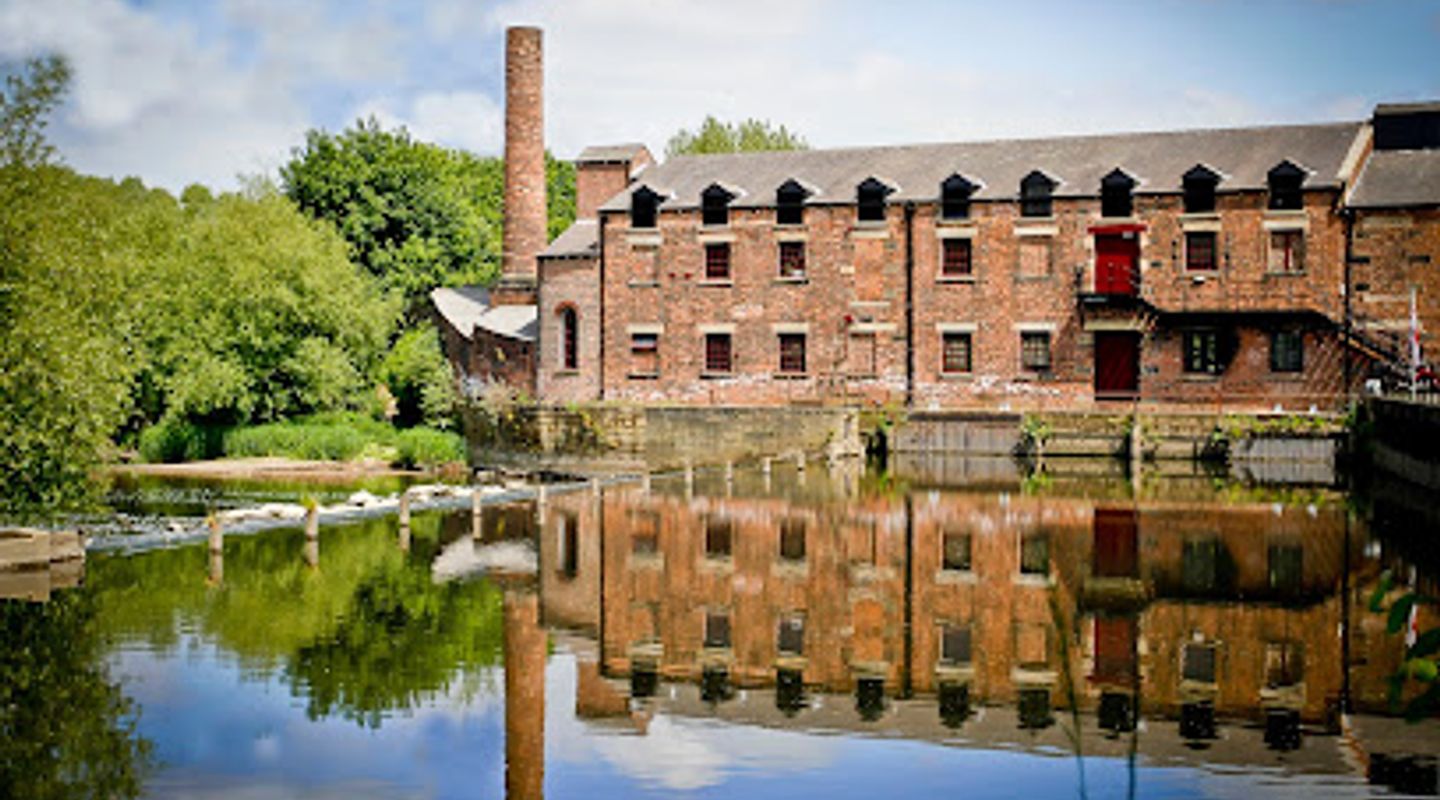
Thwaite Watermill is a beautifully preserved historic watermill museum set on an island in the River Aire, Leeds. It offers a unique glimpse into the city’s industrial past with its working waterwheel, original milling machinery, and a charming miller’s house. Open mainly on weekends, this tranquil riverside site combines industrial heritage with scenic natural surroundings, making it a hidden gem for history enthusiasts and photographers alike.
A brief summary to Thwaite Watermill
- Thwaite Ln, Leeds, LS10 1RP, GB
- Click to display
- Click to display
- Duration: 1 to 3 hours
- Budget
-
 Outdoor
- Mobile reception: 4 out of 5

Know before you go
Hi, I'm Eve. Here are a few practical things to know before exploring Thwaite Watermill.
- Visit on weekends when the mill is open to the public, typically from 12 PM to 4 PM.
- Wear comfortable shoes as you will explore historic machinery and riverside grounds.
- Bring a camera to capture the mill’s industrial aesthetic and scenic riverside views.
- Check for special events or closures in advance, as the mill is sometimes used for weddings and private functions.
- Bring a picnic, as onsite food options are limited to drinks and snacks.
Do you manage this location?
Take control to get all the benefits, like improved information, better appearance, and stronger visibility across AI-powered discovery. Learn more about listing your business on Evendo
Activate your presenceOther nearby places you may find interesting
The closest places of the same kind, if this one is not quite what you had in mind.
Explore Thwaite Watermill on the Map
A handpicked selection of must-see spots near Thwaite Watermill, mapped for you.
Getting There
-
Public Bus
Take bus routes 75 or 76 from Leeds city center to the Stourton area; the journey takes approximately 25-35 minutes. From the bus stop, a 10-minute walk along flat terrain leads to the mill. Buses run frequently during the day on weekends. Single fares cost around £2.50.
-
Taxi or Rideshare
A taxi or rideshare from Leeds city center to Thwaite Watermill takes about 15-20 minutes depending on traffic. This option offers direct and convenient access, especially if traveling with family or in a group. Typical fares range from £8 to £12.
-
Walking and Water Taxi Combination
For a scenic approach, walk from Leeds train station to Leeds Dock (approximately 25 minutes), then take the water taxi across the River Aire to the mill’s vicinity. This route offers picturesque views but requires moderate walking and water taxi fare around £5-£7.
For the on-the-go comforts that matter to you
-
 Restrooms
-
 Drink Options
-
 Seating Areas
-
 Information Boards
Discover more about Thwaite Watermill
A Living Testament to Leeds’ Industrial Heritage
Thwaite Watermill stands as a rare surviving example of a working watermill from the industrial era, located on its own island in the River Aire. The mill’s origins date back to the 18th century, and it was operational until the mid-20th century, playing a vital role in the local milling industry. Today, the site preserves the original waterwheel and milling machinery, which are maintained in working order to demonstrate traditional grain processing techniques. This continuity of function offers visitors an authentic window into the industrial revolution’s local impact.The Mill and Its Surrounding Environment
Nestled amidst lush riverside greenery, the mill’s island setting provides a tranquil escape from urban Leeds. The natural environment complements the industrial structures, creating a striking contrast between man-made engineering and nature. Visitors can enjoy peaceful walks along the riverbanks and take in the scenic views of the waterwheel in motion. The mill’s historic buildings, including the miller’s house furnished in period style, add to the immersive experience, evoking the daily life of those who worked here.Visitor Experience and Educational Insights
Thwaite Watermill functions as a museum with engaging exhibits that explain the milling process and the site’s historical significance. Interpretive signage and knowledgeable staff help illuminate the technological advances of the era and the mill’s role within Leeds’ industrial heritage. The site is particularly appealing to photographers and history enthusiasts, offering numerous opportunities to capture the interplay of historic machinery and natural light. While public access is limited mainly to weekends, special events and occasional tours provide deeper insights into the mill’s operation.Challenges and Preservation Efforts
Despite its cultural value, Thwaite Watermill faces challenges related to funding and operational sustainability. Limited opening hours and occasional closures reflect these difficulties, underscoring the importance of community support and awareness. Preservation efforts focus on maintaining the mill’s machinery and buildings in working order while protecting the surrounding natural habitat. The mill’s status as a heritage site highlights the ongoing balance between conservation and public engagement.Architectural and Industrial Significance
Architecturally, the mill showcases traditional industrial design with robust stonework and timber framing characteristic of watermills. The mechanical ingenuity of the waterwheel and milling apparatus exemplifies engineering techniques from the industrial revolution. The site’s combination of historic machinery and preserved buildings offers a tangible connection to the past, illustrating how industry shaped the landscape and local economy.Atmosphere and Cultural Context
Visitors to Thwaite Watermill experience a unique blend of tranquility and industrial heritage. The gentle sound of flowing water and turning wheel contrasts with the powerful history of labor and innovation embodied in the site. The mill’s riverside location enhances its serene ambience, making it a peaceful retreat as well as a cultural landmark. This dual character enriches the visitor’s appreciation of Leeds’ historical narrative and natural beauty.












Your all‑in‑one travel companion app
Explore expert travel guides, compare and book tours, experiences, hotels, and more—all from the palm of your hand. Download now for seamless trip planning wherever your wanderlust takes you.


Explore More of Leeds
Looking beyond Thwaite Watermill? Discover Leeds for broader travel guides, local hot-spots, and regional highlights.
Explore Leeds