Headingley Bear Pit, Leeds Travel Guide
Explore the turreted, castle-like Headingley Bear Pit, a rare Victorian relic from Leeds’ historic zoological gardens.
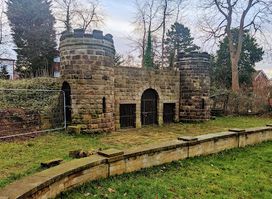
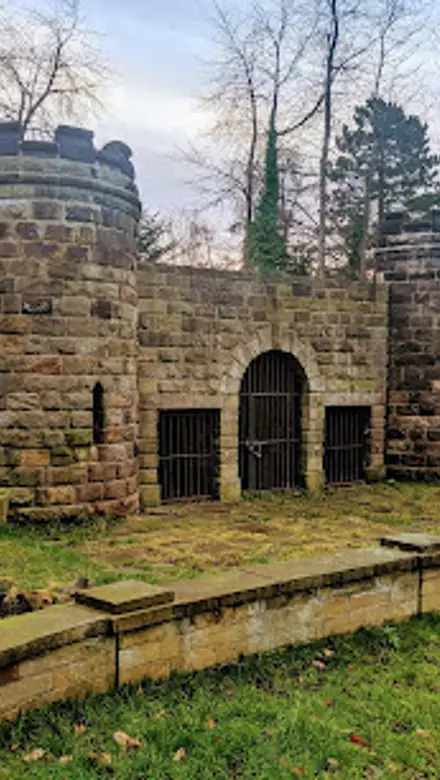
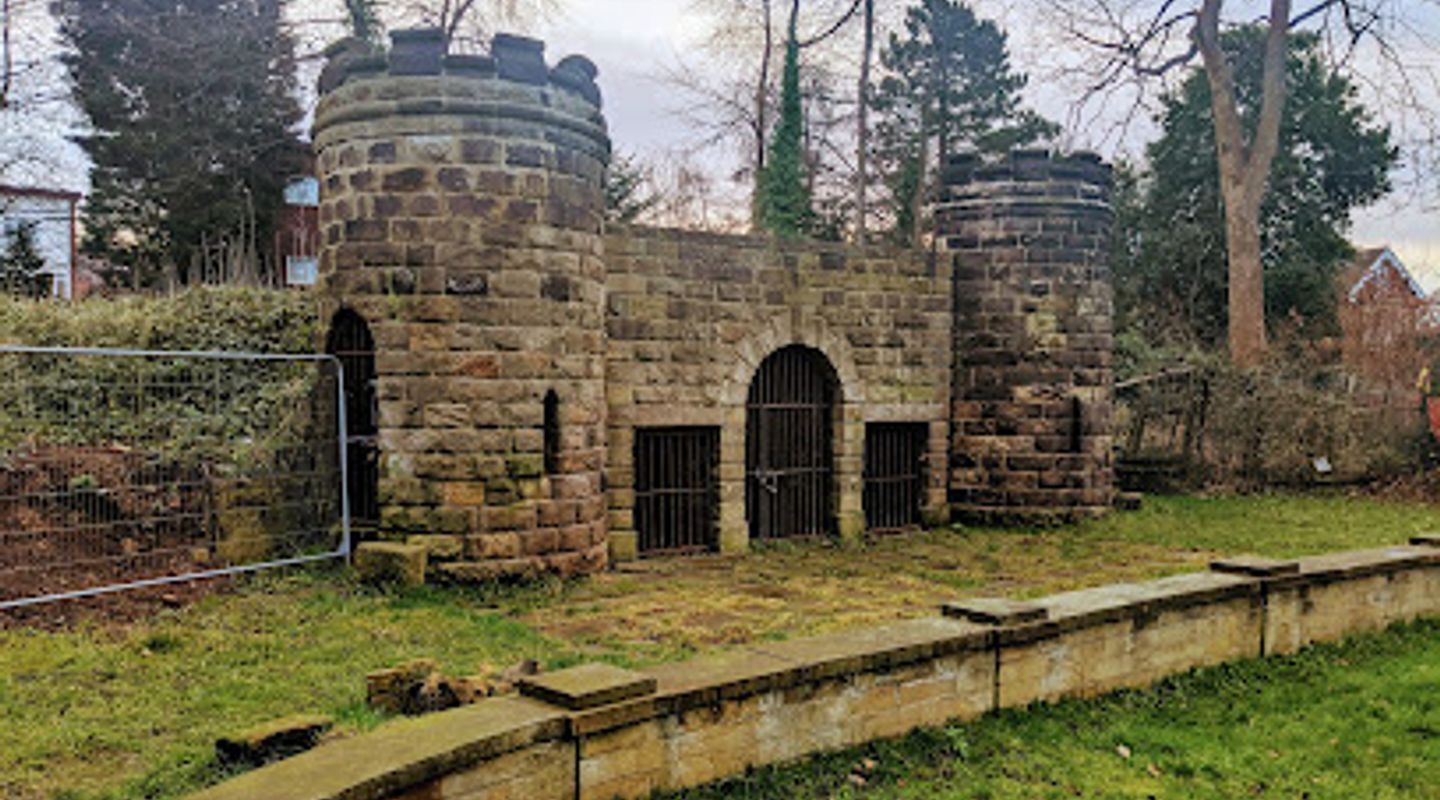
The Headingley Bear Pit, located on Cardigan Road in Leeds, is a rare surviving structure from the Leeds Zoological and Botanical Gardens, which operated in the mid-19th century. This turreted, castle-like bear pit once housed the zoo's only exotic animal, the bear, and now stands as a historic landmark undergoing recent restoration to preserve its unique heritage and offer a glimpse into Leeds' Victorian leisure history.
A brief summary to Headingley Bear Pit
- 53 Cardigan Rd, Leeds, Headingley, LS6 1DW, GB
- Duration: 0.5 to 1.5 hours
- Free
-
 Outdoor
- Mobile reception: 4 out of 5

Know before you go
Hi, I'm Eve. Here are a few practical things to know before exploring Headingley Bear Pit.
- Visit during daylight hours to fully appreciate the architectural details and surrounding landscaped grounds.
- Combine your visit with a walk around Headingley to explore its vibrant local culture and historic sites.
- Look out for interpretive signage and community-led events that provide insights into the Bear Pit’s history.
- Respect the site’s heritage by following any access guidelines, especially during restoration or maintenance periods.
Do you manage this location?
Take control to get all the benefits, like improved information, better appearance, and stronger visibility across AI-powered discovery. Learn more about listing your business on Evendo
Activate your presenceOther nearby places you may find interesting
The closest places of the same kind, if this one is not quite what you had in mind.
Explore Headingley Bear Pit on the Map
A handpicked selection of must-see spots near Headingley Bear Pit, mapped for you.
Getting There
-
Bus
Take bus services 1, 6, or 91 from Leeds city center to Headingley; journey times range from 15 to 25 minutes. Buses stop within a short walk of Cardigan Road. Tickets cost approximately £2.50–£3.50 one way. Service frequency varies, with more frequent buses during peak hours.
-
Train and Walk
From Leeds railway station, take a taxi or bus to Headingley station, about 10 minutes away. From Headingley station, the Bear Pit is a 15-minute walk along Cardigan Road. The walk is on paved urban streets and accessible for most visitors.
-
Car
Driving to Headingley Bear Pit takes around 15 minutes from Leeds city center, depending on traffic. Limited street parking is available nearby; be aware of local parking restrictions and charges. Using a parking app is recommended.
For the on-the-go comforts that matter to you
-
 Seating Areas
-
 Information Boards
Discover more about Headingley Bear Pit
A Vestige of Victorian Ambitions
The Headingley Bear Pit is a distinctive remnant of the Leeds Zoological and Botanical Gardens, which opened in 1840 as a public attraction but closed by 1858. Unlike typical zoos, the gardens featured only one exotic animal—the bear—housed within this unusual bear pit. Its design, resembling a small castle with two turrets, reflects Victorian architectural whimsy and the era's fascination with exotic wildlife and leisure spaces.Architectural Character and Setting
The bear pit's turreted structure stands prominently on Cardigan Road, overlooking the site where the ornamental lake of the former gardens once lay. Visitors would ascend a spiral staircase within the turrets, a rare feature for such enclosures, which adds to the site's unique charm. The castle-like appearance blends Gothic revival elements with functional design, making it a visually striking landmark amidst the urban fabric of Headingley.Preservation and Community Efforts
Owned and maintained by Leeds Civic Trust since the 1960s, the Bear Pit has been cared for by dedicated volunteers. In recent years, a comprehensive restoration program was undertaken, beginning in early 2024 and completing by mid-year, to conserve the structure and landscape its grounds. This project not only preserves the physical fabric but also aims to educate visitors about the site's historical significance and the broader story of Headingley's development.Reflecting on Historical Context
While the Bear Pit recalls a time when exotic animal displays were a popular form of entertainment, the restoration emphasizes thoughtful interpretation. Plans include symbolic representations of the bear to acknowledge the site's past without glorifying animal captivity or cruelty. This approach invites reflection on changing attitudes toward wildlife and conservation.Visitor Experience and Atmosphere
Today, the Bear Pit offers a tranquil and scenic spot in Headingley, combining historical intrigue with a peaceful urban green space. Its unique architecture and connection to Leeds’ Victorian past make it a compelling destination for history enthusiasts, architecture admirers, and those seeking a quiet cultural landmark.Legacy and Cultural Significance
As one of the few surviving physical traces of the Leeds Zoological and Botanical Gardens, the Bear Pit holds cultural and heritage value for the city. It stands as a testament to 19th-century leisure culture and the evolution of public spaces in Leeds, linking past and present through its enduring presence and ongoing preservation efforts.












Your all‑in‑one travel companion app
Explore expert travel guides, compare and book tours, experiences, hotels, and more—all from the palm of your hand. Download now for seamless trip planning wherever your wanderlust takes you.


Explore More of Leeds
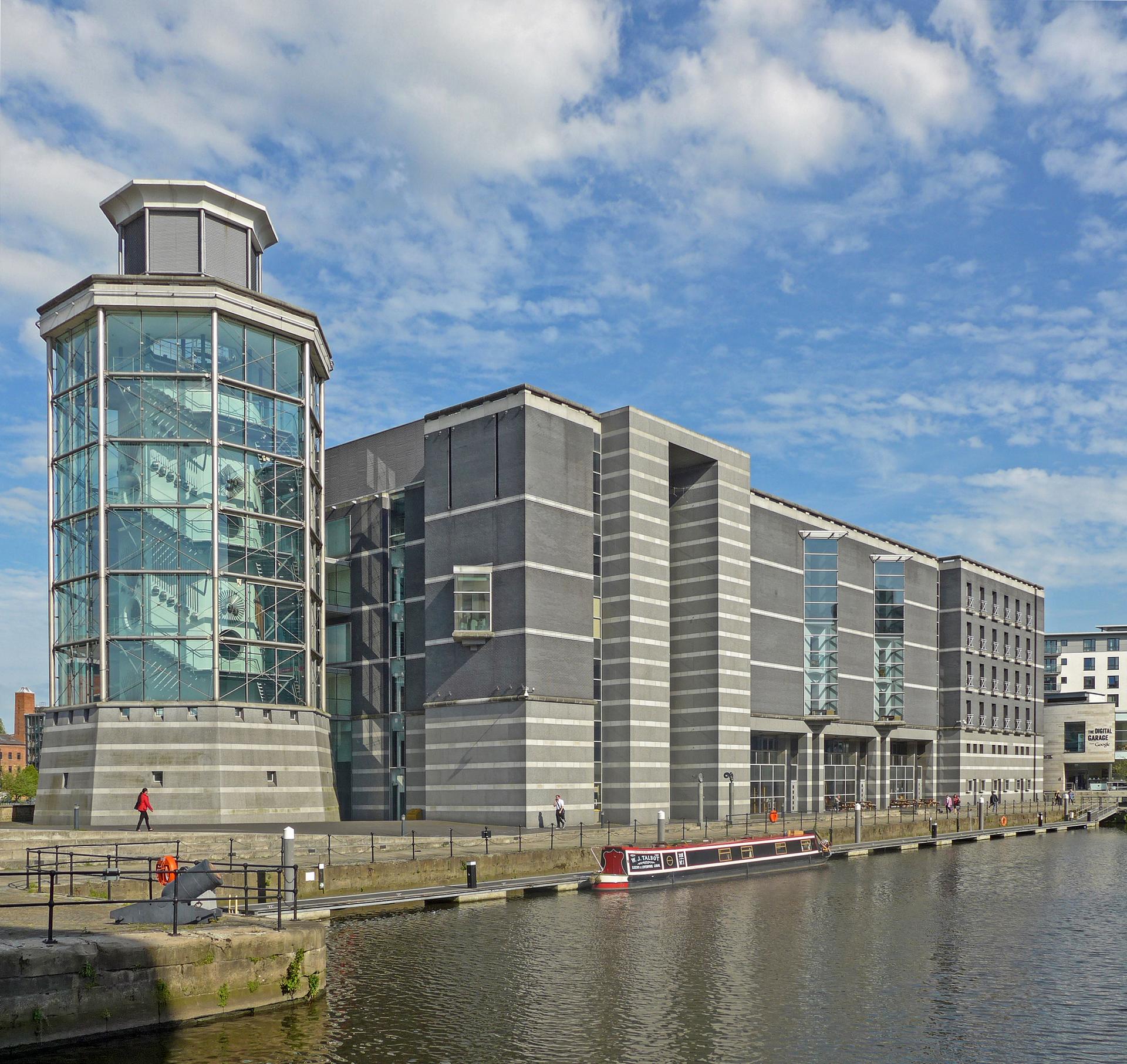
Looking beyond Headingley Bear Pit? Discover Leeds for broader travel guides, local hot-spots, and regional highlights.
Explore Leeds