Ellis' Mill Travel Guide
Free Guide: Explore Ellis Mill, Lincoln’s last working windmill from 1798, a historic landmark blending industrial heritage with stunning city views.


A brief summary of Ellis' Mill
Explore Ellis Mill, Lincoln’s last working windmill from 1798, a historic landmark blending industrial heritage with stunning city views.
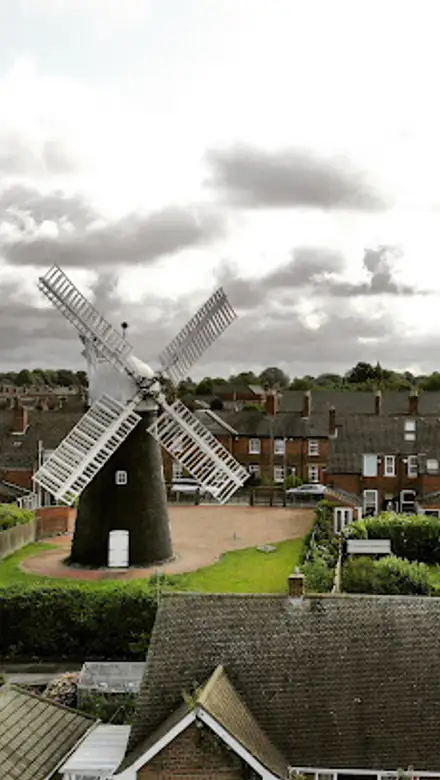
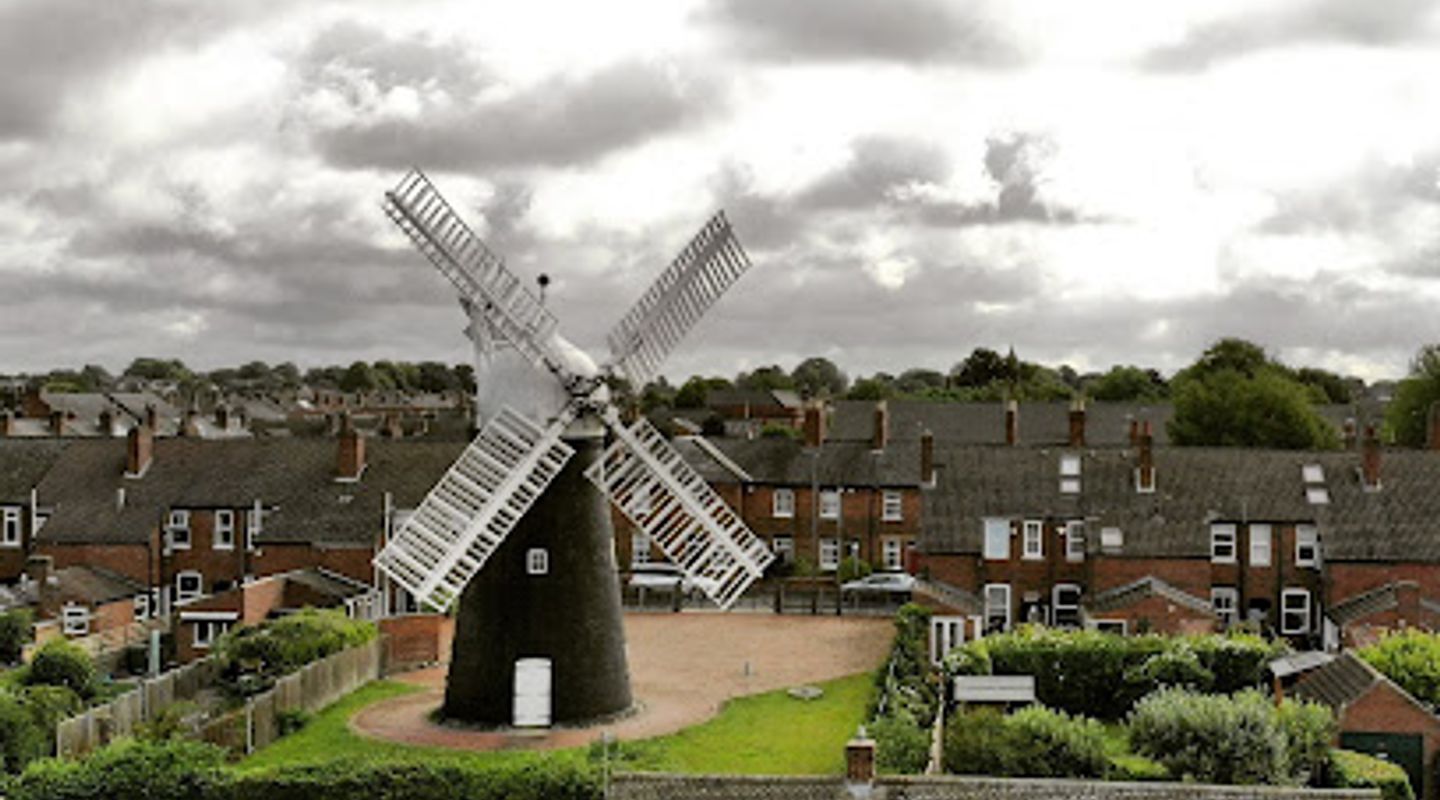
Ellis Mill, built in 1798, is the last surviving windmill of nine that once crowned Lincoln’s hilltop. This Grade II listed brick tower with its iconic ogee cap, fantail, and four sails remains a rare working mill, offering free entry on select days to explore its rich heritage and watch flour production in action.
On-site amenities
 Restrooms
 Information boards
 Seating areas
- Address
- 21 Mill Rd, Lincoln LN1 3JJ
- Phone
- Website
Getting there
Bus
Taxi
Walking
Discover more about Ellis' Mill
Legacy of Lincoln’s Windmills
Ellis Mill stands as a remarkable testament to Lincoln’s industrial past. Constructed in 1798, it is the sole survivor of nine windmills that once lined the western edge of the Lincoln Edge escarpment, a prominent natural ridge running through Lincolnshire. These windmills were vital to the local economy, harnessing wind power to grind grain into flour for the city and surrounding areas. Ellis Mill’s enduring presence preserves this heritage, linking modern visitors to centuries of agricultural and milling traditions.
Architectural Character and Restoration
The mill’s distinctive brick tower is crowned with an elegant ogee cap, complete with a fantail and four sails, embodying classic late 18th-century windmill design. Despite suffering a devastating fire in 1974 that destroyed much of its wooden machinery, the mill was rescued and restored by the Lincoln Civic Trust in the late 1970s. By 1981, Ellis Mill was operational again, producing flour after a 40-year hiatus. Today, it is managed by Lincolnshire County Council and retains its Grade II listed status, highlighting its architectural and historic significance.
Location and Visitor Experience
Nestled on Mill Road behind the Museum of Lincolnshire Life, Ellis Mill offers a unique urban contrast—an industrial relic surrounded by residential areas yet overlooking sweeping views of Lincoln. Visitors can explore the ground floor on designated open days, immersing themselves in the mill’s history and witnessing traditional milling processes. Entry is free on these days, with no booking required, encouraging community engagement and educational visits.
Historical Ownership and Cultural Significance
The mill’s name derives from John Ellis, who purchased it in 1894. Ownership remained in the Ellis family until 1973, cementing its local identity. Over the years, the mill has witnessed Lincoln’s transformation, standing as a cultural landmark that connects the city’s industrial heritage with its present-day urban fabric. Its continued operation as a working mill makes it a rare and cherished site within Lincolnshire.
Preservation and Community Role
Ellis Mill is actively supported by volunteers and local heritage groups, reflecting a strong community commitment to preserving Lincoln’s historic landmarks. The mill’s restoration and ongoing maintenance demonstrate the value placed on sustainable heritage conservation. It serves not only as a tourist attraction but also as an educational resource, illustrating traditional milling technology and the evolution of local industry.
Engaging with Ellis Mill Today
Visitors to Ellis Mill can enjoy a peaceful yet inspiring atmosphere, enriched by the mill’s historic machinery and panoramic views of the cityscape. The site offers a tangible connection to Lincoln’s past, inviting exploration and reflection on the ingenuity of earlier generations. Its accessibility on select open days makes it an ideal destination for history enthusiasts, families, and cultural explorers alike.
Evendo Review Centre
 Google
Guest reviews
Best time to go
Quietest: Jan, Feb & Dec · before 3am
Busy times are Evendo estimates for a typical year, to help you plan. Actual crowds vary with events, school holidays and the weather.
Explore Ellis' Mill on the map
A handpicked selection of must-see spots near Ellis' Mill, mapped for you.
Get your free copy of our complete guide to Ellis' Mill, delivered straight to you.
Everything on this page, from opening hours and how to get there to Eve’s tips and the best time to go, in one PDF you can read offline, print or share.
Already have an account? Sign in
Your Ellis' Mill guide is ready.
We'll send it to · Not you? Sign out

Getting your guide ready…
We are putting together a fresh copy of the Ellis' Mill guide. This can take up to a minute.
This can take a few moments. If your browser asks, choose Allow so the download can start. You'll find the guide in your Downloads folder.
Nothing happened? Download it again
Sorry, the guide is taking longer than usual. Please try again in a minute, or get it by email instead.
Other nearby places you may find interesting
The closest places of the same kind, if this one is not quite what you had in mind.
-
-
-
-
-


Swipe for more places
More to explore near Ellis' Mill

 Best experiences near Ellis' Mill
 Best hotels near Ellis' Mill
 Best landmarks near Ellis' Mill
 Best attractions near Ellis' Mill
 Best shops near Ellis' Mill
 Best restaurants near Ellis' Mill
 Best bars near Ellis' Mill
Do you manage this location?
Take control to get all the benefits, like improved information, better appearance, and stronger visibility across AI-powered discovery.
Explore more
Explore more of Lincolnshire
Discover Lincolnshire: Historic cathedrals, scenic countryside, charming villages, and coastal delights in England's hidden gem.
Explore Lincolnshire
Explore more of United Kingdom
Discover the United Kingdom: A blend of rich history, stunning landscapes, and vibrant cities, offering a unique travel experience for every visitor.
Explore United Kingdom