

Free Lincolnshire Travel Guide & Mobile App
Explore Lincolnshire with free travel guides. Discover regional history, expert tips, proposed trips, and audio guides on web or mobile app.


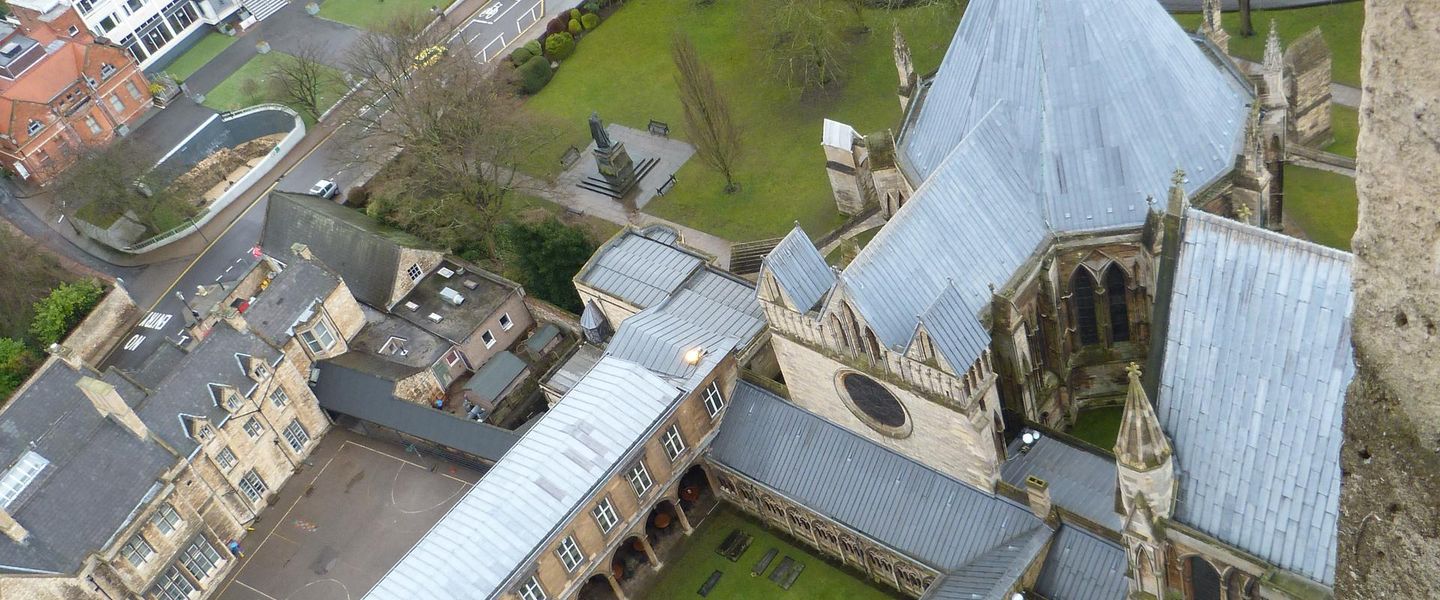


Explore Lincolnshire for its medieval cathedral city, Wolds landscapes, Fenland produce, coastal nature reserves and traditional seaside resorts.
Read more about Lincolnshire
When is the best time to visit Lincolnshire?
Best: June–August · 20–22°C| Month | High (°C) | Rainfall (mm) |
|---|---|---|
| January | 6 | 50 |
| February | 7 | 40 |
| March | 10 | 46 |
| April | 12 | 46 |
| May | 16 | 51 |
| June (best) | 20 | 60 |
| July (best) | 22 | 66 |
| August (best) | 22 | 66 |
| September | 19 | 55 |
| October | 14 | 56 |
| November | 10 | 60 |
| December | 7 | 56 |
Getting to and around Lincolnshire
How to get there
Transportation
Top city travel guides in Lincolnshire
The cities of Lincolnshire, and the easiest places to base yourself.
-

-


Swipe for more cities
Destinations in Lincolnshire
Resorts, valleys and scenic spots worth a trip of their own.
-

-


Swipe for more destinations
Best attractions in Lincolnshire
Lincolnshire's attractions range from major medieval monuments to open landscapes shaped by farming, drainage and the sea. Lincoln Cathedral and Lincoln Castle form the county's principal heritage pairing, while the city's museums and historic streets provide context for the Roman and medieval development of Lindum. Elsewhere, atmospheric churches, market-town centres and country houses broaden the architectural choice: Tattershall Castle offers a powerful example of late-medieval aristocratic ambition, while Belton House near Grantham combines a grand historic estate with extensive grounds. The Lincolnshire Wolds are suited to walking, cycling and scenic driving, with villages, valleys and chalk ridges providing a marked contrast to the level Fens. Coastal attractions include the traditional resorts of Skegness, Mablethorpe and Sutton-on-Sea, alongside quieter dunes, salt marshes and bird habitats at Gibraltar Point and Saltfleetby-Theddlethorpe. Aviation and military history are especially prominent at the International Bomber Command Centre in Lincoln and the Battle of Britain Memorial Flight visitor facilities at RAF Coningsby. Together these experiences give the county an unusually broad range, but their distances make regional planning important.
-
Amusement park
Fantasy Island
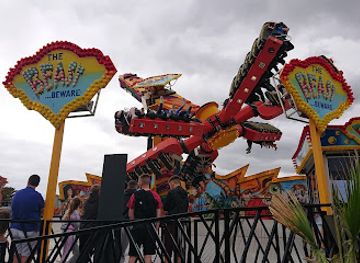
Thrilling rides, Europe’s largest market, and family fun await at Fantasy Island on Lincolnshire’s sunny east coast.
-
 Resort hotel
Butlin's Skegness Resort
A lively family resort on England’s east coast offering nonstop entertainment, funfair thrills, and splash-filled adventures for all ages.
-
Castle
Lincoln Castle
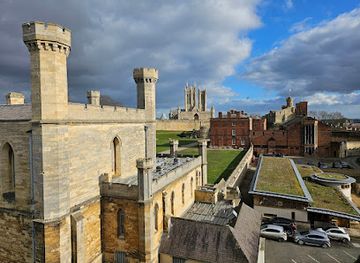
Explore a millennium of history at Lincoln Castle, home to the original Magna Carta and stunning medieval ramparts.
-
Tourist attraction
Skegness Pier
Historic Victorian pier blending classic seaside charm with modern family fun, arcades, rides, and beachside relaxation.
Best landmarks in Lincolnshire
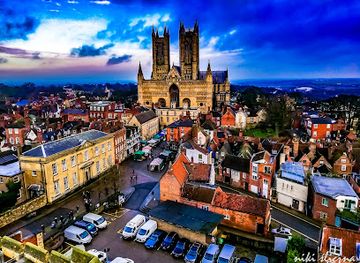
Lincoln Cathedral dominates the county's historic skyline, its medieval architecture visible from the surrounding plain and closely connected with the uphill historic quarter. Nearby Lincoln Castle, with its surviving medieval walls and prison heritage, represents the city's strategic importance after the Norman Conquest. In Boston, the tower of St Botolph's Church, known locally as the Stump, is a landmark of the Fenland horizon and a reminder of the town's medieval prosperity. The stone streets and buildings of Stamford form one of England's most coherent historic townscapes, while Tattershall Castle rises above the surrounding lowlands as a distinctive red-brick medieval tower house. The Lincolnshire Wolds provide a natural counterpoint: chalk ridges, wooded valleys and open viewpoints create a landscape landmark rather than a single monument. Along the coast, dunes, salt marshes and broad beaches at places such as Gibraltar Point and Saltfleetby-Theddlethorpe express the county's changing relationship with the North Sea. Drainage channels, embankments and pumping structures in the Fens are quieter but equally revealing markers of human reshaping.
-
Historical landmark
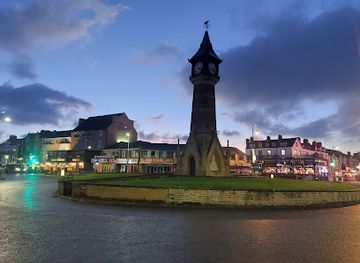
The Jubilee Clock Tower
A striking Victorian landmark in Skegness, the Jubilee Clock Tower commemorates Queen Victoria’s Diamond Jubilee and anchors the town’s historic seaside charm.
-
Museum
Lincoln Museum
Explore the life and legacy of Abraham Lincoln through immersive exhibits, rare artifacts, and interactive storytelling in Springfield, Illinois.
-
Manor house
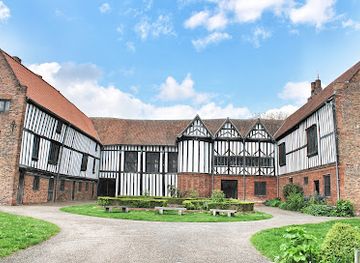
Gainsborough Old Hall
A 15th-century timber-framed manor where Tudor royalty dined and religious reformers found refuge before sailing to America.
-
Historical landmark
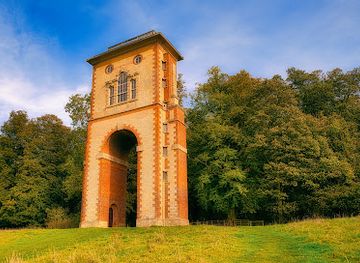
Bellmount Tower
Discover Bellmount Tower, an 18th-century folly with panoramic views and rich history nestled in the Belton Estate’s scenic Lincolnshire countryside.
Explore Lincolnshire on the map
Plan your trip on one map. See where the top cities, national parks and sights are, and book hotels and experiences in a few clicks.
Best hotels in Lincolnshire
Best restaurants in Lincolnshire
Lincolnshire's food reflects a productive agricultural county bordered by the North Sea. Farmers' markets, farm shops, cafés and pub kitchens commonly feature vegetables from the Fens, seasonal fruit, local cheeses, bread and cakes, while Lincolnshire sausages remain one of the county's best-known specialities. The traditional version is associated with sage and a coarse texture, though recipes vary between producers. Coastal towns add fish and seafood to the regional table, while apples and other orchard crops are important in parts of the county. Lincoln, Stamford, Boston and the larger coastal resorts offer the widest choice of restaurants, from contemporary British cooking to international cuisines, whereas smaller villages tend to centre on pubs, cafés and rural inns. Look for menus that identify local produce rather than assuming every dish is exclusively regional. Farm shops are particularly useful for picnic supplies and take-home products, and seasonal availability can be as important as the permanent menu.
-
Pub
Windmill Farm - Dining & Carvery
A welcoming farmhouse pub and carvery in Lincoln serving hearty daily roasts and classic British dishes in a relaxed, family-friendly setting.
-
Caribbean
Turtle Bay Lincoln
Experience vibrant Caribbean flavors, tropical cocktails, and reggae vibes at Turtle Bay Lincoln’s lively Central Market venue.
-
Pub
The Square Sail - JD Wetherspoon
Affordable waterfront pub in Lincoln offering classic British fare, quick service, and a relaxed atmosphere with scenic marina views.
-
Family friendly
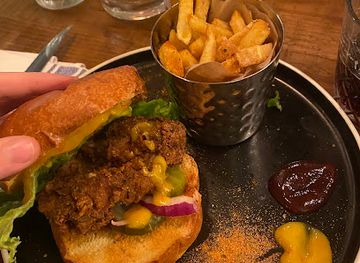
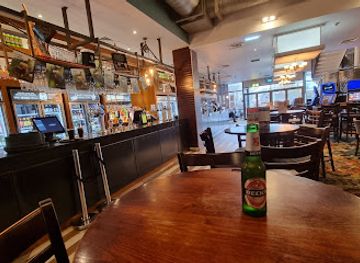
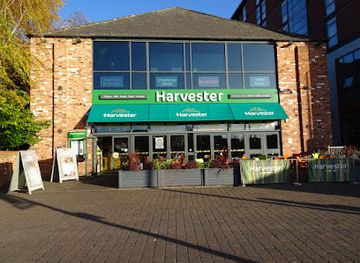
Harvester Brayford Wharf Lincoln
Casual British dining with a family-friendly vibe and scenic riverside views at Lincoln’s Brayford Wharf.
Best bars in Lincolnshire
Evening life in Lincolnshire is concentrated in Lincoln, the larger market towns and the seaside resorts, rather than distributed evenly across the countryside. Lincoln has the broadest choice, including traditional pubs, bars, restaurants, live music and venues associated with its student population, while Stamford and Grantham offer a more restrained mixture of pubs, wine bars and restaurants. In Boston, Louth and Sleaford, established pubs and independent venues provide the main evening focus. Skegness and neighbouring resorts develop a more seasonal atmosphere, with seafront pubs, entertainment venues and family-oriented nightlife particularly active during the holiday period. Rural evenings are generally centred on village pubs, dining and occasional community events, and may require a taxi or designated driver because public transport is limited. Breweries and local drinks can be found in the wider food-and-drink scene, but alcohol is not the only way to experience the county after dark: theatre, live performance, evening heritage openings and restaurant dining are also significant options.
-
Cocktail bar
Slug & Lettuce - Lincoln
Lively cocktail bar and restaurant on Lincoln’s historic High Street, perfect for drinks, dining, and social nights out.
-
Pub
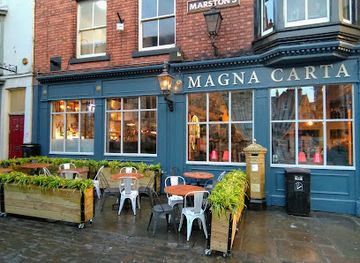
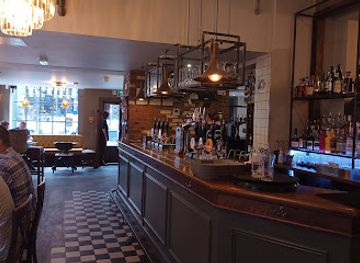
Magna Carta
Historic charm meets lively pub culture in Lincoln’s Magna Carta, a multi-level venue with great food, drinks, and views of the castle and cathedral.
-
Pub
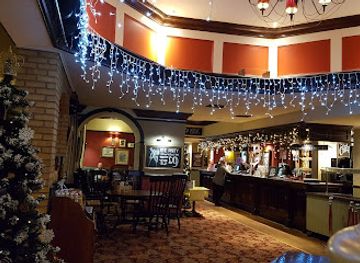
The Cardinal's Hat
Historic charm meets lively atmosphere at The Cardinal's Hat, Lincoln’s beloved pub with rich drinks and cozy vibes.
-
Pub
Lincolnshire Poacher
A warm, traditional pub in Lincoln offering classic ales, hearty meals, and a lively, family-friendly atmosphere year-round.
Best nightclubs in Lincolnshire
Evening life in Lincolnshire is concentrated in Lincoln, the larger market towns and the seaside resorts, rather than distributed evenly across the countryside. Lincoln has the broadest choice, including traditional pubs, bars, restaurants, live music and venues associated with its student population, while Stamford and Grantham offer a more restrained mixture of pubs, wine bars and restaurants. In Boston, Louth and Sleaford, established pubs and independent venues provide the main evening focus. Skegness and neighbouring resorts develop a more seasonal atmosphere, with seafront pubs, entertainment venues and family-oriented nightlife particularly active during the holiday period. Rural evenings are generally centred on village pubs, dining and occasional community events, and may require a taxi or designated driver because public transport is limited. Breweries and local drinks can be found in the wider food-and-drink scene, but alcohol is not the only way to experience the county after dark: theatre, live performance, evening heritage openings and restaurant dining are also significant options.
-
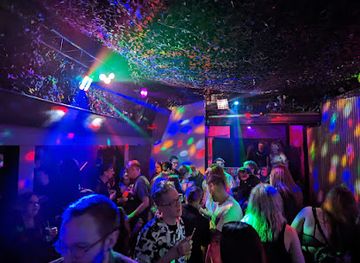
Nightclub
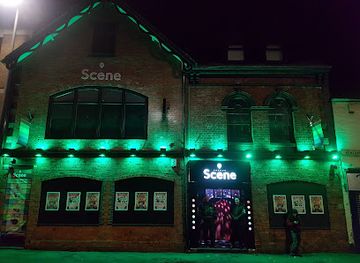
The Scene
Lincoln’s vibrant two-floor nightclub and LGBTQ+ venue, open nightly with diverse events and a welcoming atmosphere.
-
Nightclub
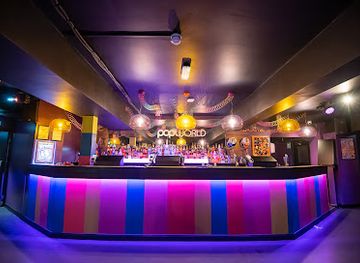
Popworld - Lincoln
Popworld Lincoln: Where cheesy pop hits and vibrant nightlife create unforgettable party nights on High Street.
-
Nightclub
Sugarcubes Nightclub
Energetic and affordable nightlife in Lincoln with a unique cube-themed vibe and friendly atmosphere.
-
Nightclub
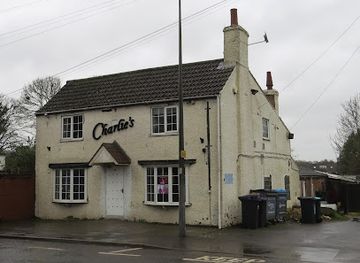
Charlie's Nightclub
Experience Coningsby's vibrant nightlife at Charlie's Nightclub, where lively music and a welcoming atmosphere create unforgettable evenings.
Best shops in Lincolnshire
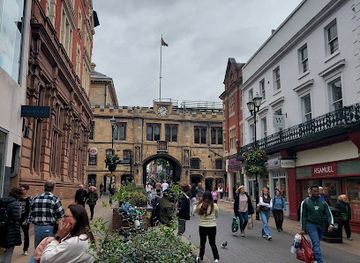
Shopping in Lincolnshire is rooted in market towns, independent high streets and locally produced food rather than extensive luxury retail. Lincoln offers the broadest mix, with central shops, the historic uphill quarter, bookshops, galleries, cafés and places selling gifts connected with the cathedral city. Stamford is particularly suited to browsing independent retailers, antiques, interiors and specialist food shops within its historic streets, while Louth, Boston, Grantham and Sleaford serve as practical market-town centres with different local rhythms. Farm shops and rural food halls are useful for Lincolnshire sausages, cheeses, preserves, seasonal vegetables, apples, cakes and other produce to take home. Along the coast, shops in Skegness, Mablethorpe and Sutton-on-Sea combine holiday goods with everyday local businesses, and the emphasis is generally informal rather than designer-led. Check market days locally, as schedules vary, and look for work by Lincolnshire makers in galleries and craft shops instead of relying only on standard seaside souvenirs.
-
Clothing Shop
Primark
Discover affordable fashion and homeware for all ages in the heart of Lincoln’s vibrant High Street.
-
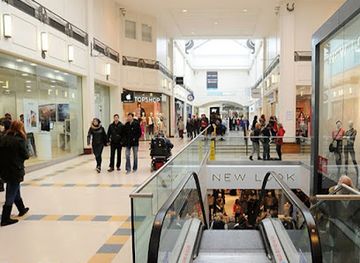
Shopping Centre
Waterside Shopping Centre
Compact and vibrant shopping hub in Lincoln’s city centre with popular brands, eateries, and family-friendly amenities.
-
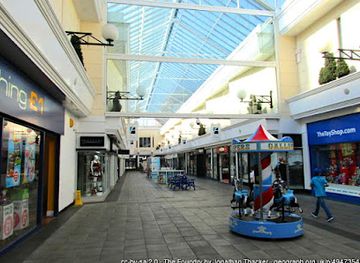
Shopping Centre
The Foundry
Central Scunthorpe’s welcoming shopping hub with diverse stores, cafes, and community events open seven days a week.
-
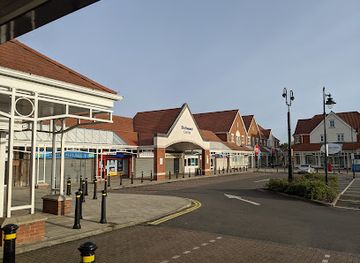
Shopping Centre
Birchwood Shopping Centre
A convenient and community-focused shopping destination in Lincoln’s Birchwood, offering diverse retail, dining, and essential services.
Get your free copy of our complete guide to Lincolnshire, delivered straight to you.
Everything on this page, from attractions and restaurants to essentials and local phrases, in one PDF you can read offline, print or share.
Already have an account? Sign in
Your Lincolnshire guide is ready.
We'll send it to · Not you? Sign out

Getting your guide ready…
We are putting together a fresh copy of the Lincolnshire guide. This can take up to a minute.
This can take a few moments. If your browser asks, choose Allow so the download can start. You'll find the guide in your Downloads folder.
Nothing happened? Download it again
Sorry, the guide is taking longer than usual. Please try again in a minute, or get it by email instead.
Lincolnshire essentials
Currency and Payment
Safety
Emergency Situations
Do's and Don'ts
Local Tips
From Eve
Local phrases worth knowing
You don't need to get them perfect. A few words go a long way, and locals appreciate the effort.
Basics
| English | Local | Say it |
|---|---|---|
| Hello | Ey up | [ay up] |
| Goodbye | Ta-ra | [tah-rah] |
| Yes | Aye | [eye] |
| No | Nay | [nay] |
| Please/You're welcome | Please | [pleez] |
| Thank you | Cheers | [cheers] |
| Excuse me/Sorry | Sorry | [sor-ree] |
| How are you? | How do? | [how do?] |
| Fine. And you? | Reet. An' thee? | [reet. an' thee?] |
| Do you speak English? | D'you speak English? | [d'you speak English?] |
| I don't understand | I dunna understand | [I dunna understand] |
Eating & Drinking
| English | Local | Say it |
|---|---|---|
| I'd like to see the menu, please | Can I see the menu, please? | [can I see the menu, pleez?] |
| I don't eat meat | I dunna eat meat | [I dunna eat meat] |
| Cheers! | Cheers! | [cheers!] |
| I would like to pay, please | Can I pay, please? | [can I pay, pleez?] |
Emergencies
| English | Local | Say it |
|---|---|---|
| Help! | Help! | [help!] |
| Go away! | Clear off! | [clear off!] |
| Call the Police! | Ring the coppers! | [ring the coppers!] |
| Call a doctor! | Get a doctor! | [get a doctor!] |
| I'm lost | I’m lost | [I’m lost] |
| I'm ill | I’m poorly | [I’m poorly] |
Shopping
| English | Local | Say it |
|---|---|---|
| I'd like to buy... | I’d like to buy... | [I’d like to buy...] |
| I'm just looking | I’m just lookin' | [I’m just lookin'] |
| How much is it? | How much's it? | [how much's it?] |
| That's too expensive | That’s too dear | [that’s too deer] |
| Can you lower the price? | Can you bring it down? | [can you bring it down?] |
Time & Numbers
| English | Local | Say it |
|---|---|---|
| What time is it? | What time's it? | [what time's it?] |
| It's one o'clock | It's one o'clock | [it's one o'clock] |
| Half past (10) | Half past ten | [half past ten] |
| Morning | Mornin' | [mornin'] |
| Afternoon | After noon | [after noon] |
| Evening | Evenin' | [evenin'] |
| Yesterday | Yesterd'y | [yesterd'y] |
| Today | Today | [today] |
| Tomorrow | Tomorrah | [tomorrah] |
| 1 | One | [one] |
| 2 | Two | [two] |
| 3 | Three | [three] |
| 4 | Four | [four] |
| 5 | Five | [five] |
| 6 | Six | [six] |
| 7 | Seven | [seven] |
| 8 | Eight | [eight] |
| 9 | Nine | [nine] |
| 10 | Ten | [ten] |
Transport & Directions
| English | Local | Say it |
|---|---|---|
| Where's a/the...? | Where's a/the...? | [where's a/the...?] |
| What's the address? | What’s the address? | [what’s the address?] |
| Can you show me (on the map)? | Can you show me on the map? | [can you show me on the map?] |
| When's the next (bus)? | When's the next bus? | [when's the next bus?] |
| A ticket (to ....) | A ticket to .... | [a ticket to ....] |
History of Lincolnshire
Prehistoric and Roman Lincolnshire
Lincolnshire's archaeological record includes prehistoric barrows, trackways and settlements, reflecting long occupation of the Wolds, Fen edge and coastal plain. The Romans established Lindum Colonia at Lincoln, one of the most important urban centres in Roman Britain, and connected it to other settlements by roads that influenced later routes. Roman drainage, farming and military organisation also shaped the wider landscape. Remains of the city walls, gateway structures and other archaeological evidence can still be understood in Lincoln, while roads and earthworks elsewhere reveal how the county was integrated into the empire.
Anglo-Saxon Kingdoms and the Danelaw
After Roman rule, Lincolnshire became part of the changing political landscape of Anglo-Saxon England and later the Danelaw. Lincoln developed as a major centre, while Scandinavian settlement left enduring marks in place names, local administration and patterns of landholding. The county's position between the Midlands, the Humber and the North Sea made it a zone of cultural and commercial contact. Although much of this history is visible through archaeology and language rather than monumental remains, it helps explain the distinct names and settlement patterns found across modern Lincolnshire.
Medieval Lincoln and the Wool Economy
The Norman Conquest brought new political and religious institutions to Lincolnshire. Lincoln Castle was established after 1066, and Lincoln Cathedral became one of medieval England's leading ecclesiastical buildings. The county prospered through agriculture, trade and the export of wool, with wealth concentrated in the cathedral city, religious houses and prosperous market communities. Boston grew as a port and trading centre, connecting the region to continental commerce. Medieval prosperity also left churches, guild buildings, market layouts and manor houses across the county, although later economic changes transformed many of the same communities.
The Reformation and Civil War
Religious change under the Tudor monarchy reshaped Lincolnshire's monasteries, churches and landownership. The dissolution of the monasteries ended the institutional life of houses such as those at Bourne and Crowland, while former ecclesiastical land passed into private ownership. In the seventeenth century, Lincolnshire was affected by the conflicts of the English Civil War. Lincoln was held by Parliament for much of the conflict and endured fighting before the royalist threat was defeated. The period altered local estates, religious practice and political allegiances throughout the county.
Drainage, Agriculture and the Fens
The low-lying Fens were gradually transformed through drainage projects, embankments, pumping and changes in landownership, particularly from the seventeenth century onwards. The work was economically important but controversial, since common rights and wetland livelihoods were disrupted, prompting resistance in parts of the Fenland. Over time, drained land became highly productive for cereals, vegetables, bulbs and other crops. The straight drainage channels, raised roads, pumping stations and exceptionally open horizons of southern and eastern Lincolnshire are lasting evidence of this major environmental and social transformation.
Railways, Industry and the Victorian County
Railway construction in the nineteenth century connected Lincolnshire's market towns, ports and agricultural districts with national markets. Grantham became an important railway junction, Lincoln expanded as an industrial and commercial centre, and coastal towns developed as destinations for leisure travel. Engineering, food processing, agricultural machinery and port activity accompanied the county's continuing farming economy. The railways also changed patterns of migration and tourism, making seaside resorts such as Skegness more accessible and allowing produce from the Fens and Wolds to reach distant consumers.
Lincolnshire in the World Wars
Lincolnshire's flat airfields and strategic position made it central to Britain's aviation and military history during both world wars. Bomber Command stations operated across the county in the Second World War, while training, engineering and agriculture all supported the national war effort. RAF Coningsby remains associated with the Battle of Britain Memorial Flight, and the International Bomber Command Centre in Lincoln addresses the human cost of the bombing campaign. Military heritage is therefore part of the county's modern identity, alongside memorials, former airfields and surviving service communities.
Lincolnshire in Photos
Browse through our photo collection highlighting the charm and character of the destination.
Neighbouring regions of Lincolnshire
The closest regions to Lincolnshire, if you have time for more than one.
-

-

-

-

-


Swipe for more regions
Explore more

Explore more of United Kingdom
Discover the United Kingdom: A blend of rich history, stunning landscapes, and vibrant cities, offering a unique travel experience for every visitor.
Explore United Kingdom