Portmeirion, Caernarfonshire Travel Guide
A vibrant Italianate village on the Welsh coast blending whimsical architecture, lush gardens, and historic charm in a stunning natural setting.
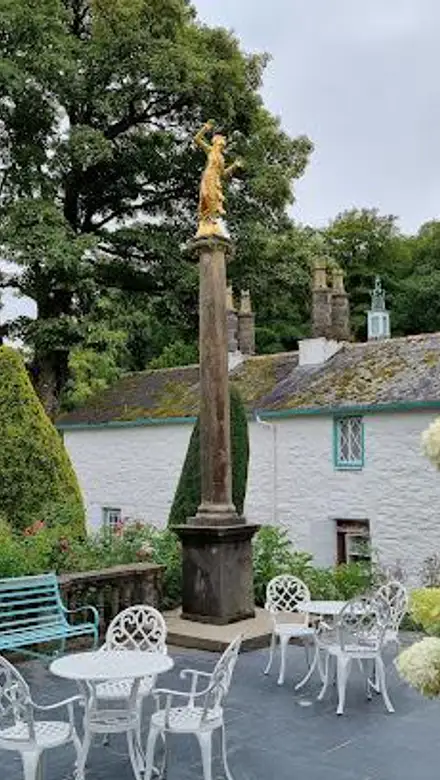
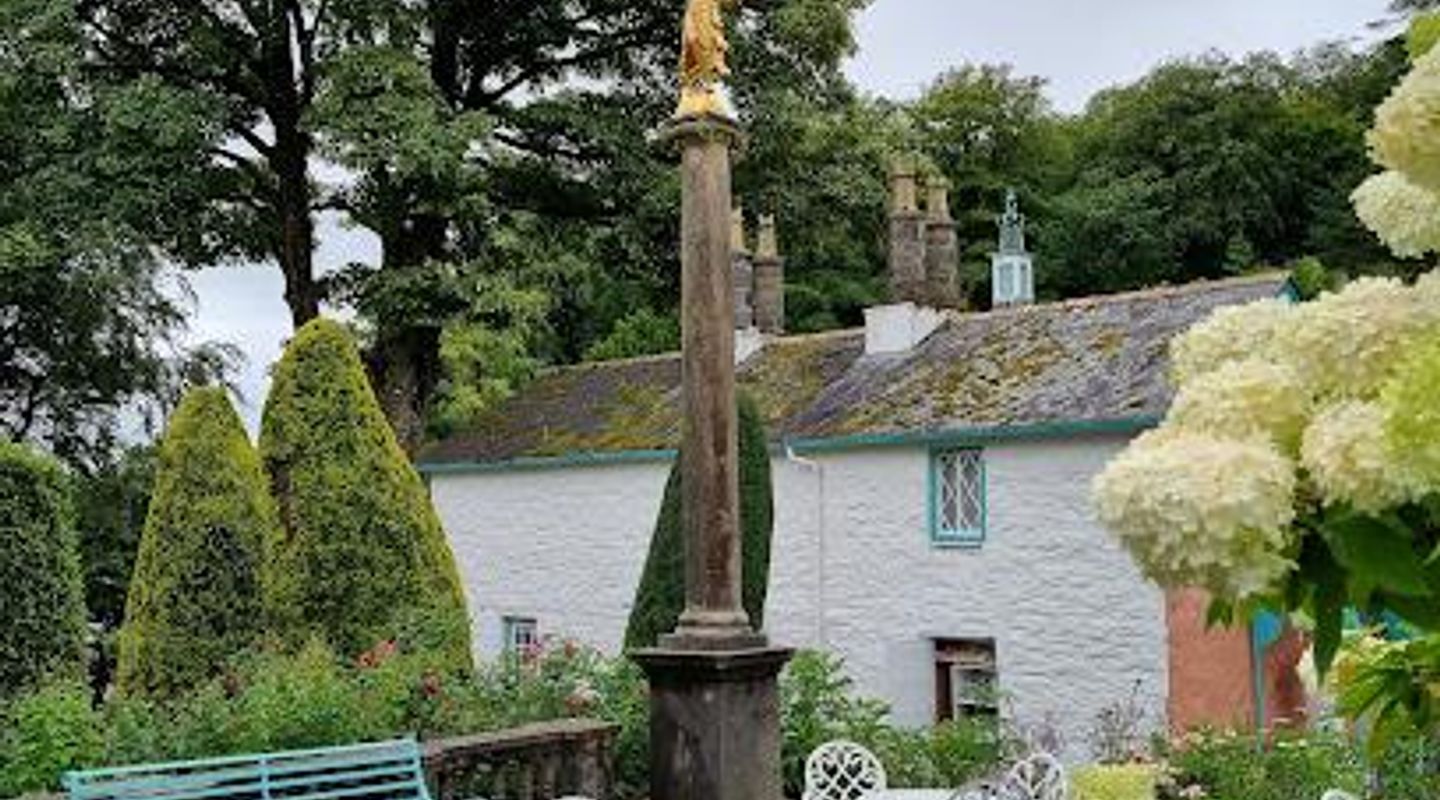
Portmeirion is a unique Italianate village in North Wales, designed and built by Sir Clough Williams-Ellis between 1925 and 1975. Celebrated for its vibrant architecture, eclectic styles, and picturesque gardens, it blends Mediterranean charm with Welsh coastal beauty. The village is a living architectural experiment, featuring colorful buildings, whimsical details, and historic elements, all set within a stunning natural landscape overlooking the estuary near Snowdonia.
A brief summary to Portmeirion
- Penrhyndeudraeth, Portmeirion, GB
- Click to display
- Click to display
- Duration: 2 to 5 hours
- Mid ranged
-
 Outdoor
- Mobile reception: 4 out of 5
- Monday 9:30 am-5:30 pm
- Tuesday 9:30 am-5:30 pm
- Wednesday 9:30 am-5:30 pm
- Thursday 9:30 am-5:30 pm
- Friday 9:30 am-5:30 pm
- Saturday 9:30 am-5:30 pm
- Sunday 9:30 am-5:30 pm

Know before you go
Hi, I'm Eve. Here are a few practical things to know before exploring Portmeirion.
- Visit early in the day to enjoy the village’s colorful architecture in the soft morning light and avoid afternoon crowds.
- Explore the gardens thoroughly, including the Bristol Colonnade and the Gothic Pavilion, for peaceful spots and photo opportunities.
- Don’t miss Castell Deudraeth on the estate outskirts, a restored Gothic mansion now operating as a hotel and restaurant.
- Look closely for architectural details like trompe-l’oeil murals, statues, and scaled-down elements that create visual intrigue.
- Stay overnight at the Hotel Portmeirion to experience the village’s magical atmosphere after public hours.
Do you manage this location?
Take control to get all the benefits, like improved information, better appearance, and stronger visibility across AI-powered discovery. Learn more about listing your business on Evendo
Activate your presenceOther nearby places you may find interesting
The closest places of the same kind, if this one is not quite what you had in mind.
Explore Portmeirion on the Map
A handpicked selection of must-see spots near Portmeirion, mapped for you.
Unlock the Best of Portmeirion
Buy tickets
-
No tickets available
Book tours with entry


Getting There
-
Train and Bus
Travelers can take a train to Penrhyndeudraeth station, approximately 3 km from Portmeirion. From there, a local bus or taxi service provides a short 10-minute connection. Train journeys from major cities like Cardiff or Manchester typically take 3 to 5 hours. Bus services may be limited on weekends, so check schedules in advance.
-
Car
Driving to Portmeirion from nearby towns such as Porthmadog or Caernarfon takes about 20 to 40 minutes depending on traffic. Parking is available near the village entrance but can fill up during peak seasons. Note that some narrow roads require careful navigation.
-
Walking
For active visitors, a scenic 45-minute walk from Penrhyndeudraeth station to Portmeirion follows coastal paths and woodland trails. The terrain includes gentle slopes and some uneven surfaces, so suitable footwear is recommended. This option offers a peaceful approach with beautiful views.
For the on-the-go comforts that matter to you
-
 Restrooms
-
 Drink Options
-
 Food Options
-
 Seating Areas
-
 Trash Bins
-
 Information Boards
-
 Visitor Center
Discover more about Portmeirion
A Visionary Creation Rooted in History
Portmeirion’s story begins in 1925 when architect Sir Clough Williams-Ellis acquired the Aber Iâ estate near Penrhyndeudraeth. Inspired by the site’s Mediterranean-like microclimate, wooded cliffs, and panoramic estuary views, he envisioned a village that harmonized architecture with nature. The estate itself has a layered history, including the remains of a medieval castle known as Castell Deudraeth, dating back to the 12th century, and a Victorian mansion and gardens that formed the foundation for the village. Williams-Ellis sought to prove that development could be both beautiful and environmentally sensitive, creating a place where architecture and landscape co-exist gracefully.Architectural Eclecticism and Playful Design
Built over five decades, Portmeirion is a bold architectural essay blending Arts and Crafts, Palladian, Baroque, and Italianate styles. Williams-Ellis employed playful scale tricks such as forced perspective, making buildings appear larger or taller than they are, and incorporated salvaged architectural fragments from demolished buildings. Key landmarks include the Campanile bell tower, Hercules Hall (the Town Hall), the Pantheon dome, and the Triumphal Arch. The village’s colorful facades, arches, statues, and ornamental gardens create a theatrical and whimsical atmosphere that captivates visitors.A Living Cultural and Artistic Hub
Portmeirion has long been a magnet for artists, writers, and filmmakers. It famously served as the setting for the 1960s cult TV series "The Prisoner," adding to its mystique. The village also inspired pottery production and hosts cultural events. Its gardens, listed at Grade II* for their historic interest, offer tranquil spaces with exotic plants, topiary, and sculptures. The village’s design reflects Williams-Ellis’s philosophy that architecture should bring joy and enhance its environment, evident in every detail from the giant chess set to the Gothic Pavilion.Experiencing Portmeirion Today
Visitors to Portmeirion can explore its narrow streets, vibrant plazas, and waterfront with the Hotel Portmeirion as the centerpiece. The village offers a unique blend of relaxation and discovery, where every corner reveals a new architectural delight or garden vista. The nearby Castell Deudraeth mansion, restored and opened as a hotel and restaurant, extends the estate’s historic charm. Portmeirion’s compact size belies its rich complexity, making it a captivating destination for architecture enthusiasts, nature lovers, and cultural explorers alike.Architectural Innovation and Environmental Harmony
Williams-Ellis was ahead of his time in integrating sustainable principles into Portmeirion’s design. He used economical materials like concrete and sheet metal and carefully positioned buildings to complement the natural landscape. The village’s construction avoided overwhelming the site, preserving woodland and coastal views. His approach anticipated later architectural movements, influencing postmodernism with its bricolage style and nostalgic references. Portmeirion remains a testament to humane architecture that respects both people and place.Legacy and Continuing Inspiration
Today, Portmeirion is managed by a charitable trust, preserving Williams-Ellis’s vision and welcoming visitors from around the world. Its enduring appeal lies in its ability to transport guests to a Mediterranean fantasy while rooted in Welsh heritage. The village’s vibrant colors, intricate details, and scenic setting continue to inspire artists, architects, and travelers, ensuring Portmeirion’s place as one of Britain’s most beloved and distinctive destinations.












Your all‑in‑one travel companion app
Explore expert travel guides, compare and book tours, experiences, hotels, and more—all from the palm of your hand. Download now for seamless trip planning wherever your wanderlust takes you.


Explore More of Caernarfonshire
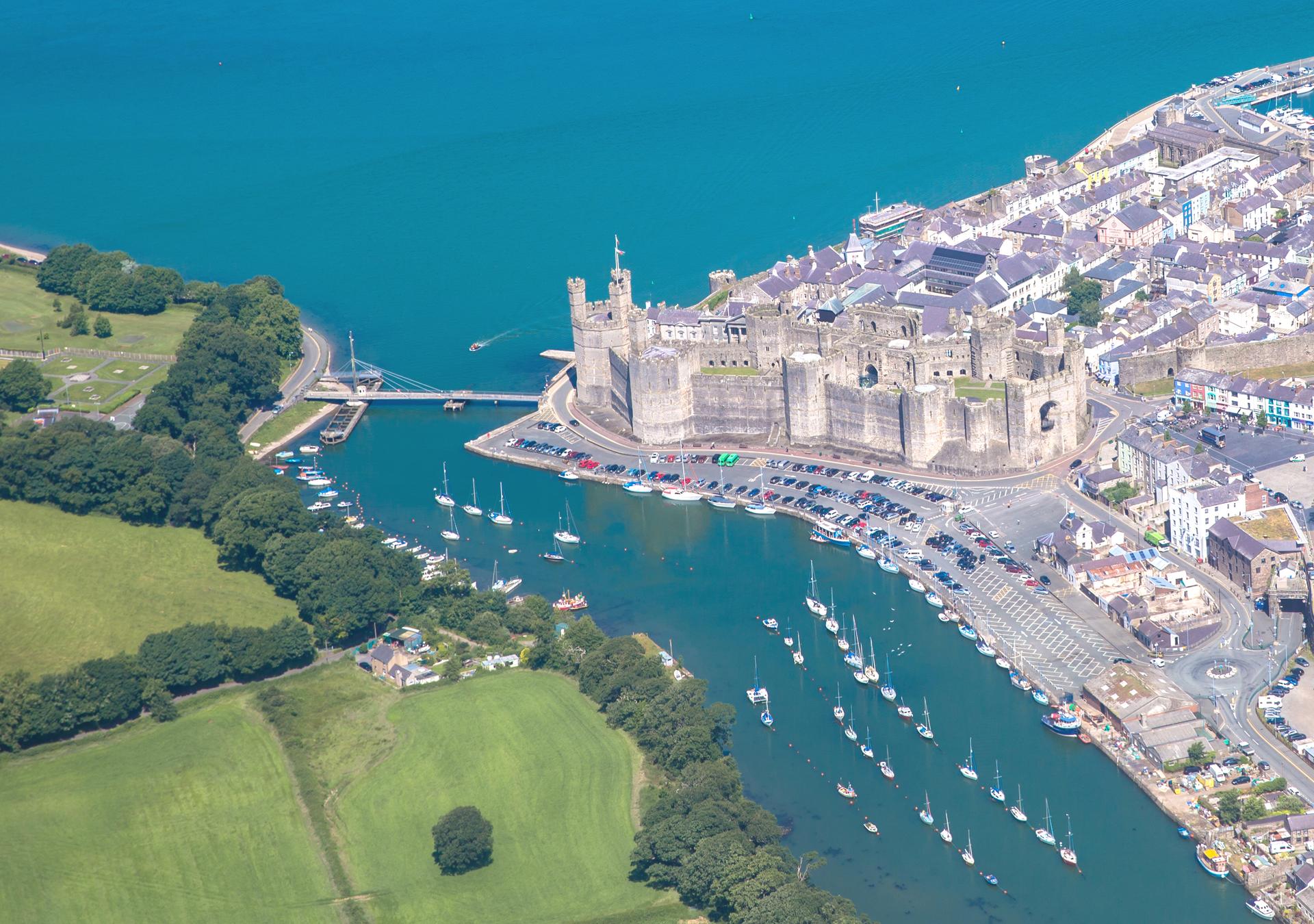
Looking beyond Portmeirion? Discover Caernarfonshire for broader travel guides, local hot-spots, and regional highlights.
Explore Caernarfonshire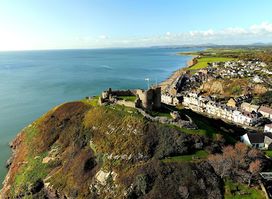
Explore the dramatic ruins of Castell Cricieth, a medieval fortress perched on a Welsh headland with stunning coastal views and rich history.
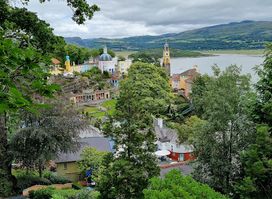
A whimsical Italianate village on the Welsh coast blending Mediterranean charm, lush gardens, and iconic cultural history.