Chartwell, London Travel Guide
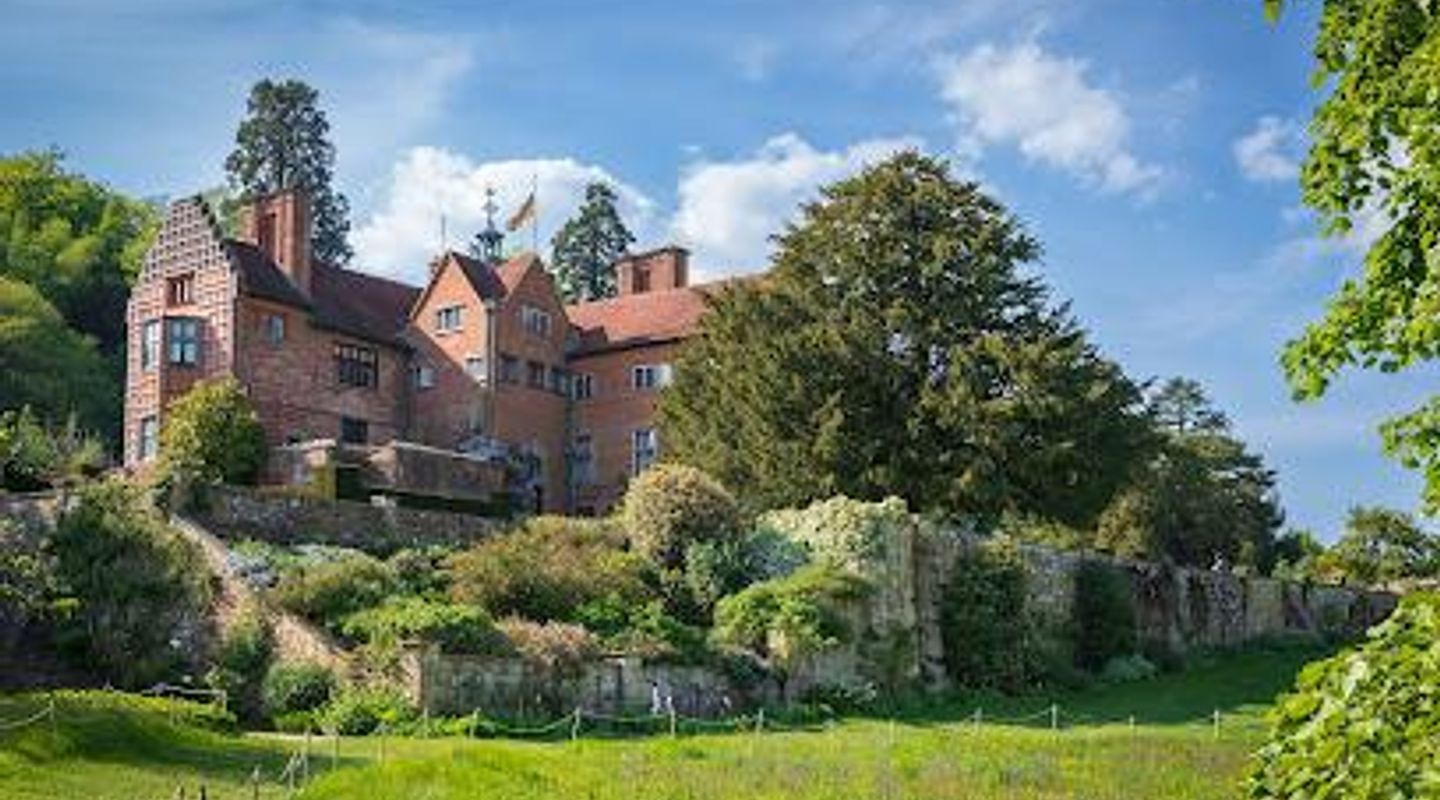
Churchill’s former home in Kent combines preserved rooms, hillside gardens, and estate paths in a polished National Trust setting near Westerham.
Chartwell is Winston Churchill’s former family home, set on a sloping Kent estate above Westerham. Visitors move between preserved rooms, Churchill displays, a studio, formal gardens, and wooded paths, with the day usually unfolding as a house visit followed by unhurried time outdoors. It feels polished and historical rather than grand, with a lived-in country-house atmosphere and steady visitor traffic.
A brief summary to Chartwell
- Mapleton Rd, Westerham, TN16 1PS, GB
- Click to display
- Click to display
- Duration: 1.5 to 4 hours
- Mid ranged
-
 Mixed
Mixed
- Mobile reception: 4 out of 5
- Monday 10 am-4 pm
- Tuesday 10 am-4 pm
- Wednesday 10 am-4 pm
- Thursday 10 am-4 pm
- Friday 10 am-4 pm
- Saturday 10 am-4 pm
- Sunday 10 am-4 pm

Know before you go
Hi, I'm Eve. Here are a few practical things to know before exploring Chartwell.
- Arrive earlier in the day on weekdays if you want a calmer house visit; late morning and early afternoon are the busiest periods.
- Allow extra time for the slopes and steps across the estate, especially if you plan to walk beyond the main house and garden areas.
- If you are using public transport, plan the last leg carefully; rail plus taxi is usually simpler than relying on local buses.
- In wet weather, focus more on the house, exhibition spaces, café, and studio, since the grounds are best enjoyed in dry conditions.
Do you manage this location?
Take control to get all the benefits, like improved information, better appearance, and stronger visibility across AI-powered discovery. Learn more about listing your business on Evendo
Activate your presenceOther nearby places you may find interesting
The closest places of the same kind, if this one is not quite what you had in mind.



Explore Chartwell on the Map
A handpicked selection of must-see spots near Chartwell, mapped for you.
Unlock the Best of Chartwell
Buy tickets
-
No tickets available
Book tours with entry


Getting There
-
By Train
Use Sevenoaks, Oxted, or Edenbridge as the nearest rail stations, then continue by taxi; this is usually the most practical public-transport approach.
-
By Bus
Local bus access exists but is limited and less convenient than rail plus taxi; check service patterns carefully, especially on Sundays and public holidays.
-
By Car
Driving is the easiest option for most visitors, with on-site parking available, though spaces can tighten on busy weekends and holiday periods.
-
On Foot
Walking from Westerham is possible, but it is a countryside approach rather than a simple town stroll, so allow time and expect road and lane walking.
For the on-the-go comforts that matter to you
-
 Restrooms
-
 Drink Options
-
 Food Options
-
 Seating Areas
-
 Sheltered Areas
-
 Trash Bins
-
 Information Boards
-
 Visitor Center
Discover more about Chartwell
What Chartwell is
Chartwell is a National Trust historic house and garden estate in the Kent countryside, best known as the long-time home of Sir Winston Churchill. The house is the main draw, but the visit also includes gardens, exhibition spaces, the studio, café, shop, and estate paths. It is a heritage site first and foremost: rooms, objects, and interpretation focus on Churchill’s public life, family life, and the decades he spent here.How the visit feels
The experience is structured but not rushed. Many visitors begin with the house, often on a timed-entry basis, then continue into the gardens and grounds at their own pace. Inside, the atmosphere is intimate and museum-like, with preserved interiors and personal collections that give the place a lived-in quality. Outside, the estate opens into a series of slopes, paths, and garden rooms that feel calmer than the house, though rarely empty. On busy days the flow is steady rather than chaotic, with the café and garden paths absorbing people after the house visit.Setting and landscape
Chartwell sits on a hillside, so the terrain is part of the experience. Paths rise and fall, steps appear in places, and the grounds spread across a moderate area rather than a compact formal garden. The setting is green, rural, and well kept, with woodland edges and views across the estate. It is scenic without being dramatic: the appeal lies in the combination of house, garden, and countryside context rather than in a single sweeping panorama. The site feels suburban-rural in character, close enough to Westerham to be accessible, but far enough out to retain a country-house mood.Why people come
Most travellers visit for Churchill history, but the estate also works well for garden visitors, families, and anyone wanting a measured half-day outing. The house gives the visit its historical weight; the grounds provide breathing space and a change of pace. It suits people who like interpretation, preserved interiors, and a walkable estate more than those looking for wilderness, solitude, or high-energy activity. In spring and summer, the gardens and paths become a stronger part of the visit; in colder or wetter weather, the indoor rooms and displays carry more of the experience.Practical expectations
Expect a mid-range, managed heritage attraction with parking, toilets, café, shop, and visitor centre facilities. The hillside layout means some routes are more demanding than they look, and accessibility is partial rather than uniform. Public transport is possible but usually requires a rail connection followed by a taxi or a less straightforward bus link. A focused visit can be done in under two hours, but three to four hours is more realistic if you want to see the house, gardens, and exhibition areas without hurrying.












Your all‑in‑one travel companion app
Explore expert travel guides, compare and book tours, experiences, hotels, and more—all from the palm of your hand. Download now for seamless trip planning wherever your wanderlust takes you.


Explore More of London

Looking beyond Chartwell? Discover London for broader travel guides, local hot-spots, and regional highlights.
Explore London
Explore 6,500 acres of rare heathland and ancient woodland in Ashdown Forest, the enchanting home of Winnie-the-Pooh and a haven for wildlife and outdoor adventure.
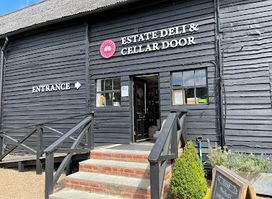
Historic Kent estate cellar door in Westerham, pairing English sparkling wine, deli plates and vineyard views in a compact countryside stop.