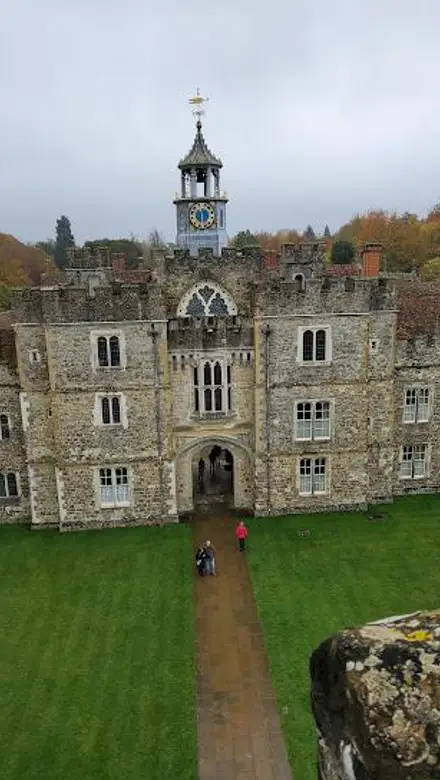
Deer Park, London Travel Guide
Free Guide: A rare medieval deer park in Sevenoaks, where fallow deer, rough parkland, and centuries of estate history shape a slow, spacious visit.


A brief summary of Deer Park
A rare medieval deer park in Sevenoaks, where fallow deer, rough parkland, and centuries of estate history shape a slow, spacious visit.
This is not a city park but the broad deer park of Knole estate, a rare surviving medieval landscape on the edge of Sevenoaks. Expect long walks across rough grass and woodland, fallow deer grazing at a distance, and a quiet, old-world atmosphere shaped by centuries of aristocratic ownership. Most visits are slow-paced, with time for the house, tower, café, and visitor centre if you want a fuller estate day.
On-site amenities
 Restrooms
 Drink options
 Food options
 Seating areas
 Sheltered areas
 Picnic areas
 Trash bins
 Information boards
 Visitor centre
- Address
- Sevenoaks
Getting there
Train
Car
Bus
Cycle
Discover more about Deer Park
What it is
Knole Park is the historic deer park attached to Knole House in Sevenoaks, and one of the most distinctive heritage landscapes in Kent. It is widely regarded as the county’s last medieval deer park, enclosed in the 15th century and long associated with archbishops, royalty, and the Sackville family. The park is not a manicured urban green space; it is a large estate landscape where wildlife, old trees, and long views matter more than formal planting.The main draw is the herd of fallow deer, which has shaped the identity of the place for centuries. Visitors come to walk the parkland, watch for deer from a respectful distance, and combine the outdoor setting with the house, tower, café, and visitor facilities if they want a longer visit.
Atmosphere and setting
The setting feels spacious, pastoral, and slightly rough-edged in places. Expect woodland edges, open grassland, valleys, veteran trees, and undulating paths that can be muddy or uneven after rain. The park is mostly outdoors, with the built estate elements concentrated around the visitor centre and house. It has the feel of a working historic landscape rather than a decorative park, and that is part of its appeal.The experience is quiet rather than lively. You are more likely to hear birds, wind in the trees, and the movement of deer than any strong background noise. On clear days the open parkland gives broad estate views; in poorer weather the place becomes more subdued, with shorter walks and more visitors clustering around the indoor facilities.
How a visit unfolds
Most visits begin with orientation at the visitor centre or with a map, followed by a gentle loop through the park. Deer sightings are never guaranteed, but the herd is a constant presence and often visible in open areas at a distance. Many visitors stay for a few hours, moving between the park, café, and house rather than treating it as a quick stop.The tower adds a different perspective, with elevated views over the estate, though it is not wheelchair accessible because of the steep spiral staircase. The house and gardens, if included, turn the visit into a fuller heritage day. For many travellers, the appeal lies in the rhythm of the place: walk, pause, watch the deer, then continue along another broad track.
Practical expectations
This is a good fit for gentle walking, photography, wildlife observation, and heritage interest. It is less suitable for visitors looking for high-energy activities or tightly packed attractions. Paths can be rough and undulating, so sturdy footwear is sensible. Dogs must be kept on a lead because of the deer. Public transport is realistic via Sevenoaks station, though the walk from the station is uphill and takes around half an hour. Driving is common, but parking rules can be stricter at busy times, especially weekends and school holidays.Facilities include toilets, accessible toilets, a café or food outlet, a shop, a visitor centre, seating, picnic areas, and information boards. Mobile signal is usually adequate but not something to rely on everywhere in the park. The best conditions are mild weather and clear skies, when the open landscape, deer, and long views are at their most rewarding.
Evendo Review Centre
 Google
Guest reviews
Best time to go
Quietest: Jan, Feb & Nov · before 8am or from 8pm
Busy times are Evendo estimates for a typical year, to help you plan. Actual crowds vary with events, school holidays and the weather.
Explore Deer Park on the map
A handpicked selection of must-see spots near Deer Park, mapped for you.
Get your free copy of our complete guide to Deer Park, delivered straight to you.
Everything on this page, from opening hours and how to get there to Eve’s tips and the best time to go, in one PDF you can read offline, print or share.
Already have an account? Sign in
Your Deer Park guide is ready.
We'll send it to · Not you? Sign out

Getting your guide ready…
We are putting together a fresh copy of the Deer Park guide. This can take up to a minute.
This can take a few moments. If your browser asks, choose Allow so the download can start. You'll find the guide in your Downloads folder.
Nothing happened? Download it again
Sorry, the guide is taking longer than usual. Please try again in a minute, or get it by email instead.
Other nearby places you may find interesting
The closest places of the same kind, if this one is not quite what you had in mind.
-
-
-
-
-


Swipe for more places
More to explore near Deer Park

 Best experiences near Deer Park
 Best hotels near Deer Park
 Best landmarks near Deer Park
 Best attractions near Deer Park
 Best shops near Deer Park
 Best restaurants near Deer Park
 Best bars near Deer Park
Do you manage this location?
Take control to get all the benefits, like improved information, better appearance, and stronger visibility across AI-powered discovery.
Explore more

Explore more of London
Explore London: A city of iconic landmarks, rich history, vibrant culture, and endless attractions that cater to every taste, making it a must-visit destination.
Explore London
Explore more of United Kingdom
Discover the United Kingdom: A blend of rich history, stunning landscapes, and vibrant cities, offering a unique travel experience for every visitor.
Explore United Kingdom