

Fleet St, London Travel Guide
Free Guide: Historic Fleet Street links London’s press past, legal quarter, and church heritage in one busy central corridor with courts, lanes, and landmark views.


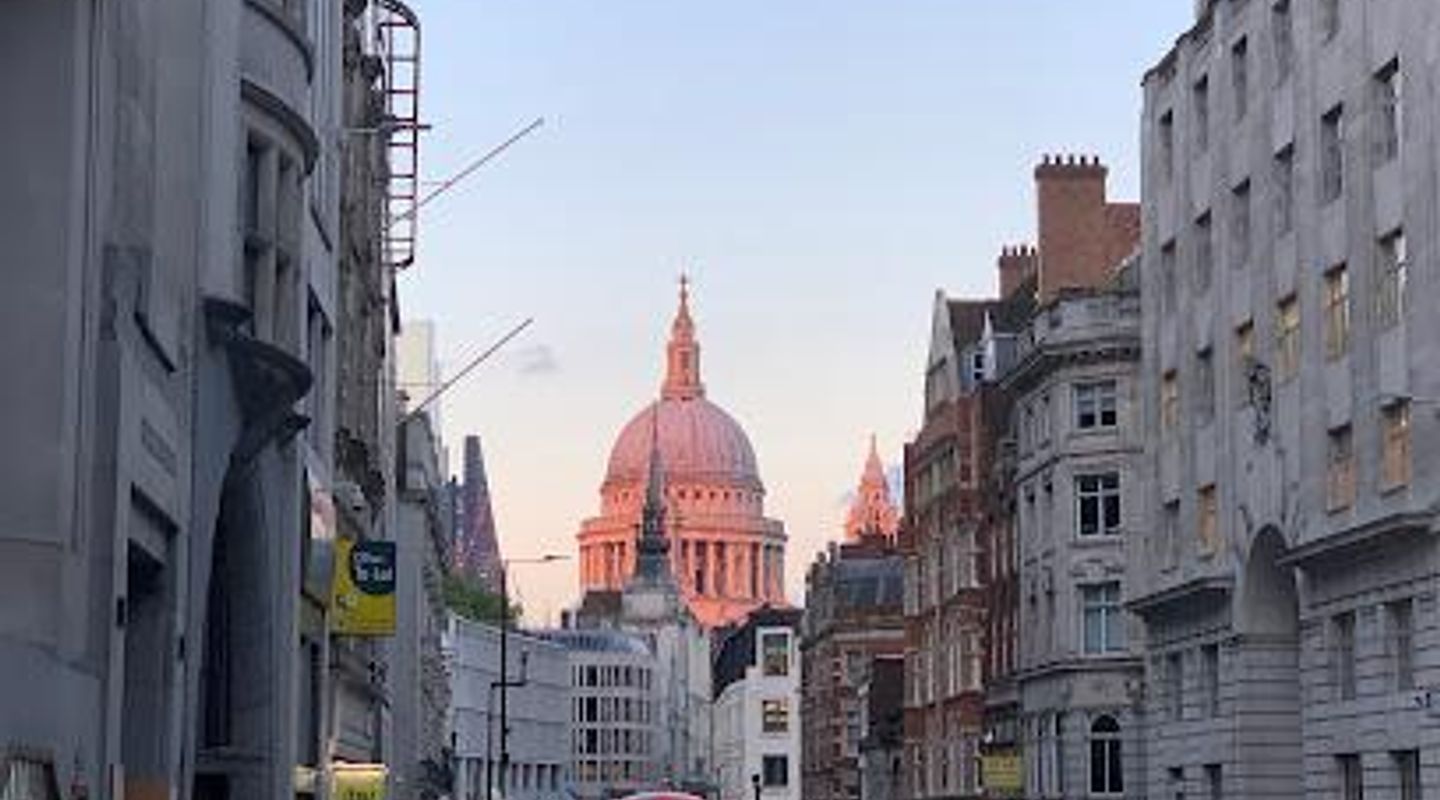
A brief summary of Fleet St
Historic Fleet Street links London’s press past, legal quarter, and church heritage in one busy central corridor with courts, lanes, and landmark views.
Fleet Street is less a single sight than a historic London street with a long memory. Once the shorthand for Britain’s newspaper industry, it now reads as a busy City thoroughfare lined with churches, courts, and rebuilt office blocks. Walk it for the layered street plan, the side lanes, and views toward St Paul’s.
On-site amenities
 Restrooms
 Drink options
 Food options
 Seating areas
 Sheltered areas
 Trash bins
 Information boards
- Address
- London
Getting there
Underground and rail
Bus
On foot
By car
Discover more about Fleet St
What Fleet Street is
Fleet Street is a historic street in the City of London, running between the western edge of the Square Mile and the Temple side of central London. It is best approached as an urban heritage corridor rather than a stand-alone attraction. The street’s name still carries the weight of Britain’s newspaper era, but its character is broader: legal institutions, church façades, literary associations, and a dense web of courts and alleys all sit within the same compact district.The main road itself is busy and functional, with traffic, offices, pubs, and cafés shaping the pace. The real interest often lies in the details around it: narrow lanes, older building fronts, church exteriors, and sightlines that open toward St Paul’s Cathedral and other City landmarks.
What it feels like to walk
A visit usually unfolds as a self-guided walk. Many travellers simply pass through, but those who slow down find a layered streetscape that changes from one block to the next. The main street feels broad and urban, while the side courts can feel older, quieter, and more enclosed. That contrast is part of Fleet Street’s appeal: it is not picturesque in a polished sense, but it has depth, texture, and a strong sense of place.The area suits visitors interested in London’s press history, legal quarter, church heritage, and urban photography. It is also a practical place to combine with nearby stops such as St Bride’s, Temple, St Dunstan-in-the-West, or the Inns of Court. On a short visit, you may only spend 20 to 40 minutes here; with side streets and nearby heritage sites, the visit can easily stretch to a few hours.
History and cultural associations
Fleet Street developed as a key route between the City and Westminster and expanded significantly after the Great Fire of 1666. It became famous as the centre of the British newspaper trade, and the name remains a metonym for the national press even though most newspapers moved away long ago. That history is still legible in the street’s identity, but it is not frozen in time: the area remains a working part of central London, with offices and commercial activity continuing alongside heritage buildings.The street is also tied to the legal world and to literary figures such as Dr Johnson and Oliver Goldsmith. Churches in and around the street add another layer, giving the district a mix of civic, religious, and literary associations that is unusual even by central London standards.
Practical expectations
Fleet Street is easy to reach by public transport and best visited on foot. Nearby stations and bus links make it straightforward to fold into a central London day, and walking from Holborn, Temple, St Paul’s, or Blackfriars is realistic. Driving is possible but not sensible for most visitors because of congestion and limited parking. The street is open year-round and does not depend on a ticketed visit, so it works well as a low-cost heritage stop.Weekdays are busier, especially around commuting and lunch hours, when office traffic and pass-through pedestrians are strongest. Weekends are calmer and better for photography and slower exploration. Dry, mild weather gives the best experience; rain makes the walk more utilitarian, though still worthwhile if you are already in the area. Fleet Street is not a nature destination and not a place to linger for tranquillity, but for travellers interested in London’s civic fabric, it offers a compact and revealing slice of the city.
Evendo Review Centre
 Google
Guest reviews
Best time to go
Quietest: Jan, Feb & Dec · before 3am
Busy times are Evendo estimates for a typical year, to help you plan. Actual crowds vary with events, school holidays and the weather.
Explore Fleet St on the map
A handpicked selection of must-see spots near Fleet St, mapped for you.
Get your free copy of our complete guide to Fleet St, delivered straight to you.
Everything on this page, from opening hours and how to get there to Eve’s tips and the best time to go, in one PDF you can read offline, print or share.
Already have an account? Sign in
Your Fleet St guide is ready.
We'll send it to · Not you? Sign out

Getting your guide ready…
We are putting together a fresh copy of the Fleet St guide. This can take up to a minute.
This can take a few moments. If your browser asks, choose Allow so the download can start. You'll find the guide in your Downloads folder.
Nothing happened? Download it again
Sorry, the guide is taking longer than usual. Please try again in a minute, or get it by email instead.
Unlock the best of Fleet St
Skip-the-line tickets, guided tours with entry, and walking tours of the area, booked in a few clicks.




Other nearby places you may find interesting
The closest places of the same kind, if this one is not quite what you had in mind.
-
-
-
-
-


Swipe for more places
More to explore near Fleet St

 Best experiences near Fleet St
 Best hotels near Fleet St
 Best landmarks near Fleet St
 Best attractions near Fleet St
 Best shops near Fleet St
 Best restaurants near Fleet St
 Best bars near Fleet St
Do you manage this location?
Take control to get all the benefits, like improved information, better appearance, and stronger visibility across AI-powered discovery.
Explore more

Explore more of London
Explore London: A city of iconic landmarks, rich history, vibrant culture, and endless attractions that cater to every taste, making it a must-visit destination.
Explore London
Explore more of United Kingdom
Discover the United Kingdom: A blend of rich history, stunning landscapes, and vibrant cities, offering a unique travel experience for every visitor.
Explore United Kingdom
