Dr Johnson's House, London Travel Guide
Free Guide: A compact Georgian townhouse in the City of London, where Samuel Johnson lived and worked amid preserved rooms, steep stairs and literary history.


A brief summary of Dr Johnson's House
A compact Georgian townhouse in the City of London, where Samuel Johnson lived and worked amid preserved rooms, steep stairs and literary history.
Tucked off Fleet Street in Gough Square, Dr Johnson’s House is a compact 17th-century townhouse museum tied to Samuel Johnson’s most productive years. Rooms are small, quiet and period-furnished, with original features, staircases and displays that reward close looking rather than a rushed visit. It suits travellers drawn to literary London, Georgian interiors and a slower, indoor heritage stop.
On-site amenities
 Restrooms
 Drink options
 Food options
 Seating areas
 Information boards
Opening hours
- MonClosed
- Tue11 am–5 pm
- Wed11 am–5 pm
- Thu11 am–5 pm
- Fri11 am–5 pm
- Sat11 am–5 pm
- SunClosed
Opening hours as listed on the venue’s Google Business Profile. Hours can change for services and special events, so check with the venue before you go.
- Address
- 17 Gough Square London
- Phone
- Website
Getting there
Public Transport
Walking
Taxi / Rideshare
Driving
Discover more about Dr Johnson's House
What it is
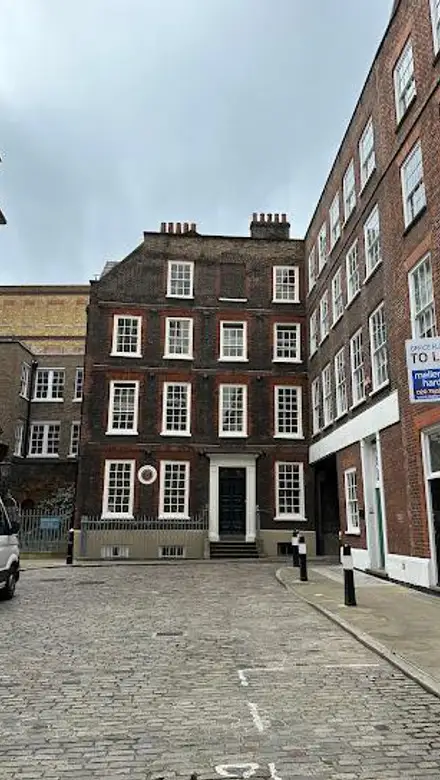
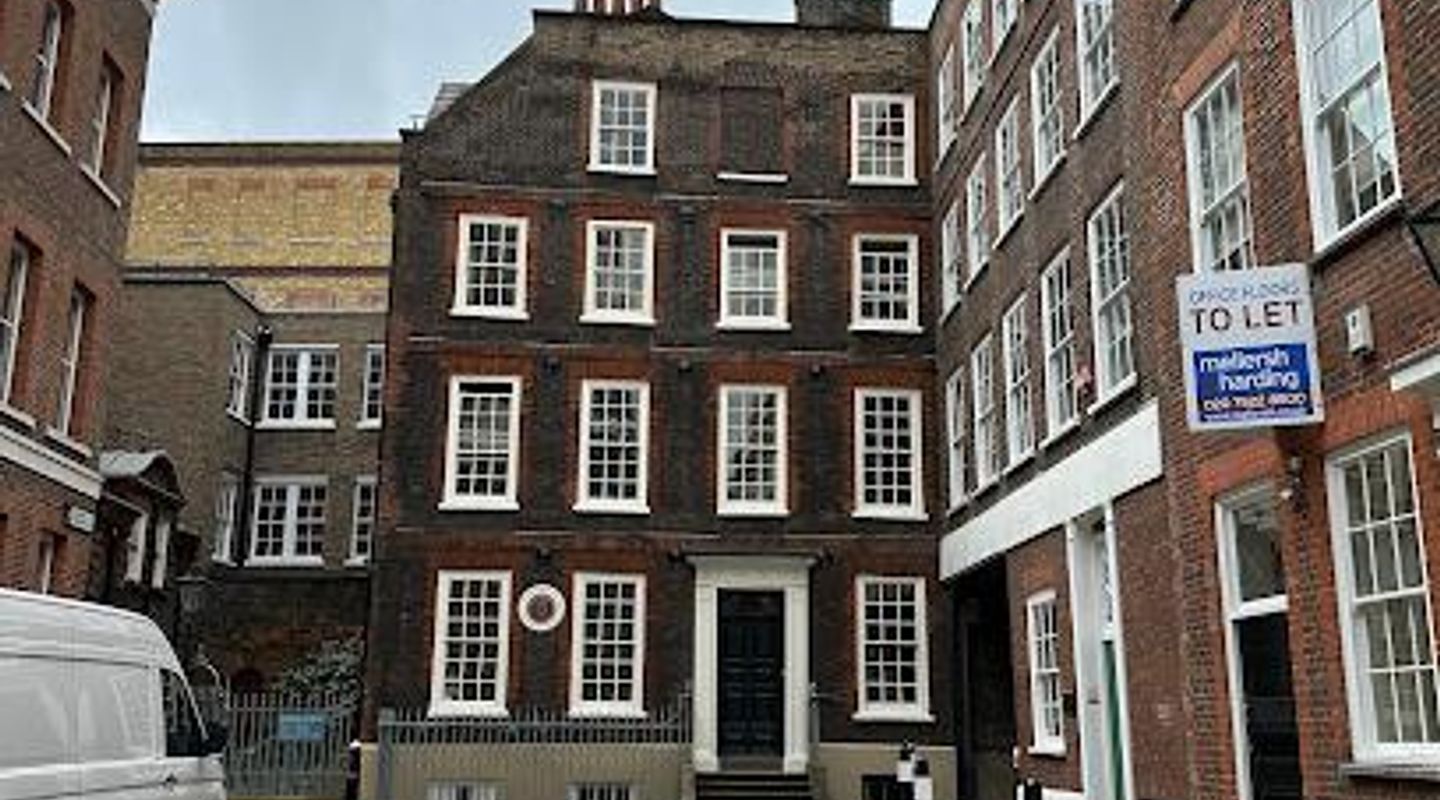
Dr Johnson’s House is a small historic house museum at 17 Gough Square, once home to Samuel Johnson, the 18th-century writer and lexicographer best known for compiling A Dictionary of the English Language. The building itself is part of the attraction: a late-17th-century townhouse and the only surviving structure from the original development around the square. It is less a grand museum than a preserved urban house, with a strong sense of scale and domestic detail.
What the visit feels like
The experience is quiet and room-by-room. You move through a compact sequence of interiors, reading interpretation about Johnson, his household and the world of Georgian London. Original and period features do most of the work; there is little in the way of spectacle or interactive display. The pace is slow, and the house encourages close attention to fireplaces, staircases, timber, proportions and the practical layout of an 18th-century home. It feels contemplative rather than theatrical, and it is best for visitors who enjoy reading as they go.
Setting and atmosphere
The house sits in the City of London, tucked into courts and alleys off Fleet Street, so the setting is urban and enclosed rather than scenic. Outside, the streetscape mixes old lanes with office buildings and the hard edges of the financial district. Inside, the atmosphere changes sharply: the rooms are intimate, hushed and slightly austere, with the weight of literary history coming from the building’s association with Johnson’s working life. It is a good place to pause from the pace of central London without leaving the city core.
Why people come
Travellers come here for literary history, Georgian interiors and the chance to stand in a place closely linked to one of English literature’s most influential figures. The house also appeals to those interested in the survival of rare old fabric in the City, wartime resilience and the layered uses of historic buildings over time. It is a strong fit for a short cultural stop or a broader literary day out, especially when combined with nearby Fleet Street and City landmarks.
Practical expectations
This is a compact museum, so a focused visit can be brief, while a careful one can take longer if you read the displays and linger in the rooms. There is no step-free access, and the toilets are reached by a steep staircase, so mobility-limited visitors should plan accordingly. On-site facilities are modest, with a shop and room seating, but no café. The house works well in almost any weather because it is indoors, and it is most rewarding for visitors who prefer atmosphere, text and detail over large galleries or hands-on exhibits.
Evendo Review Centre
 Google
Guest reviews
Best time to go
Quietest: Jan, Feb & Dec · before 12pm or from 3pm
Busy times are Evendo estimates for a typical year, to help you plan. Actual crowds vary with events, school holidays and the weather.
Explore Dr Johnson's House on the map
A handpicked selection of must-see spots near Dr Johnson's House, mapped for you.
Get your free copy of our complete guide to Dr Johnson's House, delivered straight to you.
Everything on this page, from opening hours and how to get there to Eve’s tips and the best time to go, in one PDF you can read offline, print or share.
Already have an account? Sign in
Your Dr Johnson's House guide is ready.
We'll send it to · Not you? Sign out

Getting your guide ready…
We are putting together a fresh copy of the Dr Johnson's House guide. This can take up to a minute.
This can take a few moments. If your browser asks, choose Allow so the download can start. You'll find the guide in your Downloads folder.
Nothing happened? Download it again
Sorry, the guide is taking longer than usual. Please try again in a minute, or get it by email instead.
Unlock the best of Dr Johnson's House
Skip-the-line tickets, guided tours with entry, and walking tours of the area, booked in a few clicks.


Other nearby places you may find interesting
The closest places of the same kind, if this one is not quite what you had in mind.
-
-
-
-
-


Swipe for more places
More to explore near Dr Johnson's House

 Best experiences near Dr Johnson's House
 Best hotels near Dr Johnson's House
 Best landmarks near Dr Johnson's House
 Best attractions near Dr Johnson's House
 Best shops near Dr Johnson's House
 Best restaurants near Dr Johnson's House
 Best bars near Dr Johnson's House
Do you manage this location?
Take control to get all the benefits, like improved information, better appearance, and stronger visibility across AI-powered discovery.
Explore more

Explore more of London
Explore London: A city of iconic landmarks, rich history, vibrant culture, and endless attractions that cater to every taste, making it a must-visit destination.
Explore London
Explore more of United Kingdom
Discover the United Kingdom: A blend of rich history, stunning landscapes, and vibrant cities, offering a unique travel experience for every visitor.
Explore United Kingdom