Hunterian Museum, London Travel Guide
Free Guide: A compact central London museum of surgery and anatomy, where historical specimens, medical instruments, and clear interpretation trace the evolution of surgical practice.


A brief summary of Hunterian Museum
A compact central London museum of surgery and anatomy, where historical specimens, medical instruments, and clear interpretation trace the evolution of surgical practice.
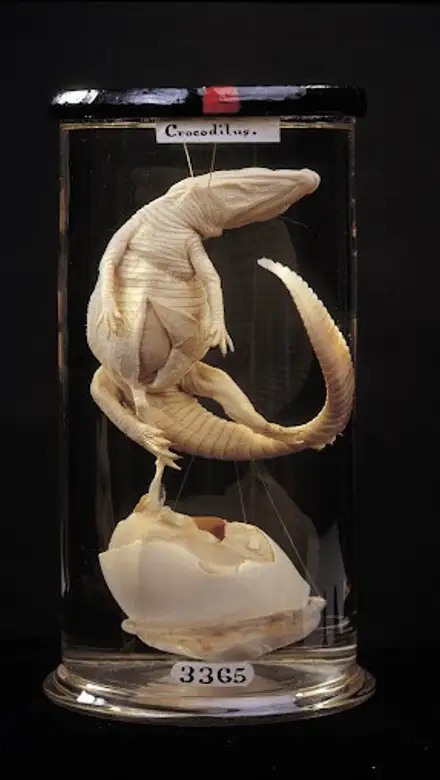
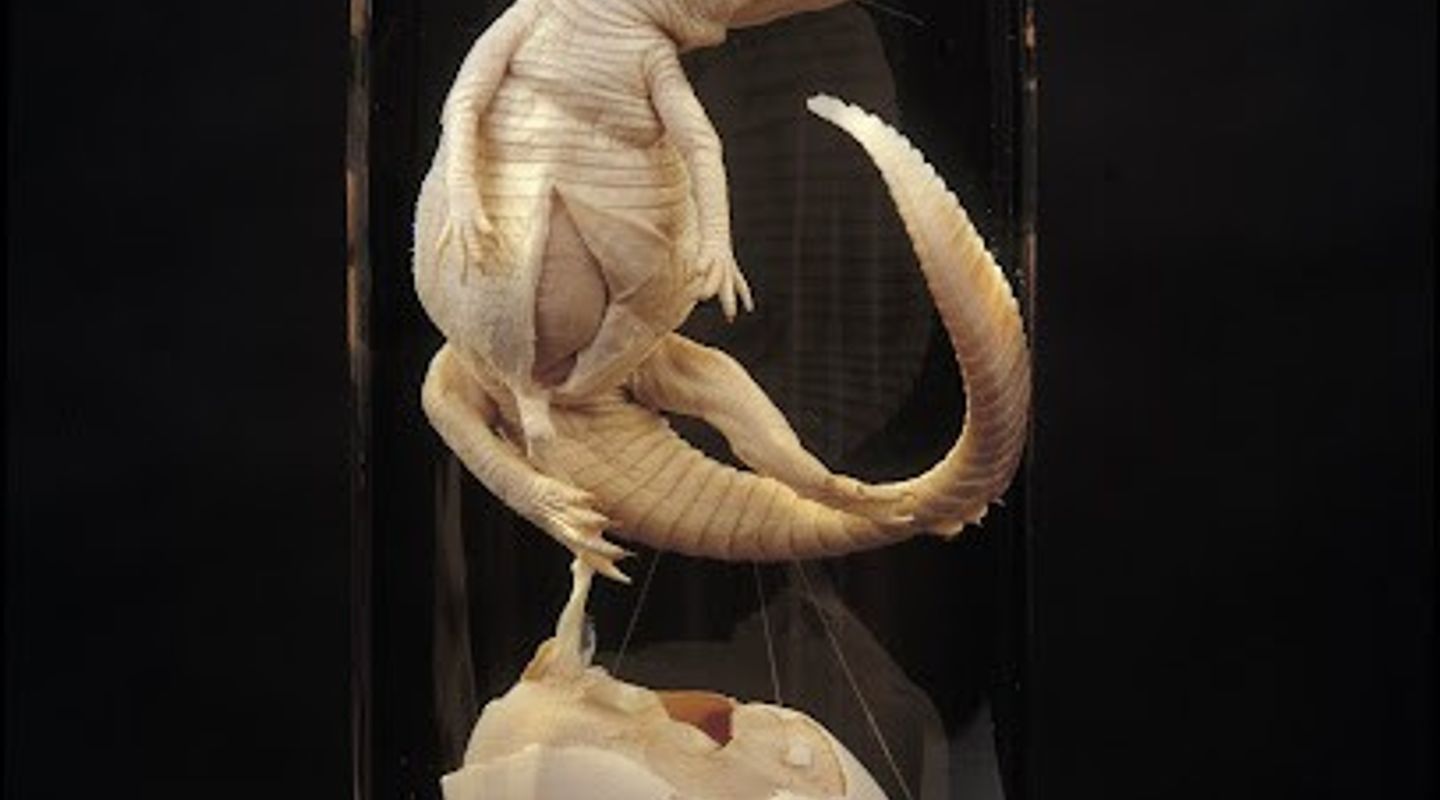
Inside the Royal College of Surgeons at Lincoln’s Inn Fields, the Hunterian Museum traces surgery from early practice to robot-assisted procedures through anatomy, pathology, and medical history. The setting is compact, quiet, and carefully interpreted, with more than 2,000 anatomical preparations on display. It suits visitors who want an intellectually demanding museum rather than a decorative one, and it is not for the squeamish.
On-site amenities
 Restrooms
 Lockers
 Seating areas
 Sheltered areas
 Trash bins
 Information boards
Opening hours
- MonClosed
- Tue10 am–5 pm
- Wed10 am–5 pm
- Thu10 am–5 pm
- Fri10 am–5 pm
- Sat10 am–5 pm
- SunClosed
Opening hours as listed on the venue’s Google Business Profile. Hours can change for services and special events, so check with the venue before you go.
- Address
- The Royal College of Surgeons of England 38, 43 Lincoln's Inn Fields, London WC2A 3PE
- Phone
- Website
Getting there
Tube
Rail
Bus
Taxi
Discover more about Hunterian Museum
What it is
The Hunterian Museum is a specialist museum of surgery, anatomy, pathology, and medical history inside the Royal College of Surgeons of England in central London. Named for the 18th-century surgeon John Hunter, it presents one of the city’s most unusual collections with a direct, unsentimental tone. The modern museum reopened in 2023 after redevelopment, but its core identity remains rooted in the original Hunter collections and the long history of British surgery.The displays are built around specimens, instruments, models, and interpretive panels that explain how surgical practice developed from early experimentation to modern techniques. More than 2,000 anatomical preparations are on view, and the wider collection is larger still. This is a museum for reading as much as looking: the experience depends on following the labels, absorbing the context, and moving carefully through material that is often frank about the body.
Atmosphere and setting
The museum feels contained and academic rather than theatrical. It is indoors, compact to medium in scale, and arranged with a clear sense of order. The atmosphere is quiet, reflective, and occasionally unsettling, especially where human remains or graphic medical material are involved. Visitors tend to speak softly and move at a measured pace. It is not a place for lingering crowds or noisy group activity.Its setting in Lincoln’s Inn Fields adds to the tone. The square is formal and central, surrounded by legal and institutional buildings rather than cafés or tourist clutter. That urban context matters: you arrive through one of London’s most established professional districts, then step into a museum that feels closely tied to scholarship, medicine, and the history of institutions.
What the visit is like
Most visits are self-guided, with occasional curator-led tours when available. A short visit can be done in under an hour, but the museum rewards a slower pace if you want to read the displays properly. The sequence usually unfolds as a historical progression: early surgery, anatomical study, pathology, and the move toward modern practice. That structure gives the museum a clear narrative, so even visitors without specialist knowledge can follow the development of the field.The practical experience is straightforward. You enter a central London museum, check bags if needed, and move through a series of galleries that are more educational than immersive. There is little in the way of spectacle, but the collection has a strong visual and intellectual pull. It is especially suited to travellers interested in medicine, science, and the less polished side of museum history.
Practical expectations
The museum is easy to reach by public transport, and that is the best way to visit. Tube stations in the area make it a simple stop from much of central London, and walking from nearby districts is realistic. Driving is inconvenient, with no on-site parking and only limited nearby options. The building has step-free access, accessible toilets, lockers, and seating, which makes the visit manageable for a broad range of travellers.Expect a visit that is compact, content-heavy, and occasionally confronting. It is not a long half-day attraction, but it fits well into a central London itinerary built around museums, legal London, or nearby institutions. The museum’s strength lies in its specificity: it does one thing, and it does it with unusual clarity.
Evendo Review Centre
 Google
Guest reviews
Best time to go
Quietest: Jan, Feb & Dec · before 11am or from 3pm
Busy times are Evendo estimates for a typical year, to help you plan. Actual crowds vary with events, school holidays and the weather.
Explore Hunterian Museum on the map
A handpicked selection of must-see spots near Hunterian Museum, mapped for you.
Get your free copy of our complete guide to Hunterian Museum, delivered straight to you.
Everything on this page, from opening hours and how to get there to Eve’s tips and the best time to go, in one PDF you can read offline, print or share.
Already have an account? Sign in
Your Hunterian Museum guide is ready.
We'll send it to · Not you? Sign out

Getting your guide ready…
We are putting together a fresh copy of the Hunterian Museum guide. This can take up to a minute.
This can take a few moments. If your browser asks, choose Allow so the download can start. You'll find the guide in your Downloads folder.
Nothing happened? Download it again
Sorry, the guide is taking longer than usual. Please try again in a minute, or get it by email instead.
Unlock the best of Hunterian Museum
Skip-the-line tickets, guided tours with entry, and walking tours of the area, booked in a few clicks.

Other nearby places you may find interesting
The closest places of the same kind, if this one is not quite what you had in mind.
-
-
-
-
-


Swipe for more places
More to explore near Hunterian Museum

 Best experiences near Hunterian Museum
 Best hotels near Hunterian Museum
 Best landmarks near Hunterian Museum
 Best attractions near Hunterian Museum
 Best shops near Hunterian Museum
 Best restaurants near Hunterian Museum
 Best bars near Hunterian Museum
Do you manage this location?
Take control to get all the benefits, like improved information, better appearance, and stronger visibility across AI-powered discovery.
Explore more

Explore more of London
Explore London: A city of iconic landmarks, rich history, vibrant culture, and endless attractions that cater to every taste, making it a must-visit destination.
Explore London
Explore more of United Kingdom
Discover the United Kingdom: A blend of rich history, stunning landscapes, and vibrant cities, offering a unique travel experience for every visitor.
Explore United Kingdom