

Regent St., London Travel Guide
A curved West End boulevard of listed façades, flagship shops and constant foot traffic, linking Oxford Circus, Piccadilly Circus and Soho.
Regent Street is one of central London’s best-known streets: a broad, curved West End boulevard lined with historic façades, flagship shops, cafés and constant foot traffic. It works less like a single attraction and more like a polished urban corridor, linking Oxford Circus, Piccadilly Circus and nearby Soho. Visitors come to walk, browse, photograph the architecture and move between the city’s busiest retail and theatre districts.
A brief summary to Regent St.
- London, GB
- Duration: 0.5 to 3.5 hours
- Mid ranged
-
 Outdoor
- Mobile reception: 5 out of 5

Know before you go
Hi, I'm Eve. Here are a few practical things to know before exploring Regent St..
- Use Regent Street as part of a wider West End walk; it is more rewarding when combined with Soho, Carnaby, Piccadilly or Oxford Circus.
- Expect the busiest conditions from late morning to late afternoon, especially on Fridays, weekends and in the Christmas shopping season.
- Public transport is the easiest way in; driving is awkward, parking is limited and the area is often congested.
- For photos, the street curve, seasonal lighting and long façades matter more than any single viewpoint.
Do you manage this location?
Take control to get all the benefits, like improved information, better appearance, and stronger visibility across AI-powered discovery. Learn more about listing your business on Evendo
Activate your presenceOther nearby places you may find interesting
The closest places of the same kind, if this one is not quite what you had in mind.
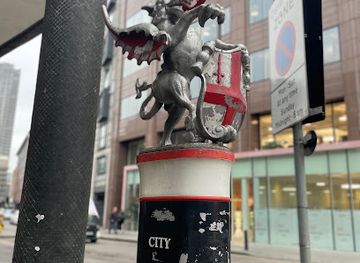
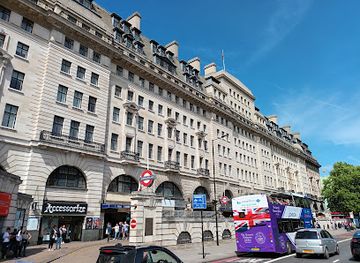
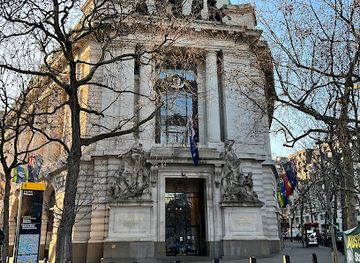
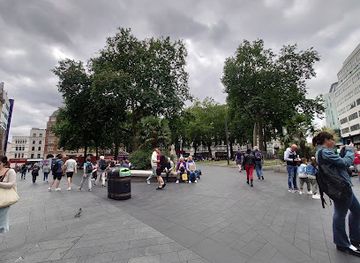

Explore Regent St. on the Map
A handpicked selection of must-see spots near Regent St., mapped for you.
Unlock the Best of Regent St.
Buy tickets
-
No tickets available
Book tours with entry


Getting There
-
Tube
The easiest approach is by Tube, with major nearby stations such as Oxford Circus, Piccadilly Circus and Tottenham Court Road, then a short walk into the street.
-
Bus
Frequent West End bus routes serve the corridor well and can be practical for short cross-city trips when the Tube is less direct.
-
Walking
If you are already in central London, walking from Soho, Carnaby, Piccadilly or Oxford Street is often quicker than changing lines.
-
Taxi
Taxis and private hire are useful for hotel transfers, but congestion around the West End can slow journeys and raise costs.
For the on-the-go comforts that matter to you
-
 Restrooms
-
 Drink Options
-
 Food Options
-
 Seating Areas
-
 Sheltered Areas
-
 Trash Bins
-
 Information Boards
-
 Visitor Center
Discover more about Regent St.
What it is
Regent Street is a major West End thoroughfare in Westminster, best understood as a shopping boulevard and urban landmark rather than a standalone sight. Laid out in the early 19th century under John Nash, it curves through central London with a continuous frontage of Grade II listed façades, flagship retail units and busy pedestrian crossings. The street’s scale is grand, but the experience is straightforward: you walk it, pause for shops or food, and use it as a connector between Oxford Circus, Piccadilly Circus and the surrounding theatre and shopping districts.Atmosphere and setting
The street feels polished, commercial and relentlessly urban. Traffic, pedestrians and retail displays create a steady flow rather than a place to linger quietly. Architecture is the main visual draw: the sweep of the road, the uniform frontage and the mix of historic fabric with modern shop interiors. Seasonal lighting and window displays can transform the mood, especially in late autumn and at Christmas, when the street becomes one of London’s most photographed retail corridors. In ordinary weather, it is bright, exposed and busy, with little shelter beyond shopfronts and indoor venues.What visitors actually do
Most visits are informal and flexible. You may spend 30 to 45 minutes on a quick walk-through, or several hours if you are shopping, meeting friends or stopping for a meal. The street is especially useful as part of a wider West End day: many travellers combine it with Soho, Carnaby, Piccadilly or Oxford Street. The rhythm is simple. You move at a steady pace, step into stores, cross side streets, and pause for coffee or lunch. It suits travellers who want a concentrated city-centre experience rather than a destination that demands a long stay.When it feels busiest
Regent Street is busiest from late morning through late afternoon, with the strongest crowds around lunch and the after-work shopping window. Fridays, weekends, school holidays and the Christmas season bring the heaviest footfall. Early mornings are calmer, and late evenings are usually less crowded, though the wider West End can still feel active. Rain pushes more people into shops and transport hubs, which can make the main walking corridor feel tighter even when the district as a whole is not at its peak.Practical expectations
This is a free, outdoor street experience with mid-range to premium spending potential. Walking is easy, but the area is not restful: it is exposed, busy and shaped by retail rather than green space. Public transport is the sensible way in, with nearby Tube stations and strong bus links. Facilities are mostly those of the surrounding district rather than the street itself, so restrooms, seating and shelter are usually found in stations, cafés and stores. Regent Street is best for travellers who want a classic central London streetscape with strong architecture, heavy retail energy and easy access to the rest of the West End.












Your all‑in‑one travel companion app
Explore expert travel guides, compare and book tours, experiences, hotels, and more—all from the palm of your hand. Download now for seamless trip planning wherever your wanderlust takes you.


Explore More of London
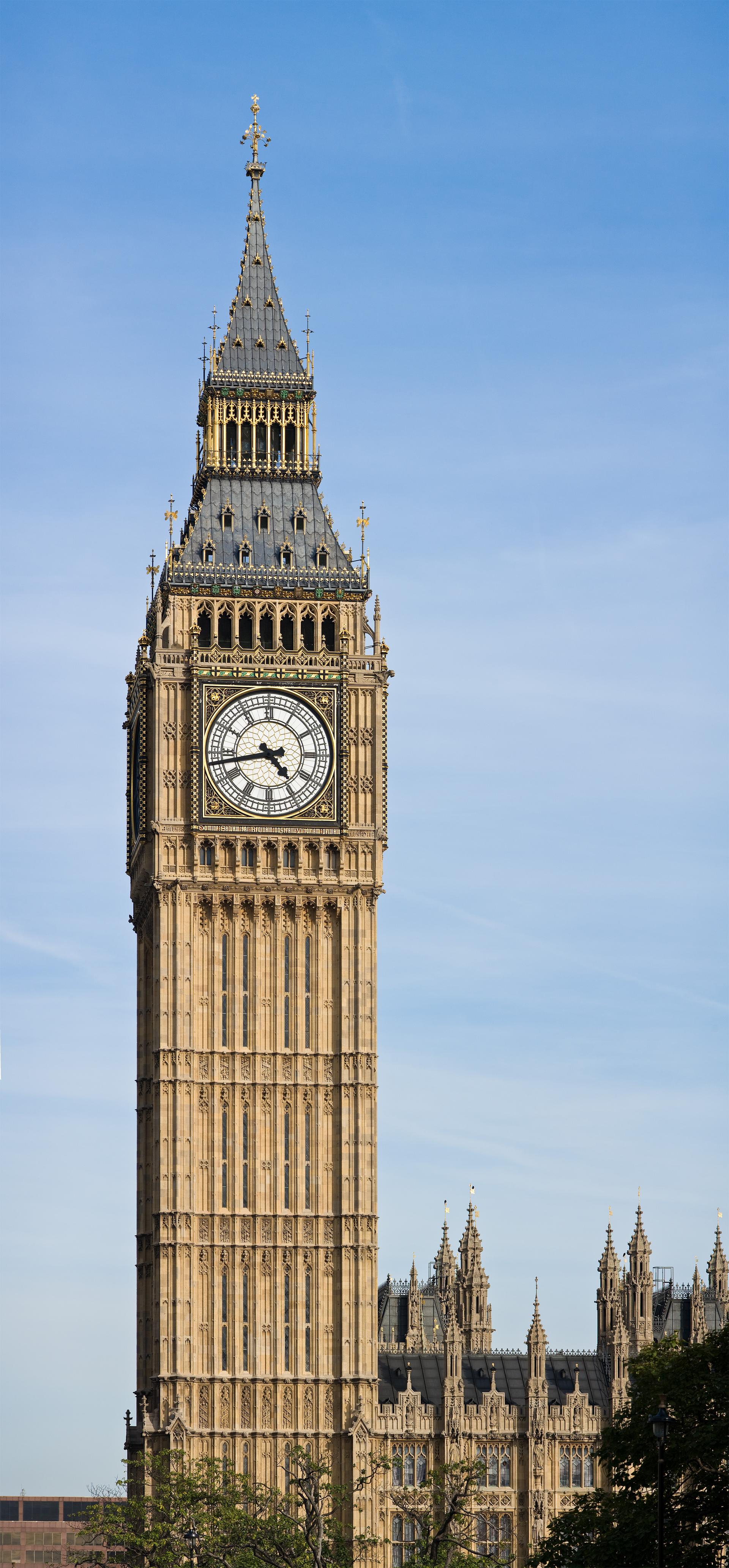
Looking beyond Regent St.? Discover London for broader travel guides, local hot-spots, and regional highlights.
Explore London
A long-running Mayfair gallery in a Georgian townhouse, showing contemporary and modern art in a quiet, polished setting off Hanover Square.
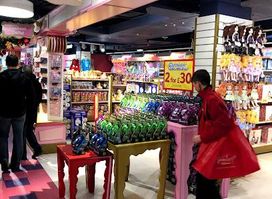
Discover the magic of Hamleys, London's iconic toy store, where imagination comes to life with seven floors of endless fun and excitement.
