
Seven Dials, London Travel Guide
A compact Covent Garden quarter where seven streets meet, blending late-Stuart planning, independent shops, cafés, and easy West End wandering.
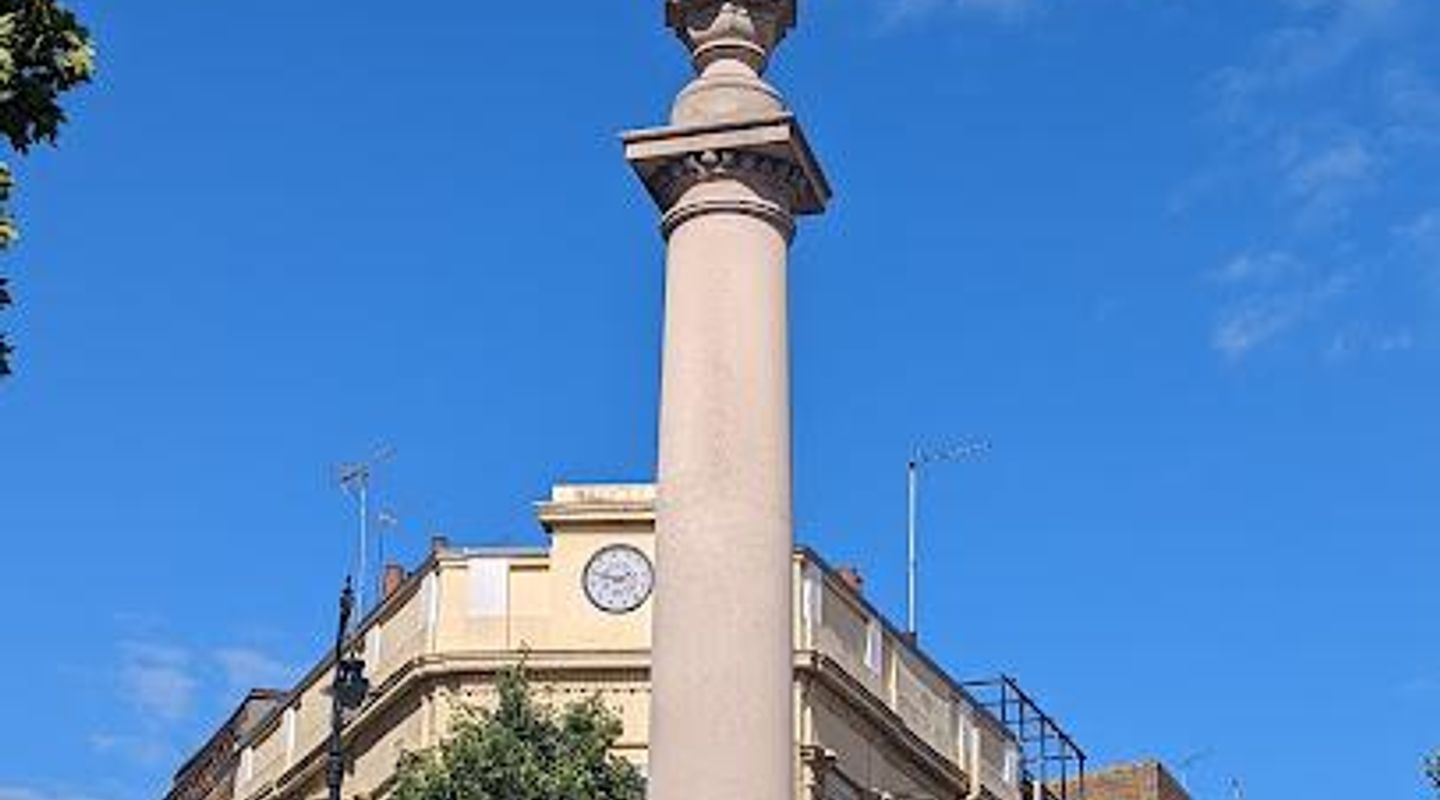
Seven Dials is a small but distinctive Covent Garden district where seven streets meet at a restored sundial monument. The star-shaped layout, laid out in the 1690s, gives the area an unusual sense of order inside central London’s usual bustle. Visitors come for short heritage walks, independent shops, cafés, and easy links to Soho, Covent Garden, and the West End.
A brief summary to Seven Dials
- London, GB
- Duration: 0.5 to 4 hours
- Mid ranged
-
 Outdoor
- Mobile reception: 5 out of 5

Know before you go
Hi, I'm Eve. Here are a few practical things to know before exploring Seven Dials.
- Use Seven Dials as a walking link between Covent Garden, Soho, and the theatre district rather than as a destination that needs a long visit.
- The junction is most photogenic when foot traffic is lighter, usually earlier in the day before lunch crowds build.
- Expect to spend more if you stop for food or shopping; the area sits in a premium central-London zone.
Do you manage this location?
Take control to get all the benefits, like improved information, better appearance, and stronger visibility across AI-powered discovery. Learn more about listing your business on Evendo
Activate your presenceOther nearby places you may find interesting
The closest places of the same kind, if this one is not quite what you had in mind.
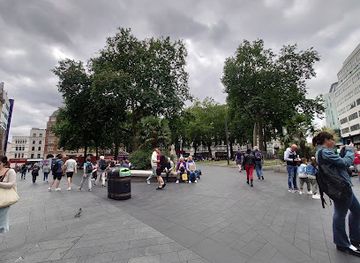

Explore Seven Dials on the Map
A handpicked selection of must-see spots near Seven Dials, mapped for you.
Unlock the Best of Seven Dials
Buy tickets
-
No tickets available
Book tours with entry


Getting There
-
Tube
The most practical approach is by Underground from nearby central stations such as Covent Garden, Leicester Square, Holborn, Tottenham Court Road, or Charing Cross, then a short walk.
-
Walking
Walking in from Covent Garden, Soho, or the West End is the simplest option and suits the area’s compact scale.
-
Taxi or rideshare
Useful for door-to-door access, especially in the evening or for visitors with mobility limits, though central-London traffic can slow the trip.
-
Bus
Buses are better for reaching the wider West End than the junction itself; expect to finish on foot from a nearby stop.
For the on-the-go comforts that matter to you
-
 Restrooms
-
 Drink Options
-
 Food Options
-
 Seating Areas
-
 Sheltered Areas
-
 Trash Bins
-
 Information Boards
Discover more about Seven Dials
What it is
Seven Dials is not a single attraction so much as a tight urban quarter built around one of London’s most unusual street plans. Seven roads radiate from a central monument in a pattern that dates to the early 1690s, when the area was planned as a fashionable development. The current sundial pillar is a reconstruction, but the geometry remains the point: a compact, walkable knot of streets with a strong sense of place.What it feels like on the ground
The area is fully urban and mostly street-level, with narrow lanes, shopfronts, cafés, and pubs packed close together. It feels busier and more intimate than the larger Covent Garden piazza nearby. The best way to experience it is slowly: circle the junction, look up at the façades, then drift into the side streets for independent retail, lunch, or a drink. The atmosphere changes through the day, from a quieter morning start to a steady flow of shoppers, office workers, and theatre-bound visitors later on.Why travellers come
People visit Seven Dials for a short, flexible stop rather than a fixed itinerary. It works well for photography, browsing, and a meal between larger West End plans. The unusual street pattern gives it a clear identity, while the surrounding mix of heritage buildings and modern retail keeps it practical rather than museum-like. It also serves as a useful connector between Covent Garden, Soho, Tottenham Court Road, and the theatre district, so many visitors pass through as part of a wider walk.History and character
Seven Dials was laid out by Thomas Neale and originally centred on a sundial pillar designed by Edward Pierce. Over time it declined into a poor district, then was reshaped by later road changes, including the arrival of Shaftesbury Avenue. Conservation work and public-realm improvements have helped preserve its character. That history is still legible in the street pattern and the compact scale, even though the area now functions as a busy central-London shopping and dining quarter.Practical expectations
This is an easy place to visit on foot from nearby Tube stations and surrounding West End streets. It is best treated as a short urban walk or a half-day add-on rather than a standalone destination. Crowds build from late morning through the afternoon, with another rise in the early evening. Rain, cold, and wind reduce comfort because the core experience is outdoors, but they do not stop a visit; they simply push more people into cafés and shops. Expect a dense, walkable district with limited open space, strong street-level activity, and plenty of reasons to pause without needing a strict route.












Your all‑in‑one travel companion app
Explore expert travel guides, compare and book tours, experiences, hotels, and more—all from the palm of your hand. Download now for seamless trip planning wherever your wanderlust takes you.


Explore More of London
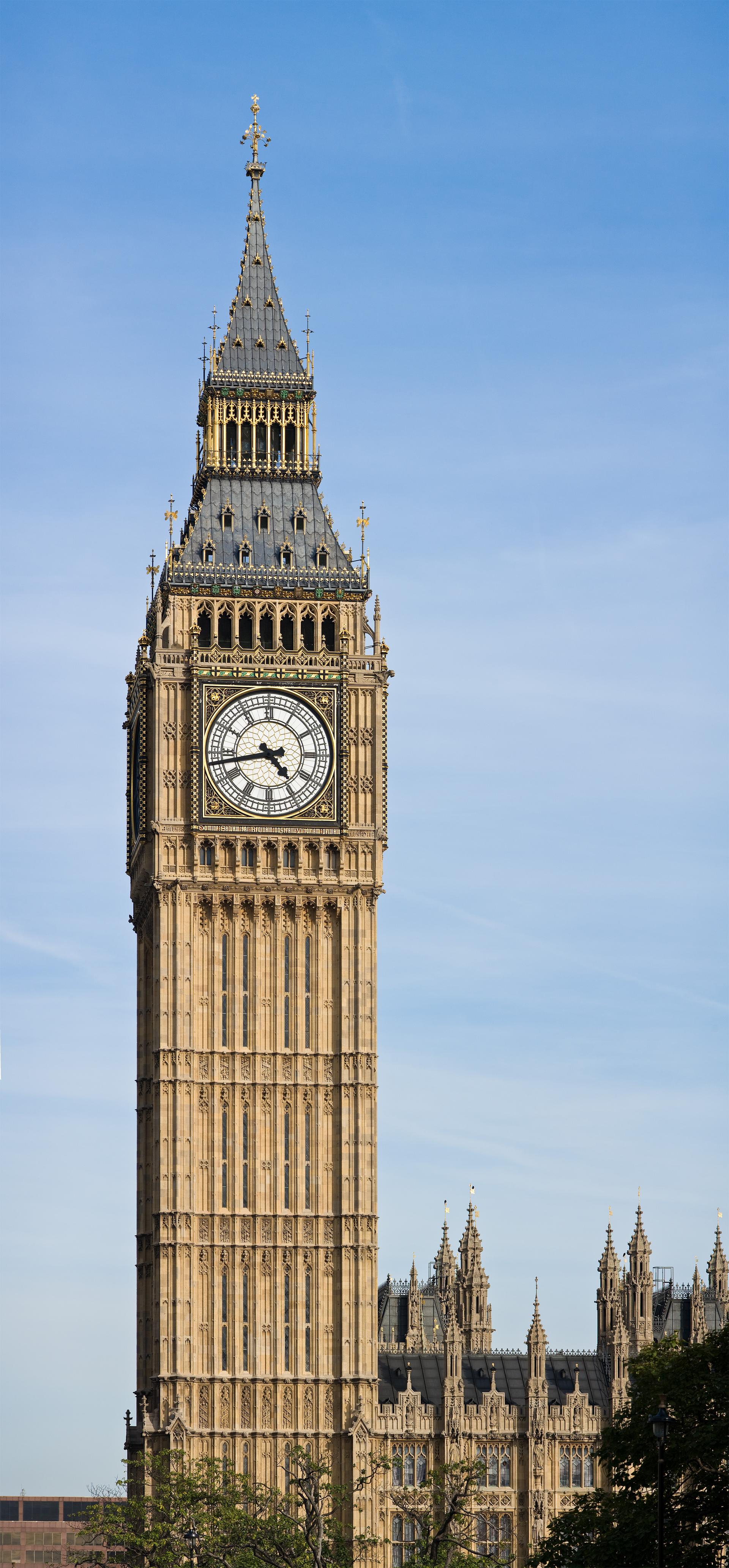
Looking beyond Seven Dials? Discover London for broader travel guides, local hot-spots, and regional highlights.
Explore London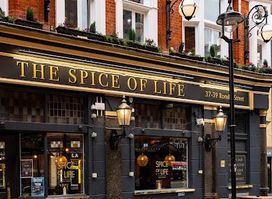
Historic Soho pub and live music venue blending tradition, vibrant culture, and boutique lodging in the heart of London.
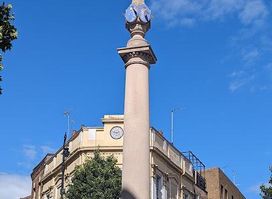
Explore Seven Dials, a historic and vibrant area in London filled with unique shops, charming cafes, and cultural experiences that embody the city's spirit.
