
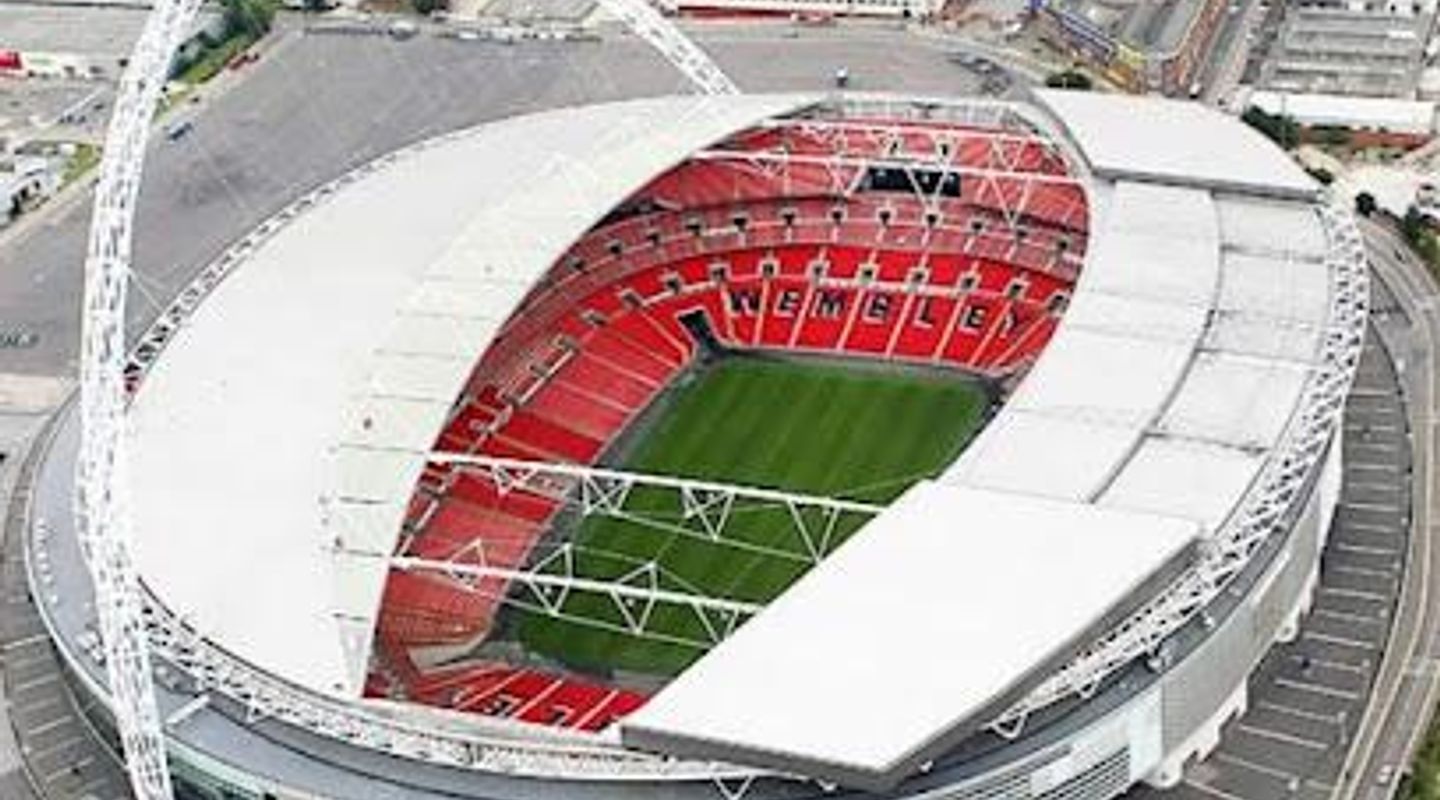
Wembley Stadium, London Travel Guide
Britain’s national football stadium in northwest London, known for its vast modern bowl, iconic arch, and packed event-day atmosphere.
Wembley Stadium is Britain’s national football ground and one of London’s biggest live-event venues, defined by its vast bowl and steel arch. Visitors come for match days, concerts, or a structured stadium tour that moves through key interior spaces rather than free-roaming. The setting is urban and event-driven, with heavy crowds, strong transport links, and a distinctly modern feel.
A brief summary to Wembley Stadium
- Wembley, HA9 0WS, GB
- Click to display
- Click to display
- Duration: 1 to 6 hours
- Mid ranged
-
 Outdoor
- Mobile reception: 4 out of 5

Know before you go
Hi, I'm Eve. Here are a few practical things to know before exploring Wembley Stadium.
- Use public transport if possible; rail and Underground links are the most practical way to reach the stadium, especially on event days.
- If you are visiting for a tour, travel light. Large bags and suitcases are not accepted on the tour route.
- Check accessibility details before you go, as step-free routes can be affected by station works and event-day crowd controls.
Do you manage this location?
Take control to get all the benefits, like improved information, better appearance, and stronger visibility across AI-powered discovery. Learn more about listing your business on Evendo
Activate your presenceOther nearby places you may find interesting
The closest places of the same kind, if this one is not quite what you had in mind.



Explore Wembley Stadium on the Map
A handpicked selection of must-see spots near Wembley Stadium, mapped for you.
Unlock the Best of Wembley Stadium
Buy tickets
-
No tickets available
Book tours with entry


Book tours without entry
-
No tours available
Getting There
-
Train / Underground
The most practical approach from central London is by rail or Underground, usually taking about 20 to 40 minutes depending on your starting point and service.
-
Coach
Long-distance coach travel is possible for some visitors, but it is slower and less flexible than rail, especially when events create heavy local traffic.
-
Taxi / rideshare
A taxi or rideshare can work for off-peak visits, but event-day drop-offs are constrained and road access can be slow.
-
Driving
Driving is not the easiest option; parking is limited and should be treated as an advance-planned choice rather than a casual arrival method.
For the on-the-go comforts that matter to you
-
 Restrooms
-
 Drink Options
-
 Food Options
-
 Seating Areas
-
 Sheltered Areas
-
 Trash Bins
-
 Information Boards
Discover more about Wembley Stadium
What it is
Wembley Stadium is the national stadium of English football and a major London venue for concerts, finals, and large-scale events. In travel terms, it works as both a landmark and a ticketed attraction: some visitors come for a match or show, while others book a stadium tour to see the interior, pitchside areas, and behind-the-scenes spaces. The current building is a modern replacement for the old Wembley, but it carries the same national significance in football culture and mass entertainment.Atmosphere and setting
The stadium sits in Wembley, northwest London, in a dense, transport-oriented district rather than a scenic quarter. Its scale is the first thing you notice: a huge bowl of steel and concrete, with the arch acting as the defining visual marker. Around it are concourses, approach routes, and event infrastructure rather than gardens or quiet streets. On non-event days, the area can feel surprisingly orderly and functional. On match or concert days, it becomes loud, tightly managed, and crowded, with queues, security checks, food counters, and a steady flow of people arriving and leaving in waves.How a visit unfolds
A stadium tour is the most controlled way to experience Wembley. You move along a set route with a guide and multimedia support, so the visit feels structured and time-bound rather than open-ended. The appeal is in scale and access: standing inside a venue usually seen only on television, looking across the seating tiers, and moving through spaces tied to major sporting and music events. Event visits are different. They are shaped by ticketing, bag checks, concourse movement, and the rhythm of the crowd before and after the main event. Food and drink are available, but the experience is more about logistics and atmosphere than lingering.Practical expectations
Wembley is best for travellers who want a major London sports landmark, not a quiet sightseeing stop. Public transport is the sensible way in, and the venue is designed around rail and Underground access. Driving is possible but awkward on event days, when road closures and limited parking make arrivals slower. The stadium is cashless, and large bags are restricted on tours. Accessibility is generally good, though step-free planning should be checked in advance because station and route conditions can change. Expect a visit that is polished, busy, and highly event-led, with the stadium’s identity shaped as much by crowd movement as by architecture.












Your all‑in‑one travel companion app
Explore expert travel guides, compare and book tours, experiences, hotels, and more—all from the palm of your hand. Download now for seamless trip planning wherever your wanderlust takes you.


Explore More of London
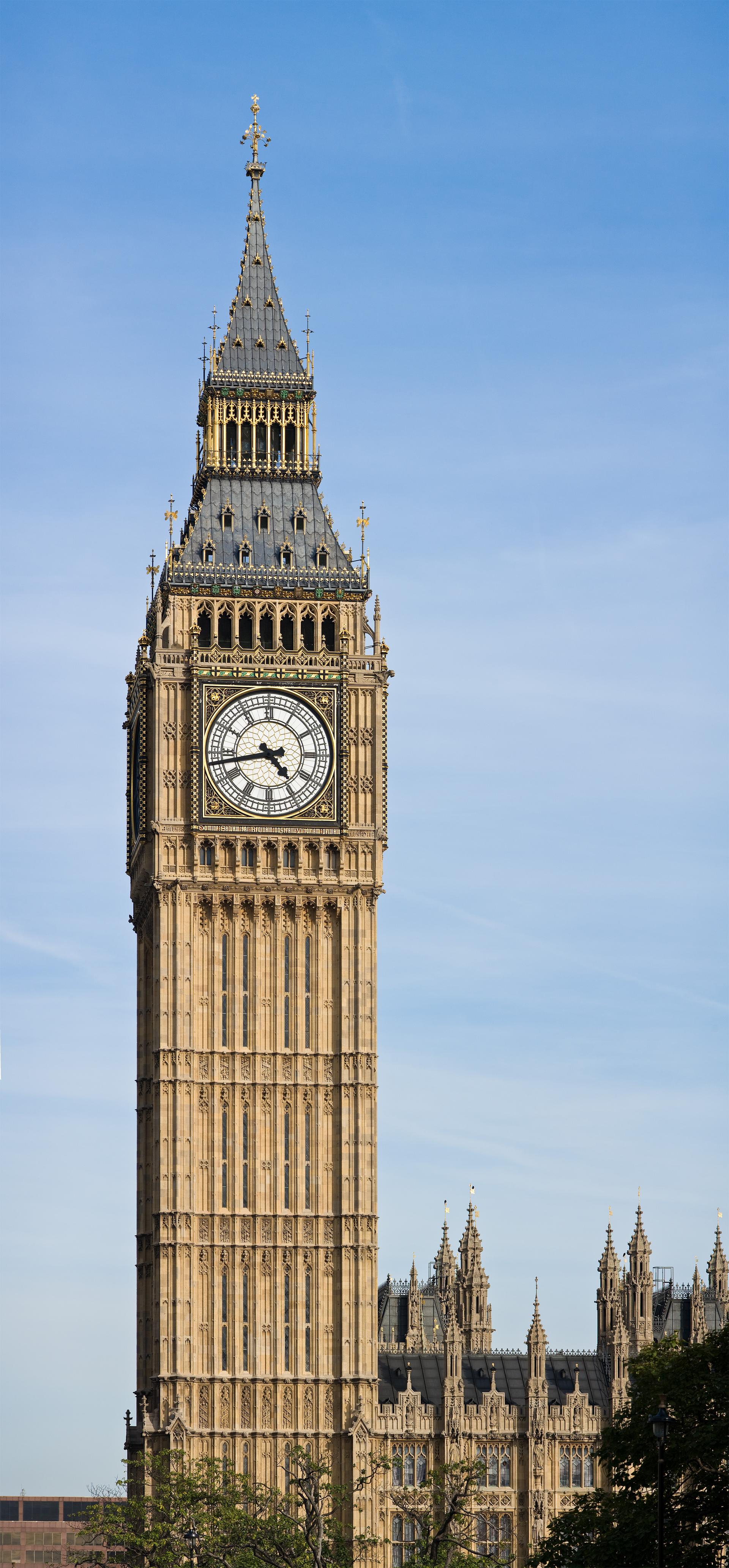
Looking beyond Wembley Stadium? Discover London for broader travel guides, local hot-spots, and regional highlights.
Explore London
A small independent gallery on Ealing Broadway, offering a quiet, street-level art stop within easy reach of west London transport and shops.

Discover Wembley through personalized tours with Best For You In Europe Ltd., showcasing its iconic landmarks and hidden treasures.
