Wigmore Hall, London Travel Guide
Historic Wigmore Hall in Marylebone pairs intimate chamber music, refined acoustics, and a compact recital-room atmosphere in central London.
Wigmore Hall is a compact, historic concert hall in Marylebone, built for intimate chamber music and song rather than large-scale spectacle. Visitors come for the acoustics, the early-20th-century interior, and the disciplined hush of a live recital. Expect a focused evening: arrive, check coats, take your seat, listen closely, then linger briefly in the foyer, bar, or restaurant before heading back into central London.
A brief summary to Wigmore Hall
- 36 Wigmore St, London, W1U 2BP, GB
- Click to display
- Click to display
- Duration: 1 to 4 hours
- Mid ranged
-
 Indoor
- Mobile reception: 4 out of 5

Know before you go
Hi, I'm Eve. Here are a few practical things to know before exploring Wigmore Hall.
- Book around the performance you want; this is an event venue, so there is little point arriving without a concert in mind.
- Use public transport if possible. Central London traffic and limited parking make driving a poor choice for most evening visits.
- If you need step-free access, check the auditorium route in advance; the balcony is not served by the lift.
- Allow time for the cloakroom and foyer before the performance, especially for popular recitals when arrivals bunch together.
Do you manage this location?
Take control to get all the benefits, like improved information, better appearance, and stronger visibility across AI-powered discovery. Learn more about listing your business on Evendo
Activate your presenceOther nearby places you may find interesting
The closest places of the same kind, if this one is not quite what you had in mind.



Explore Wigmore Hall on the Map
A handpicked selection of must-see spots near Wigmore Hall, mapped for you.
Getting There
-
Underground
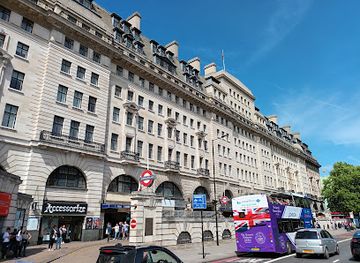
Bond Street is the most practical nearby Tube stop; Oxford Circus and Marble Arch are also workable depending on your route.
-
Walking
If you are already in Marylebone, Mayfair, or the Oxford Street area, walking is often the simplest way to arrive.
-
Taxi / rideshare
Useful for evening performances and post-concert departures, especially when you want to avoid late-night Tube changes.
-
Driving
Possible but generally inconvenient because of congestion, parking limits, and central London traffic conditions.
For the on-the-go comforts that matter to you
-
 Restrooms
-
 Drink Options
-
 Food Options
-
 Seating Areas
-
 Information Boards
Discover more about Wigmore Hall
What it is
Wigmore Hall is one of London’s best-known recital venues, a specialist concert hall rather than a general sightseeing stop. Built in 1901 for the Bechstein piano company and designed by Thomas Collcutt, it was created to present chamber music, song, and small-scale performances in a room where detail matters. More than a century later, that purpose still defines the place. The hall’s reputation rests on its acoustics, its compact auditorium, and a programming tradition that leans toward classical music, early music, and vocal recitals.Atmosphere and setting
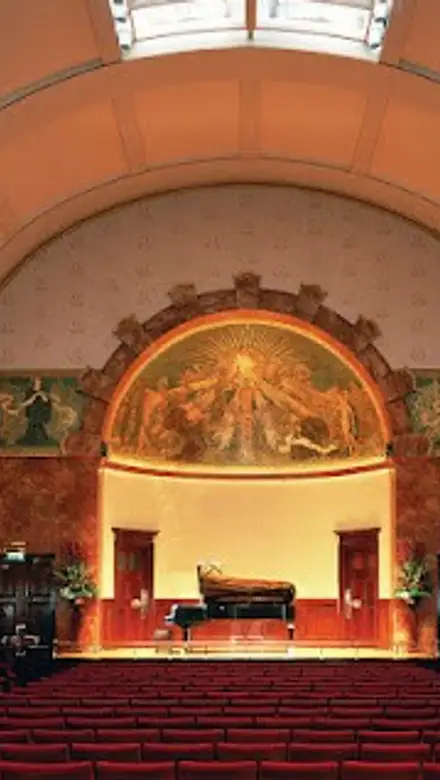
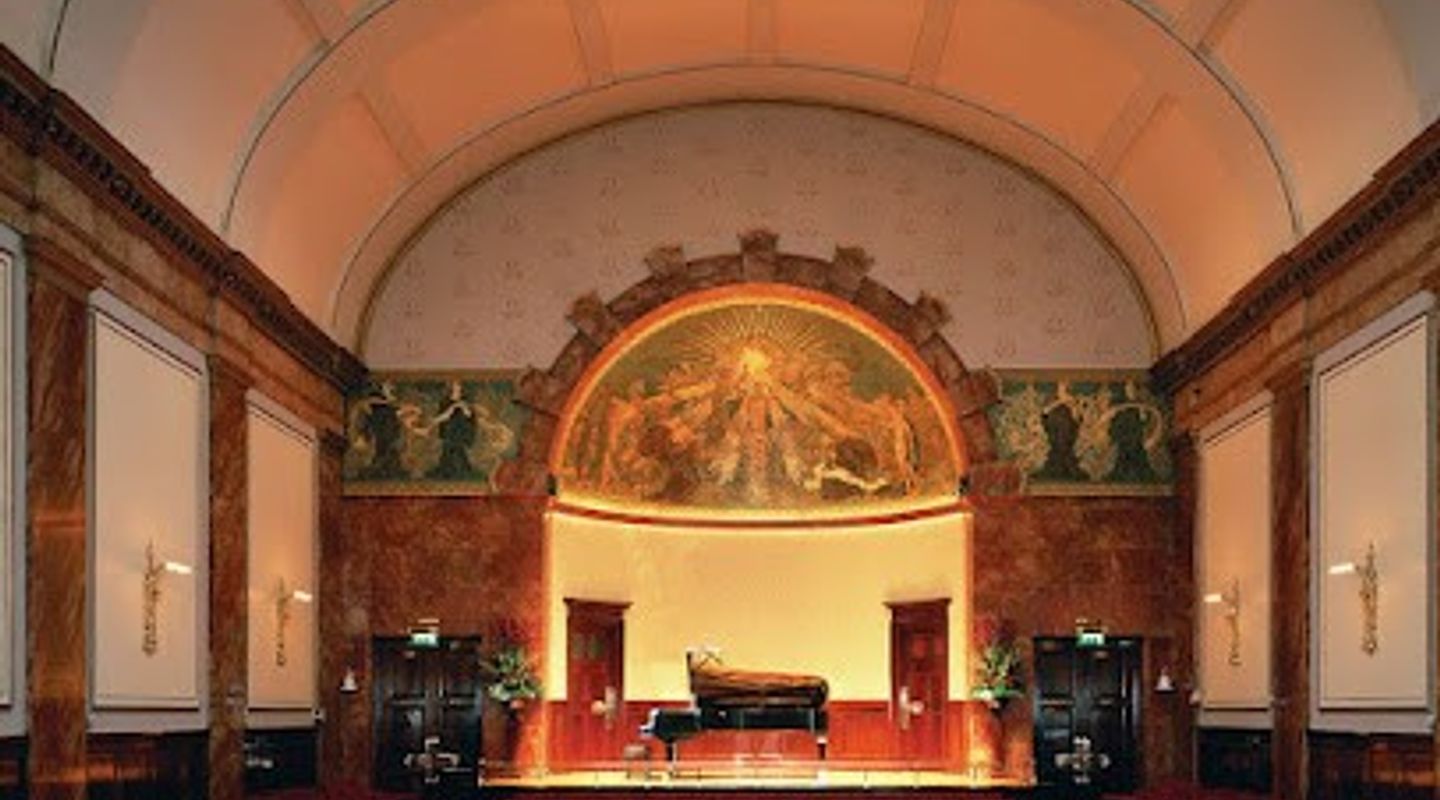
The hall sits on Wigmore Street in Marylebone, surrounded by offices, shops, hotels, and the steady traffic of central London. Inside, the mood changes sharply: the building feels formal but not stiff, with a quiet concentration that begins in the foyer and deepens once the audience is seated. The interior is the main visual draw, with historic detailing, decorative surfaces, and a traditional concert-hall layout that keeps performers close to the audience. This is not a place for wandering or open-ended browsing; it is a place for listening.How a visit unfolds
Most visits are event-based. You arrive shortly before the performance, use the cloakroom if needed, and move through a compact set of public spaces before taking your seat. The auditorium is small enough that even a modest crowd feels present without becoming noisy. During the concert, movement is limited and attention is fixed on the stage. If there is an interval, the foyer, bar, or restaurant becomes the main social space, but the tone remains restrained. After the performance, visitors usually leave promptly or stay only long enough for a drink or a short meal. The experience is structured, polished, and built around the performance itself.Why travellers go
People come here for a specific kind of cultural experience: close-up classical performance in a venue with a long London pedigree. It suits solo visitors, couples, older travellers, and anyone who prefers music in a room designed for listening rather than spectacle. The hall also appeals to travellers interested in London’s heritage arts scene, since it has remained closely associated with chamber music for over 120 years and continues to host concerts, learning activity, and special events. It is less useful as a casual drop-in attraction, and much of its appeal depends on attending a scheduled performance.Practical expectations
Wigmore Hall is indoors, centrally located, and straightforward to reach by public transport. Bond Street is the most practical Tube reference point, with other central stations also workable depending on where you are coming from. There is no on-site parking, and driving is usually inconvenient in this part of London. Accessibility is relatively good for an older venue: step-free access is available into the auditorium from Wigmore Street, and a lift serves the lower ground floor, though the balcony is not lift-accessible. Facilities include toilets, a cloakroom, a restaurant, and a bar. The hall is best treated as an evening cultural outing rather than a quick tourist stop.












Your all‑in‑one travel companion app
Explore expert travel guides, compare and book tours, experiences, hotels, and more—all from the palm of your hand. Download now for seamless trip planning wherever your wanderlust takes you.


Explore More of London

Looking beyond Wigmore Hall? Discover London for broader travel guides, local hot-spots, and regional highlights.
Explore London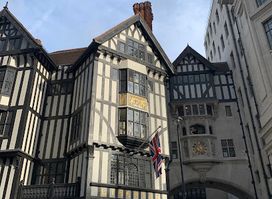
Discover Liberty’s Clock, a charming emblem on London’s iconic Tudor revival department store blending historic craftsmanship with vibrant design heritage.

A central London Disney retail stop on Oxford Street, where themed merchandise, family browsing, and West End shopping traffic meet indoors.