Wildside, London Travel Guide
A large urban wetland in Barnes with hides, reedbeds, flat paths, and steady birdlife, offering a calm conservation visit close to central London.
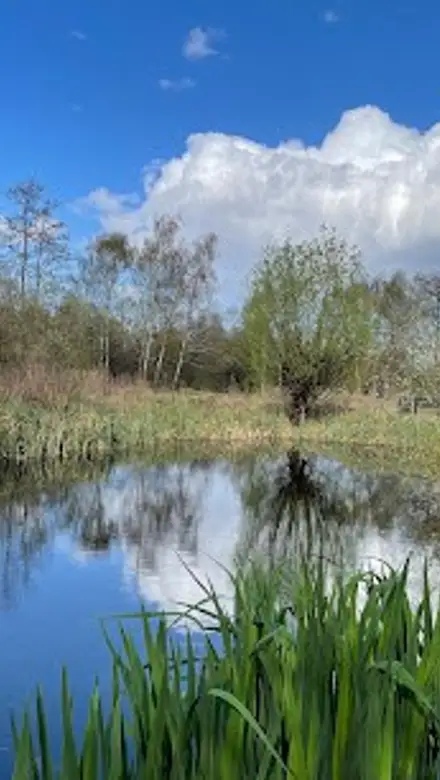
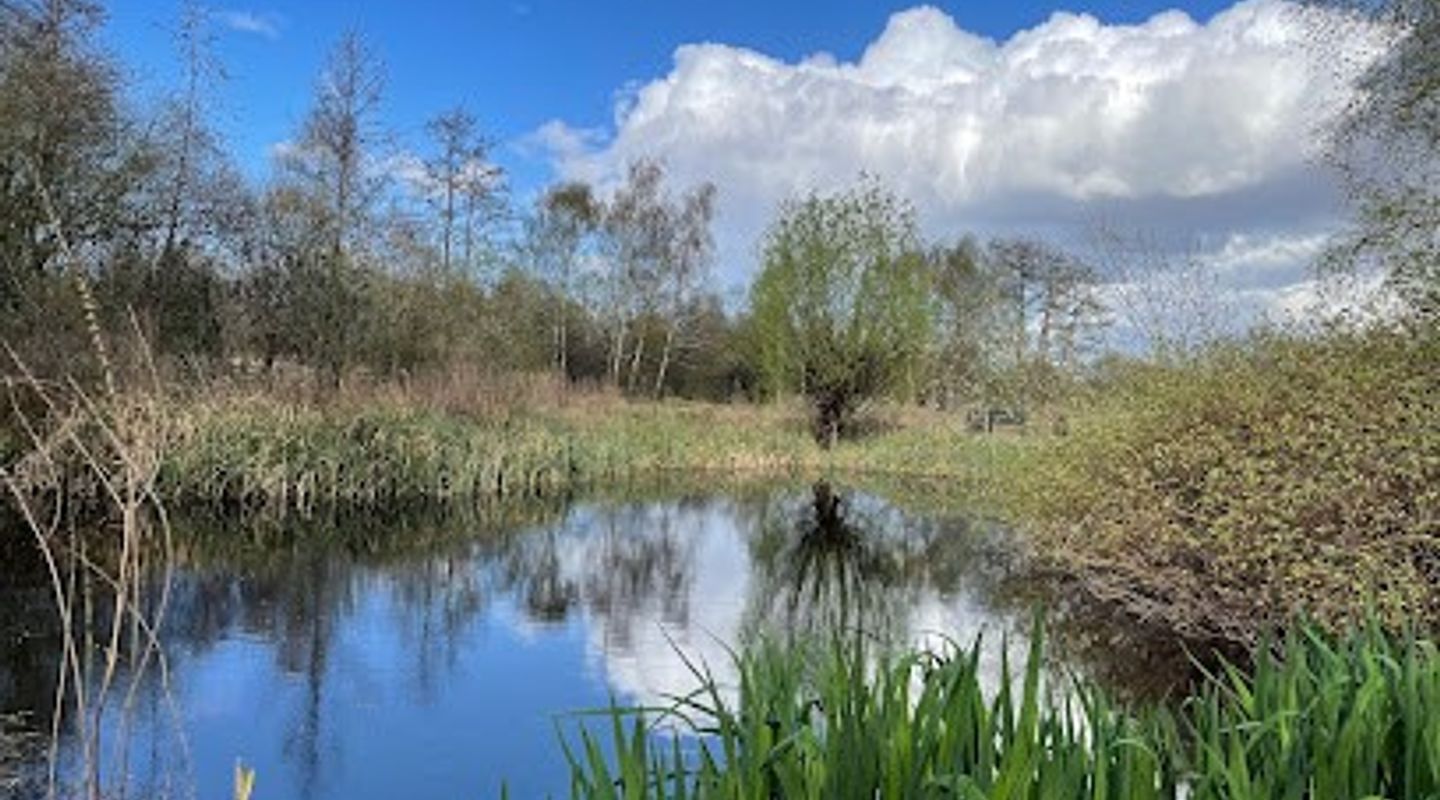
Wildside is the map name for WWT London Wetland Centre in Barnes, a broad urban wetland of lakes, reedbeds, hides, and flat paths. It feels calm and enclosed despite its London setting, with birdwatching, photography, and slow walking at the centre of the visit. Expect a conservation site rather than a park: part wildlife refuge, part education centre, part easy half-day escape.
A brief summary to Wildside
- WWT London Wetland Centre, Queen Elizabeth Walk, London, SW13 8AB, GB
- Duration: 1.5 to 4 hours
- Mid ranged
-
 Outdoor
- Mobile reception: 4 out of 5

Know before you go
Hi, I'm Eve. Here are a few practical things to know before exploring Wildside.
- Bring binoculars if you have them; the best sightings often happen from hides and open water edges rather than right beside the path.
- Allow extra time for the café and visitor centre, since many visits naturally stretch into a slow half-day rather than a quick stop.
- Check your transport route in advance if using buses or driving, as local road and bridge conditions can affect the easiest approach.
Do you manage this location?
Take control to get all the benefits, like improved information, better appearance, and stronger visibility across AI-powered discovery. Learn more about listing your business on Evendo
Activate your presenceOther nearby places you may find interesting
The closest places of the same kind, if this one is not quite what you had in mind.

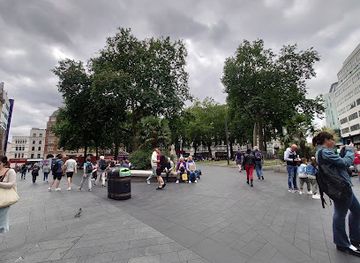

Explore Wildside on the Map
A handpicked selection of must-see spots near Wildside, mapped for you.
Getting There
-
Train
Barnes and Barnes Bridge are the closest rail stations, each roughly a 20-minute walk away, making rail a practical option from central London.
-
Tube and bus
Hammersmith or Putney Bridge can work as interchange points, with bus connections and a longer walk depending on your chosen route.
-
Taxi or rideshare
A taxi from Barnes or Barnes Bridge is a straightforward last-mile option, especially if you are travelling with children or carrying gear.
-
Cycle or walk
Cycling is realistic via Cycle Route 4, and walking from Barnes or the Thames path is practical if you are already nearby.
For the on-the-go comforts that matter to you
-
 Restrooms
-
 Food Options
-
 Seating Areas
-
 Sheltered Areas
-
 Trash Bins
-
 Information Boards
-
 Visitor Center
Discover more about Wildside
What it is
Wildside is the informal map label for WWT London Wetland Centre, a managed wetland reserve in Barnes, southwest London. It is not a conventional park or museum. The place is built around conservation, bird habitat, and visitor access, with lakes, reedbeds, ponds, meadows, hides, and a visitor centre forming the core of the experience. Its significance lies in bringing a substantial wetland landscape into the city, where wildlife watching and environmental education sit side by side.What the visit feels like
The atmosphere is quiet, measured, and restorative. You move along mostly flat paths, pausing at hides and open viewpoints rather than covering long distances. The reserve is large enough to feel spacious, but the experience is modular: you drift from water’s edge to reedbed to sheltered viewing point, then back to the café or visitor centre. The soundscape is usually birdsong, wind in the reeds, and the low movement of waterfowl rather than traffic or crowds. On good days, the site feels surprisingly removed from the city; on colder or wetter days, it becomes a more serious birdwatching stop with fewer casual visitors.Why people come
Travellers come here for wildlife watching, photography, and an easy nature visit that does not require a hike or a full day. Birdwatchers are the most obvious audience, but families also use the reserve for pond-dipping activities, talks, and relaxed exploration. Couples and solo visitors tend to linger at hides and benches, while older visitors often appreciate the level paths and the ability to move at an unhurried pace. It works well as a half-day outing, especially if you want a break from central London without leaving the city entirely.Setting, access, and practical expectations
The reserve sits on the Thames-side edge of Barnes and is reachable by rail, tube-plus-bus combinations, walking, cycling, or taxi. Barnes and Barnes Bridge are the closest stations, with Hammersmith and Putney Bridge also workable depending on your route. Paths are mostly flat and the core visitor areas are relatively accessible, though some approaches are longer than they first appear. Facilities include toilets, a café, seating, sheltered indoor space, interpretation boards, and cycle parking. Expect to spend 1.5 to 4 hours unless you are staying for a special event or a long birding session. This is a ticketed conservation site, so the value is in the habitat, the viewing points, and the chance to slow down rather than in spectacle or high-energy activity.












Your all‑in‑one travel companion app
Explore expert travel guides, compare and book tours, experiences, hotels, and more—all from the palm of your hand. Download now for seamless trip planning wherever your wanderlust takes you.


Explore More of London
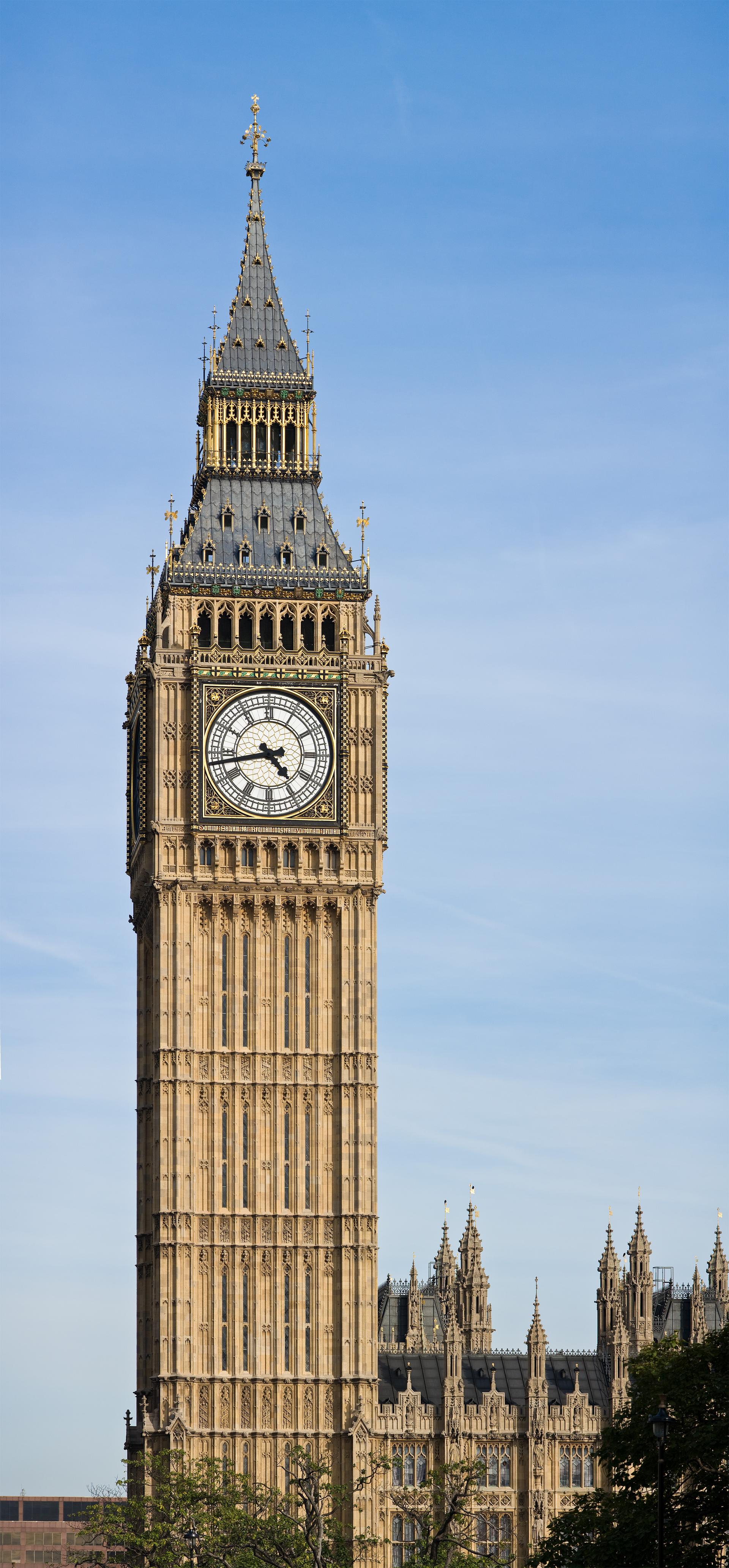
Looking beyond Wildside? Discover London for broader travel guides, local hot-spots, and regional highlights.
Explore London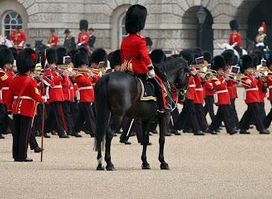
Discover the best of London with Premium Tours, offering diverse sightseeing experiences and knowledgeable guides to enhance your journey.
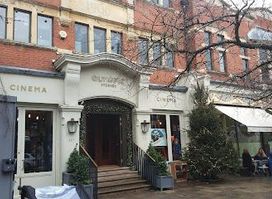
An elegant Barnes cinema and dining venue built on the legacy of Olympic Sound Studios, where filmgoing meets British music history.