
Bloomsbury Square Garden: London's Historic Urban Oasis
Discover Bloomsbury Square Garden, London's serene historic square blending 17th-century heritage with tranquil green space in the heart of Bloomsbury.
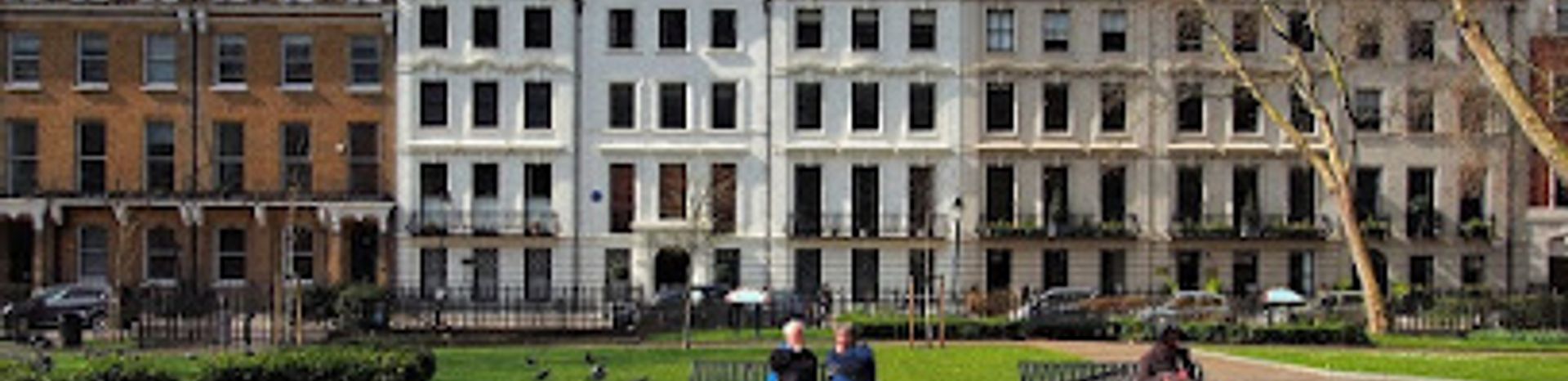
Bloomsbury Square Garden, located in central London, is one of the city's earliest and most historic garden squares. Established in the 1660s as Southampton Square, it offers a tranquil green space surrounded by elegant 18th- and 19th-century architecture. The garden features mature trees, a central statue of Charles James Fox, and a peaceful atmosphere amid the bustling Bloomsbury district.
A brief summary to Bloomsbury Square Garden
- 14 Bloomsbury Square, London, WC1A 2RJ, GB
- +442079744444
- Visit website
- Duration: 0.5 to 2 hours
- Free
-
 Outdoor
- Mobile reception: 5 out of 5
- Monday 8 am-8 pm
- Tuesday 8 am-8 pm
- Wednesday 8 am-8 pm
- Thursday 8 am-8 pm
- Friday 8 am-8 pm
- Saturday 8 am-8 pm
- Sunday 8 am-8 pm
Local tips
- Visit early in the morning or late afternoon for a peaceful experience with softer natural light ideal for photography.
- Take time to appreciate the bronze statue of Charles James Fox at the garden’s center, a tribute to an influential British statesman.
- Explore the surrounding streets to see elegant Georgian and early Victorian architecture that frames the square.
- Bring a book or picnic to enjoy on one of the garden’s benches or grassy areas during warmer months.

For the on-the-go comforts that matter to you
- Restrooms
- Seating Areas
- Trash Bins
- Information Boards
Getting There
-
London Underground
Take the Central or Piccadilly Line to Holborn Station, approximately a 7-10 minute walk to Bloomsbury Square Garden. The station is well-served with frequent trains, and walking routes are mostly flat and accessible.
-
Bus
Several London bus routes stop near Bloomsbury Square, including routes 8, 19, and 25. Bus travel times vary between 15-25 minutes from central London locations. Buses are accessible but can be affected by traffic congestion during peak hours.
-
Taxi or Rideshare
A taxi or rideshare from central London takes about 10-20 minutes depending on traffic. Be aware that parking near Bloomsbury Square is limited and often restricted, so drop-off is recommended.
-
Walking
If staying nearby, walking to Bloomsbury Square Garden is pleasant and takes 10-20 minutes from landmarks like the British Museum. The terrain is flat and suitable for wheelchairs and strollers.
Bloomsbury Square Garden location weather suitability
-
 Any Weather
-
 Clear Skies
-
 Mild Temperatures
-
 Rain / Wet Weather
Discover more about Bloomsbury Square Garden
Origins of London's First Garden Square
Bloomsbury Square Garden traces its origins to the early 1660s when it was laid out by the 4th Earl of Southampton. Originally named Southampton Square, it was the first of its kind in London, pioneering the concept of a residential garden square that combined urban living with a touch of countryside tranquility. The Earl's own residence, Southampton House—later known as Bedford House—occupied the entire north side of the square, marking the area's aristocratic beginnings.Architectural Evolution and Social Shifts
Throughout the 18th and early 19th centuries, Bloomsbury Square was lined with elegant terraced houses, initially home to aristocracy and gentry. However, by the 19th century, the area transitioned to accommodate middle-class professionals, reflecting broader social changes in London. The original Bedford House was demolished and replaced with terraced housing designed by James Burton. Notable residents included the writer Isaac D'Israeli and his son, Benjamin Disraeli, who would become a British Prime Minister.The Garden’s Design and Features
The garden at the heart of Bloomsbury Square is a Grade II listed historic park, featuring mature trees and carefully maintained lawns. Its layout follows the traditional English garden square style with gravel paths arranged in a cruciform pattern, shaded walks, and shrubbery that creates a serene, enclosed atmosphere. A prominent bronze statue of Charles James Fox, a Whig statesman and associate of the Dukes of Bedford, stands as a focal point in the garden.Preservation and Modern Use
While none of the original 17th-century buildings survive, many 18th- and early 19th-century structures remain, contributing to the square’s historic charm. The garden itself was refurbished in 2003 and is open to the public, offering a quiet retreat amid central London’s urban environment. The eastern side of the square is dominated by Victoria House, an early 20th-century office building originally constructed for the Liverpool Victoria Friendly Society.Bloomsbury’s Role in London's Urban Landscape
Bloomsbury Square is emblematic of London's unique tradition of garden squares, which blend private and public green spaces within the city. It represents a significant chapter in London's urban development, illustrating the evolution from aristocratic estates to vibrant intellectual and professional quarters. The square remains a valued green space for relaxation and reflection in the heart of Bloomsbury.Nearby Cultural and Historical Context
Situated within the Bloomsbury district, the square is surrounded by numerous cultural landmarks, including the British Museum and various academic institutions. The area has long been associated with literary and intellectual history, enhancing the garden’s atmosphere as a peaceful enclave in a bustling city. Its proximity to other historic squares and gardens adds to the rich tapestry of London's heritage.For the vibe & atmosphere seeker
- Relaxing
- Tranquil
- Scenic
- Unique
- Casual
For the design and aesthetic lover
- Vintage Styles
- Rustic Designs
For the architecture buff
- Historic
- Landmarks
- Parks & Gardens
For the view chaser and sunset hunter
- Iconic Views
- Panoramas
For the social media creator & influencer
- Instagrammable
- Photo Spots
- Selfie Spots
For the eco-conscious traveler
- Protected Area
- Public-Transport Accessible
- Locally Managed
- Leave-No-Trace Critical
For the kind of experience you’re after
- Cultural Heritage
- Photowalk
- Nature Escape
- Day Trip
- Weekend Getaway
For how adventurous you want the journey to be
- Easy Access
Location Audience
- Family Friendly
- Senior Friendly
- Child Friendly
- Teen Friendly
- Wheelchair Access
- Pet Friendly
- Solo Friendly
- Couple Friendly
- Solo Female Friendly


