Bridge St, London Travel Guide
Westminster's historic thoroughfare connecting Parliament, Westminster Abbey, and the Thames.
Bridge Street is a historic thoroughfare in Westminster, London, positioned at the heart of the capital's political and cultural landscape. Running near the iconic Houses of Parliament and Westminster Abbey, this bustling street connects some of London's most significant landmarks and serves as a vital artery through the city centre. The street reflects centuries of London's architectural evolution, from medieval foundations to modern urban design, offering visitors a tangible connection to the city's rich heritage and contemporary vitality.
A brief summary to Bridge St
- London, GB
- Duration: 0.5 to 2 hours
- Free
-
 Outdoor
- Mobile reception: 5 out of 5

Know before you go
Hi, I'm Eve. Here are a few practical things to know before exploring Bridge St.
- Visit early morning or late afternoon to experience Bridge Street with fewer crowds and better light for photography of the historic architecture and Parliament views.
- Use the nearby Underground stations—Monument or London Bridge—to access the street easily from any part of London; both stations are within walking distance.
- Combine your visit with Westminster Abbey and the Houses of Parliament tours to fully appreciate the historical and political significance of this area.
- Walk to the Thames embankment near London Bridge for riverside views and to see the succession of historic bridges spanning the river.
- Explore the side streets and passages off Bridge Street to discover hidden cafés, historic pubs, and quieter corners away from the main thoroughfare.
Do you manage this location?
Take control to get all the benefits, like improved information, better appearance, and stronger visibility across AI-powered discovery. Learn more about listing your business on Evendo
Activate your presenceOther nearby places you may find interesting
The closest places of the same kind, if this one is not quite what you had in mind.



Explore Bridge St on the Map
A handpicked selection of must-see spots near Bridge St, mapped for you.
Getting There
-
Underground (Tube)
Access Bridge Street via London Bridge station (Jubilee, Northern, and District lines) at the southern end, or Monument station (District and Circle lines) at the northern end. Journey times from central London vary from 5 to 20 minutes depending on your starting point. Both stations are major transport hubs with frequent service throughout the day and evening. No additional cost beyond standard Tube fares, typically £1.75 to £3.00 for journeys within London zones.
-
National Rail
London Bridge station serves multiple National Rail operators with connections to destinations across southern England. Travel times to Bridge Street are approximately 2 to 5 minutes on foot from the station. Fares vary significantly depending on destination and operator, ranging from £3 to £15 for regional journeys. Services run regularly throughout the day with reduced frequency in early morning and late evening.
-
Bus
Multiple bus routes serve the Bridge Street area, including routes 3, 11, 15, 23, and 87, which stop on or near the street. Journey times from other parts of London typically range from 15 to 45 minutes depending on traffic and starting location. Bus fares are £1.75 for a single journey within London zones. Buses run frequently during daytime hours with reduced service late evening and early morning.
-
Walking
Bridge Street is accessible on foot from Westminster Abbey (approximately 5 minutes), the Houses of Parliament (approximately 3 minutes), and Southbank cultural venues (approximately 10 to 15 minutes). The street itself is flat and paved, suitable for most mobility levels, though it experiences heavy pedestrian traffic during peak hours. Walking provides the best opportunity to appreciate the historic architecture and street-level details.
For the on-the-go comforts that matter to you
-
 Restrooms
-
 Food Options
-
 Drink Options
-
 Seating Areas
-
 Information Boards
Discover more about Bridge St
A Street Shaped by History and Power
Bridge Street occupies one of London's most historically significant locations, positioned in the heart of Westminster where political power and cultural heritage converge. The street's name and position reflect its ancient origins as a crossing point over the River Thames, though the modern street layout developed over centuries as London expanded and transformed. Today, Bridge Street serves as a crucial link between the Houses of Parliament, Westminster Abbey, and the broader Westminster district, making it far more than a simple thoroughfare—it is a conduit through which the city's political and administrative life flows.The street's proximity to Parliament means it has witnessed countless moments of national importance. Government officials, politicians, and dignitaries traverse this route daily, while tourists and Londoners alike pass through on their way to some of the capital's most iconic destinations. The architecture along Bridge Street reflects the Victorian and Edwardian periods, with grand stone facades and period details that speak to the importance placed on this area during the height of British imperial power.Architectural Character and Urban Landscape
The buildings lining Bridge Street present a compelling study in London's architectural heritage. Victorian-era structures dominate the streetscape, featuring the ornate stonework and classical proportions that characterize late 19th-century London architecture. These buildings served various civic, commercial, and residential functions, though many have been adapted for modern use. The street's width and proportions reflect deliberate urban planning decisions made during the Victorian era, when London was being reshaped to accommodate growing traffic and commerce while maintaining a sense of grandeur befitting the nation's capital.The street connects directly to London Bridge, one of the world's most famous river crossings. The current London Bridge, opened in 1973, is a modern concrete and steel structure designed by Lord Holford and engineers Mott, Hay and Anderson. This contemporary bridge replaced John Rennie's 19th-century stone structure, which in turn had succeeded the medieval bridge that stood for 655 years. The bridge's evolution mirrors London's own transformation from medieval city to Victorian metropolis to modern global capital.Gateway to Westminster's Landmarks
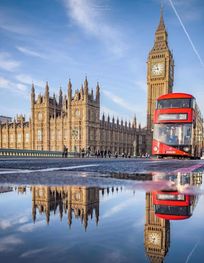
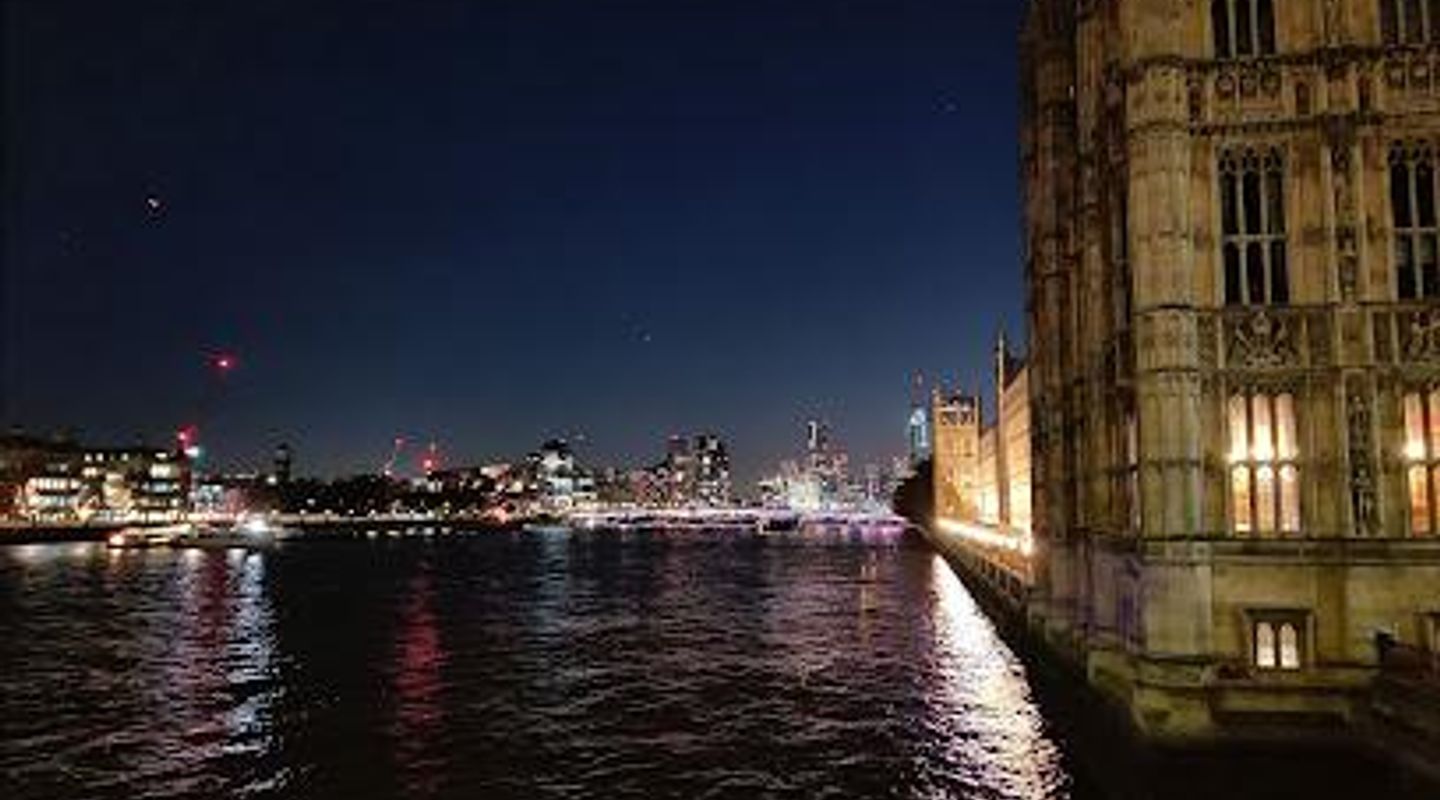
Bridge Street functions as a vital pedestrian and vehicular corridor connecting Westminster's most celebrated attractions. Walking along the street, visitors encounter views of the Houses of Parliament and Big Ben, the Gothic Revival masterpiece that dominates London's skyline. Westminster Abbey, the coronation church of monarchs and burial place of kings and queens, lies nearby, accessible through the street's network of passages and adjacent thoroughfares. These proximity relationships make Bridge Street an essential orientation point for visitors navigating Westminster's dense concentration of historic sites.The street also provides access to the Thames embankment, where visitors can enjoy riverside walks and views of the river that has shaped London's destiny for two millennia. The embankment areas near Bridge Street offer respite from the urban bustle and provide perspective on the city's relationship with its defining geographical feature. From these vantage points, the full sweep of London's bridges—from Tower Bridge downstream to Westminster Bridge upstream—becomes visible, illustrating the engineering achievements that have connected the city across centuries.Modern Urban Experience and Visitor Flow
Today, Bridge Street pulses with the energy of a major London thoroughfare. The street accommodates significant pedestrian traffic, particularly during business hours and tourist seasons, as people move between Parliament, the Underground stations, and Westminster's attractions. The street-level experience combines the historic architecture with modern retail and hospitality establishments, creating a layered urban environment where past and present coexist. Cafés, restaurants, and shops cater to both the professional workers whose offices line the street and the millions of visitors who pass through annually.The Underground stations at Monument (northern end of London Bridge) and London Bridge (southern end) provide rapid transit connections throughout London, while National Rail services from London Bridge station extend the reach to destinations across southern England. This transport connectivity transforms Bridge Street from a merely historic location into a functional hub within London's modern metropolitan system. The street's role as a transport interchange has only grown in importance as London has expanded, making it as vital to contemporary London as it was to medieval and Victorian versions of the city.












Your all‑in‑one travel companion app
Explore expert travel guides, compare and book tours, experiences, hotels, and more—all from the palm of your hand. Download now for seamless trip planning wherever your wanderlust takes you.


Explore More of London
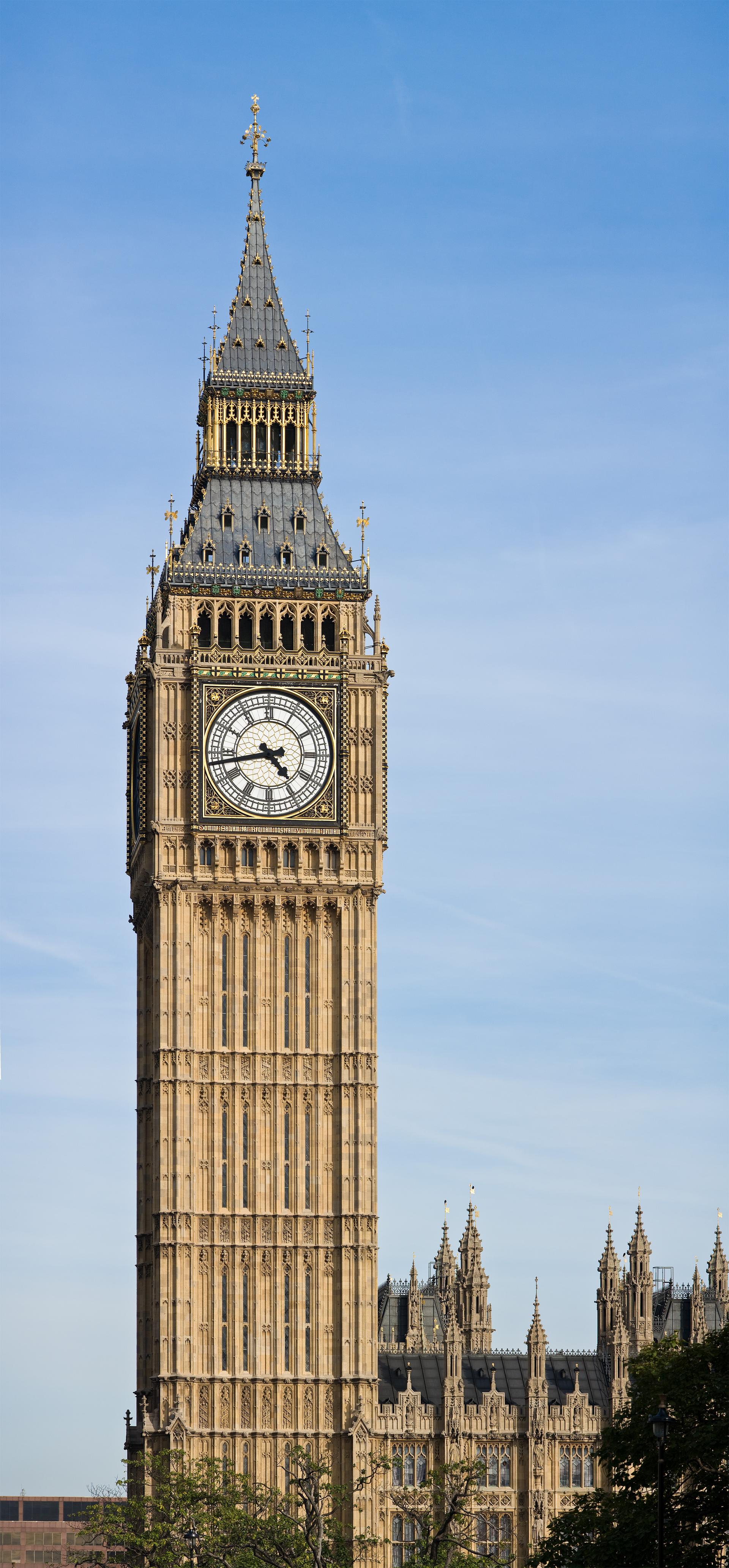
Looking beyond Bridge St? Discover London for broader travel guides, local hot-spots, and regional highlights.
Explore London