Clayton Hall, Manchester Travel Guide
Explore Clayton Hall, a rare medieval moated manor in Manchester with Victorian rooms, living history, and rich heritage.
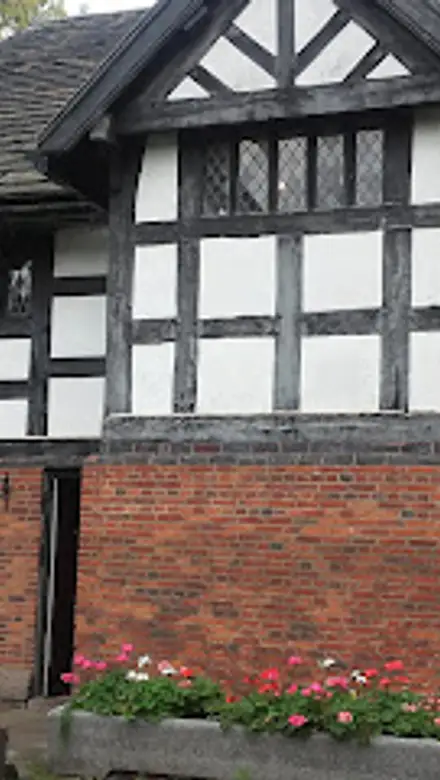
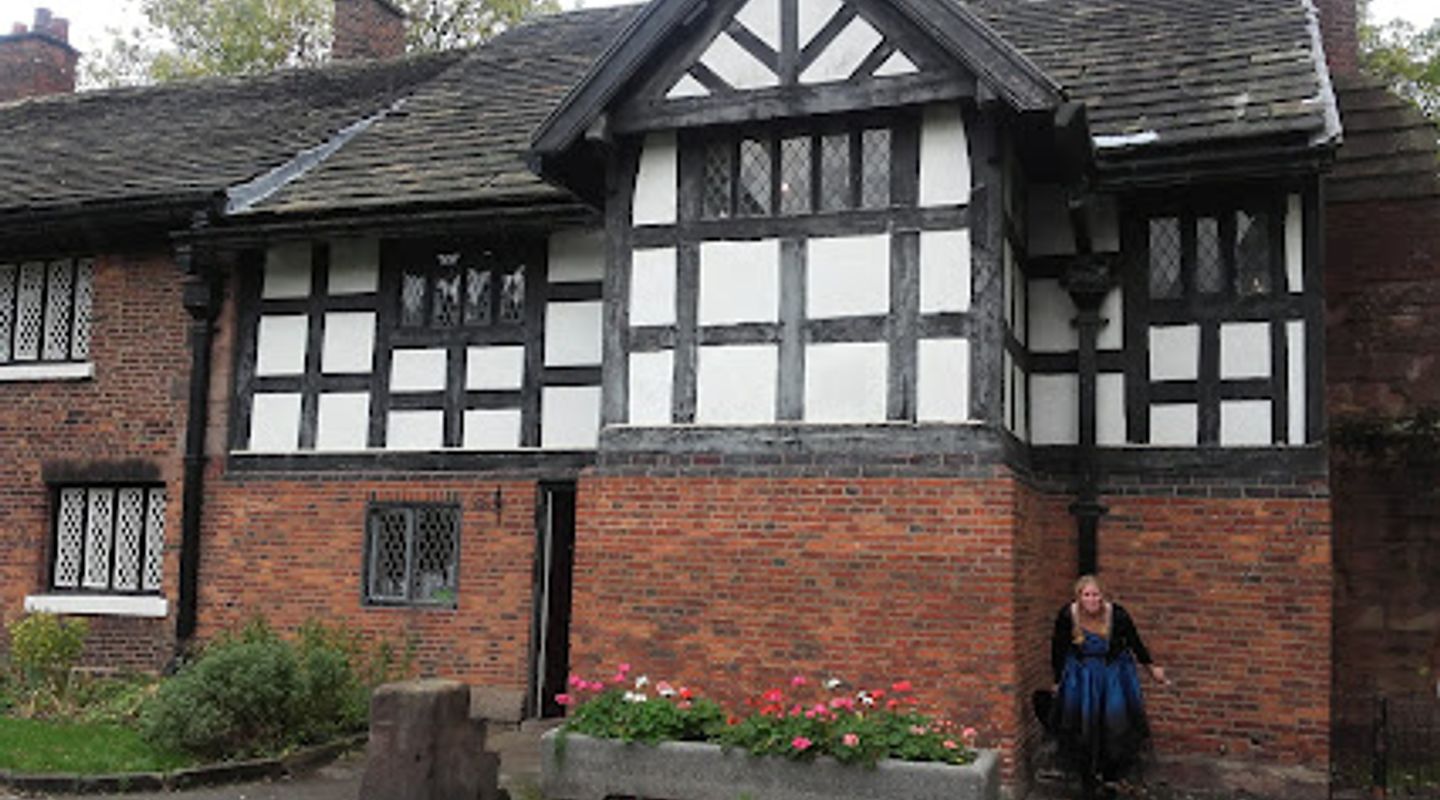
Clayton Hall is a rare 15th-century moated manor house located in Clayton Park, Manchester. This Grade II* listed building stands on a scheduled ancient monument and features Tudor, Georgian, and Victorian architectural elements. Visitors can explore six meticulously restored Victorian rooms with hands-on exhibits, enjoy costumed interpreters, and learn about the hall’s rich history involving the Clayton, Byron, and Chetham families. The site includes a historic stone bridge crossing the moat and a tearoom in the Tudor wing.
A brief summary to Clayton Hall
- Clayton Park, Ashton New Rd, Manchester, Clayton, M11 4RU, GB
- Click to display
- Duration: 1 to 3 hours
- Budget
-
 Outdoor
- Mobile reception: 4 out of 5
- Saturday 11 am-4 pm

Know before you go
Hi, I'm Eve. Here are a few practical things to know before exploring Clayton Hall.
- Visit on Saturdays when the hall is open from 11am to 4pm for hands-on exhibits and costumed interpreters.
- Enjoy refreshments and souvenirs at the Tudor tearoom located within the hall, fully accessible to all visitors.
- Attend free history talks offered regularly to deepen your understanding of the hall’s fascinating past.
- Take time to explore the surrounding Clayton Park for a peaceful stroll after touring the hall.
- Look out for the historic stone bridge crossing the moat, a key feature of the medieval moated site.
Do you manage this location?
Take control to get all the benefits, like improved information, better appearance, and stronger visibility across AI-powered discovery. Learn more about listing your business on Evendo
Activate your presenceOther nearby places you may find interesting
The closest places of the same kind, if this one is not quite what you had in mind.



Explore Clayton Hall on the Map
A handpicked selection of must-see spots near Clayton Hall, mapped for you.
Getting There
-
Public Bus
Take Manchester’s bus service 216 or 231 from the city center to Ashton New Road; the journey takes approximately 25-35 minutes. Buses run frequently but check schedules on weekends. The stop is about a 10-minute walk to Clayton Hall through Clayton Park. A single ticket costs around £3.50 GBP.
-
Taxi or Rideshare
A taxi or rideshare from Manchester city center to Clayton Hall takes roughly 15-20 minutes depending on traffic. This option offers door-to-door convenience but can cost between £10-£15 GBP.
-
Car
Driving to Clayton Hall is possible with parking available on nearby streets in Clayton. Travel time from central Manchester is about 15 minutes. Note that parking may be limited and pay-and-display charges apply. The area is urban with some traffic congestion during peak hours.
For the on-the-go comforts that matter to you
-
 Restrooms
-
 Drink Options
-
 Food Options
-
 Seating Areas
-
 Information Boards
Discover more about Clayton Hall
Medieval Origins and Architectural Evolution
Clayton Hall is a rare surviving example of a medieval moated manor house, originally built in the 15th century on a site with a history dating back to the 12th century. The hall is set on an island formed by a moat measuring approximately 66 by 74 metres, accessed via a late 17th-century listed sandstone bridge that replaced an earlier wooden drawbridge. The building itself combines elements from several periods: the earliest timber-framed sections date from the late medieval era, while later additions reflect Tudor, Georgian, and Victorian styles. The hall’s complex architectural layers reveal its evolution from a fortified manor to a comfortable family residence.Legacy of Prominent Families and Historical Significance
Originally owned by the Clayton family, the estate passed to the Byron family through marriage in 1194, linking it to the lineage of the famous poet Lord Byron. The Byrons maintained ownership for over 400 years before selling the hall in 1620 to George and Humphrey Chetham, wealthy London merchants with Manchester roots. Humphrey Chetham, a notable philanthropist who founded Chetham’s School and Library, spent his final years at Clayton Hall. The hall also holds Civil War associations, with legend suggesting Oliver Cromwell stayed there during military campaigns. Ownership remained with the Chetham family for generations, underscoring the hall’s importance in Manchester’s social history.Restoration and Museum Development
In 1897, Clayton Hall was acquired by Manchester City Corporation, which undertook restoration work to preserve the historic structure. The hall opened to the public as a museum by 1900 but fell into disrepair over time. A dedicated group of volunteers began revitalizing the hall in 2009, transforming it into a living history museum. By 2017, the Tudor wing was incorporated into the museum, featuring rooms dedicated to the hall’s history and Humphrey Chetham’s legacy. The museum now offers six Victorian rooms restored to depict late 19th-century life, complete with period furniture, vintage garments, and interactive exhibits.Visitor Experience and Educational Activities
Visitors to Clayton Hall can immerse themselves in history through hands-on activities in every room, guided by costumed interpreters who bring Victorian life to the fore. The museum hosts regular history talks, including tributes to Humphrey Chetham, and maintains a Tudor tearoom offering refreshments and souvenirs. The hall’s winding staircases, historic interiors, and the surrounding park create an atmospheric setting that appeals to families and history enthusiasts alike. The Friends of Clayton Park, a volunteer group, play a vital role in maintaining the hall and organizing events.Architectural Features and Surrounding Environment
The hall’s moated site remains a defining feature, with the moat now dry but clearly outlining the island on which the hall stands. The stone bridge crossing the moat is a significant historic element, while the hall’s brickwork, timber framing, and stone slate roofs reflect its varied architectural heritage. Though the original chapel on the site was demolished in the 18th century, remnants of the medieval layout persist. The hall is nestled within Clayton Park, providing a tranquil green space in an urban setting.Community Engagement and Recognition
Clayton Hall is run entirely by volunteers and supported by Manchester City Council. The museum achieved charitable status in 2014 and has received accolades such as The Queen’s Award for Voluntary Service. Its open days and events are free, emphasizing accessibility and community involvement. The hall serves as a cultural heritage site preserving Manchester’s history while offering an engaging, educational experience for visitors of all ages.












Your all‑in‑one travel companion app
Explore expert travel guides, compare and book tours, experiences, hotels, and more—all from the palm of your hand. Download now for seamless trip planning wherever your wanderlust takes you.


Explore More of Manchester
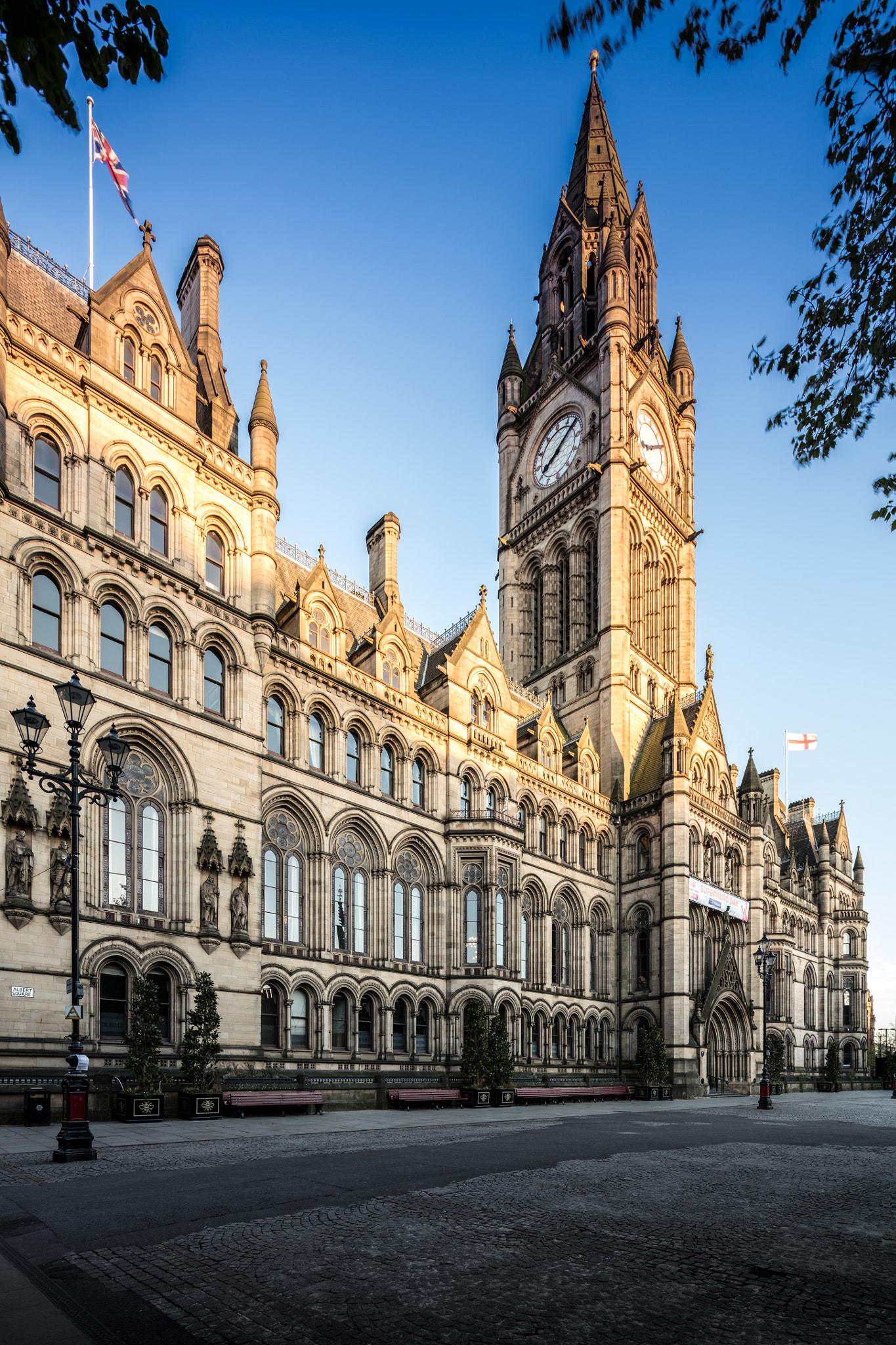
Looking beyond Clayton Hall? Discover Manchester for broader travel guides, local hot-spots, and regional highlights.
Explore Manchester
Discover the Old Naval Yard in Ancoats, a historic gateway to Manchester’s rich maritime and industrial heritage nestled in a vibrant urban district.
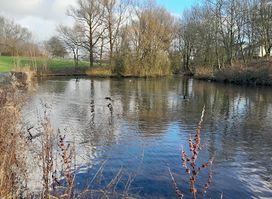
Historic Philips Park offers 31 acres of scenic woodlands, meadows, and riverside trails in Manchester’s vibrant urban landscape.