

Free Manchester Travel Guide & Mobile App
Plan your Manchester trip with Evendo. Get free guides to top attractions, restaurants, hotels, and bars. Web access or download the mobile app.


Manchester blends industrial heritage, world-class football, music history, galleries and Northern Quarter culture with lively food, shopping and nightlife.
Industrial Origins and Urban Character
Manchester grew from a market settlement into the world's first industrial city, its fortunes shaped by cotton, canals, engineering and global trade. That history remains visible in the red-brick mills of Ancoats, the warehouses around Castlefield and the canals that once carried raw materials through the city. Today, a compact central area brings together Victorian civic buildings, contemporary architecture, museums, music venues and independent businesses, creating a city that feels both historically grounded and constantly inventive.Read more about Manchester
Culture, Football and Neighbourhoods
Museums, Green Spaces and Wider Horizons
When is the best time to visit Manchester?
Best: June–August · 21–23°C| Month | High (°C) | Rainfall (mm) |
|---|---|---|
| January | 8 | 80 |
| February | 8 | 70 |
| March | 10 | 60 |
| April | 14 | 50 |
| May | 17 | 40 |
| June (best) | 21 | 40 |
| July (best) | 23 | 50 |
| August (best) | 23 | 60 |
| September | 20 | 50 |
| October | 15 | 60 |
| November | 11 | 70 |
| December | 9 | 80 |
Getting to and around Manchester
How to get there
Transportation
Best attractions in Manchester
Manchester offers a varied circuit of museums, neighbourhoods and public spaces. The Science and Industry Museum in Castlefield traces the city's influence on engineering, textiles and transport, while the National Football Museum explores the cultural history of the game through objects and interactive displays. The Manchester Museum presents archaeology, natural history and collections from around the world, and the Whitworth combines historic and modern art in a park-side setting. Around the centre, the Northern Quarter rewards slow wandering among murals, record shops, cafés and independent retailers, while Manchester Cathedral and the medieval quarter provide a quieter historical counterpoint. Castlefield's Roman fort remains and canal towpaths reveal the city's industrial origins, and the People's History Museum examines working-class political history. Across the Irwell, Salford Quays adds waterfront architecture, The Lowry and the Imperial War Museum North to the wider cultural itinerary.
-
Shopping Centre
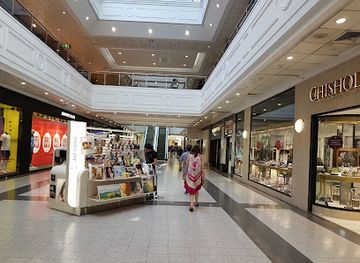
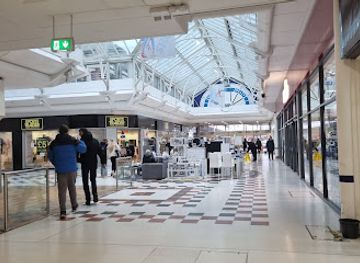
Manchester Arndale Shopping Centre
Manchester’s largest indoor shopping centre, with over 200 stores, restaurants, and leisure options in the heart of the city.
4 min walk · 0.3 km from city centre
-
Stadium
Etihad Stadium
Explore the vibrant home of Manchester City FC with immersive tours, iconic matchday energy, and modern stadium marvels in the heart of Manchester.
8 min drive · 2.8 km from city centre
-
Arena
AO Arena
Manchester’s largest indoor arena, AO Arena hosts world-class concerts, sports, and family events in a vibrant urban setting.
10 min walk · 0.8 km from city centre
-
Science museum
Science and Industry Museum
Explore Manchester’s industrial heritage and 250 years of innovation at the historic Science and Industry Museum.
11 min walk · 0.9 km from city centre


Best landmarks in Manchester
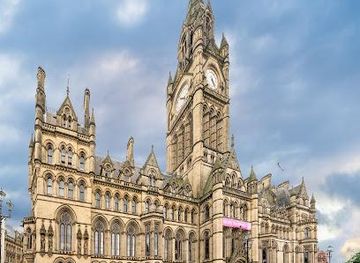
Manchester Town Hall, designed by Alfred Waterhouse and completed in 1877, is one of the city's defining civic landmarks, recognised for its Victorian Gothic architecture and prominent clock tower. Nearby, St Peter's Square brings together Central Library, the Midland Hotel and the Manchester Central conference building, formerly the city's Central railway station. Manchester Cathedral occupies the site of the medieval parish church and contains important historic fabric, including carved woodwork and features developed over several centuries. In Castlefield, the reconstructed Roman fort of Mamucium marks the city's ancient foundation, while the Bridgewater Canal and Liverpool Road railway buildings embody the transport systems that powered industrial growth. The Alan Turing Memorial in Sackville Gardens adds a modern scientific and social dimension, commemorating one of Manchester's most significant associated figures.
-
 Cathedral
Manchester Cathedral
Discover Manchester Cathedral’s breathtaking Gothic architecture and rich history in the heart of Manchester’s vibrant city centre.
6 min walk · 0.5 km from city centre
-
Historical landmark
St. Peter's Square
Historic St Peter's Square in Manchester blends rich political heritage with vibrant urban life and iconic architecture.
3 min walk · 0.3 km from city centre
-
Historical landmark
Arch of Chinatown
Europe's only imperial Chinese arch, a stunning gateway to Manchester's vibrant multicultural heart.
4 min walk · 0.3 km from city centre
-
Local Government Office
Manchester City Council
Manchester City Council’s majestic Town Hall in Albert Square: a Victorian Neo-Gothic masterpiece and symbol of civic heritage.
3 min walk · 0.2 km from city centre


Explore Manchester on the map
Plan your Manchester trip on one map. See where the top attractions, landmarks, restaurants, bars and hotels are, find what's near where you're staying, and book hotels and experiences in a few clicks.
Neighbourhoods in Manchester
-

-

-

-


Swipe for more neighbourhoods
Best hotels in Manchester
Best restaurants in Manchester
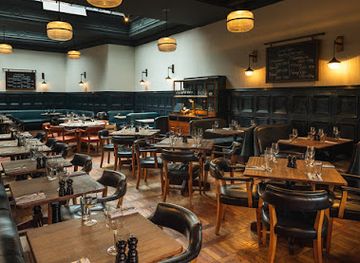
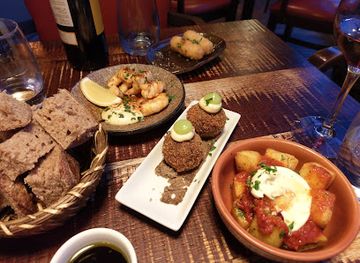
Manchester's dining scene reflects its industrial past, international population and position in the North West. Visitors can find Lancashire traditions such as hotpot, Eccles cakes and hearty pub cooking alongside restaurants shaped by South Asian, Middle Eastern, Chinese, African and European communities. Chinatown, the Northern Quarter, Ancoats and Rusholme's Curry Mile offer especially varied choices, from informal cafés and bakeries to contemporary kitchens. The historic Smithfield Market area helped establish the Northern Quarter's food identity, while newer developments have brought restaurants and bars into former warehouses and mills. Afternoon tea, independent coffee shops and Sunday roasts sit comfortably beside street-food events and modern tasting menus. Seasonal produce from the surrounding region appears in many kitchens, and Manchester tart, a nostalgic local dessert, is still encountered in traditional contexts, though menus naturally vary between establishments.
-
Restaurant
Albert's Schloss - Manchester
A lively Bavarian-inspired beer hall in Manchester blending hearty food, live music, and vibrant nightlife in a unique social setting.
6 min walk · 0.4 km from city centre
-
Steak
Miller & Carter Manchester
Classic British steakhouse on Manchester’s King Street, serving expertly aged premium steaks in a warm, elegant setting with attentive service.
2 min walk · 0.1 km from city centre
-
Steak
Hawksmoor Manchester
Elegant steakhouse on Deansgate serving premium British beef and seafood in a historic yet vibrant setting.
6 min walk · 0.5 km from city centre
-
Spanish
El Gato Negro Tapas Manchester
Stylish Spanish tapas in a historic Manchester townhouse with a vibrant bar, open kitchen dining, and a stunning rooftop terrace.
3 min walk · 0.2 km from city centre
Best bars in Manchester
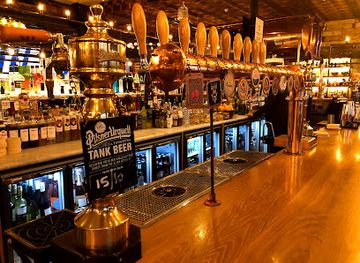
Manchester has one of the strongest evening cultures in northern England, with distinct areas rather than a single nightlife strip. The Northern Quarter is associated with independent bars, live music, DJs and late-night venues, while Deansgate and the Printworks provide larger, more commercial options. Canal Street and the Gay Village remain important centres of LGBTQ+ nightlife, with bars, clubs and venues linked to the city's long history of queer visibility and activism. The Oxford Road corridor brings together student venues, theatres and concert spaces, and the Bridgewater Hall, Manchester Academy and Albert Hall support a broad live-music programme. Smaller jazz, comedy and spoken-word events complement the club scene. Evening activity can become especially busy during football matches, festivals and major concerts, so transport and crowd conditions vary across the week.
-
Cocktail bar
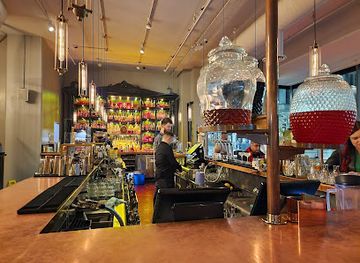
The Alchemist New York Street
Experience Manchester’s vibrant cocktail theatre and all-day dining at The Alchemist New York Street, where drinks dazzle and the atmosphere captivates.
3 min walk · 0.2 km from city centre
-
Pub
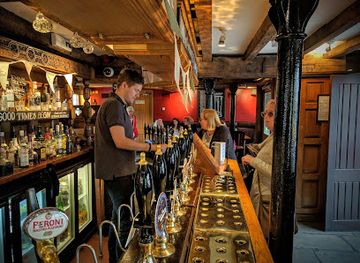
The Old Wellington
Step into The Old Wellington, a historic Manchester pub blending centuries-old charm with hearty ales and classic British fare in the city centre.
6 min walk · 0.4 km from city centre
-
Pub
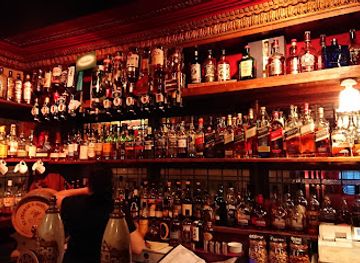
The Britons Protection
Historic Manchester pub famed for its vast whisky selection, traditional charm, lively atmosphere, and welcoming community spirit.
9 min walk · 0.7 km from city centre
-
Pub
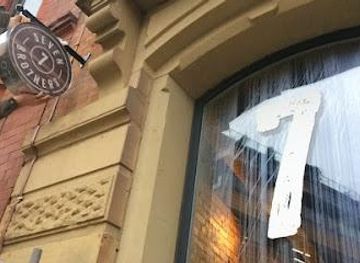
SEVEN BRO7HERS BEERHOUSE Ancoats
Discover Manchester’s vibrant craft beer scene at SEVEN BRO7HERS BEERHOUSE in Ancoats, where innovative brews meet a lively, industrial-chic atmosphere.
12 min walk · 1.0 km from city centre
Best nightclubs in Manchester
Manchester has one of the strongest evening cultures in northern England, with distinct areas rather than a single nightlife strip. The Northern Quarter is associated with independent bars, live music, DJs and late-night venues, while Deansgate and the Printworks provide larger, more commercial options. Canal Street and the Gay Village remain important centres of LGBTQ+ nightlife, with bars, clubs and venues linked to the city's long history of queer visibility and activism. The Oxford Road corridor brings together student venues, theatres and concert spaces, and the Bridgewater Hall, Manchester Academy and Albert Hall support a broad live-music programme. Smaller jazz, comedy and spoken-word events complement the club scene. Evening activity can become especially busy during football matches, festivals and major concerts, so transport and crowd conditions vary across the week.
-
Nightclub
Ark Manchester
Experience Manchester’s vibrant nightlife at Ark, a buzzing canal-side nightclub with diverse music, great cocktails, and a welcoming atmosphere.
11 min walk · 0.8 km from city centre
-
Night Club
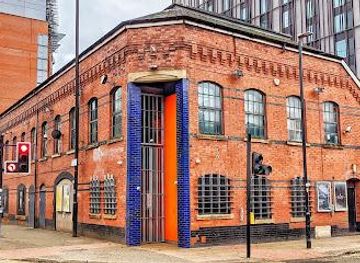
Hidden at Downtex Mill
An industrial-chic nightclub in a former textile mill, Hidden offers immersive electronic music and creative events in Manchester’s vibrant underground scene.
14 min walk · 1.1 km from city centre
-
Nightclub
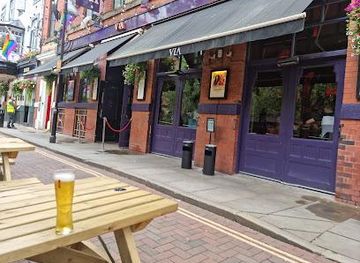
Via Manchester
Experience vibrant LGBTQ+ nightlife with drag shows, cocktails, and canal-side dining at Via Manchester on iconic Canal Street.
7 min walk · 0.5 km from city centre
-
Nightclub
FAC251 - Factory Manchester
Experience Manchester’s legendary Factory Records heritage with three floors of indie, rock, and electronic music at FAC251 - The Factory.
10 min walk · 0.8 km from city centre


Best shops in Manchester
Manchester's retail landscape ranges from major city-centre department stores and shopping centres to independent streets and specialist markets. Market Street and the Arndale centre form the principal mainstream shopping area, while King Street and St Ann's Square offer more formal retail surroundings. The Northern Quarter is better suited to independent fashion, vintage clothing, design, vinyl, books and locally made goods, with Afflecks providing a long-established collection of small retailers and creative businesses. Ancoats and the surrounding centre add design-led shops, cafés and food producers in converted industrial settings. Visitors seeking regional products may find Lancashire treats, craft goods, prints and football-related souvenirs, while nearby districts and Greater Manchester towns provide additional markets and high streets. Retail character varies considerably by neighbourhood, making a walk between areas more rewarding than relying on one shopping zone.
-
Shopping Centre
Salford Shopping Centre
Affordable shopping precinct in Salford's Pendleton, with free parking, daily essentials, and community conveniences under one roof.
9 min drive · 3.1 km from city centre
-
Gift shop
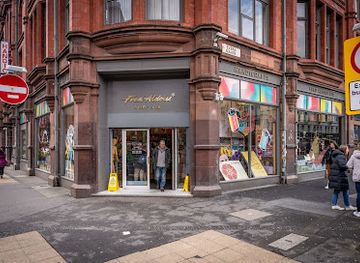
Fred Aldous Ltd
Manchester’s vibrant, family-run arts and crafts emporium with 30,000 products, vintage photo booths, and a creative spirit spanning over 130 years.
7 min walk · 0.6 km from city centre
-
Shopping Centre
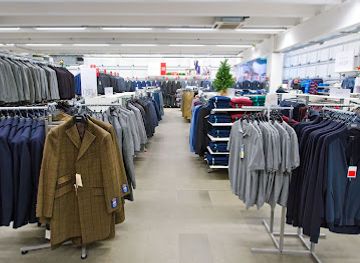
Urban Exchange
Discover a lively shopping centre in Manchester with diverse outlets, extended hours, and a welcoming urban atmosphere.
12 min walk · 1.0 km from city centre
-
Gift shop
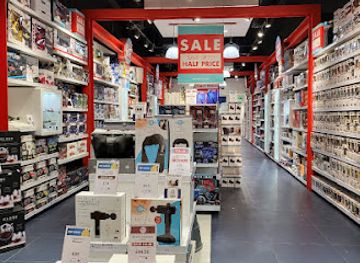
Menkind
Discover quirky gadgets and unique gifts at Menkind, Manchester Arndale’s vibrant destination for fun and innovative presents.
3 min walk · 0.3 km from city centre
Get your free copy of our complete guide to Manchester, delivered straight to you.
Everything on this page, from attractions and restaurants to essentials and local phrases, in one PDF you can read offline, print or share.
Already have an account? Sign in
Your Manchester guide is ready.
We'll send it to · Not you? Sign out

Getting your guide ready…
We are putting together a fresh copy of the Manchester guide. This can take up to a minute.
This can take a few moments. If your browser asks, choose Allow so the download can start. You'll find the guide in your Downloads folder.
Nothing happened? Download it again
Sorry, the guide is taking longer than usual. Please try again in a minute, or get it by email instead.
Manchester essentials
Currency and Payment
Safety
Emergency Situations
Do's and Don'ts
Local Tips
From Eve
Local phrases worth knowing
You don't need to get them perfect. A few words go a long way, and locals appreciate the effort.
Basics
| English | Local | Say it |
|---|---|---|
| Hello | Ey up | [ay up] |
| Goodbye | Ta-ra | [ta-ra] |
| Yes | Aye | [ay] |
| No | Nah | [nah] |
| Please/You're welcome | Please/Ta | [please/ta] |
| Thank you | Cheers | [cheers] |
| Excuse me/Sorry | Pardon | [pardon] |
| How are you? | Oreet? | [or-eet] |
| Fine. And you? | Sound. An' you? | [sownd. an' you?] |
| Do you speak English? | D'ya speak English? | [d'ya speak ing-glish?] |
| I don't understand | I dunno get ya | [i dunno get ya] |
Eating & Drinking
| English | Local | Say it |
|---|---|---|
| I'd like to see the menu, please | Can I see the menu, mate? | [can i see the menu, mate?] |
| I don't eat meat | I'm veggie | [i'm veggie] |
| Cheers! | Cheers! | [cheers] |
| I would like to pay, please | Can I settle up, ta | [can i settle up, ta] |
Emergencies
| English | Local | Say it |
|---|---|---|
| Help! | Help! | [help!] |
| Go away! | Clear off! | [clear off!] |
| Call the Police! | Ring the bobbies! | [ring the bobbies!] |
| Call a doctor! | Get a doctor round! | [get a doctor round!] |
| I'm lost | I'm lost | [i'm lost] |
| I'm ill | I'm poorly | [i'm poorly] |
Shopping
| English | Local | Say it |
|---|---|---|
| I'd like to buy... | I wanna buy... | [i wanna buy] |
| I'm just looking | I'm just browsing | [i'm just browsing] |
| How much is it? | How much is that? | [how much is that?] |
| That's too expensive | That's a bit dear, that | [that's a bit dear, that] |
| Can you lower the price? | Can you do it cheaper? | [can you do it cheaper?] |
Time & Numbers
| English | Local | Say it |
|---|---|---|
| What time is it? | Wot time is it? | [wot time is it?] |
| It's one o'clock | It's one | [it's one] |
| Half past (10) | Half ten | [half ten] |
| Morning | Morning | [morning] |
| Afternoon | Afternoon | [afternoon] |
| Evening | Evening | [evening] |
| Yesterday | Yesterday | [yesterday] |
| Today | Today | [today] |
| Tomorrow | Tomorrow | [tomorrow] |
| 1 | One | [one] |
| 2 | Two | [two] |
| 3 | Three | [three] |
| 4 | Four | [four] |
| 5 | Five | [five] |
| 6 | Six | [six] |
| 7 | Seven | [seven] |
| 8 | Eight | [eight] |
| 9 | Nine | [nine] |
| 10 | Ten | [ten] |
Transport & Directions
| English | Local | Say it |
|---|---|---|
| Where's a/the...? | Where's t'... | [where's t'...] |
| What's the address? | Wot's t'address? | [wot's t'address?] |
| Can you show me (on the map)? | Can you point me (on the map)? | [can you point me (on the map)?] |
| When's the next (bus)? | When's t'next (bus)? | [when's t'next (bus)?] |
| A ticket (to ....) | A ticket (to ....) | [a ticket (to ....)] |
History of Manchester
From Roman Fort to Medieval Market
Manchester's recorded urban history begins with the Roman fort of Mamucium, established around AD 79 near the present-day Castlefield area. The fort guarded routes across the Pennines and helped create a small settlement, though Roman occupation did not produce a large permanent city. After the Roman period, activity continued around the Irwell and Medlock valleys, and by the medieval era Manchester had become a local market centre. The parish church, later Manchester Cathedral, formed an important focus, while the nearby settlement of Salford developed on the opposite bank of the Irwell. Medieval Manchester remained modest in scale, but its position at the meeting point of regional routes laid foundations for later commercial growth.
Textiles and Early Commercial Growth
During the early modern period Manchester became increasingly associated with wool and, later, cotton textiles. Local merchants organised production through the surrounding countryside, where domestic handloom weaving supported a dispersed textile economy. The town's markets and connections to Liverpool helped it participate in expanding Atlantic and European trade. By the eighteenth century, population and commerce were growing, and waterpower and improved roads strengthened manufacturing. The Bridgewater Canal, opened to Manchester in 1761, brought coal from the Duke of Bridgewater's mines at Worsley and significantly reduced fuel costs. Its success demonstrated how transport infrastructure could reshape the town's economy and foreshadowed the canal and railway expansion that followed.
The World’s First Industrial City
Manchester's decisive transformation came during the Industrial Revolution. Steam power enabled large cotton mills to concentrate spinning and weaving in urban factories, while the Rochdale Canal and other waterways linked the town with wider industrial districts. The Liverpool and Manchester Railway, opened in 1830, provided a major connection to the port and is widely regarded as the world's first inter-city passenger railway operated by steam locomotives. Population growth was rapid, drawing workers from rural Lancashire, Ireland and elsewhere. Industrial wealth produced warehouses, banks, civic institutions and philanthropic projects, but it also brought overcrowding, pollution and severe inequality. The urban landscape visible in Ancoats and Castlefield reflects this period of extraordinary expansion.
Reform, Science and Civic Ambition
Industrial Manchester became a centre of political debate and reform. The Peterloo Massacre took place at St Peter's Field in 1819, when cavalry attacked a large meeting calling for parliamentary reform; the event influenced the national reform movement and remains commemorated by a memorial in the city centre. Manchester also developed a strong tradition of nonconformism, radical publishing and civic philanthropy. The Manchester Guardian was founded in 1821, while the city's commercial success funded public buildings, libraries, schools and scientific institutions. Manchester received city status in 1853, and the later nineteenth century brought such landmarks as the Town Hall, opened in 1877, expressing civic confidence in Gothic Revival architecture.
War, Decline and Industrial Change
The twentieth century brought profound changes to Manchester's industrial economy. Cotton manufacturing declined through foreign competition, changing markets and the effects of two world wars, while engineering and other industries also faced restructuring. The city endured wartime bombing, including the Manchester Blitz of 1940, and post-war redevelopment altered parts of the historic centre. Deindustrialisation left mills and warehouses vacant, but these buildings later became resources for regeneration. The opening of the Manchester Ship Canal in 1894 had already extended the city's trading reach to the Irish Sea, and the wider conurbation continued to evolve as manufacturing gave way to education, services, culture and media.
Regeneration and Contemporary Manchester
Late twentieth- and early twenty-first-century Manchester saw major urban renewal alongside the growth of universities, creative industries, sport and cultural tourism. The 1996 city-centre bombing accelerated redevelopment, contributing to new public spaces, retail areas and residential districts. Former industrial quarters such as Castlefield and Ancoats were adapted for modern uses, while Salford Quays became a major waterfront regeneration project with MediaCityUK and cultural institutions including The Lowry and the Imperial War Museum North. Manchester's contemporary identity is also shaped by migration, music, football and LGBTQ+ activism. Its industrial past remains central, but the city now presents that inheritance through museums, converted architecture and a diverse metropolitan culture.
Manchester in Photos
Browse through our photo collection highlighting the charm and character of the destination.
Cities near Manchester
The closest cities to Manchester, if you have time for more than one stop.
-

-

-

-

-


Swipe for more cities
Explore more

Explore more of United Kingdom
Discover the United Kingdom: A blend of rich history, stunning landscapes, and vibrant cities, offering a unique travel experience for every visitor.
Explore United Kingdom