
Circus Lane, Midlothian Travel Guide
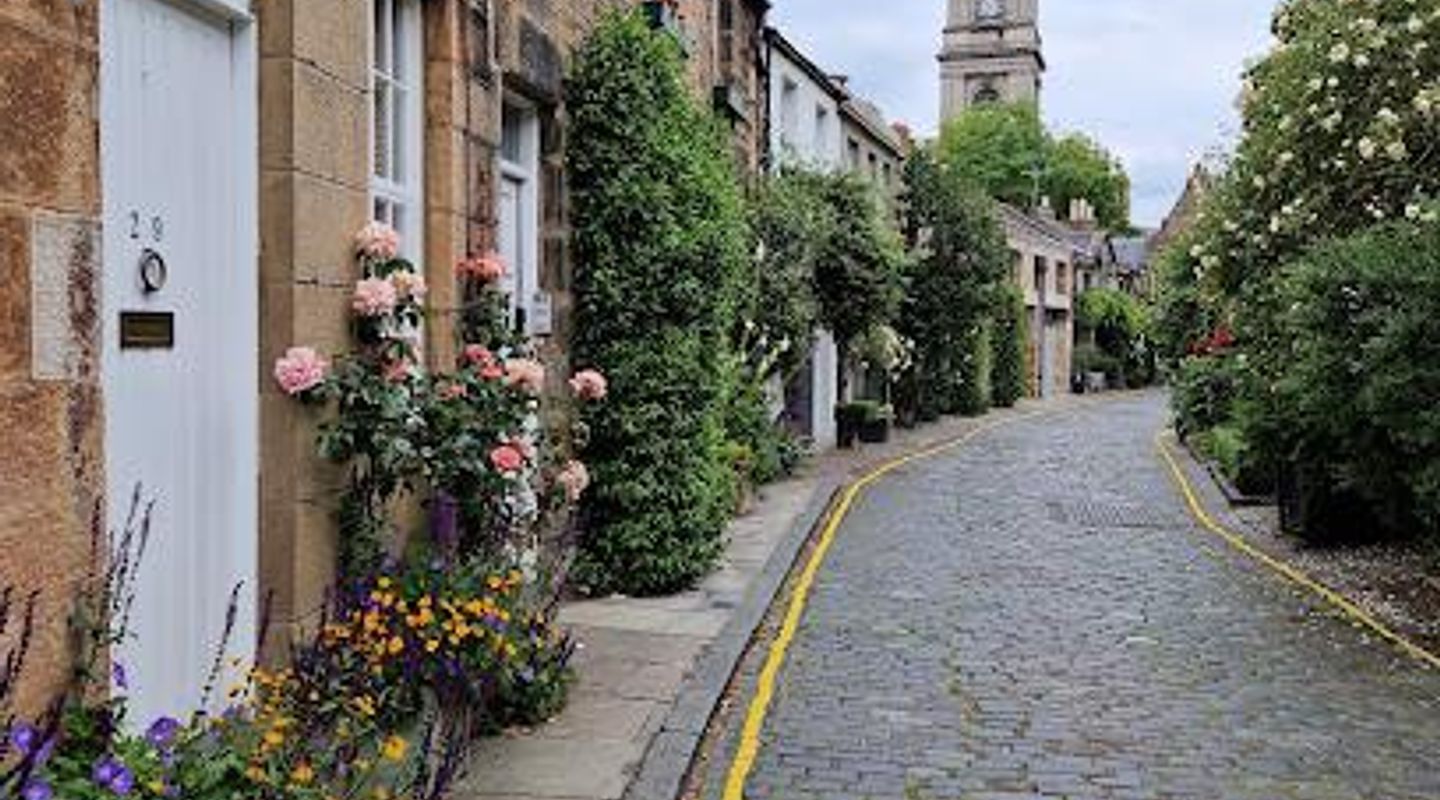
A charming cobbled mews lane in Edinburgh’s Stockbridge, famed for colorful flowers, Georgian architecture, and the iconic St Stephen’s Church tower.
Circus Lane is a charming cobbled street nestled in Edinburgh's Stockbridge district, famed for its colorful flower-adorned mews houses and historic Georgian architecture. Originally built in the early 1800s as stables and homes for servants of the wealthy Royal Circus residents, it has transformed into one of Edinburgh's most photographed and Instagrammable spots. The lane offers a tranquil, fairy-tale atmosphere with St Stephen’s Church tower providing a dramatic backdrop, making it a must-see for visitors seeking both history and beauty.
A brief summary to Circus Lane
- 29 Circus Ln, Edinburgh, EH3 6SU, GB
- Click to display
- Duration: 0.25 to 0.5 hours
- Free
-
 Outdoor
- Mobile reception: 4 out of 5

Know before you go
Hi, I'm Eve. Here are a few practical things to know before exploring Circus Lane.
- Visit early in the morning or on weekdays to avoid crowds and enjoy peaceful photography.
- Respect that Circus Lane is a residential street; keep noise low and avoid trespassing on private property.
- Combine your visit with nearby attractions like Dean Village and the Scottish National Gallery of Modern Art.
- Look out for the Victorian street lamps and ivy-covered walls that add to the lane’s historic charm.
- Don’t miss the view of St Stephen’s Church clock tower at the lane’s end, a perfect photo backdrop.
Do you manage this location?
Take control to get all the benefits, like improved information, better appearance, and stronger visibility across AI-powered discovery. Learn more about listing your business on Evendo
Activate your presenceOther nearby places you may find interesting
The closest places of the same kind, if this one is not quite what you had in mind.
Explore Circus Lane on the Map
A handpicked selection of must-see spots near Circus Lane, mapped for you.
Unlock the Best of Circus Lane
Buy tickets
-
No tickets available
Book tours with entry


Book tours without entry
-
No tours available
Getting There
-
Bus
Take Lothian Buses routes 23 or 27 from Edinburgh city centre to Stockbridge. The journey takes approximately 15 to 20 minutes. Buses run frequently throughout the day. From the stop, it is a 5-minute walk to Circus Lane. Tickets cost around £1.80–£2.00 GBP.
-
Walking
From Edinburgh Waverley Station, enjoy a scenic 25-minute walk through Queen Street Gardens and along St Stephen Street to reach Circus Lane. The route is mostly flat and suitable for most fitness levels.
-
Taxi
A taxi ride from Edinburgh city centre to Circus Lane takes about 10 minutes depending on traffic. Expect to pay approximately £8–£12 GBP. Taxis are readily available but can be pre-booked for convenience.
For the on-the-go comforts that matter to you
-
 Restrooms
-
 Drink Options
-
 Food Options
-
 Seating Areas
-
 Trash Bins
-
 Information Boards
Discover more about Circus Lane
Origins Rooted in Edinburgh’s New Town Expansion
Circus Lane was constructed in the early 19th century as part of the second phase of Edinburgh’s New Town development, which expanded northwards towards the then-village of Stockbridge. It served a practical purpose as a mews lane, housing stables, carriage houses, and residences for the staff supporting the affluent families living in the grand Georgian terraces of Royal Circus nearby. This design reflected the social hierarchy of the time, with wealthy residents owning horses and carriages that required dedicated service quarters. Over time, the lane evolved from a functional service street to a residential area, with former stables converted into garages and homes.Aesthetic Charm and Architectural Harmony
Today, Circus Lane is celebrated for its cobbled surface, terraced mews houses, and vibrant flower boxes that bloom seasonally, creating a picturesque and colorful streetscape. The lane’s Victorian street lamps and ivy-covered walls add to its historic charm, while the gentle curve of the street enhances its quaint, village-like feel within the city. The architecture is predominantly Georgian, characterized by symmetry and understated elegance, which harmonizes with the lane’s tranquil atmosphere. The lane’s conservation status helps preserve its unique character and prevents incongruous alterations.St Stephen’s Church: A Landmark at the Lane’s End
At the end of Circus Lane stands St Stephen’s Church, an A-listed building designed by William Henry Playfair and completed in 1828. Its tall clock tower, featuring the longest pendulum in Europe, creates a striking visual anchor for the lane. Although no longer functioning as a church, the building now serves as a vibrant community arts venue and home to the Edinburgh Festival Ballet and Scottish theatre school MGA Academy. The church’s presence enhances the lane’s historic ambiance and offers an evocative backdrop for photographs.A Hub for Photographers and Social Media Enthusiasts
Circus Lane’s fairy-tale aesthetic has made it one of Edinburgh’s most Instagrammed locations. Its colorful flower boxes, cobblestones, and Georgian architecture provide an idyllic setting for photography enthusiasts. The lane’s quiet, residential nature encourages respectful visits, and many recommend exploring during off-peak hours to fully appreciate its serene charm. The lane’s international fame has grown through social media, attracting visitors worldwide who seek to capture its timeless beauty.Exploring the Surrounding Stockbridge Area
While Circus Lane itself is relatively short and best enjoyed in about 10–15 minutes, the surrounding Stockbridge neighborhood offers a wealth of attractions. Nearby are quirky shops, inviting bars, and restaurants that provide a lively contrast to the lane’s tranquility. Visitors can also explore Dean Village, a picturesque historic milling village along the Water of Leith, or visit the Scottish National Gallery of Modern Art. The area blends natural beauty, cultural heritage, and historic architecture, making it a rewarding destination beyond the lane itself.Community Spirit and Preservation Efforts
The transformation of Circus Lane from a somewhat rundown area in the early 20th century to a cherished conservation site reflects strong community pride and involvement. Residents have actively contributed to beautification projects, including replacing outdated street lamps with Georgian-style lanterns and maintaining the floral displays. This collective effort has preserved the lane’s historic integrity and enhanced its appeal, fostering a sense of shared ownership and respect among locals and visitors alike.












Your all‑in‑one travel companion app
Explore expert travel guides, compare and book tours, experiences, hotels, and more—all from the palm of your hand. Download now for seamless trip planning wherever your wanderlust takes you.


Explore More of Midlothian
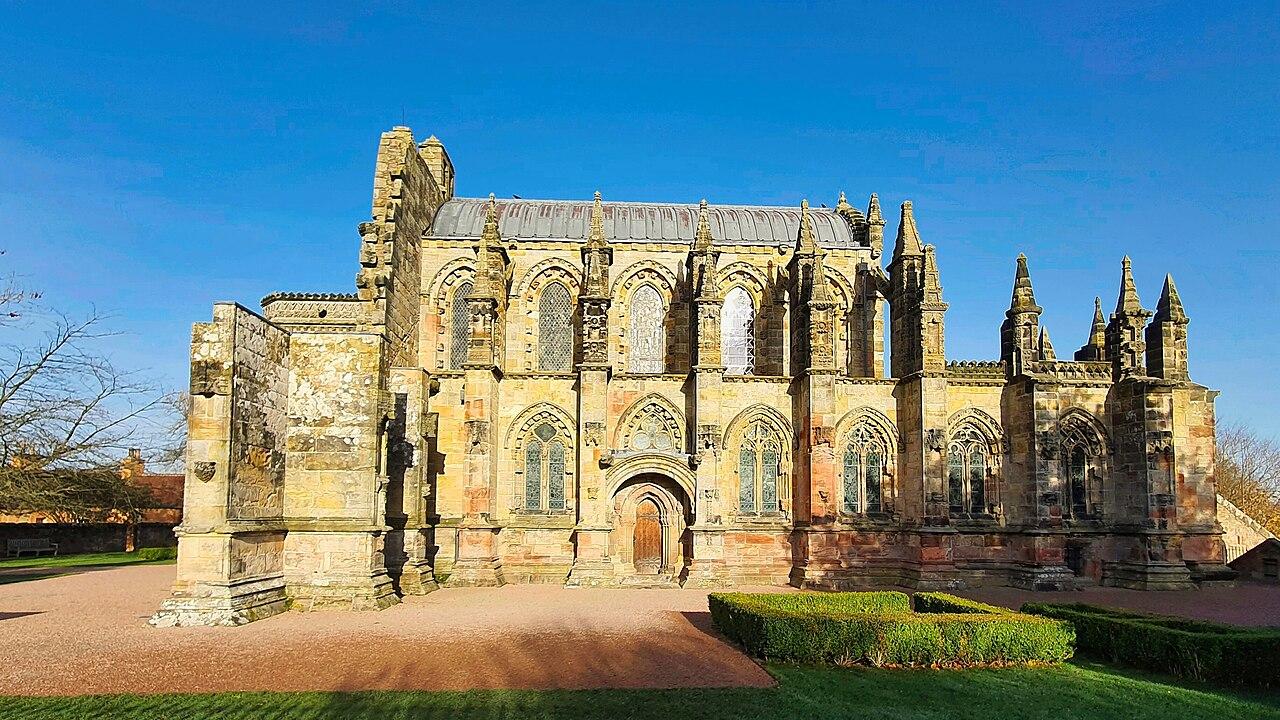
Looking beyond Circus Lane? Discover Midlothian for broader travel guides, local hot-spots, and regional highlights.
Explore Midlothian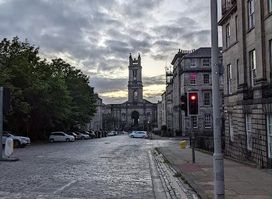
Explore Edinburgh New Town, a UNESCO World Heritage Site showcasing Georgian elegance, Enlightenment ideals, and cultural vibrancy in Scotland’s capital.
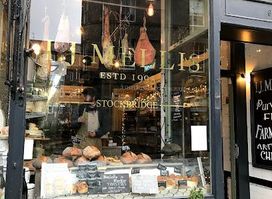
Edinburgh’s vibrant Sunday market offering fresh local produce, street food, crafts, and a lively community atmosphere in charming Stockbridge.
