

Free Midlothian Travel Guide & Mobile App
Explore Midlothian with free travel guides. Discover regional history, expert tips, proposed trips, and audio guides on web or mobile app.


Explore Midlothian south of Edinburgh for Rosslyn Chapel, mining heritage, country parks, market towns and walks across the Pentland Hills.
Read more about Midlothian
When is the best time to visit Midlothian?
Best: June–August · 17–19°C| Month | High (°C) | Rainfall (mm) |
|---|---|---|
| January | 6 | 56 |
| February | 6 | 48 |
| March | 8 | 52 |
| April | 11 | 46 |
| May | 14 | 50 |
| June (best) | 17 | 56 |
| July (best) | 19 | 56 |
| August (best) | 19 | 66 |
| September | 16 | 57 |
| October | 13 | 65 |
| November | 8 | 60 |
| December | 6 | 61 |
Getting to and around Midlothian
How to get there
Transportation
Top city travel guides in Midlothian
The cities of Midlothian, and the easiest places to base yourself.
-

-

-


Swipe for more cities
Best attractions in Midlothian
Midlothian’s attractions range from elaborate historic buildings to reclaimed industrial landscapes and open hill country. Rosslyn Chapel near Roslin is the region’s leading architectural attraction, admired for its fifteenth-century carving and its setting above the wooded valley of the North Esk. Newbattle Abbey and Dalkeith Country Park provide different perspectives on estate history, formal landscapes and riverside walking. Crichton Castle, standing amid farmland south of Pathhead, offers a quieter encounter with late-medieval and Renaissance architecture. The National Mining Museum Scotland at Newtongrange occupies the former Lady Victoria Colliery and gives valuable context to the communities that grew around coal. For outdoor activity, the Pentland Hills Regional Park extends across the western part of the region, with reservoirs, ridges, paths and broad views towards Edinburgh and the surrounding Lowlands. Vogrie Country Park adds gentler woodland and riverside routes, while smaller museums, village churches and former mining settlements reward slower exploration. The attraction landscape is strongest when these elements are combined: a chapel or castle, an industrial site and a walk through the valleys or hills.
-
Park and Garden
Princes Street Gardens
Historic urban gardens nestled beneath Edinburgh Castle, blending nature, monuments, and vibrant city life across 37 scenic acres.
-
Botanical garden
Royal Botanic Garden Edinburgh
A world of plants in the heart of Edinburgh – explore 70 acres of stunning gardens, from alpine rockeries to tranquil woodlands, with free entry to the outdoor grounds.
-
Castle
Palace of Holyroodhouse
Explore Scotland’s royal heritage at the Palace of Holyroodhouse, Edinburgh’s historic and official residence of the British monarch.
-
Tourist attraction
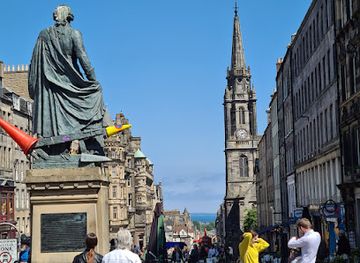
Royal Mile
Walk the historic Royal Mile, Edinburgh’s vibrant medieval street linking castle and palace with culture, stories, and lively atmosphere.


Best landmarks in Midlothian
Rosslyn Chapel is Midlothian’s most recognisable landmark, its ornate fifteenth-century stonework creating a strong visual identity in the wooded Roslin valley. The nearby remains of Rosslyn Castle occupy a dramatic rocky position above the River North Esk and add a defensive dimension to the chapel visit. In the Esk valley, Newbattle Abbey marks the site of a medieval Cistercian monastery, while its later estate buildings and grounds reflect the continuing influence of the Lothian family. Crichton Castle is notable for its unusual Renaissance-influenced façade and its isolated position in open country, where the surviving structure is especially legible against the surrounding fields. The Lady Victoria Colliery’s headgear and industrial buildings at Newtongrange are powerful reminders of the coalfield that shaped modern Midlothian. The Pentland Hills provide the region’s defining natural landmark, with reservoirs, ridgelines and open slopes forming a backdrop visible from much of central Midlothian and offering a marked contrast to the built-up edge of Edinburgh.
-
Castle
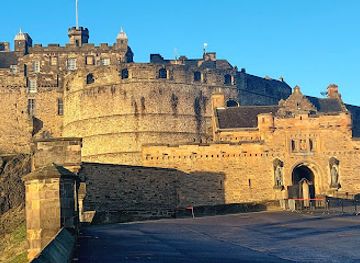
Edinburgh Castle
Historic fortress atop Castle Rock offering royal treasures, panoramic views, and centuries of Scottish heritage in the heart of Edinburgh.
-
Historical landmark
The National Wallace Monument
Explore Scotland’s proud heritage at The National Wallace Monument, a towering tribute to William Wallace with stunning views and rich history.
-
Cathedral
St Giles' Cathedral
Discover Edinburgh’s spiritual heart with St Giles' Cathedral, a Gothic masterpiece rich in history, art, and vibrant cultural life.
-
Monument
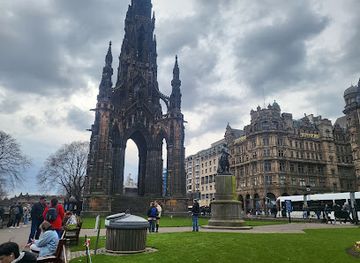
Scott Monument
Edinburgh’s towering Gothic monument honoring Sir Walter Scott, offering historic insights and panoramic city views atop 287 spiral steps.


Explore Midlothian on the map
Plan your trip on one map. See where the top cities, national parks and sights are, and book hotels and experiences in a few clicks.
Best hotels in Midlothian
Best restaurants in Midlothian
Midlothian’s dining scene is centred on village pubs, cafés, family-run restaurants, country-house settings and farm shops rather than a concentrated restaurant quarter. Menus commonly draw on Scottish produce, including beef, lamb, game, seasonal vegetables, smoked fish and bakery goods, while Edinburgh’s influence brings a wider choice of international and contemporary cooking. Dalkeith, Bonnyrigg, Penicuik and the larger former mining towns provide the broadest everyday selection, with rural inns and cafés serving walkers, families and visitors exploring nearby estates. Farm shops and food halls are useful places to look for local cheeses, preserves, baking and fresh produce, although individual stock varies by season. Traditional pub food remains an important part of the regional experience, while restaurants in country estates and historic settings offer more formal meals. Midlothian does not have one signature dish that defines it alone; its culinary character lies in access to the wider larder of Scotland and in the contrast between town cafés, countryside hospitality and locally sourced produce.
-
Restaurant
The Witchery by the Castle
Step into a gothic fairy tale with luxurious suites and candlelit dining just steps from Edinburgh Castle on the historic Royal Mile.
-
Scottish
Howies Restaurant
Experience authentic Scottish cuisine in a stunning Georgian dining hall at Howies Waterloo Place, Edinburgh’s beloved local gem.
-
Pub
Elginhaugh Farm - Dining & Carvery
A cozy, family-friendly pub on Edinburgh’s outskirts, famed for its hearty carvery and welcoming atmosphere.
-
Pub
The Melville Inn
Charming British gastropub in Lasswade with excellent food, cool drinks, and a welcoming terrace set in picturesque Melville Nurseries.


Best bars in Midlothian
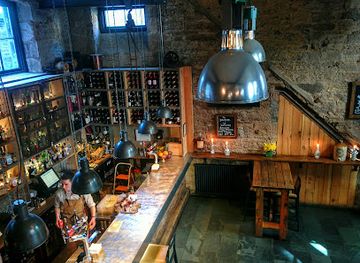
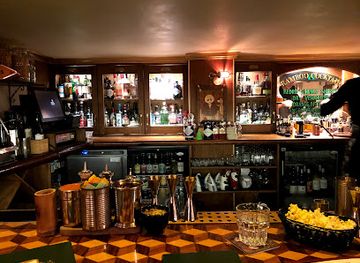
Midlothian’s evening life is relatively low-key and is shaped more by pubs, restaurants, hotel bars and occasional live music than by a large nightclub scene. Dalkeith, Bonnyrigg, Penicuik and Loanhead have the greatest concentration of places for an evening drink or casual meal, while smaller villages tend to rely on traditional pubs serving local communities. Some venues host quizzes, folk or popular music and community events, but programmes and opening arrangements change regularly. Craft beer, whisky and gin are widely available as part of Scotland’s broader drinks culture, though visitors need not drink alcohol to enjoy the region’s evenings. For theatre, major concerts, late-night clubs and a much wider choice of cocktail bars, Edinburgh is the natural nearby option outside Midlothian. In the countryside, plan transport carefully because late public services are limited and taxis may need to be booked in advance.
-
Pub
Frankenstein
Step into the eerie world of Mary Shelley’s Frankenstein with chilling cocktails, killer pizzas, and theatrical horror fun in Edinburgh’s Old Town.
-
Gastropub
The Devil's Advocate
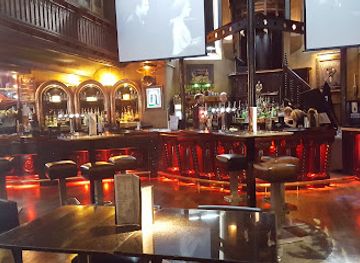
Historic Victorian pump house gastropub in Edinburgh Old Town, famed for its whisky collection, creative cocktails, and seasonal Scottish dishes.
-
Cocktail bar
Panda & Sons
Discover Edinburgh’s hidden speakeasy with award-winning cocktails, theatrical drinks, and a vintage barbershop charm beneath Queen Street.
-
Bar
Innis & Gunn Edinburgh City Centre Brewery Taproom
A vibrant Edinburgh taproom offering award-winning craft beers, hearty Scottish steak frites, and a lively atmosphere in the city’s West End.

Best nightclubs in Midlothian
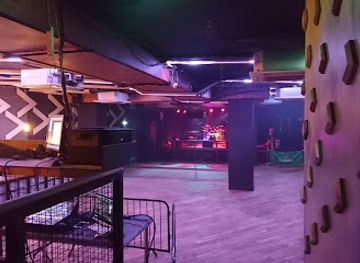
Midlothian’s evening life is relatively low-key and is shaped more by pubs, restaurants, hotel bars and occasional live music than by a large nightclub scene. Dalkeith, Bonnyrigg, Penicuik and Loanhead have the greatest concentration of places for an evening drink or casual meal, while smaller villages tend to rely on traditional pubs serving local communities. Some venues host quizzes, folk or popular music and community events, but programmes and opening arrangements change regularly. Craft beer, whisky and gin are widely available as part of Scotland’s broader drinks culture, though visitors need not drink alcohol to enjoy the region’s evenings. For theatre, major concerts, late-night clubs and a much wider choice of cocktail bars, Edinburgh is the natural nearby option outside Midlothian. In the countryside, plan transport carefully because late public services are limited and taxis may need to be booked in advance.
-
Nightclub
La Belle Angele
Edinburgh’s intimate nightclub and live music venue blending vibrant themed nights with eclectic performances in a historic Old Town setting.
-
Nightclub
Club Tropicana
Experience Edinburgh’s vibrant retro nightlife with classic disco hits and lively dance floors at Club Tropicana on Lothian Road.
-
Nightclub
The Hive Nightclub & Venue
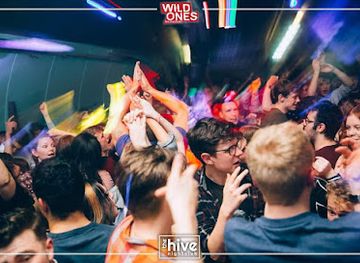
Experience Edinburgh’s energetic nightlife at The Hive, a vibrant venue with eclectic music, affordable drinks, and a raw, unforgettable atmosphere.
-
Nightclub
Cabaret Voltaire
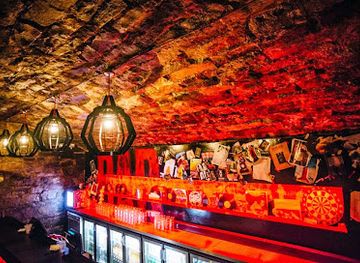
Edinburgh's underground hotspot for live music, electronic beats, and vibrant nightlife in a historic Old Town vault.

Best shops in Midlothian
Shopping in Midlothian is organised around market-town high streets, neighbourhood centres, independent food shops, cafés, farm shops and occasional local markets rather than major destination retail. Dalkeith and Penicuik offer the broadest everyday range, while Bonnyrigg, Loanhead, Gorebridge and Newtongrange retain smaller high-street services and independent businesses. Farm shops and rural food outlets are good places to seek Scottish cheeses, preserves, baking, seasonal vegetables and other edible gifts, although availability changes through the year. Around historic attractions, visitors may find books, prints, craft goods and locally themed souvenirs, but the region is not primarily a designer-shopping destination. Antiques, vintage furnishings and small galleries appear in selected towns and villages rather than in one concentrated district. For major department stores, designer brands and extensive evening shopping, Edinburgh lies immediately north and is easily reached by public transport or road. Buying from independent shops and producers helps visitors engage with the region’s post-industrial towns and agricultural surroundings rather than treating Midlothian solely as a commuter area.
-
Shopping Centre
Meadowbank Shopping Park
Edinburgh’s vibrant shopping park offering diverse stores, extended hours, and a welcoming atmosphere for all your retail and dining needs.
-
Discount shop
Poundland
Affordable shopping in Edinburgh’s city centre with a vast range of quality products all priced to save you money.
-
Discount shop
B&M Store
Affordable shopping with a wide selection of discounted goods in the heart of Dalkeith’s High Street.
-
Shop
Restoration Yard
Discover a unique blend of curated shopping, seasonal dining, and wellness in a historic stableyard at Dalkeith Country Park.


Get your free copy of our complete guide to Midlothian, delivered straight to you.
Everything on this page, from attractions and restaurants to essentials and local phrases, in one PDF you can read offline, print or share.
Already have an account? Sign in
Your Midlothian guide is ready.
We'll send it to · Not you? Sign out

Getting your guide ready…
We are putting together a fresh copy of the Midlothian guide. This can take up to a minute.
This can take a few moments. If your browser asks, choose Allow so the download can start. You'll find the guide in your Downloads folder.
Nothing happened? Download it again
Sorry, the guide is taking longer than usual. Please try again in a minute, or get it by email instead.
Midlothian essentials
Currency and Payment
Safety
Emergency Situations
Do's and Don'ts
Local Tips
From Eve
Local phrases worth knowing
You don't need to get them perfect. A few words go a long way, and locals appreciate the effort.
Basics
| English | Local | Say it |
|---|---|---|
| Hello | Hiya | [Hiy-uh] |
| Goodbye | Cheerio | [Cheer-ee-oh] |
| Yes | Aye | [Eye] |
| No | Naw | [Naw] |
| Please/You're welcome | Please/No bother | [Pleez/No bother] |
| Thank you | Cheers | [Cheerz] |
| Excuse me/Sorry | Excuse me/Sorry | [Excuse me/Sorry] |
| How are you? | How's it gaun? | [How's it gon?] |
| Fine. And you? | Aye, awright. An yersel? | [Eye, aw-right. An yer-sel?] |
| Do you speak English? | D'ye speak English? | [D'ye speek Inglish?] |
| I don't understand | Ah dinnae understand | [Ah din-ay un-der-stand] |
Eating & Drinking
| English | Local | Say it |
|---|---|---|
| I'd like to see the menu, please | Ah'd like tae see the menu, please | [Ah'd lyk tay see thuh men-yoo, pleez] |
| I don't eat meat | Ah dinnae eat meat | [Ah din-ay eet meet] |
| Cheers! | Cheers! | [Cheerz!] |
| I would like to pay, please | Ah'd like tae pay, please | [Ah'd lyk tay pay, pleez] |
Emergencies
| English | Local | Say it |
|---|---|---|
| Help! | Help! | [Help!] |
| Go away! | Gie us peace! | [Gee us pees!] |
| Call the Police! | Phone the polis! | [Foan thuh pole-iss!] |
| Call a doctor! | Phone a doc! | [Foan a doc!] |
| I'm lost | Ah'm lost | [Ah'm lost] |
| I'm ill | Ah'm unwell | [Ah'm un-well] |
Shopping
| English | Local | Say it |
|---|---|---|
| I'd like to buy... | Ah'd like tae buy... | [Ah'd lyk tay buy...] |
| I'm just looking | Ah'm just lookin' | [Ah'm just luk-in'] |
| How much is it? | How much's it? | [How much's it?] |
| That's too expensive | That's too dear | [That's too deer] |
| Can you lower the price? | Can ye knock the price doon? | [Can ye nok thuh price doon?] |
Time & Numbers
| English | Local | Say it |
|---|---|---|
| What time is it? | Whit time is it? | [Whit tym is it?] |
| It's one o'clock | It's one o'clock | [It's won o'clock] |
| Half past (10) | Half past ten | [Half past ten] |
| Morning | Mornin' | [Morn-in'] |
| Afternoon | Afternoon | [Aftern-un] |
| Evening | Evenin' | [Eve-nin'] |
| Yesterday | Yesterday | [Yesterday] |
| Today | Today | [Today] |
| Tomorrow | Morrow | [Mor-row] |
| 1 | 1 | [1] |
| 2 | 2 | [2] |
| 3 | 3 | [3] |
| 4 | 4 | [4] |
| 5 | 5 | [5] |
| 6 | 6 | [6] |
| 7 | 7 | [7] |
| 8 | 8 | [8] |
| 9 | 9 | [9] |
| 10 | 10 | [10] |
Transport & Directions
| English | Local | Say it |
|---|---|---|
| Where's a/the...? | Whit's the...? | [Whit's thuh...?] |
| What's the address? | Whit’s the address? | [Whit’s thuh ad-dress?] |
| Can you show me (on the map)? | Can ye show me (on the map)? | [Can ye sho me (on thuh map)?] |
| When's the next (bus)? | When's the next (bus)? | [When's thuh next (bus)?] |
| A ticket (to ....) | A ticket (ta....) | [A tik-it (ta....)] |
History of Midlothian
Prehistoric settlement and Roman frontiers
Midlothian’s hills, river valleys and fertile lower ground have supported settlement since prehistoric times. Evidence from the wider region includes prehistoric burial and settlement remains, while the Roman road network crossed southern Scotland and connected military centres beyond the modern county. Dere Street, the major Roman route running north from York, passed through the broader area towards the Roman fort at Cramond, outside Midlothian. The surviving landscape therefore reflects both long-established local occupation and the strategic importance of routes leading towards Edinburgh and the southern uplands.
Newbattle Abbey and medieval Midlothian
David I founded Newbattle Abbey in 1140 for Cistercian monks, establishing one of the region’s most influential medieval religious centres. The abbey controlled land, farming and water resources in the Esk valley, while its church and estate connected Midlothian to wider networks of devotion and administration. Although the medieval buildings were later remodelled or lost, the site’s history remains central to the region. Nearby settlements, churches and estate boundaries preserve elements of the medieval pattern of landholding that shaped Midlothian for centuries.
Rosslyn Chapel and the St Clair dynasty
William St Clair, a powerful nobleman and patron of architecture, founded Rosslyn Chapel in the fifteenth century. Built as a collegiate chapel, it is notable for its intricate stone carving, clustered columns and densely ornamented interior. The building was created during a period when aristocratic families used chapels, castles and estates to express lineage, religious commitment and social authority. Later interpretations have attached many speculative theories to Rosslyn Chapel, but its securely documented importance lies in its late-medieval architecture, craftsmanship and association with the St Clair family.
Crichton Castle and aristocratic power
Crichton Castle, near the village of Crichton, developed from a medieval tower house into a substantial noble residence. Its architecture records changing political circumstances and tastes, including Renaissance influences that are unusual in Scotland. The Crichton family’s fortunes were tied to the turbulent politics of the Scottish crown, and the estate later passed through other prominent hands. Today the partially ruined castle stands in open farmland, where its unusual façade and surviving defensive elements illustrate the transition from fortified residence to more elaborate country house.
Coal, railways and industrial expansion
From the eighteenth century onwards, coal mining became a defining force in Midlothian. Shafts, railways, brickworks and associated industries transformed rural parishes and encouraged the growth of communities including Newtongrange, Loanhead and Gorebridge. The arrival of rail transport connected collieries and industrial works with Edinburgh and wider markets, while miners’ housing and social institutions created distinctive community identities. Mining was physically demanding and economically cyclical, but it supplied fuel for domestic use and industry and left a lasting mark on the region’s landscape and culture.
The mining communities of the twentieth century
Midlothian’s coal industry declined during the twentieth century, particularly after national changes in energy production and the closure of pits. The end of deep mining brought severe economic and social disruption to communities that had depended on colliery employment for generations. Former pit sites were reclaimed, while museums, memorials and surviving industrial structures preserve aspects of that history. The National Mining Museum Scotland at the Lady Victoria Colliery in Newtongrange occupies one of the region’s most important surviving industrial sites and explains the work, technology and community life associated with coal.
Renewal, conservation and the Borders Railway
Modern Midlothian has experienced new housing, business development and population growth alongside efforts to conserve historic estates, river valleys and former industrial land. The reopening of the railway connection from Edinburgh to the Scottish Borders in 2015 restored passenger services to stations including Eskbank, Newtongrange and Gorebridge after decades without a railway. The line improved access to central Midlothian while also highlighting the region’s continuing relationship with Edinburgh. Contemporary Midlothian is therefore shaped by both post-industrial regeneration and its enduring agricultural, historic and rural landscapes.
Midlothian in Photos
Browse through our photo collection highlighting the charm and character of the destination.
Neighbouring regions of Midlothian
The closest regions to Midlothian, if you have time for more than one.
-

-

-

-

-


Swipe for more regions
Explore more

Explore more of United Kingdom
Discover the United Kingdom: A blend of rich history, stunning landscapes, and vibrant cities, offering a unique travel experience for every visitor.
Explore United Kingdom