Eagle Rock Travel Guide
Free Guide: Discover the weathered Roman eagle carving on Edinburgh’s scenic Firth of Forth coast, a mysterious link to Scotland’s ancient military past.


A brief summary of Eagle Rock
Discover the weathered Roman eagle carving on Edinburgh’s scenic Firth of Forth coast, a mysterious link to Scotland’s ancient military past.
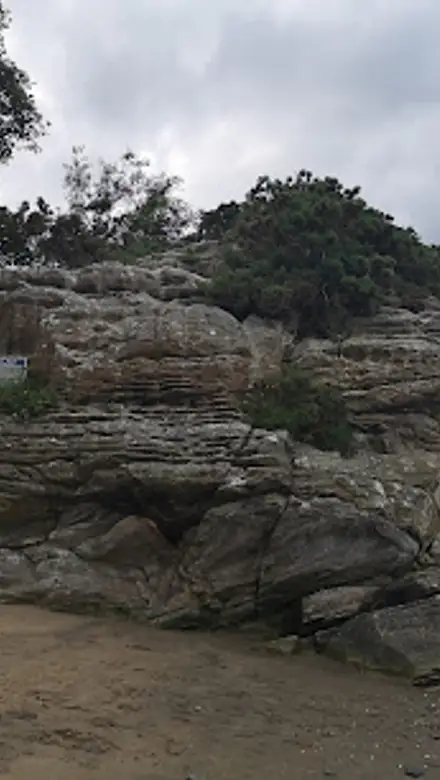
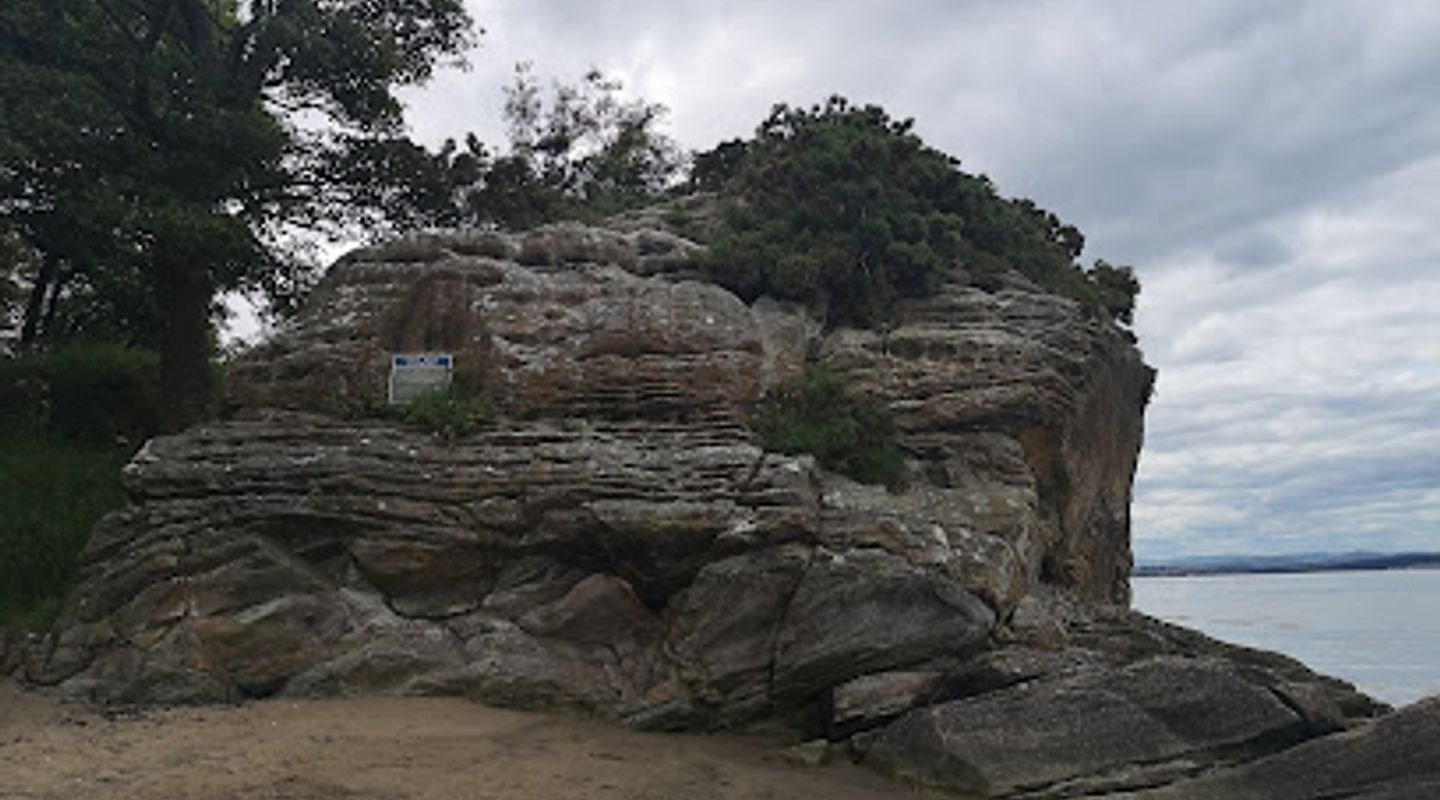
Eagle Rock is a weather-worn rock carving near Edinburgh, believed to be a Roman-era depiction of an eagle dating from around AD 140 to the early 200s. Located on the Firth of Forth’s shoreline near Cramond, it stands as a mysterious relic linked to the nearby Roman fort and offers a glimpse into Scotland’s ancient military past amidst a scenic coastal environment.
On-site amenities
 Information boards
 Seating areas
 Trash bins
Opening hours
- Every dayOpen 24 hours
Opening hours as listed on the venue’s Google Business Profile. Hours can change for services and special events, so check with the venue before you go.
- Address
- Edinburgh EH30 9TQ
- Website
Getting there
Bus
Train and Walk
Car
Discover more about Eagle Rock
Ancient Origins and Roman Connections
Eagle Rock is a natural rock outcrop bearing a faint carving thought to represent an eagle, created during the Roman occupation of Scotland between approximately AD 140 and the early 3rd century. This period corresponds with the establishment and use of the nearby Roman fort at Cramond, which served as a strategic harbor and military base supporting the Antonine Wall. The eagle motif likely symbolized Roman imperial power or served as a spiritual emblem, possibly marking a grave of a Roman official or as informal graffiti by soldiers stationed at the fort.
The Carving’s Enduring Mystery
The carving is heavily weathered, making its original form difficult to discern, and it is uncertain whether it was intended as a formal monument or casual artwork. Historical records first mention the carving in the late 18th century, describing it as a crude figure resembling an eagle standing upright. Despite its indistinct condition, the carving remains a significant archaeological curiosity, emblematic of Roman presence and influence in the region.
Setting on the Firth of Forth Coastline
Eagle Rock is situated near Drum Sands on the Firth of Forth, a coastal area internationally recognized for its importance as a habitat for feeding and roosting wading birds and winterfowl. The rock’s location along a popular coastal path between Cramond and South Queensferry makes it an accessible point of interest for visitors exploring the natural and historic landscape of Edinburgh’s northern shore.
Historical Significance and Preservation
The site was placed under state care in 1913, reflecting its cultural and historic value. It is associated with other Roman artifacts found nearby, including the notable Cramond Lioness sculpture discovered in 1997, which further underscores the area's importance as a Roman military and settlement site. Eagle Rock contributes to the broader narrative of Scotland’s Roman heritage and the enduring marks left on the landscape.
Visitor Experience and Interpretation
Today, Eagle Rock is marked by an informative plaque by Historic Environment Scotland, guiding visitors to appreciate this subtle yet evocative relic. The site offers a contemplative experience blending natural beauty with ancient history, inviting reflection on the lives of Roman soldiers and the cultural layers embedded in Scotland’s coastline.
Challenges in Understanding the Site
Many questions remain about Eagle Rock’s precise origins, artistic intent, and the identity of its creators. The weathering of the carving and lack of definitive records mean its full story may never be known, adding to its enigmatic allure. Nonetheless, it stands as a testament to the complex interactions between Roman forces and the Scottish landscape during antiquity.
Evendo Review Centre
 Google
Guest reviews
Best time to go
Quietest: Jan, Feb & Dec · before 6am or at 9pm
Busy times are Evendo estimates for a typical year, to help you plan. Actual crowds vary with events, school holidays and the weather.
Explore Eagle Rock on the map
A handpicked selection of must-see spots near Eagle Rock, mapped for you.
Get your free copy of our complete guide to Eagle Rock, delivered straight to you.
Everything on this page, from opening hours and how to get there to Eve’s tips and the best time to go, in one PDF you can read offline, print or share.
Already have an account? Sign in
Your Eagle Rock guide is ready.
We'll send it to · Not you? Sign out

Getting your guide ready…
We are putting together a fresh copy of the Eagle Rock guide. This can take up to a minute.
This can take a few moments. If your browser asks, choose Allow so the download can start. You'll find the guide in your Downloads folder.
Nothing happened? Download it again
Sorry, the guide is taking longer than usual. Please try again in a minute, or get it by email instead.
Other nearby places you may find interesting
The closest places of the same kind, if this one is not quite what you had in mind.
-
-
-
-
-


Swipe for more places
More to explore near Eagle Rock

 Best experiences near Eagle Rock
 Best hotels near Eagle Rock
 Best landmarks near Eagle Rock
 Best attractions near Eagle Rock
 Best shops near Eagle Rock
 Best restaurants near Eagle Rock
 Best bars near Eagle Rock
Do you manage this location?
Take control to get all the benefits, like improved information, better appearance, and stronger visibility across AI-powered discovery.
Explore more
Explore more of Midlothian
Discover Midlothian, Scotland's hidden gem, where history, nature, and culture blend seamlessly to offer a unique travel experience.
Explore Midlothian
Explore more of United Kingdom
Discover the United Kingdom: A blend of rich history, stunning landscapes, and vibrant cities, offering a unique travel experience for every visitor.
Explore United Kingdom