Strangers' Hall, Norwich Travel Guide
A 14th-century merchant's house revealing 700 years of Norwich's domestic history and architectural splendour.
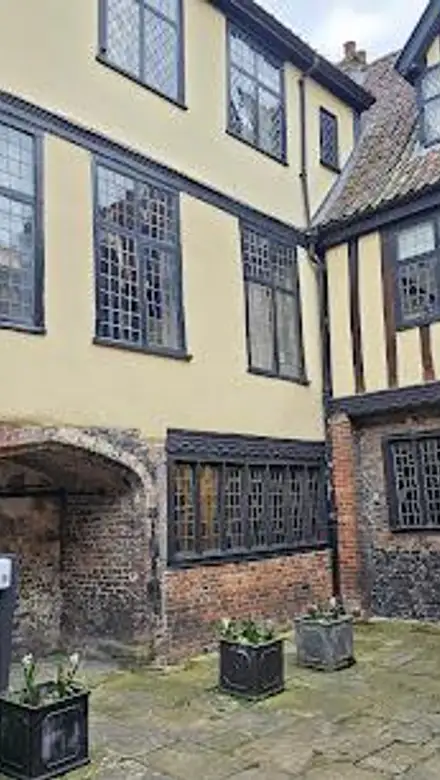
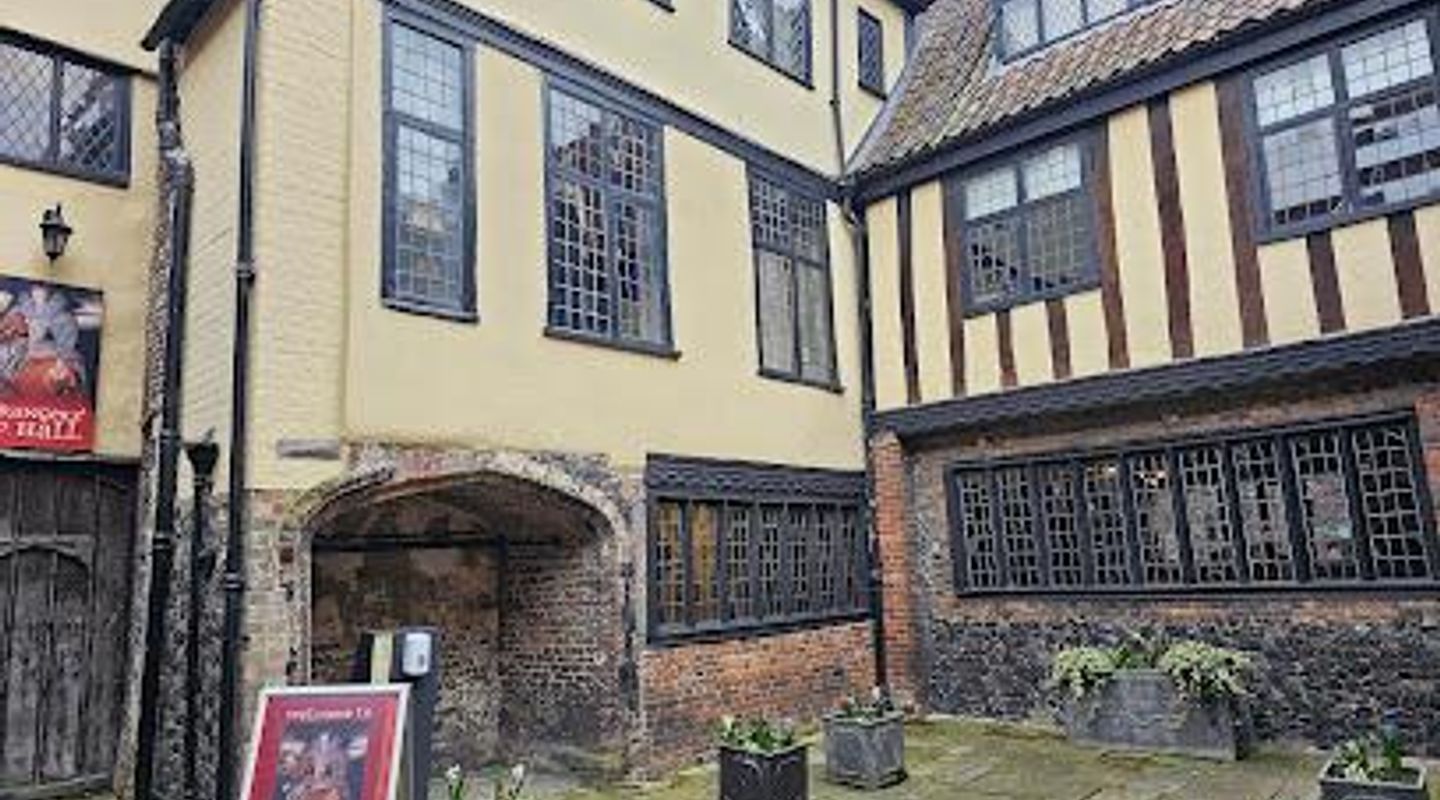
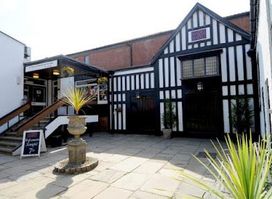
A beautifully preserved 14th-century merchant's house in Norwich's city centre, Strangers' Hall is a museum of domestic history spanning 700 years. Named after Flemish weavers who sought refuge in the city, this Grade I listed building features period rooms from Tudor to Victorian eras, an impressive collection of antiques and furnishings, and a tranquil walled garden. One of Norwich's oldest standing buildings, it offers an intimate glimpse into the lives of wealthy merchants and their families.
A brief summary to Strangers' Hall
- 4 Charing Cross, Norwich, NR2 4AL, GB
- Click to display
- Click to display
- Duration: 1 to 2.5 hours
- Budget
-
 Mixed
Mixed
- Mobile reception: 4 out of 5
- Wednesday 10 am-4 pm
- Saturday 10 am-4 pm

Know before you go
Hi, I'm Eve. Here are a few practical things to know before exploring Strangers' Hall.
- Plan your visit around limited opening hours: Wednesdays and Saturdays 10am–4pm, Sundays 1pm–4:30pm. Extended hours (including Thursdays and Fridays) operate during school holidays and summer months. The museum closes from Christmas until February Half Term.
- Bring comfortable walking shoes for navigating the building's multiple levels, narrow staircases, and uneven floors. Allow 1–2 hours to explore the interconnected rooms and garden at a leisurely pace.
- Visit on a fine day to fully enjoy the tranquil walled garden, which offers a peaceful complement to the indoor period rooms and excellent photo opportunities.
- Engage with the knowledgeable staff and volunteer guides throughout the building—they provide fascinating insights into Norwich's history and the lives of the merchants who once inhabited this house.
- If you hold a National Art Pass, you receive free entry. Students, over-65s, and disabled visitors qualify for concession rates. Family tickets are available at discounted rates.
Do you manage this location?
Take control to get all the benefits, like improved information, better appearance, and stronger visibility across AI-powered discovery. Learn more about listing your business on Evendo
Activate your presenceOther nearby places you may find interesting
The closest places of the same kind, if this one is not quite what you had in mind.




Explore Strangers' Hall on the Map
A handpicked selection of must-see spots near Strangers' Hall, mapped for you.
Unlock the Best of Strangers' Hall
Buy tickets
-
No tickets available
Book tours with entry


Getting There
-
On Foot
Strangers' Hall is located at 4 Charing Cross in Norwich city centre, easily accessible on foot from the Market Square (approximately 5 minutes) or Norwich Train Station (approximately 15 minutes). The building is situated on a main street with clear signage.
-
By Bus
Multiple bus routes serve Norwich city centre, with stops near Charing Cross. Journey times vary depending on your starting point, but most routes take 10–20 minutes from the train station or outlying areas. Check Traveline or local transport websites for specific routes.
-
By Car
Parking is available at nearby car parks in Norwich city centre, including the Charing Cross car park and other multi-storey facilities within a 5-minute walk. Note that the building itself is not fully accessible for vehicles, and on-street parking is limited.
-
By Train
Norwich Train Station is approximately 1 km (0.6 miles) from Strangers' Hall. From the station, take a bus or taxi (5–10 minutes), or walk through the city centre (approximately 15 minutes) following signs to Charing Cross.
For the on-the-go comforts that matter to you
-
 Restrooms
-
 Information Boards
-
 Seating Areas
Discover more about Strangers' Hall
A Hidden Gem of Medieval Norwich
Strangers' Hall stands as one of Norwich's most captivating historical treasures, a beautifully preserved 14th-century merchant's house that has witnessed over 700 years of the city's social and domestic life. Named after the 'Strangers'—Flemish weavers who sought refuge from religious persecution in Norwich during the 16th century—this Grade I listed building occupies a prominent position in the city centre at Charing Cross. The oldest parts of the structure date back to 1320, making it the third-oldest building still standing in Norwich today.A Journey Through Time
The house functions as a museum of domestic history, inviting visitors to wander through a maze of interconnected rooms, each meticulously arranged to reflect different periods of Norwich's past. The Tudor Great Hall, where the house's wealthy owners once entertained guests and hosted city ceremonies, remains a standout feature with its impressive proportions and period authenticity. The Georgian Dining Room showcases chairs based on Thomas Chippendale's celebrated designs, while the Victorian Nursery and Parlour offer intimate insights into family life during the 19th century. Other notable spaces include the stone-vaulted medieval undercroft, the panelled Walnut Room added by Mayor Francis Cock in the 17th century, and a Georgian ballroom that speaks to the building's grandeur.Collections and Furnishings
The museum houses an extensive collection of antiques, furniture, textiles, toys, and everyday domestic objects that bring centuries of history to life. Each room is elegantly adorned with period-appropriate furnishings and intricate woodwork, creating an authentic atmosphere that transports visitors back through time. The collection was originally assembled by Leonard Bolingbroke, who opened his house to the public in May 1900 as one of Britain's first folk museums. In 1922, Bolingbroke generously presented both the building and its contents to the City of Norwich, ensuring its preservation for future generations.The Walled Garden
Beyond the historic rooms lies a tranquil walled garden, a hidden gem that provides a peaceful respite and complements the indoor experience. This serene space allows visitors to soak in the ambience of this remarkable house while enjoying a moment of quiet reflection amid the city centre.Visitor Experience
The building's layout spans multiple levels with narrow staircases and uneven floors that reflect its medieval origins, adding to its authentic character though presenting accessibility challenges for visitors with mobility concerns. Staff and volunteer room guides are positioned throughout the building to engage with visitors, answer questions, and share the rich history of this special place. Informative displays, including laminated sheets, wooden paddles, and notebooks, provide context for the collections, while a video presentation in one of the rooms offers additional historical insights.












Your all‑in‑one travel companion app
Explore expert travel guides, compare and book tours, experiences, hotels, and more—all from the palm of your hand. Download now for seamless trip planning wherever your wanderlust takes you.


Explore More of Norwich
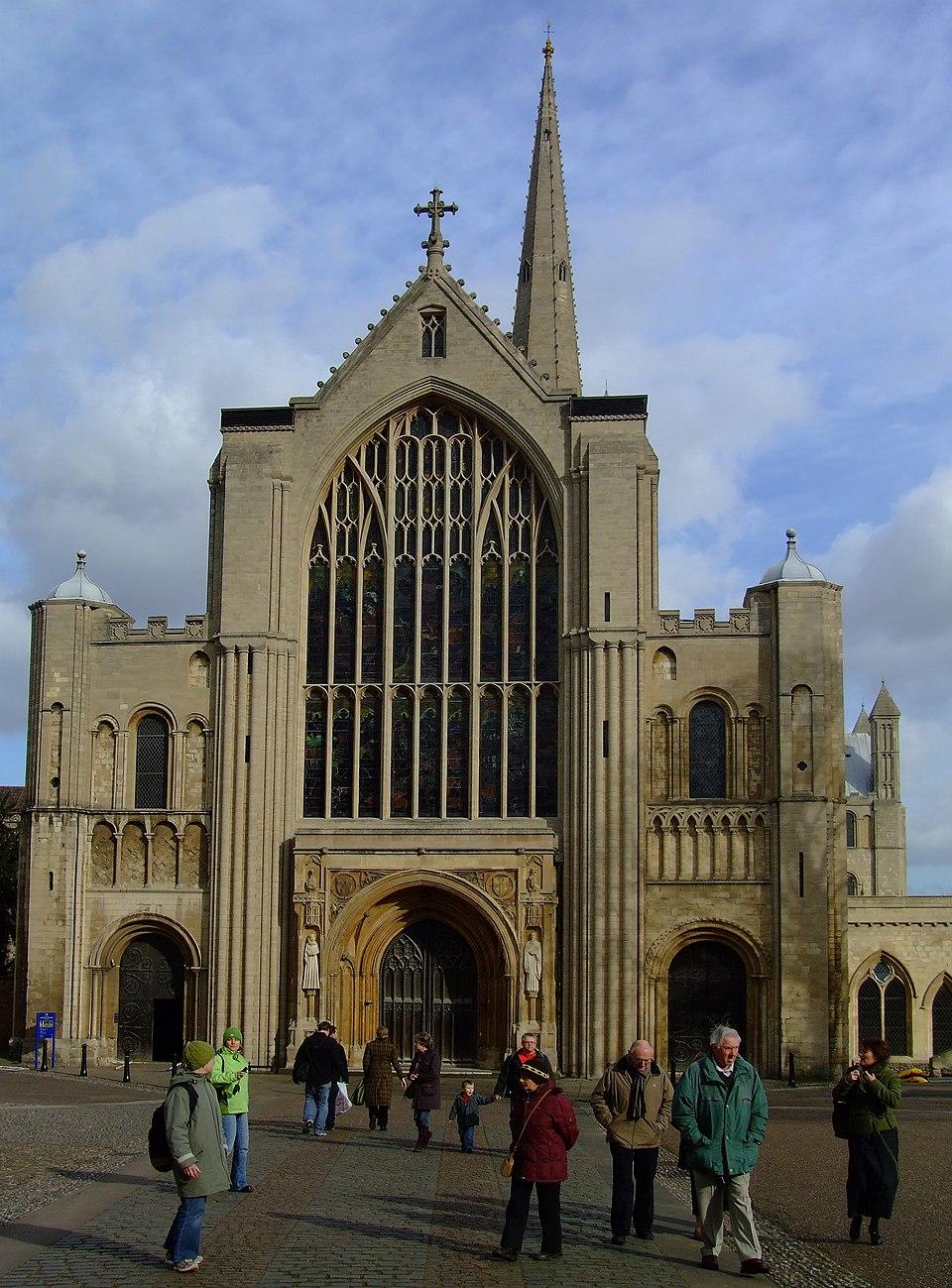
Looking beyond Strangers' Hall? Discover Norwich for broader travel guides, local hot-spots, and regional highlights.
Explore Norwich
Discover Norfolk's rich heritage across 10 award-winning museums spanning history, art, and maritime traditions.
Discover Norwich's intimate Elizabethan playhouse: a 1921 gem hosting vibrant community theatre, professional tours, and ghostly tales in a historic chapel-turned-stage.