

Free Norwich Travel Guide & Mobile App
Plan your Norwich trip with Evendo. Get free guides to top attractions, restaurants, hotels, and bars. Web access or download the mobile app.


Norwich combines medieval lanes, Norman cathedral, independent culture and Norfolk landscapes, with museums, markets and riverside sightseeing in eastern England.
A City Shaped by Trade and Faith
Norwich rises above the River Wensum in the heart of Norfolk, where a compact medieval centre preserves the legacy of a city once powered by wool, weaving and international commerce. Its two great historic monuments, Norwich Castle and Norwich Cathedral, provide contrasting symbols of the past: one a Norman stronghold above the city, the other a vast Romanesque cathedral set within a tranquil precinct. Between them, narrow lanes lead through timber-framed buildings, ancient churches and former merchants' houses, revealing a city whose history remains part of its everyday streetscape.Read more about Norwich
Lanes, Markets and Creative Culture
Norfolk Beyond the Centre
When is the best time to visit Norwich?
Best: June–August · 19–21°C| Month | High (°C) | Rainfall (mm) |
|---|---|---|
| January | 7 | 50 |
| February | 8 | 40 |
| March | 11 | 45 |
| April | 13 | 40 |
| May | 17 | 45 |
| June (best) | 19 | 50 |
| July (best) | 21 | 55 |
| August (best) | 21 | 55 |
| September | 18 | 50 |
| October | 15 | 50 |
| November | 10 | 55 |
| December | 8 | 55 |
Getting to and around Norwich
How to get there
Transportation
Best attractions in Norwich
Norwich Castle, rising above the city centre, combines a distinctive Norman keep with museum collections that introduce Norfolk's archaeology, art and social history. Norwich Cathedral offers a very different experience, with a vast Romanesque interior, cloisters and an extensive precinct that rewards slow exploration. Around Tombland and the Cathedral Close, Elm Hill and cobbled lanes preserve the atmosphere of the medieval city, while Dragon Hall and the Museum of Norwich at the Bridewell add insight into merchant life and local industry. The Norwich Lanes bring independent shops, cafés and galleries into former historic streets, and Norwich Market provides a lively daytime encounter with local commerce. For contemporary culture, the Sainsbury Centre for Visual Arts presents modern and world art in a notable university building, while the Plantation Garden offers an unexpected Victorian garden setting close to the centre.
-
Tourist attraction
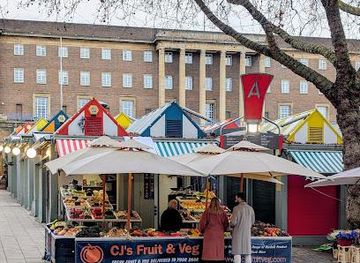
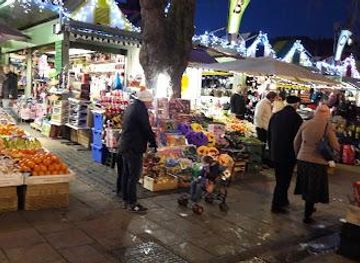
Norwich Market
Discover Norwich's 1,000-year-old market heart: vibrant stalls brimming with global street food, fresh Norfolk produce, crafts, and buzz under iconic awnings—a sensory feast in England's trading gem.
5 min walk · 0.4 km from city centre
-
Shopping Centre
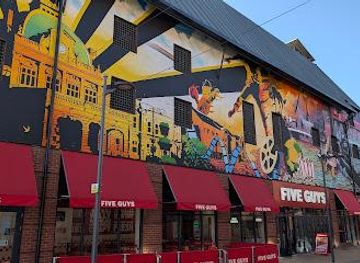
Castle Quarter
Shop, dine, watch, and play at Norwich's premier five-level entertainment hub beside Norwich Castle, blending retail therapy with thrilling leisure.
5 min walk · 0.4 km from city centre
-
Shopping Centre
Riverside Entertainment
Norwich's ultimate entertainment hub: trampolines, bowling, cinema, dining, and riverside vibes for endless family fun and nightlife thrills.
9 min walk · 0.7 km from city centre
-
Park and Garden
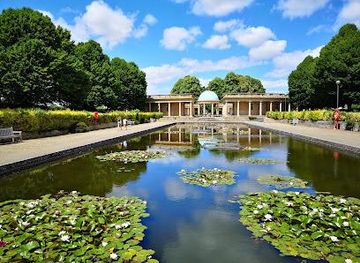
Eaton Park
Norwich's 80-acre Green Flag haven: playgrounds, railways, sports, boating pond, and meadows for family fun, serene walks, and events in a historic Grade II* park.
9 min drive · 3.1 km from city centre

Best landmarks in Norwich
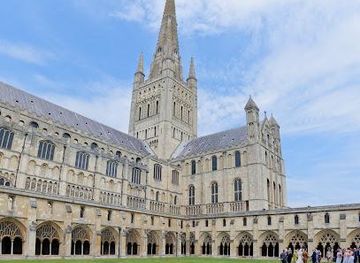
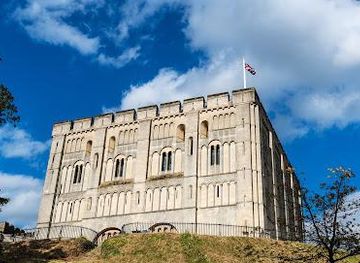
Norwich Cathedral is the city's defining ecclesiastical landmark, its Romanesque nave, tower and cloisters expressing the scale of Norman religious power and the continuing importance of the Cathedral Close. Norwich Castle, built after the Norman Conquest, is equally prominent as a symbol of royal authority; its keep now forms the centre of a major museum. The medieval Guildhall, with its flint, stone and timber construction, reflects the city's civic government and commercial confidence, while Dragon Hall preserves the ambition of a fifteenth-century merchant house. Elm Hill is a celebrated historic street of timber-framed buildings, and St Peter Mancroft beside the market remains an important urban church. Together these buildings chart Norwich's development from Norman stronghold and ecclesiastical centre to a prosperous trading city with distinctive civic institutions.
-
Market
Norwich Market
Discover 900 years of trading tradition at Norwich Market, where fresh Norfolk produce, global street food, vintage treasures, and lively vibes converge in the city's historic heart.
5 min walk · 0.4 km from city centre
-
Cathedral
Norwich Cathedral
Discover Norwich Cathedral's 900-year Romanesque splendor: vaulted ceilings, vast cloisters, falcon cams, and serene gardens in a 44-acre city oasis—free entry to history, art, and peace.
4 min walk · 0.3 km from city centre
-
Stadium
Carrow Road
Carrow Road: Norwich City FC's riverside fortress, built in 82 days in 1935, pulsing with Canary passion, historic stands, and unforgettable matchday roars since its 4-3 opener.
16 min walk · 1.3 km from city centre
-
Tourist attraction
Norwich Castle
Discover Norwich's Norman heart: a reborn 900-year-old royal palace with immersive medieval galleries, art treasures, and breathtaking battlements views over England's historic second city.
3 min walk · 0.3 km from city centre

Explore Norwich on the map
Plan your Norwich trip on one map. See where the top attractions, landmarks, restaurants, bars and hotels are, find what's near where you're staying, and book hotels and experiences in a few clicks.
Best hotels in Norwich
Best restaurants in Norwich
Norwich's dining scene draws on Norfolk's agricultural and coastal larder, with local produce, Cromer crab, North Sea fish, game, samphire and regional cheeses appearing alongside British and international cooking. Norwich Market is useful for casual meals, baked goods and prepared food, while the lanes around St Benedicts, Upper Goat Lane and St Giles Street contain independent cafés, restaurants and bars in former commercial buildings. Traditional pubs provide real ale and familiar British dishes, and bakeries and coffee shops suit a daytime pause between museums and historic streets. The city's student and creative communities have broadened the choice beyond county cooking, although menus and individual businesses change. The historic centre is the principal dining area, with additional restaurants around Riverside and in the neighbourhoods leading west and north from the core.
-
Buffet
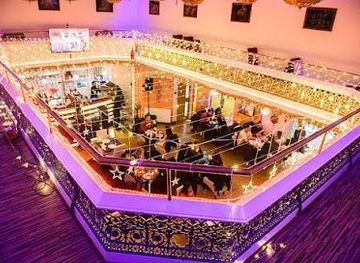
COSMO All You Can Eat World Buffet Restaurant | Norwich
Embark on a global feast at COSMO Norwich, where unlimited buffets of fresh Chinese, Indian, Japanese, and more await in a lively, family-friendly haven on London St.
3 min walk · 0.3 km from city centre
-
American
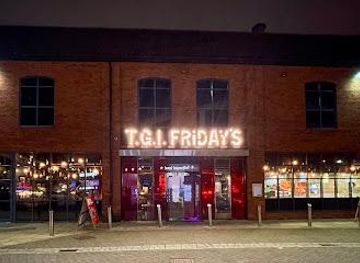
TGI Fridays - Norwich
Flame-grilled American classics, signature cocktails, and family fun at Riverside Leisure Park—where every meal feels like Friday night in Norwich.
9 min walk · 0.7 km from city centre
-
Pub
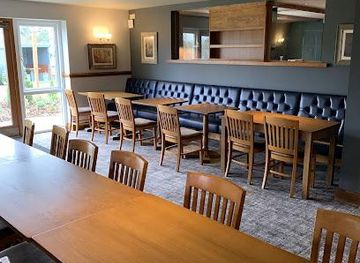
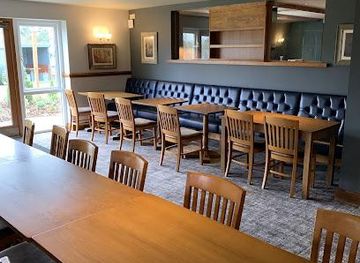
Copper Beech
Family haven in Norwich: carvery feasts, cask ales, kids' play zones, dog welcomes, and beer garden bliss await at this modern pub gem.
25 min drive · 8.2 km from city centre
-
Indian
Namaste Village Norwich
Discover authentic vegetarian Indian fine dining in a historic Norwich gem, where family recipes, regional flavors, and warm hospitality create an unforgettable taste of India's village soul.
13 min walk · 1.0 km from city centre

Best bars in Norwich
Norwich has an evening scene shaped by its student population, theatres, music venues and independent pubs rather than by a single concentrated club district. The Norwich Lanes and streets around St Benedicts offer pubs, wine bars, cocktail rooms and live-music settings in converted historic buildings, while Prince of Wales Road and Riverside have a denser late-night presence close to the railway station. The city also supports performances at Norwich Theatre, concerts and smaller cultural events, giving visitors alternatives to clubbing. Traditional pubs remain important for a quieter evening, particularly around the centre and cathedral quarter, though the atmosphere varies by night. Venues and licensing arrangements change, so evening plans are best checked locally, and visitors should use care on the walk between entertainment areas and accommodation.
-
Pub
Copper Beech
Family haven in Norwich: carvery feasts, kids' play zones, dog welcomes, cask ales, and cozy fireside vibes at this modern retail park pub.
25 min drive · 8.2 km from city centre
-
Pub
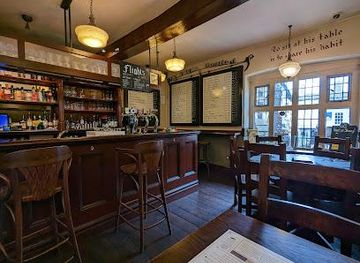
Belgian Monk
Norwich's Pottergate gem pouring authentic Belgian beers and mussels in a cozy, character-rich pub setting—perfect for hearty meals and lively evenings.
4 min walk · 0.3 km from city centre
-
Bar
Boom Battle Bar Norwich
Unleash your competitive side at Norwich's premier games bar, where axe throwing, darts, shuffleboard, and killer cocktails fuel epic nights of laughter and friendly rivalry.
6 min walk · 0.5 km from city centre
-
Pub
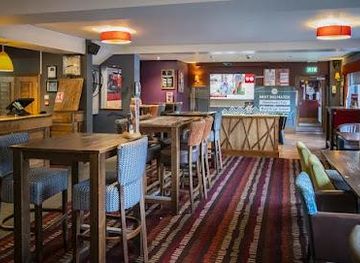
Fieldfare
Family-friendly Hungry Horse pub in Norwich serving hearty grub, daily deals, and sports in a cosy spot with kids' play area and easy parking.
15 min drive · 5.1 km from city centre

Best nightclubs in Norwich
Norwich has an evening scene shaped by its student population, theatres, music venues and independent pubs rather than by a single concentrated club district. The Norwich Lanes and streets around St Benedicts offer pubs, wine bars, cocktail rooms and live-music settings in converted historic buildings, while Prince of Wales Road and Riverside have a denser late-night presence close to the railway station. The city also supports performances at Norwich Theatre, concerts and smaller cultural events, giving visitors alternatives to clubbing. Traditional pubs remain important for a quieter evening, particularly around the centre and cathedral quarter, though the atmosphere varies by night. Venues and licensing arrangements change, so evening plans are best checked locally, and visitors should use care on the walk between entertainment areas and accommodation.
-
Live Music
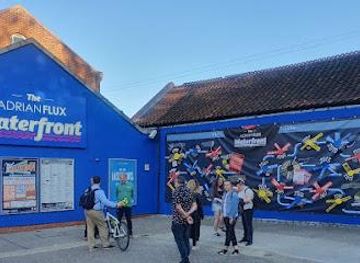
The Adrian Flux Waterfront
Norwich's riverside rock haven: epic gigs in a historic warehouse, from Nirvana to club nights, with killer sound and Wensum views.
10 min walk · 0.8 km from city centre
-
Live Music
The LCR
Norwich's explosive live music and nightclub epicenter at UEA – intimate gigs with superstar acts, thumping club nights, and unbeatable student energy.
12 min drive · 3.9 km from city centre
-
Nightclub
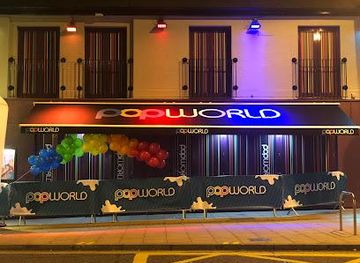
Popworld - Norwich
Norwich's ultimate pop party destination with infectious energy, friendly vibes, and unforgettable nights out.
5 min walk · 0.4 km from city centre
-
Adult entertainment club
Sugar & Spice - Strip Club and Lap Dancing Norwich
East Anglia's top American-style strip club: glamorous dances, relaxed vibes, and unforgettable nights for stags, hens, and nightlife lovers in Norwich's heart.
4 min walk · 0.3 km from city centre


Best shops in Norwich
Nestled in the heart of New England, Norwich in the United States offers a vibrant and eclectic shopping experience that seamlessly blends the charm of yesteryears with modern-day allure. As you meander through its quaint streets, you'll discover an array of boutique stores offering unique handicrafts, vintage treasures, and artisanal goods that reflect the rich cultural tapestry of the region. Historic buildings house contemporary fashion outlets, inviting you to explore the latest trends while enjoying the architectural beauty of the past. The city's bustling farmers' markets are a feast for the senses, offering fresh local produce, artisanal cheeses, and delightful pastries. Whether you're hunting for a one-of-a-kind souvenir or indulging in a leisurely day of retail therapy, Norwich promises an unforgettable shopping adventure that captures the essence of New England charm and hospitality.
-
Shopping Centre
Chantry Place
Discover Norwich's premier shopping haven at Chantry Place: fashion, food, and fun in a modern city-centre gem built on chocolate factory history.
9 min walk · 0.8 km from city centre
-
Shopping Centre
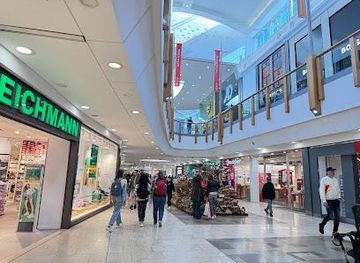
Castle Quarter
Discover Norwich's ultimate retail and leisure playground: shop high-street deals, dine diversely, catch films at Vue, and bowl strikes at Superbowl UK—all under one vibrant roof.
5 min walk · 0.4 km from city centre
-
Shopping Centre
Riverside Entertainment
Norwich's riverside hub of bowling, trampolines, cinema, and global eats—family fun, friendly competition, and vibrant nights opposite the train station.
9 min walk · 0.7 km from city centre
-
Department store
Jarrolds
Discover Norwich's 250-year-old family gem: Jarrolds blends historic elegance, diverse retail, and local flair on bustling London Street for an authentic British shopping escape.
4 min walk · 0.3 km from city centre


Get your free copy of our complete guide to Norwich, delivered straight to you.
Everything on this page, from attractions and restaurants to essentials and local phrases, in one PDF you can read offline, print or share.
Already have an account? Sign in
Your Norwich guide is ready.
We'll send it to · Not you? Sign out

Getting your guide ready…
We are putting together a fresh copy of the Norwich guide. This can take up to a minute.
This can take a few moments. If your browser asks, choose Allow so the download can start. You'll find the guide in your Downloads folder.
Nothing happened? Download it again
Sorry, the guide is taking longer than usual. Please try again in a minute, or get it by email instead.
Norwich essentials
Currency and Payment
Safety
Emergency Situations
Do's and Don'ts
Local Tips
From Eve
Local phrases worth knowing
You don't need to get them perfect. A few words go a long way, and locals appreciate the effort.
Basics
| English | Local | Say it |
|---|---|---|
| Hello | Alright | [əˈraɪt] |
| Goodbye | Ta-ra | [tɑːˈrɑː] |
| Yes | Yup | [jʌp] |
| No | Nah | [nɑː] |
| Please/You're welcome | No worries | [nəʊ ˈwʌriz] |
| Thank you | Cheers | [tʃɪəz] |
| Excuse me/Sorry | Sorry mate | [ˈsɒri meɪt] |
| How are you? | How's it going? | [haʊz ɪt ˈɡəʊɪŋ] |
| Fine. And you? | All good, you? | [ɔːl ɡʊd, juː?] |
| Do you speak English? | Can you speak English? | [kən juː spiːk ˈɪŋɡlɪʃ?] |
| I don't understand | I don't get it | [aɪ dəʊnt ɡɛt ɪt] |
Eating & Drinking
| English | Local | Say it |
|---|---|---|
| I'd like to see the menu, please | Can I have a butcher's at the menu, please? | [kən aɪ hæv ə ˈbʊtʃəz æt ðə ˈmɛnjuː?] |
| I don't eat meat | I'm a veggie | [aɪm ə ˈvɛdʒi] |
| Cheers! | Cheers! | [tʃɪəz] |
| I would like to pay, please | Can I settle up, please? | [kən aɪ ˈsɛtəl ʌp, pliːz?] |
Emergencies
| English | Local | Say it |
|---|---|---|
| Help! | Help! | [hɛlp] |
| Go away! | Clear off! | [klɪə ɔːf] |
| Call the Police! | Ring the coppers! | [rɪŋ ðə ˈkɒpəz] |
| Call a doctor! | Get a doc! | [ɡɛt ə dɒk] |
| I'm lost | I'm all turned around | [aɪm ɔːl tɜːnd əˈraʊnd] |
| I'm ill | I'm poorly | [aɪm ˈpʊəli] |
Shopping
| English | Local | Say it |
|---|---|---|
| I'd like to buy... | I want to grab... | [aɪ wɒnt tə ɡræb...] |
| I'm just looking | Just browsing, thanks | [dʒʌst ˈbraʊzɪŋ, θæŋks] |
| How much is it? | What’s the damage? | [wɒts ðə ˈdæmɪdʒ?] |
| That's too expensive | That's a bit steep | [ðæts ə bɪt stiːp] |
| Can you lower the price? | Can you knock it down? | [kən juː nɒk ɪt daʊn?] |
Time & Numbers
| English | Local | Say it |
|---|---|---|
| What time is it? | What’s the time? | [wɒts ðə taɪm?] |
| It's one o'clock | It's one o'clock | [ɪts wʌn əˈklɒk] |
| Half past (10) | Half ten | [hɑːf tɛn] |
| Morning | Mornin' | [ˈmɔːnɪn] |
| Afternoon | Arvo | [ˈɑːvəʊ] |
| Evening | Evenin' | [ˈiːvnɪn] |
| Yesterday | Yesterday | [ˈjɛstədeɪ] |
| Today | Today | [təˈdeɪ] |
| Tomorrow | Tomorrow | [təˈmɒrəʊ] |
| 1 | One | [wʌn] |
| 2 | Two | [tuː] |
| 3 | Three | [θriː] |
| 4 | Four | [fɔː] |
| 5 | Five | [faɪv] |
| 6 | Six | [sɪks] |
| 7 | Seven | [ˈsɛvən] |
| 8 | Eight | [eɪt] |
| 9 | Nine | [naɪn] |
| 10 | Ten | [tɛn] |
Transport & Directions
| English | Local | Say it |
|---|---|---|
| Where's a/the...? | Where's the...? | [wɛrz ðə...?] |
| What's the address? | What's the address? | [wɒts ði əˈdrɛs?] |
| Can you show me (on the map)? | Can you point it out? | [kən juː pɔɪnt ɪt aʊt?] |
| When's the next (bus)? | When's the next bus? | [wɛnʌs ðə nɛkst bʌs?] |
| A ticket (to ....) | A ticket to... | [ə ˈtɪkɪt tə...] |
History of Norwich
Iceni Country and Roman Settlement
The area around modern Norwich lay within the territory of the Iceni, the Iron Age people associated with Queen Boudica's revolt against Rome in AD 60 or 61. The principal Roman settlement in the locality was Venta Icenorum, at Caistor St Edmund south of the modern city, rather than on the later Norwich site itself. Roman roads and trade connected the region with wider eastern England, but the urban history of Norwich developed from a later settlement. This distinction is important: the Roman remains at Caistor provide the earliest substantial urban evidence in the immediate area, while Norwich's own rise belongs chiefly to the Anglo-Saxon and medieval periods.
Anglo-Saxon Northwic Emerges
Norwich grew from an Anglo-Saxon settlement generally identified as Northwic, established near the River Wensum and its crossing points. By the ninth and tenth centuries it had become an important trading centre within the kingdom of East Anglia, dealing in goods that moved along the river and across the North Sea. Danish influence formed part of the political and cultural landscape of eastern England after Scandinavian settlement and conquest, and Norwich developed within the Danelaw's broader commercial world. Its location helped it outgrow earlier settlements in the area, while the river provided access for craft, trade and movement. The medieval city inherited this commercial foundation and greatly expanded it after the Norman Conquest.
Norman Castle and Cathedral
After William I's conquest of England, Norwich became the administrative centre of a substantial Norman earldom. Construction of Norwich Castle began in the late eleventh century, creating a prominent royal stronghold on a raised site above the settlement. Work on Norwich Cathedral began in 1096 under Bishop Herbert de Losinga, and the building was consecrated in 1101, although many elements developed over subsequent generations. The cathedral's Romanesque structure and monastic precinct helped establish Norwich as a major ecclesiastical centre, while the castle anchored royal authority. Norman planning also reshaped the city, leaving a strongly defined historic core whose streets and monuments still express the power of church and crown.
Medieval Wool and Merchant Wealth
During the later Middle Ages, Norwich prospered through wool, textile production and trade with continental Europe. The city attracted merchants and skilled craftspeople, including communities of Flemish weavers who contributed to its textile economy. Wealth from commerce supported churches, guilds, religious foundations and substantial domestic buildings, while Norwich's position on the Wensum connected it with riverside transport and the wider North Sea trading network. Structures such as Dragon Hall, built in the fifteenth century by merchant and mayor Robert Toppes, reflect the ambitions of the trading elite. The surviving street pattern, medieval churches and fragments of merchant architecture reveal how economic success shaped Norwich's urban form.
Rebellion, Reform and Religious Change
Norwich was affected by the religious and political upheavals of the sixteenth century, including the Dissolution of the Monasteries under Henry VIII, which transformed the city's religious institutions and property ownership. In 1549 it became the centre of Kett's Rebellion, a major uprising led by Robert Kett against enclosure and local grievances. Rebels occupied Norwich before being defeated by royal forces, and the episode exposed tensions created by economic change and the loss of common land. Later religious developments brought new communities and traditions to the city, including the arrival of Dutch and Flemish refugees whose textile skills helped sustain Norwich's long-established cloth industry.
Industry, Civic Growth and Modern Norwich
Norwich's traditional textile economy declined gradually as industrial production and commercial patterns changed, although weaving and related manufacture remained part of the city's identity. The nineteenth century brought civic improvement, new transport links and expanding suburbs, while Norwich Castle was adapted for public use and cultural institutions developed around it. The city suffered damage during the Second World War, particularly during the 1942 Baedeker raids, and post-war rebuilding altered parts of the centre. The University of East Anglia, founded in 1963, added a major educational and cultural presence to the west of the city. Contemporary Norwich combines this modern institutional life with its medieval core, independent businesses and continuing role as Norfolk's regional centre.
Norwich in Photos
Browse through our photo collection highlighting the charm and character of the destination.
Cities near Norwich
The closest cities to Norwich, if you have time for more than one stop.
-

-

-

-

-


Swipe for more cities
Explore more

Explore more of United Kingdom
Discover the United Kingdom: A blend of rich history, stunning landscapes, and vibrant cities, offering a unique travel experience for every visitor.
Explore United Kingdom