
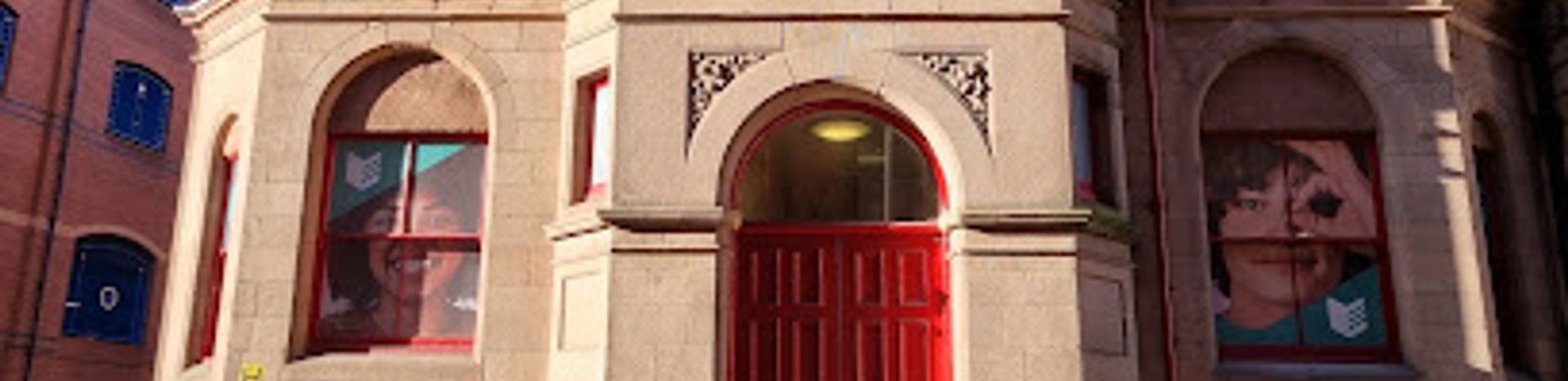
16 Stoney Street: A Historic Nottingham Lace Market Heritage Building
Discover 16 Stoney Street, a preserved Victorian lace warehouse in Nottingham’s historic Lace Market, echoing the city’s rich industrial heritage.
16 Stoney Street is a Grade II listed heritage building located in Nottingham's historic Lace Market district. Dating back to the 19th century, it stands as a testament to Nottingham's rich lace manufacturing past and Victorian architectural style. Adjacent to the iconic Adams Building, it reflects the area's industrial heritage and the legacy of lace merchants who shaped the local economy and community.
A brief summary to 16 Stoney Street
- 16 Stoney St, Nottingham, NG1 1LH, GB
- Duration: 0.5 to 2 hours
- Free
-
 Outdoor
- Mobile reception: 4 out of 5
Local tips
- Explore the nearby Adams Building to deepen your understanding of Nottingham’s lace industry and Victorian architecture.
- Visit during weekdays to experience the building as part of Nottingham College’s vibrant educational environment.
- Take time to walk the surrounding Lace Market streets to appreciate the historic urban fabric and industrial heritage.

For the on-the-go comforts that matter to you
- Restrooms
- Drink Options
- Food Options
- Seating Areas
- Information Boards
Getting There
-
Bus
Multiple Nottingham city bus routes serve stops within a 5-10 minute walk of 16 Stoney Street. Buses run frequently throughout the day with fares typically between £2.50 and £4.00 for single journeys.
-
Tram
The Nottingham Express Transit tram network stops at Lace Market tram stop, approximately 10 minutes on foot from 16 Stoney Street. Trams operate every 7-15 minutes, with single fares around £2.50.
-
Taxi
Taxis are readily available in Nottingham city center and can reach 16 Stoney Street in under 10 minutes depending on traffic. Typical fares range from £5 to £10.
-
Walking
If staying nearby, walking to 16 Stoney Street is pleasant via cobbled streets of the Lace Market district. Terrain is mostly flat but with uneven surfaces typical of historic areas; suitable for most visitors.
16 Stoney Street location weather suitability
-
 Any Weather
-
 Rain / Wet Weather
-
 Clear Skies
-
 Mild Temperatures
Discover more about 16 Stoney Street
Architectural Heritage and Historical Significance
16 Stoney Street is a Grade II listed building, recognized for its architectural and historic importance within Nottingham's Lace Market. This area was the heart of the city's lace manufacturing industry during the 19th century. The building itself exemplifies Victorian industrial architecture, featuring traditional brickwork and design elements typical of lace warehouses and merchant premises of that era. Its preservation contributes to understanding Nottingham’s transformation during the Industrial Revolution and the rise of lace as a global commodity.The Lace Market Context and Industrial Legacy
Situated in the Lace Market, one of Nottingham’s oldest districts, 16 Stoney Street is part of a tightly knit network of narrow streets and historic warehouses that once buzzed with lace production activity. The Lace Market evolved from a Saxon settlement into a commercial and cultural hub by the Middle Ages, eventually becoming synonymous with lace manufacturing. The district’s character is defined by high-density Victorian warehouses, narrow cobbled streets, and a rich industrial heritage that 16 Stoney Street helps to embody.Connection to Nottingham’s Lace Merchants and Community
The building is closely linked to Nottingham’s lace merchants, who were influential figures in the city’s economy and social fabric. Nearby, the Adams Building—also a former lace warehouse—is a symbol of this legacy, built by Thomas Adams, a notable lace merchant known for his progressive employment practices. 16 Stoney Street complements this narrative, standing as a physical reminder of the merchant class that drove innovation and growth in the lace industry while fostering community welfare.Modern Use and Preservation Efforts
Today, 16 Stoney Street is part of Nottingham College’s campus, integrated within the educational and creative fabric of the city. The building’s conservation ensures the continuation of its historical narrative while supporting modern uses such as fashion and textile education. Preservation efforts emphasize maintaining original features, including brickwork and window designs, to retain its authentic Victorian character. This adaptive reuse highlights the balance between heritage and contemporary urban life.Atmosphere and Visitor Experience
Visitors to 16 Stoney Street experience a tangible connection to Nottingham’s industrial past. The surrounding Lace Market area, with its cobbled streets and historic buildings, offers a unique ambiance that blends history with vibrant urban culture. The building’s proximity to other landmarks and creative spaces makes it a significant point of interest for those exploring Nottingham’s heritage, architecture, and the story of lace manufacturing.Architectural Details and Visual Appeal
The building’s façade features period brickwork and window arrangements characteristic of mid-19th century industrial design. Its scale and style harmonize with adjacent structures, contributing to the cohesive historic streetscape of Stoney Street. The preservation of these architectural details allows for appreciation of Victorian craftsmanship and the industrial aesthetic that defines much of Nottingham’s Lace Market district.For the vibe & atmosphere seeker
- Historic
- Scenic
- Unique
- Casual
For the design and aesthetic lover
- Vintage Styles
- Rustic Designs
For the architecture buff
- Historic
- Heritage Neighborhoods
For the view chaser and sunset hunter
- Iconic Views
For the social media creator & influencer
- Instagrammable
- Photo Spots
- Architectural Shots
For the eco-conscious traveler
- Protected Area
- Public-Transport Accessible
- Locally Managed
For the kind of experience you’re after
- Cultural Heritage
- Photowalk
- Day Trip
- Weekend Getaway
For how adventurous you want the journey to be
- Easy Access
Location Audience
- Family Friendly
- Senior Friendly
- Child Friendly
- Teen Friendly
- Solo Friendly
- Couple Friendly
- Vegetarian Friendly
- Vegan Friendly


