

Free Nottingham Travel Guide & Mobile App
Plan your Nottingham trip with Evendo. Get free guides to top attractions, restaurants, hotels, and bars. Web access or download the mobile app.


Nottingham blends Robin Hood legend, medieval streets, grand civic architecture, museums, lively culture and leafy escapes in the English Midlands.
History in the City
Nottingham occupies a distinctive place in the English Midlands, with a city centre shaped by sandstone cliffs, medieval lanes and the enduring legend of Robin Hood. Its historic core brings together the remains of Nottingham Castle, the atmospheric Lace Market, the City of Caves and churches whose foundations reach back to the Middle Ages. Beneath the streets, an extensive network of hand-cut sandstone caves reveals how homes, cellars, breweries and industrial spaces once occupied the rock beneath the city.Read more about Nottingham
Culture and City Life
Green Spaces and Surroundings
When is the best time to visit Nottingham?
Best: June–August · 20–22°C| Month | High (°C) | Rainfall (mm) |
|---|---|---|
| January | 7 | 60 |
| February | 8 | 50 |
| March | 11 | 55 |
| April | 14 | 50 |
| May | 17 | 55 |
| June (best) | 20 | 60 |
| July (best) | 22 | 65 |
| August (best) | 22 | 65 |
| September | 19 | 60 |
| October | 14 | 65 |
| November | 10 | 70 |
| December | 7 | 65 |
Getting to and around Nottingham
How to get there
Transportation
Best attractions in Nottingham
Nottingham Castle introduces the city’s medieval story and Robin Hood associations while housing galleries and exhibitions on local art and history. Beneath the centre, the City of Caves leads visitors through hand-cut sandstone spaces that reveal former domestic and industrial uses. The National Justice Museum, in the former Shire Hall and County Gaol, explores crime, punishment and the British legal system through historic courtrooms and cells. Wollaton Hall, an Elizabethan country house in a deer park, combines natural-history displays with extensive grounds, while nearby Nottingham Natural History Museum adds further context. In the city centre, Nottingham Contemporary presents changing modern-art exhibitions in a striking building above the Lace Market. The Theatre Royal and Royal Concert Hall provide major venues for drama, dance, music and touring productions, while the Arboretum offers a quieter landscape of mature trees, gardens and Victorian park design.
-
Park and Garden
Wollaton Hall, Gardens and Deer Park
Elizabethan mansion, 500-acre deer park and natural history museum on the edge of Nottingham.
12 min drive · 3.9 km from city centre
-
Shopping Centre
Victoria Centre
Shop, dine, and unwind at Nottingham’s vibrant Victoria Centre, the city’s ultimate retail and leisure destination.
4 min walk · 0.3 km from city centre
-
Performing arts theatre
Theatre Royal & Royal Concert Hall
Nottingham’s historic Theatre Royal and modern Royal Concert Hall host West End musicals, concerts, comedy and more in the heart of the city.
2 min walk · 0.2 km from city centre
-
Pub
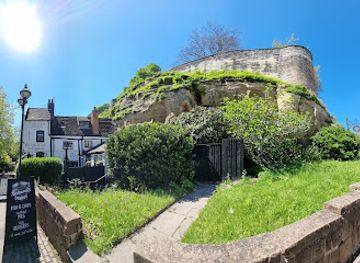
Ye Olde Trip To Jerusalem
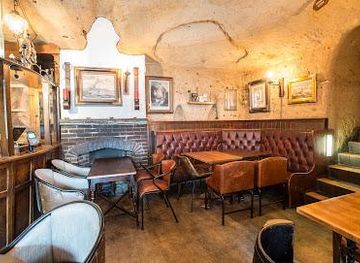
Tucked beneath Nottingham Castle, this legendary pub claims to be England’s oldest inn, with cave-like rooms, centuries of history, and a famously cursed galleon.
6 min walk · 0.5 km from city centre


Best landmarks in Nottingham
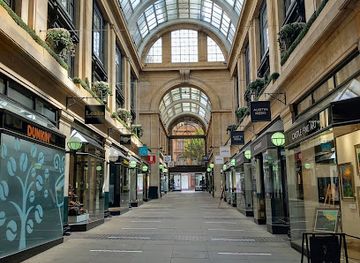
Nottingham Castle occupies a sandstone promontory above the city and carries the strongest physical connection with the area’s medieval power, even though much of the present building is later than the original fortress. The Church of St Mary the Virgin in the Lace Market is one of Nottingham’s most important medieval buildings, with a long history tied to the old town. The Council House dominates Old Market Square with its grand dome and civic Beaux-Arts design, while the adjacent Exchange Arcade adds an ornate Edwardian commercial setting. Wollaton Hall, built in the Elizabethan period, is a major country-house landmark in the city’s western landscape. The Albert Hall, Nottingham Cathedral and the former Shire Hall, now the National Justice Museum, add religious, cultural and judicial dimensions to the city’s architectural record.
-
Pub
The Hemlock Stone
Towering sandstone sentinel amid Nottinghamshire woods, blending ancient geology, whispered legends, and sweeping valley views for an effortless nature immersion.
16 min drive · 5.3 km from city centre
-
 Historical landmark
Old Market Square
Historic and lively, Nottingham’s Old Market Square is the city’s grand civic heart and a vibrant hub for events, markets, and social life.
1 min walk · 0.1 km from city centre
-
Catholic cathedral
St Barnabas Cathedral Nottingham
A Gothic Revival masterpiece in the heart of Nottingham, home to centuries of Catholic worship and Pugin’s architectural vision.
6 min walk · 0.5 km from city centre
-
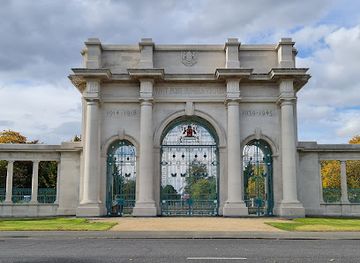
Memorial
Nottingham War Memorial Gardens
Nottingham's largest memorial to the World Wars, where history and nature converge along the River Trent.
7 min drive · 2.2 km from city centre

Explore Nottingham on the map
Plan your Nottingham trip on one map. See where the top attractions, landmarks, restaurants, bars and hotels are, find what's near where you're staying, and book hotels and experiences in a few clicks.
Neighbourhoods in Nottingham
-

-

-

-

-


Swipe for more neighbourhoods
Best hotels in Nottingham
Best restaurants in Nottingham
Nottingham’s dining scene reflects its Midlands setting and the city’s large student and professional population. Traditional British cooking appears alongside independent cafés, bakeries, gastropubs and restaurants shaped by South Asian, Middle Eastern, East Asian and European communities. The Lace Market and Hockley contain many of the city centre’s varied dining rooms, while Canning Circus, Lenton and nearby neighbourhoods add cafés and informal eateries. Local produce from Nottinghamshire and the wider East Midlands appears seasonally on contemporary menus, and the city’s brewing history remains visible in its pubs and beer-led venues. Food markets and independent traders provide options for quick meals and specialist ingredients, while the area around Victoria Market and Sneinton Market contributes to the city’s small-scale food culture. Dining ranges from practical daytime cafés to more formal restaurants in converted industrial and civic buildings.
-
Caribbean
Turtle Bay Nottingham
Experience authentic Caribbean flavours and tropical vibes in the heart of Nottingham’s lively Cornerhouse complex.
4 min walk · 0.3 km from city centre
-
Pub
Ye Olde Trip To Jerusalem
Step into England’s oldest inn, where medieval caves and legends blend with cozy bars beneath Nottingham Castle.
6 min walk · 0.5 km from city centre
-
Hamburger
Annie's Burger Shack
Vibrant American diner in Nottingham’s Lace Market, serving over 30 creative burgers with vegan options and craft beers in a lively, casual setting.
7 min walk · 0.5 km from city centre
-
Thai
Zaap Thai Street Food
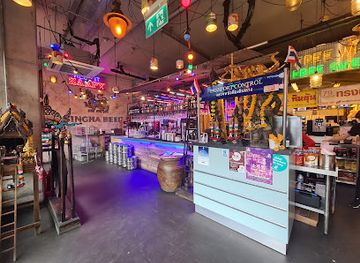
Experience the vibrant streets of Bangkok through authentic Thai street food, lively atmosphere, and quirky decor in the heart of Nottingham.
3 min walk · 0.2 km from city centre
Best bars in Nottingham
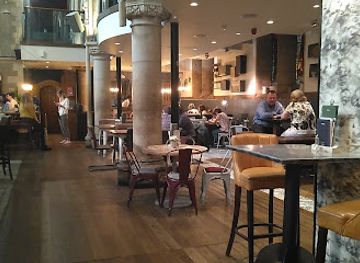
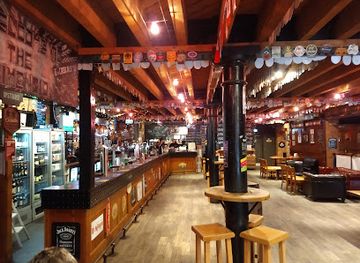
Nottingham has a substantial evening scene shaped by its universities, theatres and compact central districts. Hockley and the Lace Market are associated with cocktail bars, independent pubs, late venues and live entertainment, while the area around Old Market Square and Friar Lane offers a broader mixture of bars and traditional city-centre drinking places. The city’s theatres and Royal Concert Hall provide alternatives to nightlife based around alcohol, with touring drama, dance, comedy and music throughout the year. Live music can be found in established venues across the centre and surrounding neighbourhoods, and student areas add energetic club nights during university terms. The character changes noticeably across the week and between term time and holidays, so visitors should check current venue information rather than assume every venue operates nightly.
-
Pub
Ye Olde Trip To Jerusalem
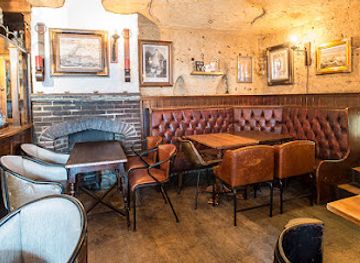
England's storied brewhouse pub, carved into Castle Rock with crusader legends, cave bars, and a cursed galleon—where history flows as freely as the ale.
6 min walk · 0.5 km from city centre
-
Bar
Pitcher & Piano Nottingham
Historic Gothic church transformed into a vibrant Nottingham bar with creative cocktails and hearty British pub fare in a stunning setting.
7 min walk · 0.5 km from city centre
-
Pub
Canalhouse
Experience Nottingham’s unique canal-side pub with award-winning craft beers, historic charm, and a lively atmosphere in the heart of the city.
8 min walk · 0.6 km from city centre
-
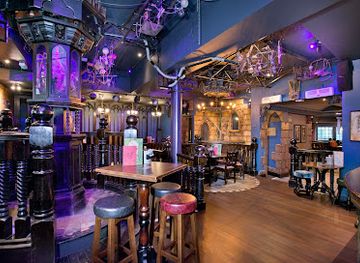
Pub
Pit & Pendulum
Step into Nottingham’s gothic heart at The Pit & Pendulum, a unique pub blending dark medieval charm with vibrant alternative nightlife.
4 min walk · 0.3 km from city centre
Best nightclubs in Nottingham
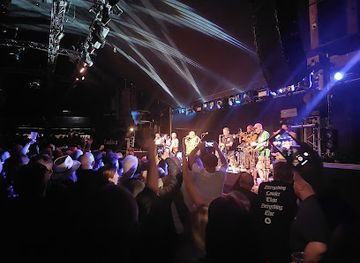
Nottingham has a substantial evening scene shaped by its universities, theatres and compact central districts. Hockley and the Lace Market are associated with cocktail bars, independent pubs, late venues and live entertainment, while the area around Old Market Square and Friar Lane offers a broader mixture of bars and traditional city-centre drinking places. The city’s theatres and Royal Concert Hall provide alternatives to nightlife based around alcohol, with touring drama, dance, comedy and music throughout the year. Live music can be found in established venues across the centre and surrounding neighbourhoods, and student areas add energetic club nights during university terms. The character changes noticeably across the week and between term time and holidays, so visitors should check current venue information rather than assume every venue operates nightly.
-
Nightclub
Rock City
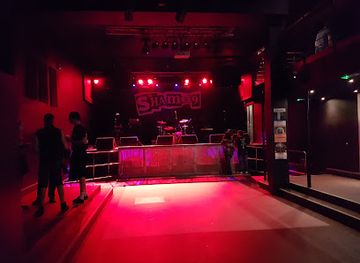
Experience Nottingham’s iconic live music and nightclub venue, where legendary acts and vibrant club nights come alive in an intimate, energetic setting.
5 min walk · 0.4 km from city centre
-
Nightclub
Rescue Rooms
Nottingham's intimate live music powerhouse: raw gigs, electric crowds, and beats till 3am in a historic nook.
4 min walk · 0.4 km from city centre
-
Nightclub
The Bodega Nottingham
A lively Nottingham hotspot blending intimate live gigs, club nights, and affordable drinks in a cherished alternative music venue.
4 min walk · 0.3 km from city centre
-
Nightclub
Popworld - Nottingham
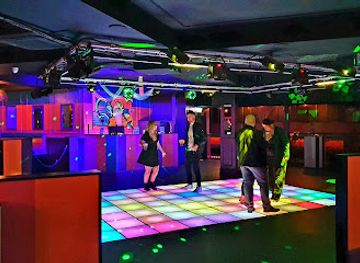
Nottingham’s lively late-night nightclub where cheesy pop hits and fun cocktails create unforgettable party nights.
2 min walk · 0.2 km from city centre

Best shops in Nottingham
Nottingham combines familiar high-street retail with independent shopping in districts that retain a strong architectural character. Old Market Square leads into the main city-centre shopping streets, while the Victoria Centre provides a large indoor retail complex. Hockley is associated with independent fashion, design, vintage clothing, cafés and creative businesses, and the Lace Market contains specialist shops in former warehouses and industrial buildings. Sneinton Market supports studios, makers and small enterprises, adding a contemporary creative dimension beyond conventional retail. Visitors looking for locally connected gifts may find Nottingham lace, regional food products, independent artwork and Robin Hood-themed souvenirs, although quality and provenance vary between sellers. The city’s markets and small retailers are particularly useful for browsing rather than simply seeking international brands, and opening patterns can differ among independent businesses.
-
Clothing Shop
Primark
Explore vast, affordable fashion and home goods at Primark Nottingham, a lively city centre store with accessibility and style for all.
2 min walk · 0.1 km from city centre
-
Antique Shop
Hopkinson
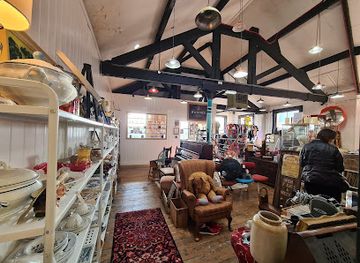
Discover four floors of vintage magic, antiques, crafts, and café charm at Nottingham's quirkiest treasure trove by the station.
9 min walk · 0.7 km from city centre
-
Shopping Centre
The Exchange (Exchange Arcade)
Discover Nottingham’s oldest shopping arcade, blending historic grandeur with exclusive designer stores beneath a stunning 200ft dome.
2 min walk · 0.1 km from city centre
-
Gift shop
Flying Tiger Copenhagen
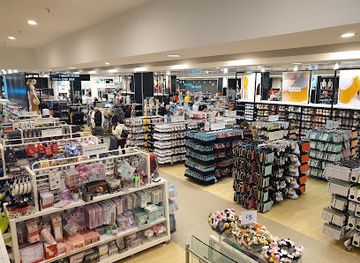
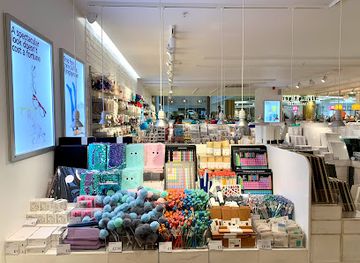
Discover quirky Danish design and affordable everyday essentials at Flying Tiger Copenhagen in Nottingham’s vibrant Victoria Centre.
5 min walk · 0.4 km from city centre
Get your free copy of our complete guide to Nottingham, delivered straight to you.
Everything on this page, from attractions and restaurants to essentials and local phrases, in one PDF you can read offline, print or share.
Already have an account? Sign in
Your Nottingham guide is ready.
We'll send it to · Not you? Sign out

Getting your guide ready…
We are putting together a fresh copy of the Nottingham guide. This can take up to a minute.
This can take a few moments. If your browser asks, choose Allow so the download can start. You'll find the guide in your Downloads folder.
Nothing happened? Download it again
Sorry, the guide is taking longer than usual. Please try again in a minute, or get it by email instead.
Nottingham essentials
Currency and Payment
Safety
Emergency Situations
Do's and Don'ts
Local Tips
From Eve
Local phrases worth knowing
You don't need to get them perfect. A few words go a long way, and locals appreciate the effort.
Basics
| English | Local | Say it |
|---|---|---|
| Hello | Ay up | [Eɪ ʌp] |
| Goodbye | Ta-ra | [Tɑː-rɑː] |
| Yes | Aye | [Aɪ] |
| No | Nah | [Nɑː] |
| Please/You're welcome | Please | [Pliːz] |
| Thank you | Cheers | [ʧɪəz] |
| Excuse me/Sorry | Sorry | [ˈsɒri] |
| How are you? | Ow do? | [aʊ duː] |
| Fine. And you? | Reet. An you? | [riːt. ənd juː] |
| Do you speak English? | D'ya speak English? | [dʒə spiːk ˈɪŋɡlɪʃ] |
| I don't understand | Ah don’t get it | [ɑː dɒnt ɡɛt ɪt] |
Eating & Drinking
| English | Local | Say it |
|---|---|---|
| I'd like to see the menu, please | Can I see the menu, please? | [kæn aɪ siː ðə ˈmɛnjuː pliːz] |
| I don't eat meat | Ah don’t eat meat | [ɑː dɒnt iːt miːt] |
| Cheers! | Cheers! | [ʧɪəz] |
| I would like to pay, please | Can I pay, please? | [kæn aɪ peɪ pliːz] |
Emergencies
| English | Local | Say it |
|---|---|---|
| Help! | Help! | [hɛlp] |
| Go away! | Get lost! | [ɡɛt lɒst] |
| Call the Police! | Ring the bobbies! | [rɪŋ ðə ˈbɒbiz] |
| Call a doctor! | Get a doc! | [ɡɛt ə dɒk] |
| I'm lost | Ah'm lost | [ɑːm lɒst] |
| I'm ill | Ah'm poorly | [ɑːm ˈpʊəli] |
Shopping
| English | Local | Say it |
|---|---|---|
| I'd like to buy... | I want to buy... | [aɪ wɒnt tə baɪ] |
| I'm just looking | Just browsing | [dʒʌst ˈbraʊzɪŋ] |
| How much is it? | How much's this? | [haʊ mʌʧz ðɪs] |
| That's too expensive | That's a bit dear | [ðæts ə bɪt dɪə] |
| Can you lower the price? | Can ya knock the price down? | [kæn jə nɒk ðə praɪs daʊn] |
Time & Numbers
| English | Local | Say it |
|---|---|---|
| What time is it? | Wot time is it? | [wɒt taɪm ɪz ɪt] |
| It's one o'clock | It's one o'clock | [ɪts wʌn əˈklɒk] |
| Half past (10) | Half past ten | [hɑːf pɑːst tɛn] |
| Morning | Mornin' | [ˈmɔːnɪn] |
| Afternoon | Arvo | [ˈɑːvəʊ] |
| Evening | Evenin' | [ˈiːvnɪn] |
| Yesterday | Yesterday | [ˈjɛstədeɪ] |
| Today | Today | [təˈdeɪ] |
| Tomorrow | Tomorrow | [təˈmɒrəʊ] |
| 1 | One | [wʌn] |
| 2 | Two | [tuː] |
| 3 | Three | [θriː] |
| 4 | Four | [fɔː] |
| 5 | Five | [faɪv] |
| 6 | Six | [sɪks] |
| 7 | Seven | [ˈsɛvən] |
| 8 | Eight | [eɪt] |
| 9 | Nine | [naɪn] |
| 10 | Ten | [tɛn] |
Transport & Directions
| English | Local | Say it |
|---|---|---|
| Where's a/the...? | Where's the...? | [wɛrz ðə] |
| What's the address? | Wot’s the address? | [wɒts ðə əˈdrɛs] |
| Can you show me (on the map)? | Can ya show me on the map? | [kæn jə ʃoʊ mi ɒn ðə mɛp] |
| When's the next (bus)? | When's the next bus? | [wɛnʔs ðə nɛkst bʌs] |
| A ticket (to ....) | A ticket to... | [ə ˈtɪkɪt tə] |
History of Nottingham
Snotengaham and the Norman Borough
Nottingham’s name derives from the Old English Snotengaham, generally understood as the settlement of Snot’s people. An Anglo-Saxon community developed around the crossing of the River Trent and the sandstone ridge, and the town was recorded in the Domesday Book of 1086. After the Norman Conquest, William the Conqueror ordered a castle to be established here in 1068, marking Nottingham’s strategic importance between the north and south of England. A separate French-influenced borough grew beside the older English settlement, creating the divided medieval town whose contrasting street patterns still influence the city centre.
Medieval Trade and Civic Growth
During the Middle Ages, Nottingham prospered as a market and trading centre connected to the roads of the Midlands. Wool and cloth were especially important, while merchants, religious communities and craft guilds shaped the town’s economy and built its churches, inns and commercial streets. Nottingham’s sandstone was cut into cellars, workshops and dwellings, producing the extensive cave network beneath the centre. The castle served both as a royal stronghold and as a focus for political power, although the present building largely reflects later reconstruction rather than the medieval structure itself.
Reformation, Civil War and Restoration
Religious change during the sixteenth-century Reformation altered Nottingham’s monasteries and churches, while the town remained involved in the political conflicts that unsettled England. In 1642, at the beginning of the English Civil War, Charles I raised his standard at Nottingham, an act that symbolically announced his opposition to Parliament. The town and castle subsequently experienced the pressures of the conflict before the monarchy was restored in 1660. Later rebuilding, including work associated with the Duke of Newcastle, transformed the castle site into a more residential and ceremonial seat, helping to create the layered appearance visible today.
Lace and the Industrial City
Nottingham’s most influential modern industry was lace manufacture. From the late eighteenth century, mechanised production and skilled finishing turned the town into an international centre for lace, drawing workers, merchants and manufacturers into expanding districts such as the Lace Market. Warehouses, workshops and narrow streets survive as evidence of this commercial era. Industrial growth also brought overcrowding and social inequality, prompting improvements in sanitation, housing and civic administration. The industry declined during the twentieth century, but its buildings and name remain central to Nottingham’s identity, while the former warehouses now accommodate cultural venues, offices, restaurants and independent businesses.
Luddism and Social Change
The Nottingham area was a major centre of the Luddite movement between 1811 and 1816, when framework knitters and other textile workers resisted machinery and changing labour conditions that they believed threatened their livelihoods. The movement reflected wider tensions created by industrialisation, poor wages and limited political representation rather than a simple opposition to technology. Nottingham’s textile economy also supported strong traditions of skilled workmanship and organised labour. These social histories are represented in the city’s industrial districts and museums, where the development of manufacturing is considered alongside the experiences of the workers who sustained it.
Victorian Expansion and Contemporary Nottingham
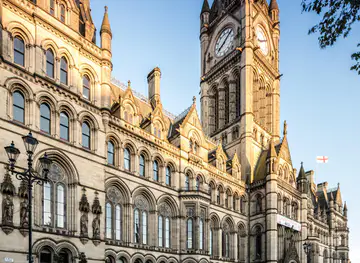
Railways, municipal reform and population growth reshaped Nottingham during the nineteenth century. New public buildings, theatres, schools and transport connections accompanied the city’s expansion beyond the medieval centre, while civic institutions asserted Nottingham’s status as a major regional city. The Council House and surrounding Beaux-Arts buildings gave Old Market Square a grand public focus in the early twentieth century. After the decline of lace and other traditional industries, Nottingham developed as a centre for education, healthcare, culture, retail and services. Today, university life, creative districts and restored industrial heritage sit alongside the older churches, caves and civic architecture.
Nottingham in Photos
Browse through our photo collection highlighting the charm and character of the destination.
Cities near Nottingham
The closest cities to Nottingham, if you have time for more than one stop.
-

-

-

-
-


Swipe for more cities
Explore more

Explore more of United Kingdom
Discover the United Kingdom: A blend of rich history, stunning landscapes, and vibrant cities, offering a unique travel experience for every visitor.
Explore United Kingdom