
Oxford University Museum of Natural History
Explore Earth's natural wonders in a breathtaking neo-Gothic museum, home to iconic dinosaurs, rare fossils, and vibrant live exhibits in Oxford.
The Oxford University Museum of Natural History is a stunning neo-Gothic building in the heart of Oxford, housing over seven million specimens spanning geology, zoology, and paleontology. Famous for its dinosaur skeletons, minerals, fossils, and live insect displays, the museum offers a captivating journey through Earth's natural history. Entry is free, with daily opening hours from 10am to 5pm, making it an accessible and enriching experience for all ages.
A brief summary to Oxford University Museum of Natural History
- Parks Rd, Oxford, OX1 3PW, GB
- +441865272950
- Visit website
- Duration: 1 to 2 hours
- Free
-
 Indoor
- Mobile reception: 4 out of 5
- Monday 10 am-5 pm
- Tuesday 10 am-5 pm
- Wednesday 10 am-5 pm
- Thursday 10 am-5 pm
- Friday 10 am-5 pm
- Saturday 10 am-5 pm
- Sunday 10 am-5 pm
Local tips
- Arrive at least an hour before closing to fully explore the extensive collections and interactive exhibits.
- Don’t miss the live insect displays on the first floor for a unique perspective on smaller natural wonders.
- Visit the adjoining Pitt Rivers Museum in the same building for a complementary experience of anthropology and archaeology.
- Use public transport or Park and Ride services as there is no parking available at the museum.
- Check the museum’s website for special events, workshops, and temporary exhibitions during your visit.

For the on-the-go comforts that matter to you
- Restrooms
- Drink Options
- Food Options
- Seating Areas
- Trash Bins
- Information Boards
- Visitor Center
Getting There
-
Bus
Regular buses (500, 14, 14A) run from Oxford Railway Station to Keble Road bus stop, about eight stops away, followed by a 5-10 minute walk to the museum. Day tickets cost around £5-£7, offering flexible travel across Oxford.
-
Train and Walk
Oxford Railway Station is approximately a 20-minute walk to the museum through central Oxford streets. The route is mostly flat and accessible, suitable for most visitors.
-
Park and Ride
Use Oxford’s Park and Ride services from city outskirts, which connect to central bus stops near the museum. This is a convenient and eco-friendly option to avoid city centre parking restrictions.
-
Cycling
Oxford is bike-friendly with dedicated cycle routes to the museum on Parks Road. Secure bike parking is available nearby, making cycling a quick and sustainable choice.
Oxford University Museum of Natural History location weather suitability
-
 Any Weather
-
 Rain / Wet Weather
-
 Clear Skies
-
 Mild Temperatures
Discover more about Oxford University Museum of Natural History
Architectural Grandeur and Historical Roots
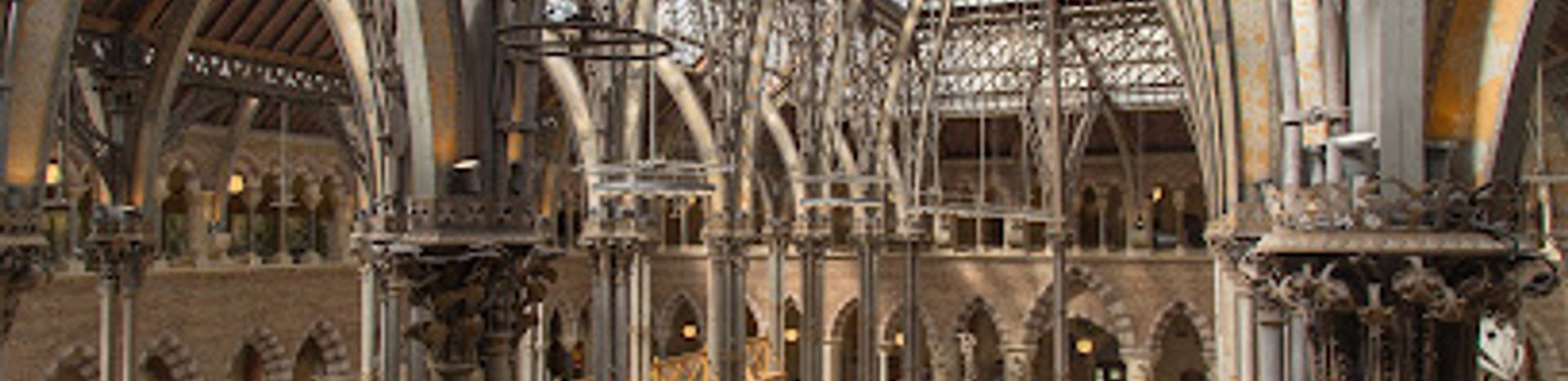
The Oxford University Museum of Natural History stands as a magnificent example of neo-Gothic architecture, designed in the mid-19th century with input from John Ruskin and the Pre-Raphaelite Brotherhood. The building's soaring iron pillars, intricate stone columns, and expansive glass roof create a light-filled, cathedral-like space known as the Great Court. This architectural masterpiece was purpose-built to house the university's natural history collections, opening in 1860 as a centre for scientific study and public education.World-Class Collections and Scientific Significance
The museum holds over seven million specimens, ranging from fossils and minerals to zoological samples. It is home to the world's first scientifically described dinosaur, Megalosaurus bucklandii, and the famous Oxford Dodo, the only soft tissue remains of this extinct bird. The collections span billions of years of Earth's history, featuring Middle Jurassic dinosaurs, exceptionally preserved fossils, and a vast array of minerals and zoological specimens. The museum continues to serve as a hub for cutting-edge research and education.Engaging Exhibits and Visitor Experience
Visitors can marvel at towering dinosaur skeletons in the main hall, explore dazzling mineral displays, and observe live insect colonies on the first floor. Interactive exhibits allow tactile engagement with replicas of fossils and taxidermy, enhancing the learning experience. The museum also hosts a lively programme of events, workshops, and activities for all ages, making it a dynamic and family-friendly destination.Connection to Oxford’s Academic Heritage
Situated on Parks Road, the museum is part of the University of Oxford's Gardens, Libraries and Museums group. It shares its building with the Pitt Rivers Museum of anthropology and archaeology, allowing visitors to explore a rich tapestry of natural and cultural history in one visit. The museum’s lecture theatre remains active, supporting university teaching and public lectures.Accessibility and Visitor Amenities
The museum offers free entry daily from 10am to 5pm, with last admission at 4:45pm. Booking is recommended for groups over ten. There is no parking on-site, but the museum encourages sustainable travel options, including buses, cycling, and Park and Ride services. Amenities include a café overlooking the dinosaur displays, a gift shop, restrooms, and seating areas, ensuring a comfortable visit.Legacy and Cultural Impact
The museum is renowned not only for its scientific importance but also for its cultural influence. It hosted a pivotal debate on Darwin’s theory of evolution in 1860 and inspired literary works such as Lewis Carroll’s Alice in Wonderland. Its blend of architectural beauty and scientific wonder continues to inspire curiosity and discovery among visitors from around the world.For the vibe & atmosphere seeker
- Scenic
- Relaxing
- Educational
- Unique
- Family Friendly
For the design and aesthetic lover
- Vintage Styles
- Art Deco Styles
For the architecture buff
- Historic
- Landmarks
- Art & Design
- Heritage Neighborhoods
For the view chaser and sunset hunter
- Iconic Views
- Panoramas
For the social media creator & influencer
- Instagrammable
- Photo Spots
- Architectural Shots
For the eco-conscious traveler
- Sustainable
- Eco-Friendly
- Public-Transport Accessible
- Leave-No-Trace Critical
- Locally Managed
For the kind of experience you’re after
- Cultural Heritage
- Photowalk
- Day Trip
- Weekend Getaway
- Festival / Event Nearby
For how adventurous you want the journey to be
- Easy Access
Location Audience
- Family Friendly
- Senior Friendly
- Child Friendly
- Teen Friendly
- Wheelchair Access
- Pet Friendly
- Solo Friendly
- Couple Friendly
- Solo Female Friendly
- Vegetarian Friendly
- Vegan Friendly


