Stonor Park: An Enduring Legacy of History, Faith, and Nature
Explore Stonor Park, an 850-year-old family home with ancient stone circles, secret chapels, and tranquil gardens in the heart of the Chiltern Hills.
Stonor Park, near Henley-on-Thames in Oxfordshire, is one of England’s oldest family homes, inhabited by the Stonor family for over 850 years. This historic estate features a medieval country house with a private 12th-century chapel, ancient stone circle remains, and extensive Italianate gardens. The parkland hosts fallow deer roaming freely, while the house holds remarkable art, family portraits, and relics tied to the Catholic recusant history. Visitors experience a blend of architectural evolution, natural beauty, and centuries of cultural heritage.
A brief summary to Stonor Park
- Henley-on-Thames, Stonor, RG9 6HF, GB
- Click to display
- Click to display
- Duration: 2 to 4 hours
- Mid ranged
-
 Outdoor
- Mobile reception: 4 out of 5

Know before you go
Hi, I'm Eve. Here are a few practical things to know before exploring Stonor Park.
- Allow at least 2-3 hours to fully explore the house, chapel, gardens, and grounds.
- Visit the private chapel to appreciate its medieval architecture and the embedded ancient stone.
- Don’t miss the prehistoric stone circle remains scattered around the estate grounds.
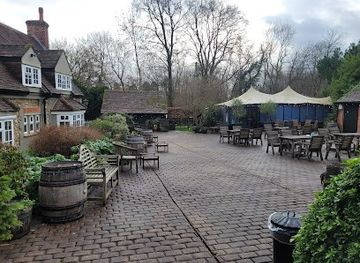
- Enjoy a refreshment break at the Stonor Pantry café located in the historic part of the house.
- Wear comfortable shoes for walking the extensive parkland and gardens, which include some slopes.
Do you manage this location?
Take control to get all the benefits, like improved information, better appearance, and stronger visibility across AI-powered discovery. Learn more
Activate your presenceOther nearby places you may find interesting

Getting There
-
Car
Driving from London or nearby cities, take the M40 motorway to Junction 6, then follow local roads to Stonor Park. The journey typically takes 50 to 70 minutes depending on traffic. Free parking is available on-site. Note that SatNav may add time if not set to Junction 6.
-
Train and Taxi
Take a train to Henley-on-Thames railway station from London Paddington or Reading, with journey times ranging from 40 to 60 minutes. From Henley station, taxis are available and take approximately 15 to 20 minutes to reach Stonor Park, costing around £15–£20. Public transport options beyond this are limited.
-
Walking
For experienced walkers, a scenic but physically demanding 90-minute walk from Henley-on-Thames town center to Stonor Park is possible via rural paths and lanes. Terrain includes some slopes and uneven surfaces, so suitable footwear and fitness are required.
For the on-the-go comforts that matter to you
-
 Restrooms
-
 Drink Options
-
 Food Options
-
 Seating Areas
-
 Picnic Areas
-
 Information Boards
-
 Visitor Center
Discover more about Stonor Park
Roots of a Historic Family Estate
Stonor Park has been the ancestral home of the Stonor family for more than eight centuries, making it one of England’s longest continuously inhabited family estates. The origins of the house date back to the late 12th century, with the oldest parts including the pantry and the private chapel built shortly after. Over time, the house evolved through medieval, Tudor, and Georgian architectural phases, culminating in the distinctive E-shaped layout established around 1540. The red brick façade conceals a rich tapestry of history, with each room showcasing family portraits, tapestries, and artefacts that chronicle generations of service and resilience.Faith and Defiance Through the Ages
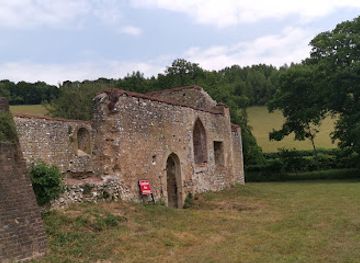
The Stonor family’s steadfast Roman Catholic faith profoundly shaped the estate’s history. During the English Reformation, the family faced persecution for their recusancy—refusing to conform to the Church of England. The 13th-century Chapel of the Blessed Trinity served as a sanctuary for Jesuit priests like Edmund Campion, who hid here and printed his famous pamphlet in secret. Despite raids, fines, and exile, the family maintained their faith, allowing local villagers to attend Mass in their private chapel. This spiritual legacy is palpable throughout the estate, symbolized by the chapel’s incorporation of an ancient stone from the prehistoric circle beneath.The Ancient Stone Circle and Landscape
Stonor Park is uniquely situated on the site of a prehistoric stone circle dating back some 5,000 years. The remains of this ancient monument are still visible in the grounds, with one of the stones embedded in the chapel’s southeast corner, symbolizing the continuity of sacred space. The stones, a mix of sarsen and puddingstone, were repositioned during landscaping in the 17th and 20th centuries but retain their enigmatic presence. The estate’s rolling Chiltern Hills setting, Italianate gardens, and deer park create a serene natural environment that complements the historic architecture.Gardens and Grounds: A Living Heritage
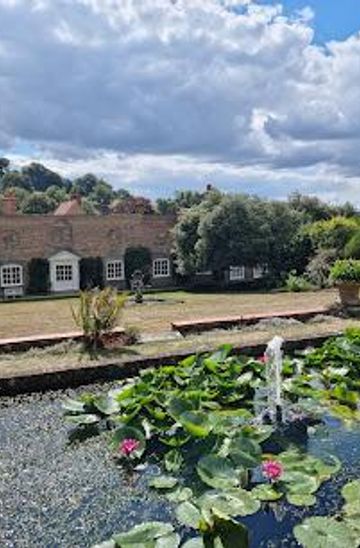
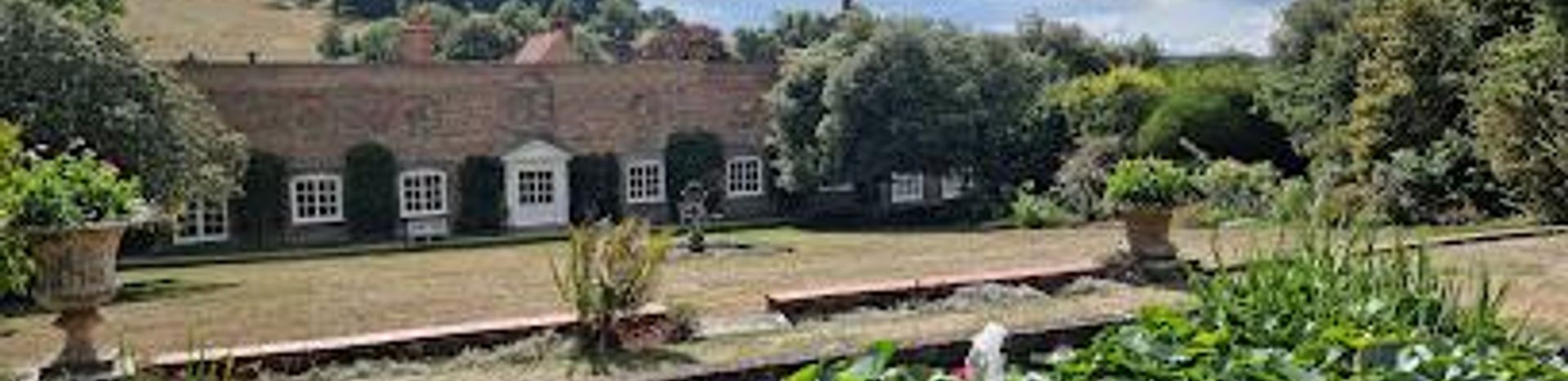
The gardens at Stonor Park reflect centuries of horticultural evolution, with records dating back to the late 14th century. Visitors can explore the 17th-century Italianate pleasure garden featuring ponds, fountains, and elegant terraces. The walled kitchen garden, originally vast and productive, now offers a glimpse into historic gardening practices. The parkland is home to a herd of fallow deer that roam freely, enhancing the estate’s tranquil and pastoral atmosphere. Recent restoration efforts continue to preserve and enhance the gardens, blending historical authenticity with contemporary stewardship.A Living Family Home and Cultural Treasure
Unlike many stately homes, Stonor Park remains a lived-in family residence, preserving its character and stories without becoming a museum. The current custodians, the Hon. William Stonor and Lady Ailsa, continue the family’s legacy of care and openness. Visitors can enjoy not only the architectural and natural beauty but also the rich cultural heritage embodied in the house’s collections of global art, historic maps, and documents. The estate offers a vivid, immersive experience of English history, faith, and landscape, inviting reflection on centuries of continuity and change.Architectural Highlights and Visitor Experience
Key features include the grand Gothic revival hall, an atmospheric 17th-century library, and a dramatic long gallery opening onto the gardens. The roof space and priest hole provide poignant reminders of the family’s recusant past. The Stonor Pantry café, housed in the oldest part of the estate, offers a cozy spot to relax. The estate’s blend of medieval, Tudor, and Georgian elements, combined with its natural setting and historical depth, makes Stonor Park a uniquely compelling destination for history enthusiasts, nature lovers, and cultural explorers alike.Explore the best of what Stonor Park has to offer













More about Berkshire
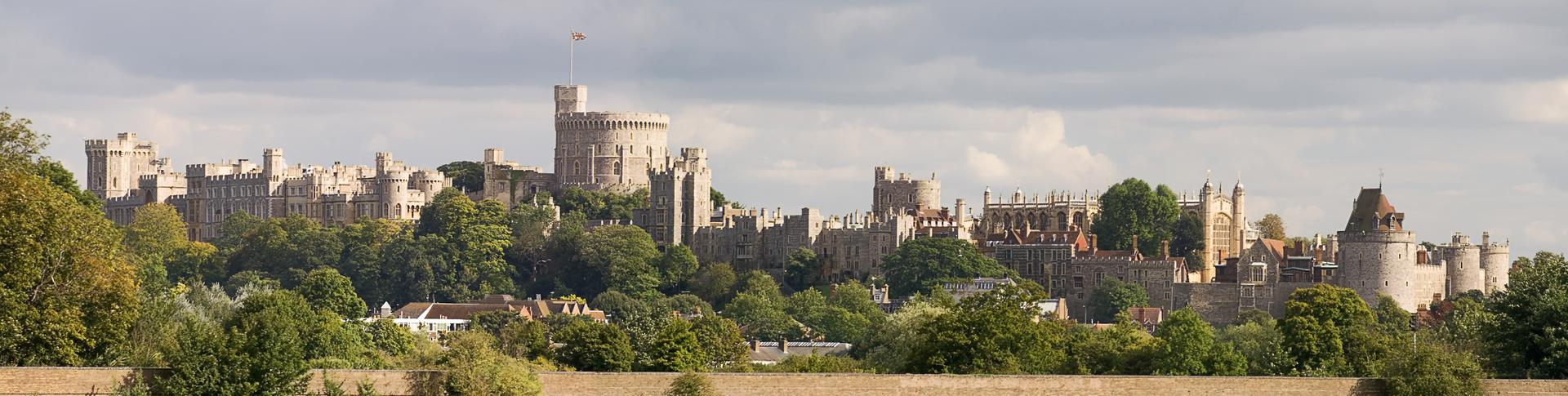
Discover Berkshire: From Royal Castles to Rolling Countryside, Experience England's Historic and Natural Wonders.
Tell me more about Berkshire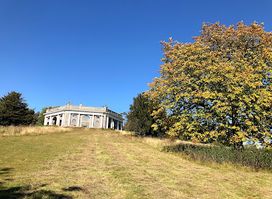
Historic 18th-century mausoleum with panoramic Chiltern Hills views, linked to Sir Francis Dashwood and the legendary Hellfire Club.
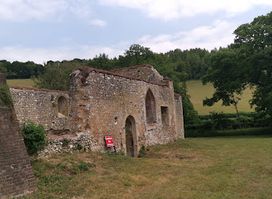
Explore the tranquil Chilterns sanctuary of Warburg Nature Reserve, a vibrant refuge for rare orchids, fungi, and wildlife amid ancient woodlands and chalk grasslands.