Cross Kirk, Peeblesshire Travel Guide
Explore the tranquil ruins of Cross Kirk, a medieval pilgrimage site steeped in history and sacred legend at Peebles’ heart.
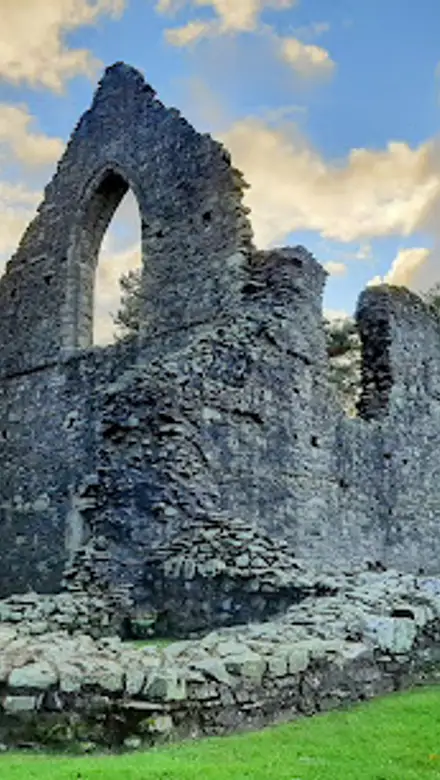
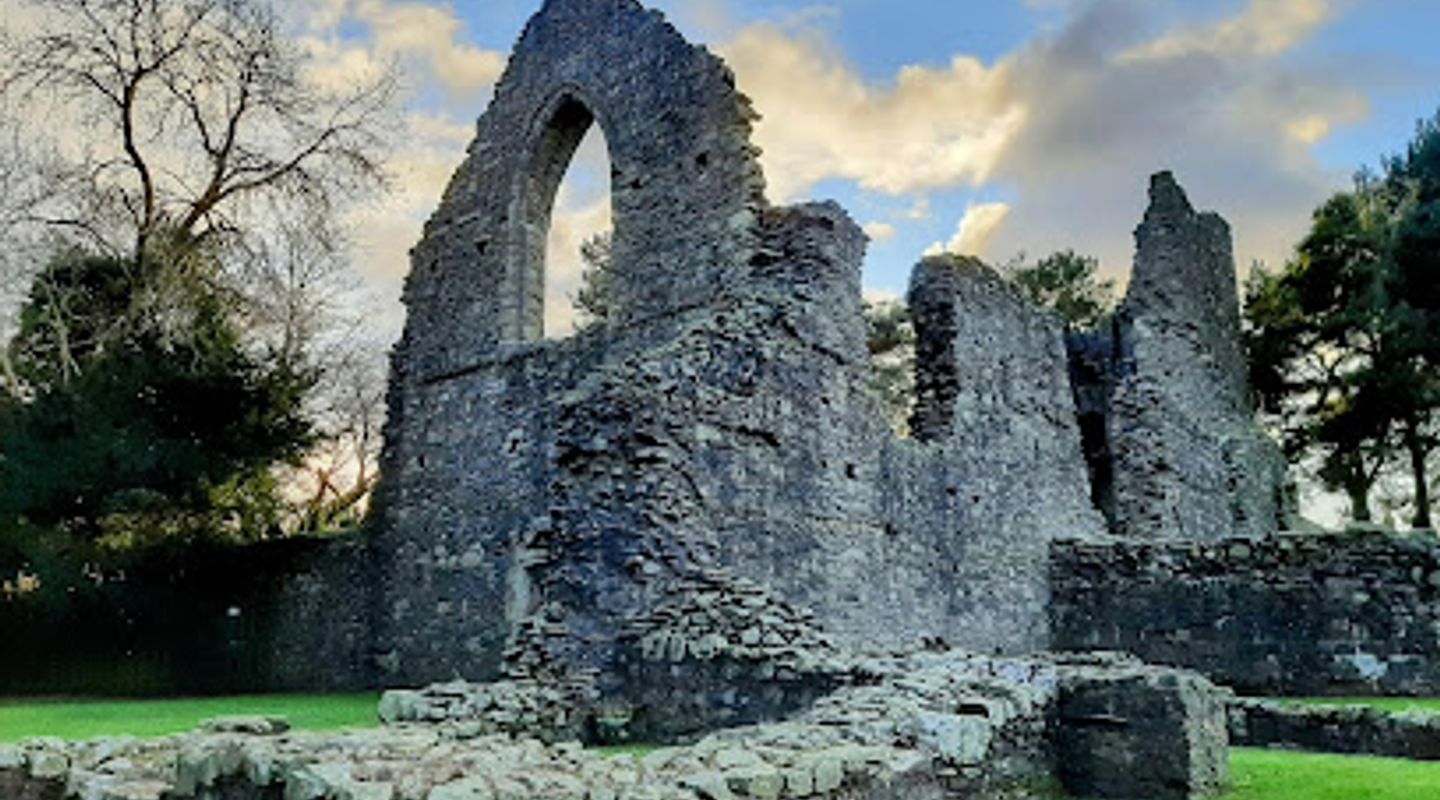
Cross Kirk in Peebles is a serene ruin of a medieval monastic church founded in 1261, famed for its association with St Nicholas relics and royal patronage. Nestled within a tranquil grassy glade surrounded by mature Scots pines, it offers visitors a glimpse into centuries of religious history, from its origins as a pilgrimage site to its transformation into a Trinitarian friary and eventual abandonment in the late 18th century.
A brief summary to Cross Kirk
- Cross Rd, Peebles, EH45 8DH, GB
- Duration: 0.5 to 1 hours
- Free
-
 Outdoor
- Mobile reception: 4 out of 5

Know before you go
Hi, I'm Eve. Here are a few practical things to know before exploring Cross Kirk.
- Visit during daylight hours to fully appreciate the ruins and surrounding glade, as lighting enhances the atmosphere.
- Combine your visit with a walk along Peebles’ High Street or a coffee break nearby to experience local charm.
- Wear sturdy footwear as the terrain includes grassy and uneven surfaces, which may be challenging for some mobility levels.
- Use the Historic Scotland app for additional historical context since on-site information is minimal.
Do you manage this location?
Take control to get all the benefits, like improved information, better appearance, and stronger visibility across AI-powered discovery. Learn more about listing your business on Evendo
Activate your presenceOther nearby places you may find interesting
The closest places of the same kind, if this one is not quite what you had in mind.

Explore Cross Kirk on the Map
A handpicked selection of must-see spots near Cross Kirk, mapped for you.
Getting There
-
Public Bus
Local bus services connect Peebles town center with nearby areas, running approximately every 30 minutes. From the town center, Cross Kirk is a 10-15 minute walk through mostly flat terrain. Bus fares range from £2 to £5 depending on route.
-
Car
Driving to Cross Kirk is straightforward with public car parks available near Peebles High Street, about a 10-minute walk to the site. Parking fees typically range from £1 to £3 per hour. Note that the site itself has no dedicated parking.
-
Walking
Cross Kirk is centrally located within Peebles and easily accessible on foot from most parts of the town. The walk involves paved and grassy paths with some uneven surfaces; suitable for most visitors but may be challenging for those with limited mobility.
For the on-the-go comforts that matter to you
-
 Seating Areas
-
 Trash Bins
-
 Information Boards
Discover more about Cross Kirk
Origins Rooted in Sacred Discovery
Cross Kirk’s story begins in 1241 with the discovery of a fine cross and a stone urn believed to contain the cremated remains of St Nicholas of Myra, the revered early Christian bishop whose legacy inspired the figure of Santa Claus. This miraculous find, reportedly witnessed by King Alexander III, led to the foundation of a church in 1261 to house these holy relics. The site quickly became a pilgrimage destination, drawing worshippers seeking blessings and miracles associated with St Nicholas.Architectural Evolution and Monastic Life
Originally a simple rectangular church, Cross Kirk underwent significant changes over the centuries. In 1474, it was elevated to a monastery under the Trinitarian order, known as the Red Friars, who added a stone bell tower and cloister ranges. The church’s structure expanded to include vaulted vestries, burial aisles, and galleries, reflecting its growing religious importance. Despite suffering damage during the English attack in 1549, the community repaired the church, which remained active until the Reformation.Decline and Ruination
The Reformation of 1560 marked the end of Cross Kirk as a monastic center. It continued as Peebles’ parish church until 1784 when a new parish church was built, leading to its abandonment. By the late 18th century, the roof was gone and the monastery’s domestic buildings dismantled for stone. Today, the ruins—especially the bell tower and nave walls—stand as a powerful testament to its former grandeur, set within a peaceful, wooded setting that invites quiet reflection.Historical and Cultural Significance
Cross Kirk is notable not only for its medieval religious architecture but also as one of Scotland’s best-preserved urban friaries. The site may also hold Bronze Age and early Christian significance, illustrating layers of sacred history. Managed by Historic Environment Scotland, it represents an enduring link to Peebles’ spiritual heritage and the wider story of Scottish ecclesiastical development.Visitor Experience and Surroundings
Visitors encounter a tranquil grassy glade surrounded by mature Scots pine trees, providing a serene atmosphere for contemplation. The ruins’ evocative stonework and partial foundations offer a tangible connection to the past. While there is limited on-site information, the site’s open access and free entry make it an accessible and rewarding stop for history enthusiasts and those seeking peaceful outdoor spaces within Peebles.Legacy of St Nicholas and Local Lore
The presence of relics attributed to St Nicholas links Cross Kirk to a wider European tradition of saintly veneration and miracle stories. This connection enriches the site’s mystique and historical allure, intertwining local legend with broader Christian heritage. The kirk’s story continues to fascinate visitors intrigued by its blend of history, spirituality, and the enduring legacy of one of Christianity’s most beloved saints.












Your all‑in‑one travel companion app
Explore expert travel guides, compare and book tours, experiences, hotels, and more—all from the palm of your hand. Download now for seamless trip planning wherever your wanderlust takes you.


Explore More of Peeblesshire

Looking beyond Cross Kirk? Discover Peeblesshire for broader travel guides, local hot-spots, and regional highlights.
Explore Peeblesshire