

Free Peeblesshire Travel Guide & Mobile App
Explore Peeblesshire with free travel guides. Discover regional history, expert tips, proposed trips, and audio guides on web or mobile app.


Explore Peeblesshire for river valleys, historic houses, forest trails, market-town culture and cycle routes in Scotland's central Borders.
Read more about Peeblesshire
When is the best time to visit Peeblesshire?
Best: June–August · 17–19°C| Month | High (°C) | Rainfall (mm) |
|---|---|---|
| January | 4 | 70 |
| February | 5 | 60 |
| March | 8 | 60 |
| April | 10 | 50 |
| May | 14 | 50 |
| June (best) | 17 | 60 |
| July (best) | 19 | 60 |
| August (best) | 19 | 60 |
| September | 15 | 60 |
| October | 11 | 70 |
| November | 7 | 70 |
| December | 5 | 70 |
Getting to and around Peeblesshire
How to get there
Transportation
Best attractions in Peeblesshire
Peeblesshire's attractions combine accessible market-town heritage with outdoor landscapes and country estates. In Peebles, visitors can explore the old town, Cross Kirk and riverside paths before heading to Neidpath Castle, which occupies a dramatic wooded position above the Tweed. Glentress Forest is the region's best-known recreation area, with purpose-built mountain-bike routes as well as walking trails, while the wider Tweed Valley offers road cycling, fishing, riding and hill walks. Traquair House near Innerleithen provides a substantial historic-house experience, combining architecture, collections and gardens with a long religious and political history. Dawyck Botanic Garden, south of Peebles, is notable for mature trees and plant collections in a sheltered valley. Smaller villages, estate landscapes and rural churches reward slower itineraries, particularly around Stobo, Eddleston and Broughton. The appeal is less about a single headline attraction than about moving between rivers, forests, historic buildings and open hills, with the character of each valley changing according to weather, season and land use.
-
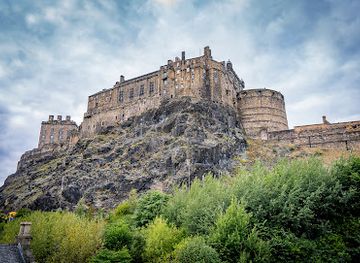
Castle
Edinburgh Castle
Edinburgh Castle, a majestic fortress atop Castle Rock, offers rich history, stunning views, and Scotland’s Crown Jewels in the heart of the capital.
-
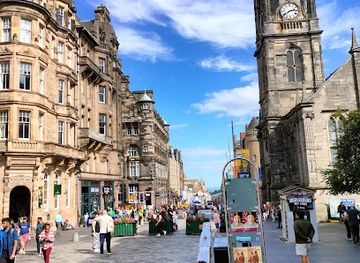
Tourist attraction
Royal Mile
Edinburgh’s iconic Royal Mile: a historic mile-long journey through medieval streets, royal landmarks, and vibrant Scottish culture.
-
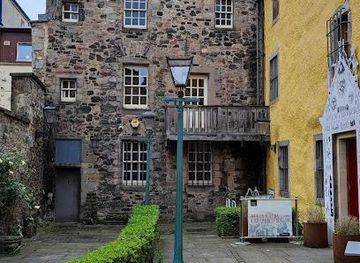
Local history museum
Museum of Edinburgh
Intimate 16th-century museum revealing Edinburgh's medieval and modern stories through a maze of historic rooms.
-
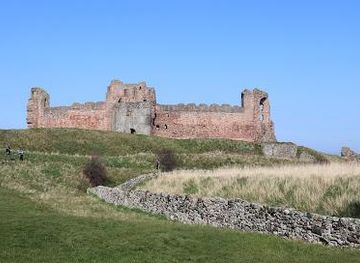
Castle
Tantallon Castle
Explore the cliffside ruins of Tantallon Castle, Scotland’s last great medieval fortress with dramatic history and breathtaking coastal views.
Best landmarks in Peeblesshire
The River Tweed is Peeblesshire's defining natural landmark, shaping the setting of Peebles and providing the valley with its most recognisable geographical line. Above the river, Neidpath Castle is the region's strongest medieval architectural presence: its stone walls and elevated position convey both defensive purpose and the authority of the families who controlled the surrounding estate. In Peebles, the remains of Cross Kirk mark the town's medieval religious importance, while the old burgh streets and stone buildings preserve the scale of a historic Borders market centre. Traquair House near Innerleithen is a landmark of a different kind, an exceptionally long-lived country house whose architecture and collections are associated with Catholic survival and Stuart political history. The wooded slopes and cycling landscape of Glentress have become modern symbols of the Tweed Valley, while Dawyck's mature trees create a cultivated landmark in the upper valley. Together these places show how river geography, religion, aristocratic power, forestry and recreation have successively shaped the region.
-
Hotel
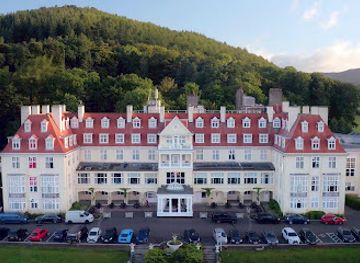
Peebles Hydro Hotel
Historic 4-star hotel with scenic Tweed Valley views, family-friendly leisure, spa, and classic Scottish hospitality in Peebles.
-
Hotel
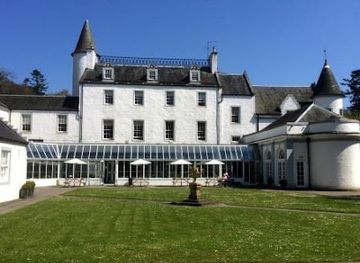
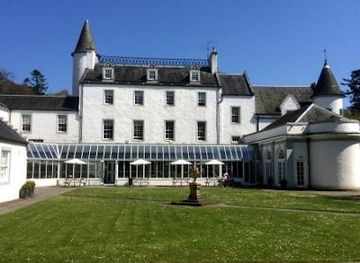
Barony Castle Hotel
Historic 16th-century castle hotel near Peebles with luxury spa, acclaimed dining, and scenic grounds featuring the Great Polish Map of Scotland.
-
Hotel
Stobo Castle Health Spa
Experience Scotland’s only destination spa nestled in a historic castle with luxurious treatments, fine dining, and serene gardens in the Borders.
-
 Hotel
HotelThe Tontine Hotel
Historic charm meets modern comfort in the heart of Peebles, with excellent dining and a welcoming atmosphere for all visitors.
Explore Peeblesshire on the map
Plan your trip on one map. See where the top cities, national parks and sights are, and book hotels and experiences in a few clicks.
Best hotels in Peeblesshire
Best restaurants in Peeblesshire
Dining in Peeblesshire is shaped by Borders produce, market-town hospitality and the practical cooking of the surrounding farming country. Peebles and Innerleithen provide the broadest choice, from cafés and bakeries to pubs, informal restaurants and more refined dining rooms, while villages and rural estates tend to offer a smaller number of places with limited service periods. Menus commonly draw on Scottish staples, local meat, game when in season, trout and other regional produce, alongside soups, pies and baking suited to a cool rural climate. Afternoon tea, scones and Borders-style baking are natural choices in cafés, and farm shops or food producers can be useful for picnic supplies. Traditional pubs remain important for hearty meals and local conversation, while contemporary kitchens increasingly present familiar ingredients in lighter or more modern ways. Visitors with dietary requirements should check menus ahead, particularly outside the main towns, where choice can narrow in the evening.
-
Hotel
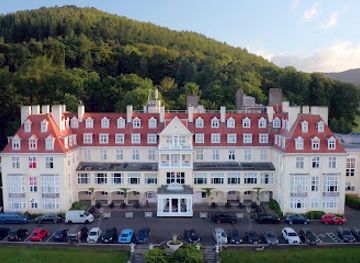
Peebles Hydro Hotel
Historic spa hotel set on expansive grounds with stunning Tweed Valley views, offering leisure, wellness, and family-friendly activities in Peebles.
-
Hotel
Macdonald Cardrona Hotel
Championship golf and riverside luxury in the heart of the Scottish Borders.
-
Restaurant
Barony Castle Hotel
Historic 16th-century castle hotel with award-winning dining, spa, and scenic grounds near Peebles in the Scottish Borders.
-
Cafe
Söderberg The Meadows
Experience authentic Swedish flavors and cozy vibes at Söderberg The Meadows, Edinburgh’s beloved artisanal bakery and café.
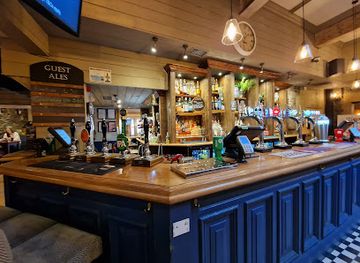
Best bars in Peeblesshire
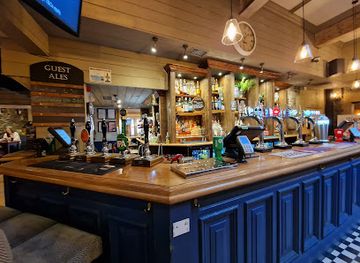
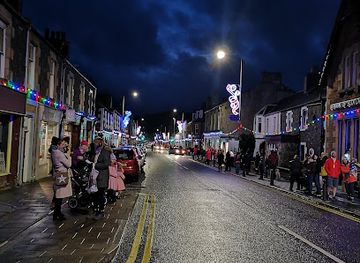
Evening life in Peeblesshire is centred on traditional pubs, hotel bars, cafés and restaurants rather than a large club scene. Peebles has the widest choice of places for a drink, informal meal or occasional live-music evening, while Innerleithen offers a smaller local scene. Rural villages generally become quiet earlier, and opening arrangements can vary according to the day and season. Scottish ales, whisky and locally produced drinks may appear alongside standard drinks lists, but alcohol is not the only focus: riverside walks, cultural events and relaxed meals are part of the region's evening character. Visitors seeking late-night entertainment will find more extensive options in Edinburgh or larger Borders towns outside historic Peeblesshire, but those requiring a taxi or public transport should plan the return journey in advance.
-
Bar
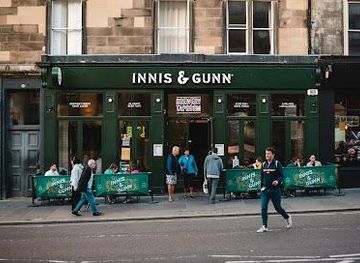
Innis & Gunn Edinburgh City Centre Brewery Taproom
A vibrant craft beer haven in Edinburgh’s West End, famed for Scottish steak frites and an extensive rotating tap selection.
-
Gastropub
The Horseshoe Inn
A cozy, characterful gastropub and boutique hotel near Peebles, blending historic charm with exceptional dining and warm Scottish hospitality.
-
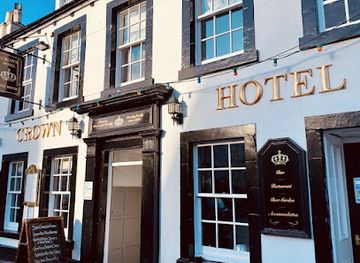
Hotel
The Crown Hotel
Experience historic charm and warm Scottish hospitality at The Crown Hotel, Peebles’ welcoming hub for comfort and local flavor.
-
Pub
The County
A friendly, dog-friendly pub and restaurant in Peebles offering hearty meals, quality drinks, and a welcoming atmosphere in the heart of the Scottish Borders.
Best nightclubs in Peeblesshire
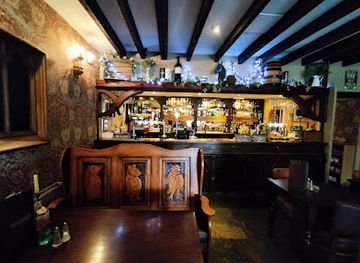
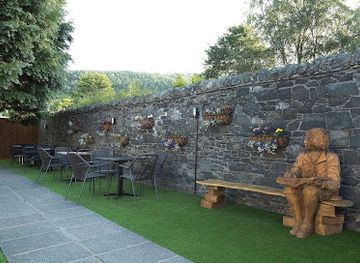
Evening life in Peeblesshire is centred on traditional pubs, hotel bars, cafés and restaurants rather than a large club scene. Peebles has the widest choice of places for a drink, informal meal or occasional live-music evening, while Innerleithen offers a smaller local scene. Rural villages generally become quiet earlier, and opening arrangements can vary according to the day and season. Scottish ales, whisky and locally produced drinks may appear alongside standard drinks lists, but alcohol is not the only focus: riverside walks, cultural events and relaxed meals are part of the region's evening character. Visitors seeking late-night entertainment will find more extensive options in Edinburgh or larger Borders towns outside historic Peeblesshire, but those requiring a taxi or public transport should plan the return journey in advance.
-
Gastropub
The Horseshoe Inn
Charming gastropub and boutique hotel in Eddleston offering refined Scottish cuisine and cozy, individually styled rooms.
-
Hotel
The Cross Keys - Peebles
Historic inn and cozy hotel in Peebles town centre, blending traditional charm with modern comfort and a lively pub atmosphere.
-
Pub
The County
A lively, dog-friendly pub and restaurant in Peebles offering hearty meals, great drinks, and warm Scottish hospitality in a central setting.
-
Club
The Vale Of Leithen Social Club
A friendly members' club in Innerleithen offering live music, affordable drinks, and a warm community atmosphere.
Best shops in Peeblesshire
Shopping in Peeblesshire is concentrated in the high streets and independent businesses of Peebles and Innerleithen, with smaller selections in villages such as Broughton and Eddleston. Peebles offers cafés, books, gifts, outdoor equipment, galleries and shops selling Scottish textiles, homewares and locally made items, while Innerleithen has a more compact market-town character. Visitors can look for woollen goods, knitwear, craft products, artwork and regional food rather than expecting extensive department-store retail. Farm shops and local producers are useful for cheese, preserves, baking and other provisions for walking trips, although stock and opening arrangements vary. Antiques and vintage goods appear in independent outlets where available, and seasonal fairs or town events may add temporary stalls. For major high-street shopping, Edinburgh and larger Borders centres outside Peeblesshire provide a broader choice, but the region's own retail appeal lies in independent businesses, practical outdoor goods and products connected with local food and textile traditions.
-
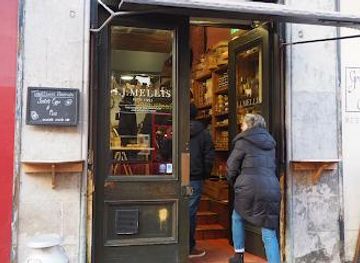
Cheese shop
I.J. Mellis Cheesemonger Victoria Street
Edinburgh's iconic artisan cheese shop where small-scale makers meet passionate consumers on the city's most storied street.
-
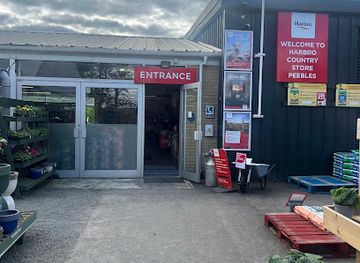
Animal feed shop
Harbro Country Store
Your trusted rural supply store in Peebles, offering expert animal feed, pet care, gardening essentials, and equestrian supplies.
-
Metaphysical Supply Shop
House Of Gaia
Crystals, spirituality, and tranquility in the heart of Peebles' High Street.
-
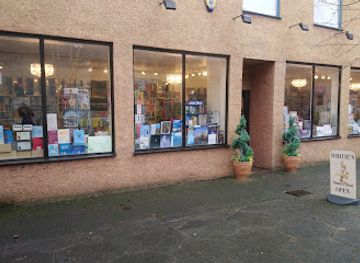
Book Shop
Whitie's Books & Crafts
Discover a cozy haven of books and crafts in Peebles where creativity and community come together in perfect harmony.
Get your free copy of our complete guide to Peeblesshire, delivered straight to you.
Everything on this page, from attractions and restaurants to essentials and local phrases, in one PDF you can read offline, print or share.
Already have an account? Sign in
Your Peeblesshire guide is ready.
We'll send it to · Not you? Sign out

Getting your guide ready…
We are putting together a fresh copy of the Peeblesshire guide. This can take up to a minute.
This can take a few moments. If your browser asks, choose Allow so the download can start. You'll find the guide in your Downloads folder.
Nothing happened? Download it again
Sorry, the guide is taking longer than usual. Please try again in a minute, or get it by email instead.
Peeblesshire essentials
Currency and Payment
Safety
Emergency Situations
Do's and Don'ts
Local Tips
From Eve
Local phrases worth knowing
You don't need to get them perfect. A few words go a long way, and locals appreciate the effort.
Basics
| English | Local | Say it |
|---|---|---|
| Hello | Hullo | [hʌl.oʊ] |
| Goodbye | Cheerio | [tʃɪə.ri.oʊ] |
| Yes | Aye | [aɪ] |
| No | Naw | [nɔ] |
| Please/You're welcome | Please/No bother | [pliːz/noʊ ˈbɒð.ər] |
| Thank you | Cheers | [tʃɪrz] |
| Excuse me/Sorry | Pardon/Sorry | [ˈpɑːr.dən/ˈsɔːr.i] |
| How are you? | How's it gaun? | [haʊz ɪt ɡaʊn] |
| Fine. And you? | Aye, braw. An yersel? | [aɪ, brɔː. ən jərˈsɛl] |
| Do you speak English? | Dae ye speak English? | [deɪ jə spiːk ˈɪŋ.ɡlɪʃ] |
| I don't understand | Ah dinnae ken | [ɑː ˈdɪn.iː kɛn] |
Eating & Drinking
| English | Local | Say it |
|---|---|---|
| I'd like to see the menu, please | Ah'd like tae see the menu, please | [ɑːd laɪk teɪ si ðə ˈmɛn.juː, pliːz] |
| I don't eat meat | Ah dinnae eat meat | [ɑː ˈdɪn.iː iːt miːt] |
| Cheers! | Cheers! | [tʃɪrz] |
| I would like to pay, please | Ah'd like tae pay, please | [ɑːd laɪk teɪ peɪ, pliːz] |
Emergencies
| English | Local | Say it |
|---|---|---|
| Help! | Help! | [hɛlp] |
| Go away! | Gae away! | [ɡeɪ əˈweɪ] |
| Call the Police! | Phone the polis! | [foʊn ðə ˈpoʊ.lɪs] |
| Call a doctor! | Phone a doc! | [foʊn ə dɒk] |
| I'm lost | Ah'm lost | [ɑːm lɒst] |
| I'm ill | Ah'm unwell | [ɑːm ʌnˈwɛl] |
Shopping
| English | Local | Say it |
|---|---|---|
| I'd like to buy... | Ah'd like tae buy... | [ɑːd laɪk teɪ baɪ] |
| I'm just looking | Ah'm just lookin' | [ɑːm dʒʌst ˈlʊk.ɪn] |
| How much is it? | Whit’s the price? | [wɪts ðə praɪs] |
| That's too expensive | That’s ower dear | [ðæts ˈoʊ.ər dɪər] |
| Can you lower the price? | Can ye lower the price? | [kæn jə ˈloʊ.ər ðə praɪs] |
Time & Numbers
| English | Local | Say it |
|---|---|---|
| What time is it? | Whit time is it? | [wɪt taɪm ɪz ɪt] |
| It's one o'clock | It's one o'clock | [ɪts wʌn əˈklɒk] |
| Half past (10) | Half past ten | [hɑːf pæst tɛn] |
| Morning | Mornin' | [ˈmɔːrn.ɪn] |
| Afternoon | Afternoon | [ˌæf.tərˈnuːn] |
| Evening | Evenin' | [ˈiːv.nɪŋ] |
| Yesterday | Yestreen | [jɛsˈtriːn] |
| Today | T'day | [təˈdeɪ] |
| Tomorrow | Morrow | [ˈmɒr.oʊ] |
| 1 | Ae | [eɪ] |
| 2 | Dae | [deɪ] |
| 3 | Thrie | [θriː] |
| 4 | Fower | [ˈfaʊ.ər] |
| 5 | Five | [faɪv] |
| 6 | Six | [sɪks] |
| 7 | Seven | [ˈsɛv.ən] |
| 8 | Eight | [eɪt] |
| 9 | Nine | [naɪn] |
| 10 | Ten | [tɛn] |
Transport & Directions
| English | Local | Say it |
|---|---|---|
| Where's a/the...? | Whar's a/the...? | [wɛrz ə/ðə] |
| What's the address? | Whit’s the address? | [wɪts ði əˈdrɛs] |
| Can you show me (on the map)? | Can ye show me (on the map)? | [kæn jə ʃoʊ mi (ɒn ðə mæp)] |
| When's the next (bus)? | When's the next (bus)? | [wɛnʤ ðə nɛkst (bʌs)] |
| A ticket (to ....) | A ticket (ta ....) | [ə ˈtɪk.ɪt (tə)] |
History of Peeblesshire
Prehistoric hillforts and early settlement
The hills and valleys of Peeblesshire contain evidence of settlement long before the medieval county emerged. Hillforts, earthworks and scattered archaeological remains show that communities farmed, defended and moved through the upland landscape during later prehistory. The River Tweed and its tributaries provided routes through otherwise hillier country, while fertile lower ground supported cultivation and grazing. Much of this legacy is subtle rather than monumental, appearing as banks, enclosures and altered hillsides. It forms an important background to the region's later history, when the same valleys continued to connect communities and shape the location of farms, roads and settlements.
Roman frontier and the southern uplands
Roman power reached the wider Scottish Borders during campaigns and periods of occupation in southern Scotland, leaving roads, marching routes and temporary military traces across the region. Peeblesshire lay within the frontier landscape rather than beside a single dominant Roman town, and archaeological evidence is consequently more dispersed than at major military sites elsewhere. Roman movement through the southern uplands nevertheless influenced later routes and patterns of contact between Lowland Scotland and the frontier zone. The area's hills and river corridors remained strategically significant long after Roman forces withdrew.
Medieval Peebles and the burgh economy
Peebles developed as a medieval royal burgh on the River Tweed, gaining importance as a market and administrative centre for the surrounding valleys. Its medieval religious foundations included the church associated with Cross Kirk, while royal and commercial privileges encouraged trade in livestock, wool and agricultural goods. The town's position between upland farms and routes across the Borders helped it serve a wide hinterland. Surviving street patterns, churches and fragments of historic fabric reflect this period, when burghs provided the institutions, markets and legal framework that connected rural communities to the Scottish kingdom.
Border conflict and fortified houses
For centuries, the Scottish Borders were affected by raids, feuds and political conflict between Scotland and England. Peeblesshire was less exposed than the eastern Marches, but its roads, farms and settlements still belonged to a region where security shaped architecture and daily life. Tower houses, fortified residences and strategically placed estates offered protection as well as status. Neidpath Castle, overlooking the Tweed near Peebles, represents the enduring power of the local nobility and the importance of controlling routes through the valley. The period left an architectural legacy of defensive buildings later adapted as residences.
Traquair and Catholic history
Traquair House, near Innerleithen, became one of the most significant Catholic centres in post-Reformation south-east Scotland. The estate's history is associated with the Maxwell family, the survival of Catholic practice and the political turbulence surrounding the Stuart cause and Jacobitism. Its setting and long continuity as a lived-in house illustrate the way religious and dynastic loyalties persisted within an increasingly Protestant kingdom. Traquair's buildings, collections and landscape preserve this complex story, linking local estate history with the wider religious and political upheavals of early modern Scotland.
Wool, farming and the Tweed economy
From the eighteenth century onwards, Peeblesshire's economy was shaped by improved agriculture, sheep farming and the expanding importance of wool. The Tweed Valley formed part of a wider Borders economy in which raw wool and agricultural produce supplied markets, while nearby textile towns developed specialist manufacturing. Estate improvement altered fields, roads, plantations and farm buildings, creating much of the managed countryside visible today. Peebles remained a market and service town, connecting farms and rural households with merchants, craftsmen and later visitors. These rural and commercial relationships remain central to the region's character.
Victorian transport and the growth of tourism
Improved roads and nineteenth-century railway connections made the Tweed Valley more accessible from Edinburgh and other Lowland centres. Visitors were drawn by river scenery, country houses, walking and the picturesque qualities celebrated by Victorian travel culture. Peebles and Innerleithen developed stronger reputations as resorts and service centres, while hotels, villas and public buildings added new layers to their historic cores. Transport also strengthened the movement of agricultural goods and people. Although much of the original railway network has disappeared, its influence can still be read in settlement growth and the region's long association with short-break tourism.
Modern conservation and outdoor recreation
During the twentieth and twenty-first centuries, traditional farming and estate management continued alongside a growing emphasis on landscape conservation, horticulture and outdoor recreation. Dawyck Botanic Garden developed into an important cultivated landscape, while forests around the Tweed Valley became significant for walking and mountain biking. Glentress in particular helped establish Peeblesshire as a recognised destination for purpose-built cycling trails. This modern identity does not replace the region's agricultural and historic foundations; instead, it adds new uses to forests, paths, rivers and market towns while raising questions about access, conservation and sustainable tourism.
Peeblesshire in Photos
Browse through our photo collection highlighting the charm and character of the destination.
Neighbouring regions of Peeblesshire
The closest regions to Peeblesshire, if you have time for more than one.
-

-

-

-

-


Swipe for more regions
Explore more

Explore more of United Kingdom
Discover the United Kingdom: A blend of rich history, stunning landscapes, and vibrant cities, offering a unique travel experience for every visitor.
Explore United Kingdom