
Wiston Castle, Pembrokeshire Travel Guide
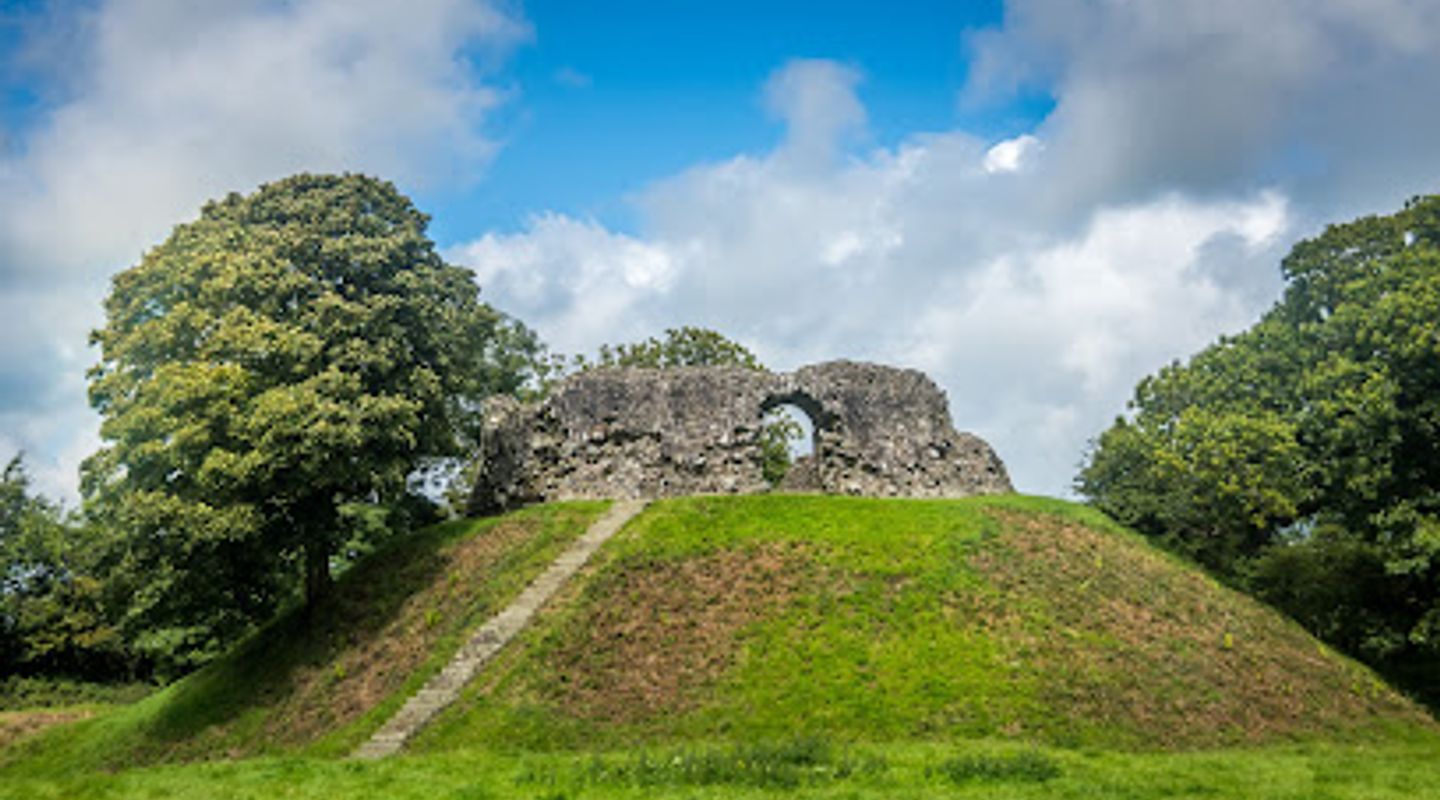
Explore Wiston Castle, a remarkable 12th-century motte-and-bailey fortress founded by Flemish settlers on Wales’ historic Norman-Welsh frontier.
Wiston Castle, located in Pembrokeshire, Wales, is one of the best-preserved motte-and-bailey castles in the country. Founded in the early 12th century by the Flemish settler Wizo under King Henry I's encouragement, it played a pivotal role in the Norman colonization of Wales. The castle's turbulent history includes multiple captures by Welsh forces and eventual destruction in 1220. Today, its stone shell-keep remains a striking testament to medieval frontier life.
A brief summary to Wiston Castle
- 3 Cawdor Terrace, Haverfordwest, Wiston, SA62 4PN, GB
- Duration: 1 to 2 hours
- Mid ranged
-
 Outdoor
- Mobile reception: 4 out of 5
- Monday 10 am-4 pm
- Tuesday 10 am-4 pm
- Wednesday 10 am-4 pm
- Thursday 10 am-4 pm
- Friday 10 am-4 pm
- Saturday 10 am-4 pm
- Sunday 10 am-4 pm

Know before you go
Hi, I'm Eve. Here are a few practical things to know before exploring Wiston Castle.
- Wear sturdy shoes as the terrain includes moderate steps and uneven ground around the castle ruins.
- Visit between 10am and 4pm when the site is open daily, with last admission 30 minutes before closing.
- Keep dogs on leads and be cautious of livestock in surrounding fields, especially in spring and summer.
- Take time to explore the adjacent St Mary Magdalene Church to enrich your understanding of the medieval settlement.
Do you manage this location?
Take control to get all the benefits, like improved information, better appearance, and stronger visibility across AI-powered discovery. Learn more about listing your business on Evendo
Activate your presenceOther nearby places you may find interesting
The closest places of the same kind, if this one is not quite what you had in mind.
Explore Wiston Castle on the Map
A handpicked selection of must-see spots near Wiston Castle, mapped for you.
Getting There
-
Bus
Take the local bus service from Haverfordwest to Wiston, which runs approximately every 1-2 hours. The journey takes about 25-35 minutes. Note that service frequency may be reduced on weekends and public holidays. A single fare costs around £3-£5.
-
Car
Driving from Haverfordwest to Wiston Castle takes approximately 15-20 minutes via local roads. Parking is limited near the castle, so arrive early during peak season. There is no dedicated parking lot, and the rural roads may be narrow.
-
Walking
For the adventurous, a moderate 1.5 to 2-hour walk from Haverfordwest to Wiston Castle is possible via country lanes and footpaths. Terrain is mixed with some uneven surfaces, suitable for those with reasonable fitness and sturdy footwear.
For the on-the-go comforts that matter to you
-
 Information Boards
-
 Seating Areas
-
 Restrooms
Discover more about Wiston Castle
Origins Rooted in Flemish Enterprise
Wiston Castle was established in the early 1100s by Wizo, a Flemish freebooter who settled in southern Pembrokeshire under the patronage of King Henry I of England. Wizo led a group of Flemish colonists seeking new lands and economic opportunities. The castle was built on or near an existing Iron Age enclosed settlement, utilizing prehistoric earthworks for defense. This strategic choice provided a stronghold for the Flemish settlers amidst the contested borderlands between Norman and Welsh territories.A Motte and Bailey Stronghold
The castle exemplifies the motte-and-bailey design, featuring a large conical earthen motte topped by a stone shell-keep, with an expansive bailey that likely housed the borough of settlers. The bailey's size is unusual and reflects the need to accommodate the Flemish community that clustered around the fortress. The castle's position opposite St Mary Magdalene Church further anchors it within the local medieval settlement.Struggles on the Landsker Line
Wiston Castle's history is marked by repeated conflict due to its location on the volatile frontier known as the Landsker line, separating Norman-controlled lands from Welsh territories. It first appears in records in 1147 when Welsh forces captured it, only for the Flemings to retake it shortly after. The castle changed hands several times, notably in 1193 when Hywel Sais led a Welsh assault. The final blow came in 1220 when Llywelyn ab Iorwerth, known as Llywelyn the Great, destroyed the castle and burnt the adjacent town.Architectural Remnants and Preservation
Despite its destruction, substantial remains of the stone shell-keep survive, standing up to 13 feet high in places. The largely intact walls provide a vivid glimpse into medieval military architecture. The site is managed by Cadw and is a Grade I listed building and Scheduled Monument, recognized for its historical and architectural significance.Wiston’s Role in Regional History
Beyond its military function, Wiston Castle symbolizes the Norman and Flemish colonization efforts in Wales. Wizo’s establishment of the castle, church, and borough laid the foundation for the village of Wiston, named after him. The castle’s story reflects broader themes of conquest, settlement, and cultural interaction on the Welsh borderlands during the Middle Ages.Visitor Experience and Natural Setting
Today, visitors can explore the castle ruins, enjoying views of the surrounding Pembrokeshire countryside. The terrain is moderately challenging, with approximately 50 steps leading up to the castle. Visitors should be mindful of livestock in nearby fields, especially during spring and summer. The site’s tranquil rural setting offers a peaceful atmosphere steeped in centuries of history.












Your all‑in‑one travel companion app
Explore expert travel guides, compare and book tours, experiences, hotels, and more—all from the palm of your hand. Download now for seamless trip planning wherever your wanderlust takes you.


Explore More of Pembrokeshire
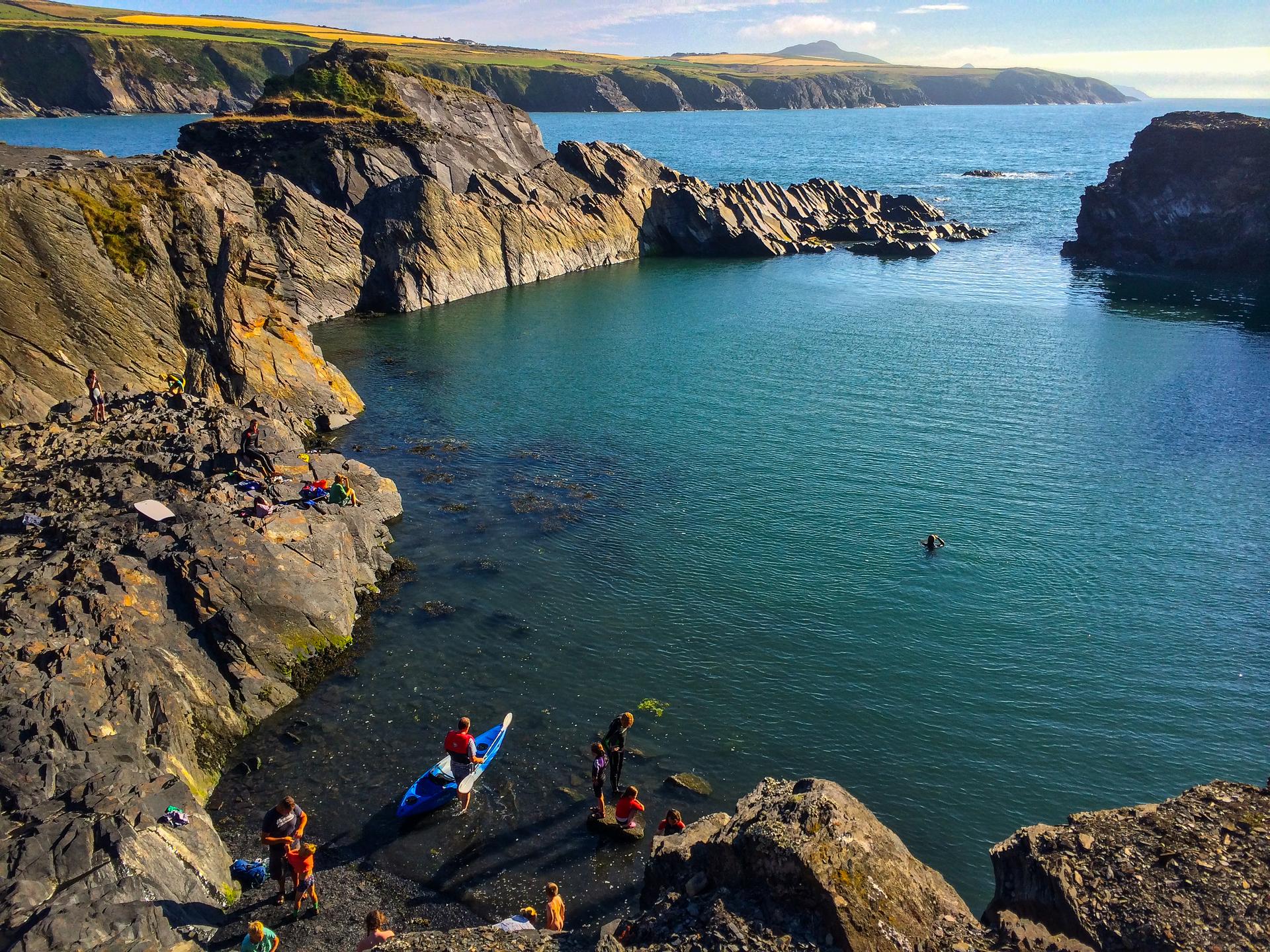
Looking beyond Wiston Castle? Discover Pembrokeshire for broader travel guides, local hot-spots, and regional highlights.
Explore Pembrokeshire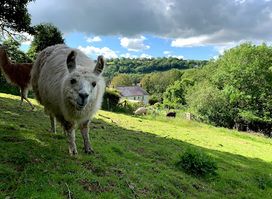
A peaceful Pembrokeshire farm where guided llama walks through woodland and fields offer a unique, hands-on animal experience in the heart of rural Wales.

Explore Wiston Castle, a striking 12th-century Flemish motte-and-bailey fortress marking the Norman-Welsh frontier in scenic Pembrokeshire.
