

Free Pembrokeshire Travel Guide & Mobile App
Explore Pembrokeshire with free travel guides. Discover regional history, expert tips, proposed trips, and audio guides on web or mobile app.


Explore Pembrokeshire: Wales' Coastal Gem with Stunning Beaches, Scenic Trails, and Historic Castles. Ideal for Nature Lovers and History Enthusiasts.
Read more about Pembrokeshire
When is the best time to visit Pembrokeshire?
Best: June–August · 19–21°C| Month | High (°C) | Rainfall (mm) |
|---|---|---|
| January | 8 | 90 |
| February | 8 | 70 |
| March | 11 | 70 |
| April | 13 | 60 |
| May | 16 | 60 |
| June (best) | 19 | 60 |
| July (best) | 21 | 60 |
| August (best) | 21 | 70 |
| September | 19 | 70 |
| October | 15 | 90 |
| November | 11 | 90 |
| December | 9 | 100 |
Getting to and around Pembrokeshire
How to get there
Transportation
Destinations in Pembrokeshire
Resorts, valleys and scenic spots worth a trip of their own.

Swipe for more destinations
Best attractions in Pembrokeshire
Pembrokeshire, a captivating gem in the United Kingdom, offers visitors an enchanting blend of natural beauty and historical intrigue. Discover the rugged coastline of the Pembrokeshire Coast National Park, where dramatic cliffs and serene sandy beaches like Barafundle Bay and Whitesands Bay await exploration. History enthusiasts can step back in time at Pembroke Castle, the birthplace of Henry VII, or wander through the picturesque ruins of St. Davids Cathedral, a spiritual site since the 6th century. For adventure seekers, the coastal paths provide endless opportunities for hiking, wildlife spotting, and even coasteering, while the charming fishing villages of Tenby and Saundersfoot offer delightful escapes with their pastel-colored houses and bustling harbors. Pembrokeshire’s rich tapestry of attractions promises a memorable journey for every traveler.
-
National park
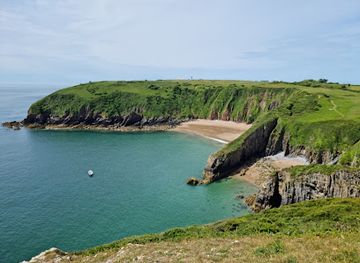
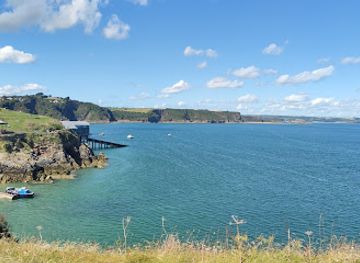
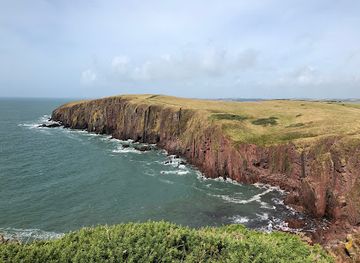
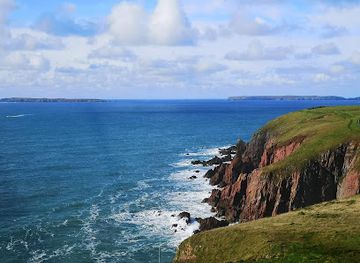
Pembrokeshire Coast National Park
Explore Britain's only coastal national park, where rugged cliffs, golden beaches, and rich wildlife await along 186 miles of stunning coastline.
-
Tourist attraction
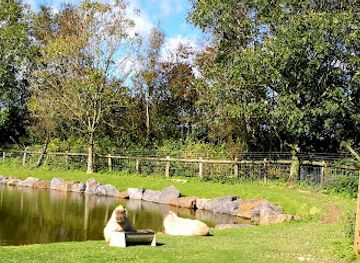
Folly Farm Adventure Park and Zoo
Explore 120 acres of award-winning family fun with exotic animals, vintage rides, and adventure playgrounds in the heart of Pembrokeshire.
-
Castle
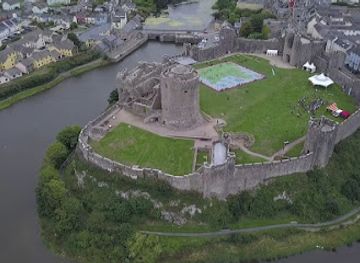
Pembroke Castle
Explore Pembroke Castle, a majestic Norman fortress and birthplace of the Tudor dynasty, offering rich history, stunning architecture, and immersive guided tours.
-
Theme park
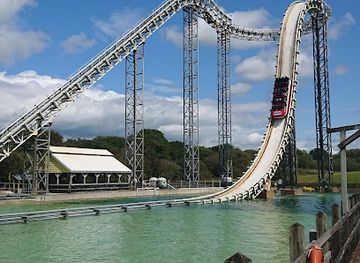
Oakwood Theme Park
Thrilling rides and family fun in scenic Pembrokeshire — Oakwood Theme Park, a cherished Welsh adventure destination.
Best landmarks in Pembrokeshire
Pembrokeshire, a jewel in the crown of Wales, boasts a stunning array of landmarks that beckon visitors with their rich history and breathtaking beauty. Explore the medieval grandeur of Pembroke Castle, birthplace of Henry VII, or wander through the ancient ruins of St. David's Cathedral, a site of pilgrimage since the 12th century. The rugged coastline of Pembrokeshire Coast National Park, with its dramatic cliffs and hidden coves, offers endless opportunities for adventure, from hiking the renowned Pembrokeshire Coast Path to spotting seals and puffins. For those seeking a touch of enchantment, the mystical Preseli Hills, home to the bluestones of Stonehenge, provide a landscape steeped in myth and legend. Nestled among these historical wonders are charming towns like Tenby, with its colorful Georgian buildings and pristine beaches, and Fishguard, where you can relive the last invasion of Britain. Whether you're a history buff, nature lover, or simply in search of picturesque vistas, Pembrokeshire promises an unforgettable journey through time and nature.
-
Cathedral
St Davids Cathedral
Discover the ancient spiritual heart of Wales in St Davids Cathedral, a majestic site of pilgrimage and architectural wonder nestled in Pembrokeshire’s scenic valley.
-
Historical landmark
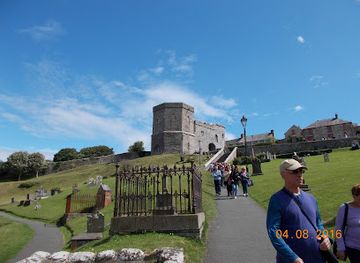
Tenby Castle
Explore the historic Norman tower atop Tenby’s Castle Hill, where medieval walls meet stunning coastal panoramas and timeless Welsh charm.
-
Monastery
Caldey Abbey
Discover Caldey Abbey, a serene monastic retreat on a historic island, blending spiritual heritage with stunning coastal beauty.
-
Historical landmark
St Ann's Head Lighthouse
Historic lighthouse perched on Pembrokeshire cliffs, guiding ships with timeless light and offering stunning coastal vistas.
Explore Pembrokeshire on the map
Plan your trip on one map. See where the top cities, national parks and sights are, and book hotels and experiences in a few clicks.
Best hotels in Pembrokeshire
Best restaurants in Pembrokeshire
Pembrokeshire's dining scene is a delightful tapestry of culinary experiences that cater to all tastes and preferences, from charming coastal eateries serving the freshest seafood caught daily by local fishermen to quaint countryside pubs offering hearty Welsh fare and artisanal ales. Visitors can indulge in gourmet meals at award-winning restaurants that emphasize farm-to-table principles, ensuring that every dish is crafted with the finest locally sourced ingredients. The region is also home to a variety of international cuisines, with Italian trattorias, Indian bistros, and Mediterranean tapas bars providing a global flavor to this picturesque Welsh county. For those with a sweet tooth, Pembrokeshire's bakeries and cafes offer a mouthwatering array of traditional Welsh cakes, bara brith, and decadent desserts, making every meal an opportunity to savor the rich culinary heritage of the area.
-
Seafood
The Shed Fish & Chip Bistro
Fresh, locally caught seafood served in a charming harbour-side bistro in the heart of Porthgain village.
-
Restaurant
Jolly Sailor
Historic riverside pub with stunning estuary views, hearty British fare, family-friendly spaces, and a welcoming atmosphere in Milford Haven.
-
 Inn
InnThe Stackpole Inn
Historic coastal inn offering cozy rooms and acclaimed local cuisine amid Pembrokeshire’s stunning natural beauty.
-
Gastropub
The Nags Head
A cozy Welsh gastropub in Abercych blending traditional charm with inclusive, locally inspired cuisine and warm hospitality.
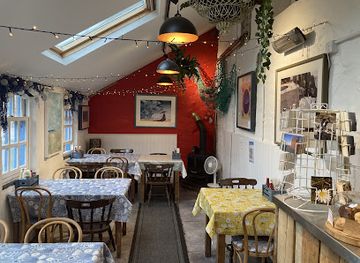
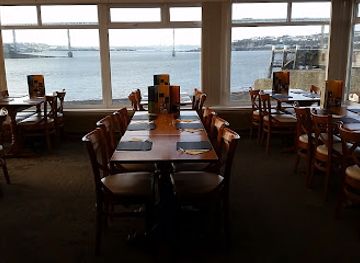
Best bars in Pembrokeshire
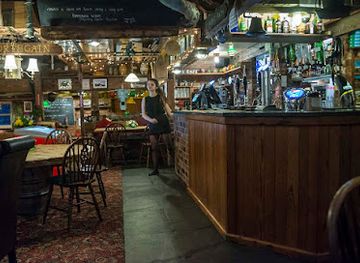
Pembrokeshire's nightlife scene offers a charming and eclectic mix of experiences for visitors. In the bustling town of Tenby, you'll find lively pubs like The Lifeboat Tavern, where traditional Welsh ales flow and live music fills the air. For a more refined evening, head to Saundersfoot, where you can sip on craft cocktails at the stylish Harbwr Bar & Kitchen while gazing out at the serene harbor views. If you prefer a more laid-back vibe, the coastal village of St Davids offers cozy, historic inns such as The Farmers Arms, perfect for enjoying a quiet pint by the fire. For those seeking a unique experience, the atmospheric Cellar Bar in Pembroke is housed in a medieval basement, offering a distinctive backdrop for an unforgettable night.
-
Pub
Sloop Inn
Historic coastal pub in Porthgain offering warm hospitality, fresh local seafood, and a rich maritime atmosphere.
-
Pub
Lost Coins
A cozy family-friendly pub near Haverfordwest serving elegant pub classics and real ales in a warm, welcoming setting.
-
Bar
HARBWR Bar & Kitchen
Relaxed coastal dining with award-winning local ales and stunning harbour views in the heart of Saundersfoot.
-
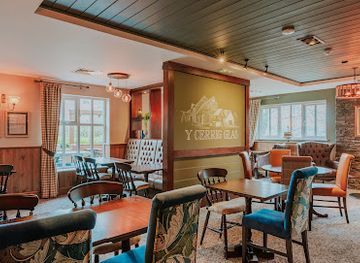
Pub
Y Cerrig Glas
A family-friendly Pembroke Dock pub serving classic British dishes with welcoming indoor and outdoor spaces.
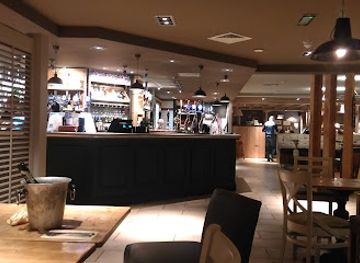

Best nightclubs in Pembrokeshire
Pembrokeshire's nightlife scene offers a charming and eclectic mix of experiences for visitors. In the bustling town of Tenby, you'll find lively pubs like The Lifeboat Tavern, where traditional Welsh ales flow and live music fills the air. For a more refined evening, head to Saundersfoot, where you can sip on craft cocktails at the stylish Harbwr Bar & Kitchen while gazing out at the serene harbor views. If you prefer a more laid-back vibe, the coastal village of St Davids offers cozy, historic inns such as The Farmers Arms, perfect for enjoying a quiet pint by the fire. For those seeking a unique experience, the atmospheric Cellar Bar in Pembroke is housed in a medieval basement, offering a distinctive backdrop for an unforgettable night.
-
Nightclub
Eddie Rocks
A dynamic multi-floor nightclub in Haverfordwest offering diverse music, lively nights, and a safe, welcoming atmosphere for all partygoers.
-
Nightclub
Sands Nightclub
Saundersfoot’s lively nightclub with dance, drinks, and a vibrant atmosphere near the beach.
-
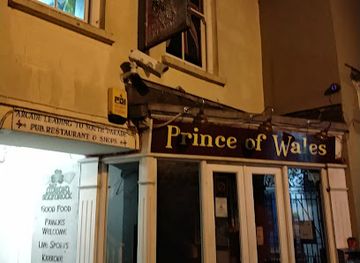
Nightclub
Prince Of Wales
Tenby’s iconic late-night nightclub known as 'Infernos by the sea,' offering lively music, dancing, and a unique local nightlife experience.
-
Nightclub
Paddles
Lively weekend nightclub and bar in Pembroke’s historic centre, offering late-night music, dancing, and a social hub for locals and visitors.



Best shops in Pembrokeshire
Pembrokeshire offers a shopping experience as diverse and enchanting as its landscapes, with a delightful mix of independent boutiques, charming markets, and artisanal shops. Visitors can immerse themselves in the vibrant local culture by exploring quaint stores that sell handcrafted wares, from exquisite pottery and unique textiles to locally-sourced gourmet treats. The bustling market towns of Narberth and Haverfordwest are particularly noteworthy, where you can wander through streets lined with eclectic shops, art galleries, and antique stores, each brimming with character and history. For those seeking a more coastal flair, the seaside towns like Tenby and St Davids offer an array of stores selling maritime-themed gifts, local art, and beachwear. No matter where you go, Pembrokeshire's shopping scene promises a treasure trove of unique finds and delightful surprises, making it a must-visit for any discerning traveler.
-
Shopping Centre
Withybush Retail Park
A modern retail park in Haverfordwest offering diverse shopping, dining, and free parking for a convenient and lively local experience.
-
Shopping Centre
Riverside Shopping Centre
A practical shopping destination in Haverfordwest offering familiar brands, local markets, and essential services in Pembrokeshire’s county town.
-
Shopping Centre
Pembrokeshire Retail Park
A convenient and well-equipped retail hub in Pembroke Dock offering diverse shops and ample parking for locals and visitors alike.
-
Shopping Centre
Springfield Retail Park
A bustling retail hub in Haverfordwest offering diverse shopping, dining, and community experiences for locals and visitors alike.



Get your free copy of our complete guide to Pembrokeshire, delivered straight to you.
Everything on this page, from attractions and restaurants to essentials and local phrases, in one PDF you can read offline, print or share.
Already have an account? Sign in
Your Pembrokeshire guide is ready.
We'll send it to · Not you? Sign out

Getting your guide ready…
We are putting together a fresh copy of the Pembrokeshire guide. This can take up to a minute.
This can take a few moments. If your browser asks, choose Allow so the download can start. You'll find the guide in your Downloads folder.
Nothing happened? Download it again
Sorry, the guide is taking longer than usual. Please try again in a minute, or get it by email instead.
Pembrokeshire essentials
Currency and Payment
Safety
Emergency Situations
Do's and Don'ts
Local Tips
From Eve
Local phrases worth knowing
You don't need to get them perfect. A few words go a long way, and locals appreciate the effort.
Basics
| English | Local | Say it |
|---|---|---|
| Hello | Shwmae | [shoo-my] |
| Goodbye | Hwyl fawr | [hoyl vowr] |
| Yes | Ie | [yeh] |
| No | Na | [nah] |
| Please/You're welcome | Os gwelwch yn dda | [oss gwell-ookh un thah] |
| Thank you | Diolch | [dee-olch] |
| Excuse me/Sorry | Mae'n ddrwg gennyf | [mine droog gen-iv] |
| How are you? | Sut wyt ti? | [sit weet tee] |
| Fine. And you? | Iawn. Ac ti? | [yown. ak tee] |
| Do you speak English? | Wyt ti'n siarad Saesneg? | [weet tee'n sharad sighs-neg] |
| I don't understand | Dydw i ddim yn deall | [didu ee dim un deh-all] |
Eating & Drinking
| English | Local | Say it |
|---|---|---|
| I'd like to see the menu, please | Hoffwn i weld y fwydlen, os gwelwch yn dda | [hoff-oon ee weld uh voo-id-len, oss gwell-ookh un thah] |
| I don't eat meat | Dydw i ddim yn bwyta cig | [didu ee dim un boo-ita keeg] |
| Cheers! | Iechyd da! | [yeh-khid dah] |
| I would like to pay, please | Hoffwn i dalu, os gwelwch yn dda | [hoff-oon ee dah-lee, oss gwell-ookh un thah] |
Emergencies
| English | Local | Say it |
|---|---|---|
| Help! | Cymorth! | [kum-orth] |
| Go away! | Dychwelyd! | [duh-hwel-id] |
| Call the Police! | Galwch am y heddlu! | [gah-lukh am uh hed-lee] |
| Call a doctor! | Galwch am ddoctor! | [gah-lukh am dok-tor] |
| I'm lost | Dw i wedi colli | [doo ee wed-ee kol-ee] |
| I'm ill | Dw i'n sâl | [doo een sahl] |
Shopping
| English | Local | Say it |
|---|---|---|
| I'd like to buy... | Hoffwn i brynu... | [hoff-oon ee brin-ee] |
| I'm just looking | Dwi'n jyst edrych | [dween yust ed-ruch] |
| How much is it? | Faint ydy o? | [vaynt uh-dee oh] |
| That's too expensive | Mae hynny'n rhy drud | [my hun-een ree drid] |
| Can you lower the price? | Allwch chi leihau'r pris? | [ahlukh kee lay-hai'r pris] |
Time & Numbers
| English | Local | Say it |
|---|---|---|
| What time is it? | Faint ydy o? | [vaynt uh-dee oh] |
| It's one o'clock | Mae hi'n un o'r gloch | [my heen een or gloch] |
| Half past (10) | Hanner awr (10) | [han-er ow-er (10)] |
| Morning | Bore | [bore-eh] |
| Afternoon | Prynhawn | [prin-hown] |
| Evening | Noswaith | [nos-wyth] |
| Yesterday | Ddoe | [thoy] |
| Today | Heddiw | [hed-ee] |
| Tomorrow | Fory | [vor-ee] |
| 1 | Un | [een] |
| 2 | Dau | [die] |
| 3 | Tri | [tree] |
| 4 | Pedwar | [ped-war] |
| 5 | Pum | [peem] |
| 6 | Chwech | [khwech] |
| 7 | Saith | [sigh-th] |
| 8 | Wyth | [with] |
| 9 | Naw | [now] |
| 10 | Deg | [deg] |
Transport & Directions
| English | Local | Say it |
|---|---|---|
| Where's a/the...? | Ble mae'r...? | [bleh my-re...?] |
| What's the address? | Beth yw'r cyfeiriad? | [beth oo'r kuh-vair-ee-ad?] |
| Can you show me (on the map)? | Allwch chi ddangos i mi (ar y map)? | [ahlukh kee thang-os ee mee (ar uh map)?] |
| When's the next (bus)? | Pryd mae'r (bws) nesaf? | [prid my-re (boos) ness-af?] |
| A ticket (to ....) | Tocyn (i....) | [toh-kin (ee....)] |
History of Pembrokeshire
Ancient Origins
Pembrokeshire boasts a rich prehistoric history that is evident in its landscape, with numerous Neolithic dolmens, standing stones, and burial chambers scattered across the region. One of the most famous is Pentre Ifan, a well-preserved dolmen dating back to around 3500 BC. These ancient structures offer a glimpse into the lives and rituals of the earliest inhabitants of Pembrokeshire.
Roman Influence
During the Roman occupation of Britain, Pembrokeshire was on the periphery of their empire, yet it still witnessed Roman influence. The Romans constructed roads and forts, such as the one at Carmarthen, which provided a strategic military presence. The remains of these structures offer insight into the region's integration into the Roman world.
Medieval Castles
Pembrokeshire is renowned for its impressive array of medieval castles, built during the Norman conquest to fortify the region. Pembroke Castle, one of the most notable, was the birthplace of Henry VII, the founder of the Tudor dynasty. Carew Castle and Manorbier Castle also stand as testaments to the area's strategic significance during the medieval period.
St. David's Cathedral
St. David's Cathedral, located in the smallest city in Britain, is a cornerstone of Welsh religious history. Built on the site of a 6th-century monastery founded by St. David, the patron saint of Wales, the cathedral has been a site of pilgrimage for centuries. Its stunning architecture and spiritual significance make it a must-visit landmark in Pembrokeshire.
Tudor and Elizabethan Periods
During the Tudor and Elizabethan periods, Pembrokeshire saw significant social and economic changes. The town of Tenby flourished as a busy port, engaging in trade with Spain and Portugal. Tudor Merchant's House in Tenby provides an authentic glimpse into the life of a prosperous merchant during this era, showcasing the region's vibrant history.
Maritime Heritage
Pembrokeshire's coastline has a storied maritime heritage, from its role in the Age of Exploration to its involvement in maritime trade and fishing. The town of Fishguard is famously known for the last invasion of Britain in 1797, when French troops landed but were swiftly defeated by local militia and residents. The Fishguard Tapestry, located in Fishguard's Town Hall, vividly depicts this event.
Industrial Revolution
The Industrial Revolution brought significant changes to Pembrokeshire, particularly with the development of the coal mining industry. The Pembrokeshire Coalfield, located in the southern part of the county, became an important source of fuel. The remnants of old mines and the industrial landscape tell the story of this transformative period in the region's history.
World War II Impact
World War II left a lasting impact on Pembrokeshire. The region hosted several military installations, including RAF Pembroke Dock, which was a significant base for flying boats and maritime patrols. The Sunderland Trust Museum at Pembroke Dock offers insights into the area's wartime role and its contributions to the war effort.
Cultural Festivals and Traditions
Pembrokeshire is rich in cultural traditions and festivals that celebrate its heritage. The Pembrokeshire County Show, one of the largest agricultural shows in Wales, highlights the region's agricultural roots. Additionally, the St. David's Day celebrations on March 1st honor the patron saint with parades, concerts, and cultural events, reflecting the strong sense of community and pride in local culture.
Pembrokeshire in Photos
Browse through our photo collection highlighting the charm and character of the destination.
Neighbouring regions of Pembrokeshire
The closest regions to Pembrokeshire, if you have time for more than one.
-

-

-

-

-


Swipe for more regions
Explore more

Explore more of United Kingdom
Discover the United Kingdom: A blend of rich history, stunning landscapes, and vibrant cities, offering a unique travel experience for every visitor.
Explore United Kingdom