
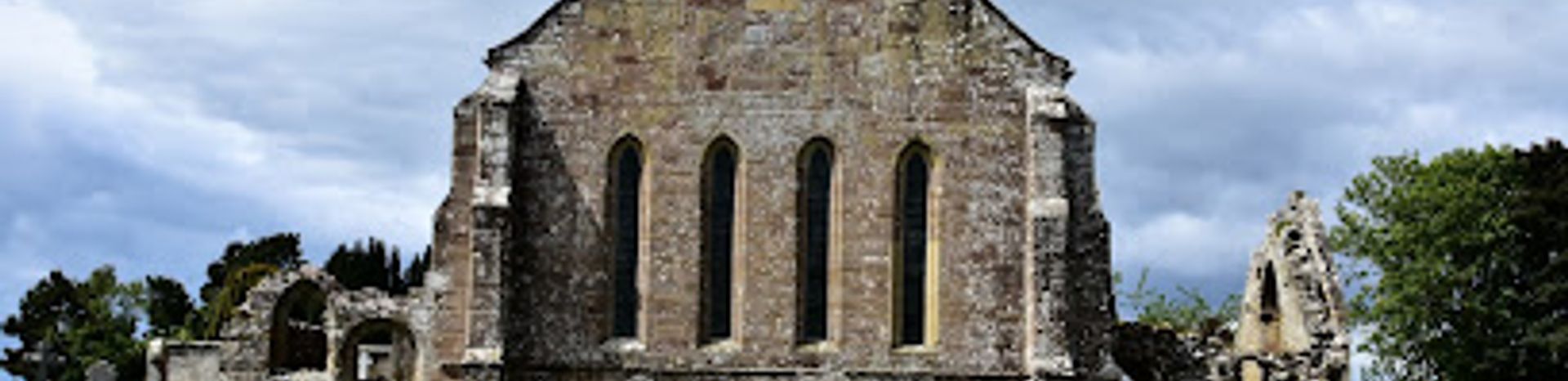
Fearn Abbey: The Lamp of the North and Scotland’s Northernmost Premonstratensian Legacy
Discover Fearn Abbey, the northernmost Premonstratensian church in Scotland, blending medieval heritage with serene rural beauty near Tain.
Fearn Abbey, known as 'The Lamp of the North,' is one of Scotland’s oldest pre-Reformation churches, founded in the 1220s by Ferchar, Earl of Ross. Located near Tain in Easter Ross, it stands on fertile low-lying ground and retains fragments of its 14th-century Premonstratensian origins. The abbey’s complex architectural history includes medieval, 18th-century, and modern elements, reflecting centuries of religious and regional change.
A brief summary to Fearn Abbey [Church Of Scotland]
- Tain, IV20 1TL, GB
- +447448858818
- Duration: 0.5 to 2 hours
- Free
-
 Outdoor
- Mobile reception: 4 out of 5
Local tips
- Take time to observe the mix of architectural styles reflecting centuries of history, from medieval stonework to 18th-century restorations.
- Visit during daylight hours to fully appreciate the rural setting and the abbey’s tranquil atmosphere.
- Explore nearby Tain for additional historical sites and local culture to complement your visit to the abbey.

For the on-the-go comforts that matter to you
- Restrooms
- Seating Areas
- Information Boards
Getting There
-
Bus
Local bus services run from Tain town center to the vicinity of Fearn Abbey, taking approximately 15-20 minutes. Services may be limited on weekends and holidays, with fares typically around £3-£5 one way.
-
Car
Driving from Tain to Fearn Abbey takes about 10 minutes via local roads. Limited parking is available near the site; parking is free but spaces can be scarce during peak times.
-
Walking
For active travelers, a walk from Tain to Fearn Abbey covers about 5 km on mostly flat terrain, taking roughly 1 hour. The route follows quiet country roads and is suitable for most fitness levels.
Fearn Abbey [Church Of Scotland] location weather suitability
-
 Any Weather
-
 Rain / Wet Weather
-
 Clear Skies
-
 Mild Temperatures
-
 Windy Conditions
Discover more about Fearn Abbey [Church Of Scotland]
Origins Rooted in Medieval Power and Faith
Fearn Abbey was established in the 1220s, reputedly by Ferchar, Earl of Ross, a powerful regional leader and loyal supporter of King Alexander II. The abbey was founded as a Premonstratensian house, part of an austere religious order known as the White Canons, who wore unbleached wool habits and followed strict monastic rules similar to the Cistercians. The original site may have been near Edderton or Kincardine before relocating to the present site around 1238, marking a period of growth and consolidation for the abbey and the earldom.Architectural Evolution Through Centuries
Today, only the church remains from the original abbey complex, with none of the cloisters or domestic buildings surviving. The structure is a patchwork of styles: early buildings were made of clay and rough stone, with major rebuilding between 1338 and 1372 that created a church without aisles. Later, in the late 1400s, a south aisle was added. After the Scottish Reformation, the abbey transitioned into a parish church, with chapels added for burials. A roof collapse in 1742 led to a new church opening in 1772, incorporating remnants of the old abbey. Subsequent additions in the 19th and 20th centuries have created a fascinating blend of blocked windows, doorways, and architectural features.A Beacon of Spiritual and Regional Heritage
Known locally as 'The Lamp of the North,' Fearn Abbey holds a significant place in the religious history of Easter Ross. It was a center of pilgrimage and ecclesiastical influence, surviving turbulent periods including clan feuds and the Reformation. The abbey’s history intertwines with the Earls of Ross and reflects the shifting power dynamics of northern Scotland. Despite the loss of many original documents and relics, the abbey remains a symbol of medieval monastic life and regional identity.The Abbey’s Setting and Atmosphere Today
Set on fertile low-lying land near the Hill of Fearn and close to the coastal village of Balintore, the abbey’s location offers a tranquil and reflective environment. The surrounding landscape enhances the spiritual ambience, with open skies and rural calm that contrast with the complex history embedded in the stone walls. Visitors experience a quiet place where centuries of faith, conflict, and community converge.Continuity and Community Role
Fearn Abbey continues to serve as an active parish church within the Church of Scotland, linking its medieval origins to contemporary worship and community life. This ongoing use preserves its relevance and ensures that the abbey is not only a historical monument but also a living spiritual center. The blend of old and new architecture mirrors this continuity, bridging past and present.Exploring the Layers of History
Visitors to Fearn Abbey encounter a site layered with stories—from its founding by a warrior earl to its survival through religious reform and local strife. The abbey’s fabric tells of medieval monastic discipline, noble patronage, and the resilience of faith communities in Scotland’s north. Its architectural quirks and preserved monuments invite contemplation of a rich and often turbulent past.For the vibe & atmosphere seeker
- Tranquil
- Scenic
- Historic
- Relaxing
For the design and aesthetic lover
- Rustic Designs
- Vintage Styles
For the architecture buff
- Historic
- Sacred Sites
For the view chaser and sunset hunter
- Iconic Views
- Panoramas
For the social media creator & influencer
- Instagrammable
- Photo Spots
For the eco-conscious traveler
- Public-Transport Accessible
- Low Impact
For the kind of experience you’re after
- Cultural Heritage
- Photowalk
- Day Trip
- Weekend Getaway
For how adventurous you want the journey to be
- Easy Access
Location Audience
- Family Friendly
- Senior Friendly
- Child Friendly
- Couple Friendly
- Solo Friendly


